Imagine finding treasure from a shipwreck that’s been hidden underwater for centuries! That’s exactly what happened with the Concepción, a Spanish ship that sank in 1641.
The Concepción carried loads of silver coins and other precious items when it hit a reef near the Dominican Republic.
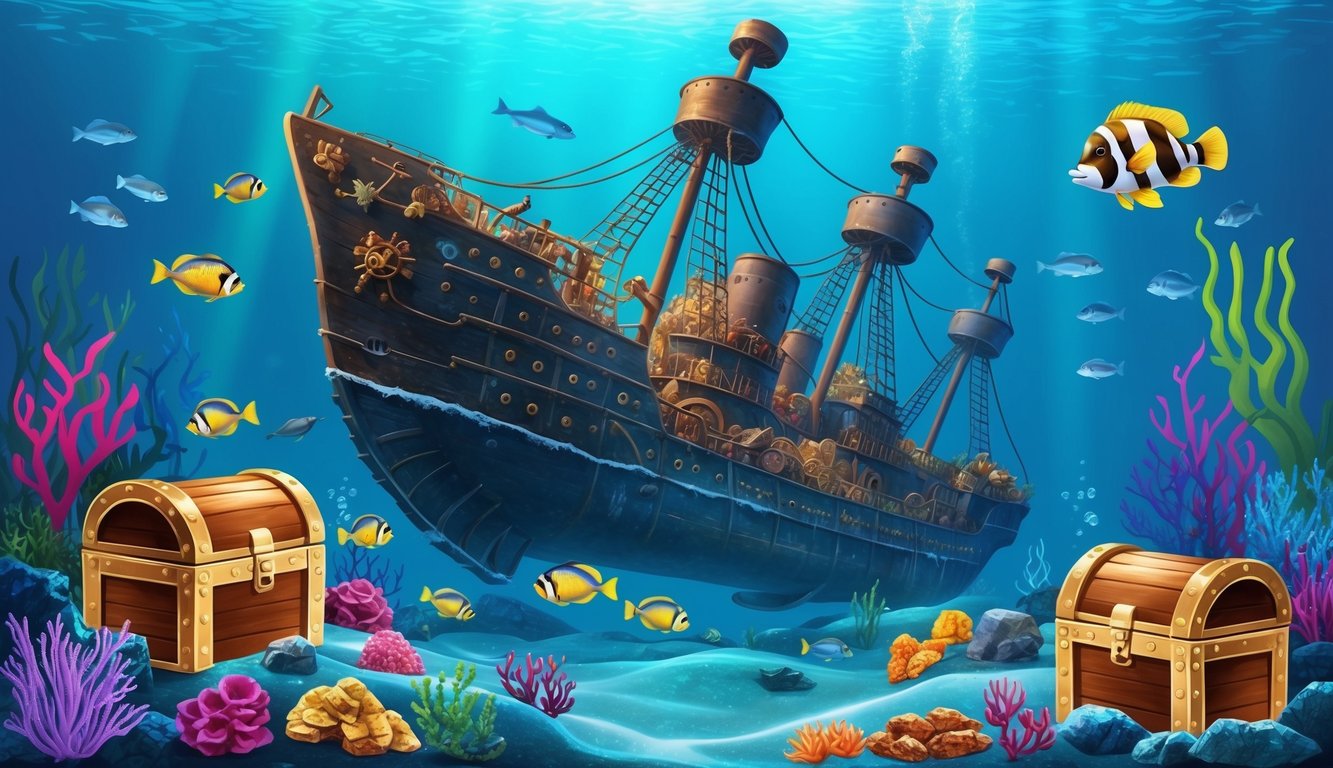
The treasure of the Concepción is worth millions of dollars today. Divers found the wreck in 1978 and brought up many valuable artifacts. Some of these old coins and jewels are now sold to collectors who love owning a piece of history.
The story of the Concepción shows how exciting treasure hunts can be. It took years of searching to find the ship.
Now, the items from this wreck give us a peek into life in the 1600s. People are still fascinated by shipwrecks like this one and dream of finding hidden treasures under the sea.
Historical Background
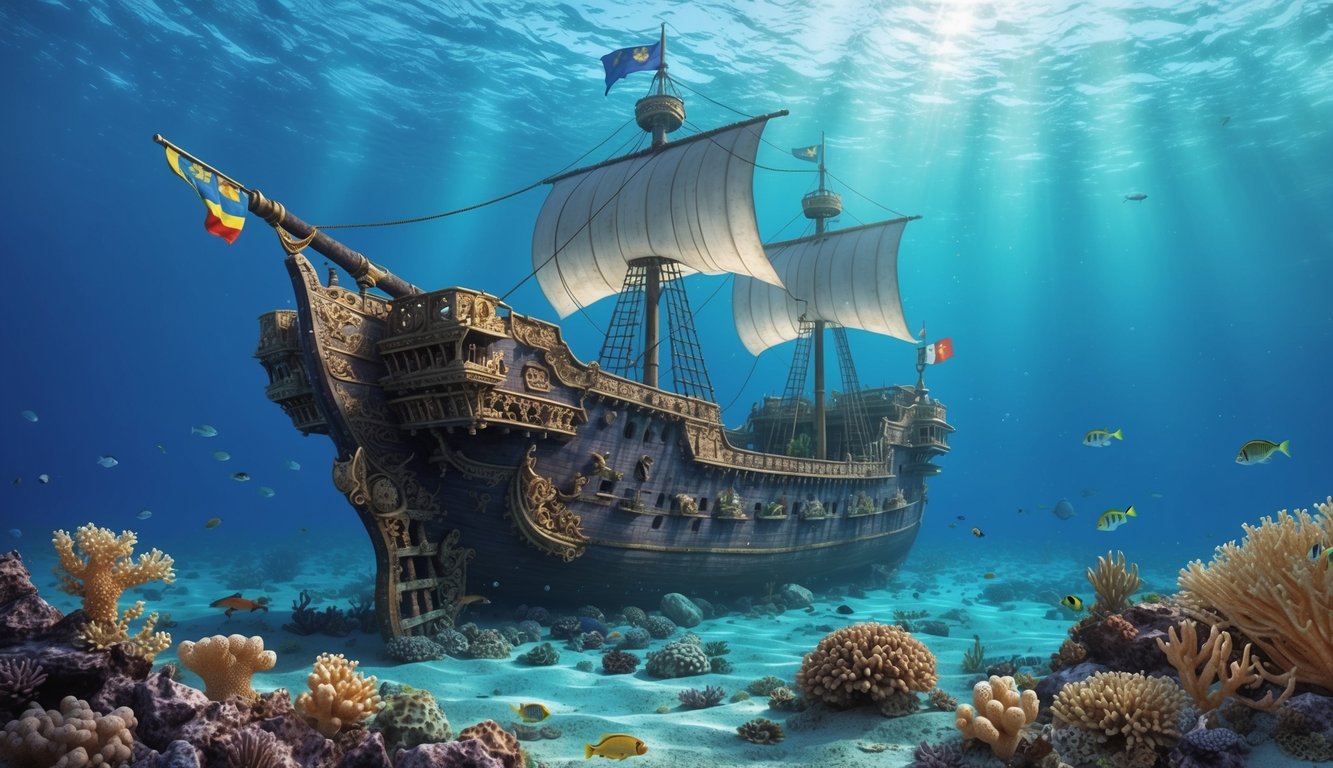
The Concepción was a key ship in Spain’s treasure fleet system during the 17th century. Its story involves vast riches from the New World, dangerous ocean voyages, and ultimate tragedy.
Spanish Treasure Fleet
The Spanish treasure fleet was a vital part of Spain’s colonial empire. These fleets carried precious metals and goods from the Americas to Spain.
Ships sailed from Veracruz, Mexico, loaded with silver from Potosi mines. They traveled to Havana, Cuba, then crossed the Atlantic to Seville, Spain.
King Philip IV relied on these riches to fund Spain’s wars and lavish court.
The fleets faced threats from storms, pirates, and rival nations.
Spanish galleons were large, armed ships designed to carry treasure safely. They were impressive but often overloaded and slow.
The Role of the Concepción
The Concepción was the almiranta, or vice-flagship, of a 21-ship fleet in 1641. It carried a massive cargo of silver and gold bound for Spain.
The ship was in poor condition when it left Havana. This made it vulnerable to the dangers of ocean travel.
The Concepción’s role was crucial. As almiranta, it helped protect the fleet and its valuable cargo.
Sadly, the ship met a tragic end. It sank in a hurricane near the Bahamas, taking its treasure to the ocean floor.
The Sinking of Concepción
The Concepción met a tragic end in 1641 during a fierce hurricane. This Spanish treasure ship carried a fortune in silver and gold when disaster struck.
The Fateful Hurricane
In September 1641, the Concepción sailed from the West Indies loaded with riches. A powerful hurricane hit the fleet as they traveled.
Strong winds and massive waves battered the ships. The Concepción struggled in the storm.
The crew fought to save the ship. But the hurricane was too strong.
Huge waves crashed over the decks. Water poured into the hold. The weight of the treasure made it hard to stay afloat.
Finally, the Concepción struck a reef. The hull cracked open. Precious cargo spilled into the sea. Sailors desperately tried to escape as the ship went down.
Aftermath of the Disaster
The sinking of the Concepción was a huge loss for Spain. Over 100 tons of silver and gold treasure sank to the ocean floor. Many lives were also lost in the disaster.
News of the shipwreck spread quickly. It became one of the most famous Spanish shipwrecks. The Concepción’s treasure attracted many seekers over the years.
Some lucky hunters found bits of the lost riches.
In 1687, William Phips recovered 25 tons of silver from the wreck. But most of the Concepción’s treasure remained lost for centuries.
Discovery and Salvage Efforts
The Concepcion’s treasure has captivated explorers for centuries. Two major expeditions stand out in the quest to recover its riches.
William Phips’ Expedition
In 1687, William Phips led a daring treasure hunt to find the Concepcion. The English king granted him rights to search for the sunken ship.
Phips and his crew struck gold – literally!
They found the wreck in shallow waters off the Bahamas. The team recovered a portion of the treasure, including:
- Silver coins
- Gold bars
- Precious gems
This discovery made Phips a wealthy man. He returned to England with his bounty, earning fame and a knighthood.
Modern Recovery by Burt Webber
In 1978, nearly 300 years after Phips, Burt Webber Jr. led another expedition to the Concepcion site.
Using modern technology, Webber and his team found even more treasures.
They recovered:
- Thousands of silver coins
- Gold jewelry
- Rare artifacts
Webber’s discovery was a huge success. It brought renewed interest to the Concepcion’s story.
Many of the coins and items they found are now part of museum collections or sold to collectors.
Treasures and Artifacts
The Concepción’s wreck held amazing treasures. Coins and precious metals tell the story of Spain’s wealth from the New World.
Coins of the Concepción
The Concepción carried many silver coins. Pieces of eight were common. These large silver coins were the main currency of the time.
Smaller coins like 2 reales were also found. They came from the Potosí mint high in the Andes. This mint made lots of silver coins for Spain.
The coins show different designs and dates. They give a peek into money from the early 1600s. Coin collectors love these old treasures.
Silver and Gold Artefacts
Besides coins, the Concepción held other valuable items. Silver bars and gold pieces were part of the cargo.
Precious treasures from the ship are now in museums. The Casas Reales and Faro Colon in Santo Domingo have some on display.
Silver plates, cups, and jewelry were also found. These items show how rich Spanish nobles lived. Gold chains and religious items were part of the bounty too.
Divers found these treasures years after the wreck. They give us a look at life in the 1600s.
Legal and Ethical Issues
Finding shipwreck treasure sounds exciting, but it comes with tricky legal and ethical questions. These issues affect who can search for and keep the treasure, as well as how to protect important historical items.
Maritime Salvage Rights
Treasure hunters often need special permission to search for shipwrecks.
In the past, some got rights from governments to look for specific wrecks.
For example, William Phips got permission from the King of England in 1685 to search for the Concepción’s treasure.
Today, laws about salvage rights can be complex.
Different countries have their own rules about who can claim shipwreck treasures. Some say finders can keep what they find, while others give the government more control.
Cultural Heritage and Preservation
Many people think shipwreck treasures should be protected as cultural heritage.
They worry that letting treasure hunters take artifacts could damage important historical sites.
Museums and scientists often want to study shipwrecks to learn about the past. They may clash with salvage companies who want to sell the treasures.
Some countries have laws to protect underwater cultural heritage. These laws try to balance treasure hunting with preserving history.
Ethical salvage companies work with archaeologists to carefully document their finds. This helps preserve information about the shipwreck and its cargo for future generations.
Impact on Local Economy
The discovery of the Concepcion’s treasure had a big effect on the Dominican Republic. It sparked interest in shipwreck salvage and boosted tourism. The find also raised questions about who should benefit from such discoveries.
Dominican Republic’s Stake
The Dominican Republic claimed a share of the Concepcion’s riches. The government saw it as a chance to boost the economy.
They got 40% of the recovered treasure. This included gold, silver, and artifacts.
The country used some items to create museum exhibits. These displays attracted visitors from around the world. The money from ticket sales helped fund local projects.
The treasure hunt also created jobs. It employed divers, boat crews, and support staff. Many were locals who gained new skills.
Tourism and Artifact Sales
The Concepcion’s story drew tourists to the Dominican Republic. People came to see where the famous shipwreck was found.
Tour companies started offering trips to nearby dive sites.
Hotels and restaurants saw more business. Souvenir shops popped up, selling replicas of coins and artifacts.
Some authentic items were sold at auctions. These sales brought in money and spread awareness of the country’s maritime history.
Museums created special exhibits about the Concepcion. These displays taught visitors about colonial trade and shipwreck salvage.
The increased tourism helped create jobs in hospitality and service industries.
Silver Shoals and Navigational Challenges
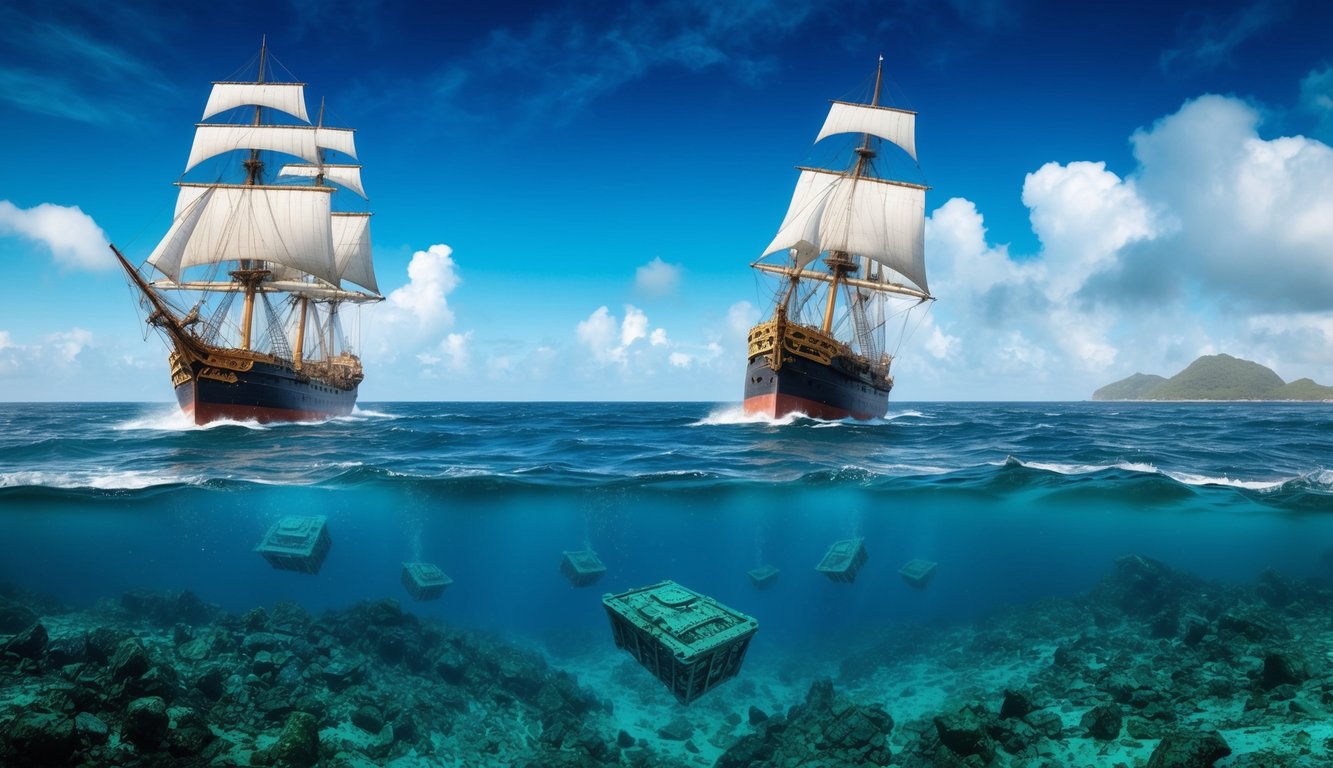
The Silver Shoals near Hispaniola posed huge risks for ships in the 1600s. Many vessels crashed on hidden reefs in these tricky waters.
The Treacherous Silver Shoals
The Silver Shoals were a group of shallow reefs north of Hispaniola. These reefs hid just below the water’s surface.
Ships could easily run into them if they weren’t careful.
The Abrojos Reef was one of the most dangerous parts. It stuck out far from the coast.
Many ships hit this reef and sank. The area around Silver Shoals became known as a ship graveyard.
Storms made sailing here even riskier. Big waves could push ships onto the reefs before crews could react. The Concepción fell victim to these dangers in 1641.
Navigation in the 17th Century
Sailors in the 1600s used simple tools to find their way. They relied on compasses, maps, and the stars.
But these methods weren’t always accurate.
Ships often got lost or went off course. This was really dangerous near reefs like Silver Shoals.
Crews couldn’t always tell how close they were to land or shallow water.
Bad weather made things worse. Clouds blocked the stars, and storms pushed ships off course. The Concepción struggled with these issues before it crashed.
Pirates and Privateers
The Spanish treasure ship Concepción attracted many who sought to claim her riches. Pirates and privateers roamed the Caribbean, hoping to intercept valuable cargo like that of the Concepción.
Threats on the High Seas
Pirates posed a constant danger to Spanish ships in the West Indies. These lawless sailors attacked vessels to steal gold, silver, and other valuables.
Some famous pirates hunted Spanish treasure from shipwrecks like the Concepción.
Privateers also targeted Spanish ships. Unlike pirates, privateers had government approval to attack enemy vessels.
England, France, and the Netherlands hired privateers to weaken Spain’s control of Caribbean trade.
Both pirates and privateers used fast ships to chase down their targets. They often outnumbered merchant crews and carried more weapons.
The threat of attack meant Spanish ships like the Concepción traveled in protected fleets when possible.
Legends Born from Concepción
The sinking of the Concepción in 1641 sparked many tales. Pirates and treasure hunters searched for her lost cargo for years.
Stories spread about the vast riches still hidden underwater.
Some legends claimed the Concepción’s treasures were cursed. Others told of secret maps leading to the wreck site.
These exciting tales captured imaginations around the world.
Famous pirates like Henry Morgan were said to have searched for the Concepción’s gold. The ship’s story inspired books, movies, and treasure hunting expeditions for centuries after its sinking.
Cultural Significance
The treasure of the Concepción has made a big splash in books and movies. Its story has inspired many tales of adventure and mystery over the years.
Literature and Lore
The Concepción’s treasure has been a popular topic in books about shipwrecks and pirate lore.
Peter Earle wrote about the ship in his book “The Wreck of the Almiranta.” This book tells the exciting story of the Concepción’s last voyage and the search for its riches.
Jack Haskins also wrote about the Concepción in his works. His stories helped keep the legend of the shipwreck alive for new readers.
Many other authors have used the Concepción’s tale as inspiration for novels and historical accounts.
These books often mix fact and fiction, adding to the mystery of the sunken treasure.
Concepción in Modern Media
The story of the Concepción has made its way into movies and TV shows. Documentaries have explored the real-life hunt for the ship’s lost riches.
Some films have used the Concepción’s story as a backdrop for adventure plots. These movies often show treasure hunters searching for the legendary Spanish galleon.
Video games have also featured quests inspired by the Concepción. Players can dive for treasure and explore virtual shipwrecks based on the real thing.
The ship’s tale continues to spark interest in maritime history and underwater archaeology. It reminds us of the excitement of discovering long-lost treasures from the past.
Contemporary Treasure Hunters
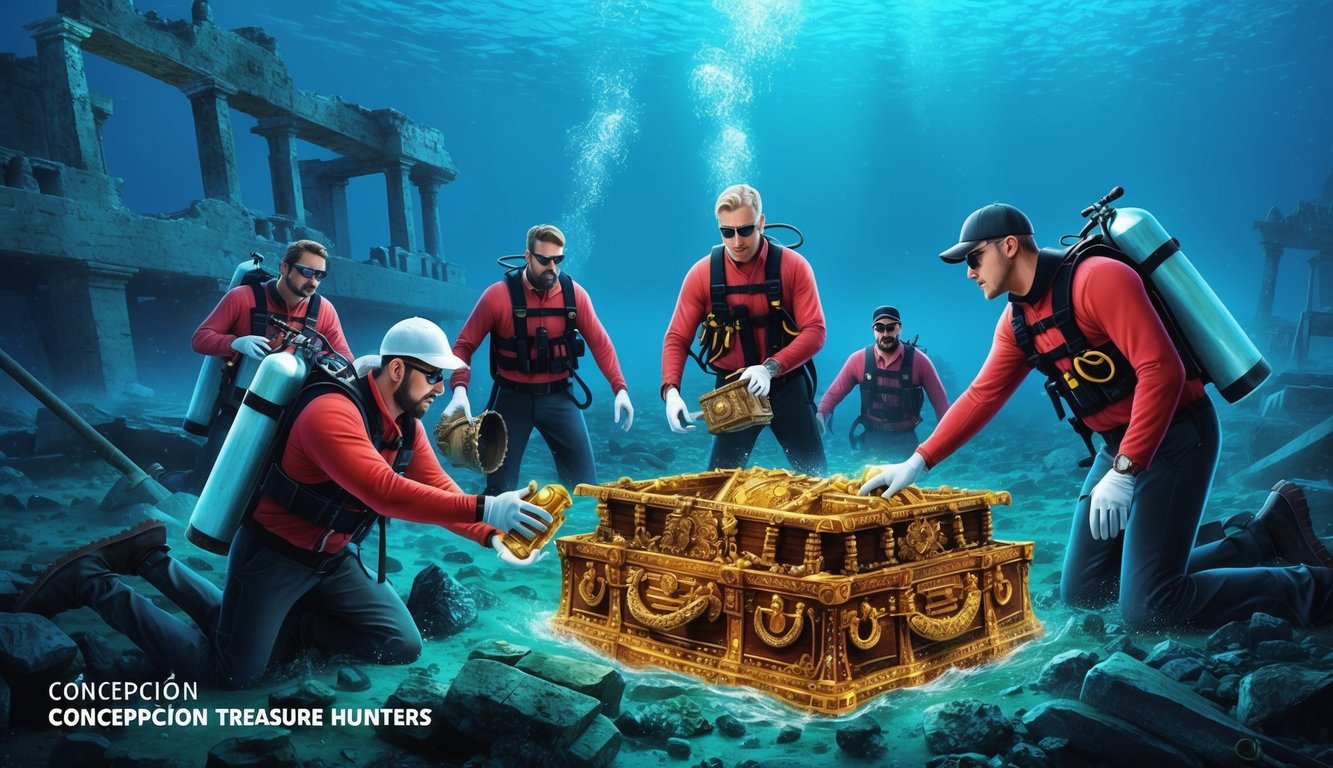
The lure of sunken riches continues to captivate modern-day adventurers. Advanced technology and a passion for history drive ongoing quests to uncover the Concepción’s lost treasures.
Adventurers and Enthusiasts
Today’s treasure hunters come from all walks of life. Some are professional archaeologists, while others are hobbyists with a love for adventure.
Many are drawn to the romance of sunken treasure and the thrill of discovery.
These modern explorers spend years researching shipwrecks and planning expeditions.
They pore over old maps and historical documents, looking for clues.
Some even use cutting-edge computer models to predict where treasures might be found.
Treasure hunting can be risky and expensive. But for many, the potential rewards outweigh the costs.
The chance to hold a piece of history in their hands keeps them going.
Technological Advancements in Treasure Hunting
Technology has revolutionized the search for sunken treasures. Explorers now use tools that their predecessors could only dream of.
These gadgets make it easier to find and recover artifacts from the ocean floor.
Some key technologies include:
- Sonar systems to map the seafloor
- Magnetometers to detect metal objects
- Remote-operated vehicles (ROVs) for deep-sea exploration
- Underwater vacuum cleaners to clear sediment
GPS helps pinpoint exact locations, while high-tech diving gear allows longer stays underwater. Computer imaging can even create 3D models of shipwrecks.
These tools have led to amazing discoveries. They’ve helped uncover treasures that lay hidden for centuries. As technology improves, who knows what other secrets the sea might give up?
Global Perspectives on Sunken Treasures
Sunken treasures capture the imagination of people worldwide. Different countries have their own laws and stories about finding riches from the deep.
International Laws and Agreements
Many nations have rules about shipwrecks and their treasures. The United Nations Convention on the Law of the Sea sets guidelines for what happens when old ships are found.
Some countries work together to protect underwater sites. They sign deals to share information and stop treasure hunters from taking things illegally.
A big issue is who owns the treasure. Is it the country where the ship sank? Or the country the ship came from? These questions can lead to long talks between governments.
Comparative Treasure Discoveries
Famous finds like the Concepción shipwreck show how different hunts can be. Some searches take years, while others happen by chance.
In the Philippines, divers look for sunken Manila galleons. These ships carried lots of goods between Asia and America.
Spain’s treasure fleets are well-known targets. They moved gold and silver from the New World to Europe.
Other big finds include:
- The Atocha off Florida’s coast
- The Whydah near Cape Cod
- The São José in South Africa
Each discovery teaches us about history and trade from long ago. It also shows how technology helps find lost ships today.