Washington State has a long and fascinating past full of unsolved mysteries, from vanishing people to puzzling crimes. Some of the biggest historical mysteries in Washington include strange disappearances, serial killer cases, and crimes that have puzzled investigators for years.
These stories grab the attention of both local residents and mystery fans across the country.
Whether it’s a cold case in a quiet town or a headline-making event that shook Seattle, each mystery holds secrets waiting to be uncovered. Many of these cases, like well-known unsolved murders in east Washington, remain open despite many attempts to find answers.
Anyone curious about hidden truths or the darker side of Pacific Northwest history will find plenty of intrigue among these Washington cold or unsolved cases.
The Most Baffling Unsolved Crimes in Washington
Washington state has experienced a number of high-profile unsolved cases. Investigators have faced complex murders, strange disappearances, and crimes that have left a deep mark on the state’s true crime history.
High-Profile Murders That Remain Unexplained
Washington is home to some chilling unsolved murders. One of the most notable serial killers in Washington history is the “D.B. Cooper” skyjacking case, which, while not a murder, did involve a mysterious criminal who vanished without a trace.
This event remains one of the country’s best-known investigations, and detectives have never found a clear answer to Cooper’s true identity. Other cases include victims who were slain but whose killers were never caught.
These unsolved murders keep law enforcement searching for new leads, relying on DNA technology and public tips. Families still wait for closure, while detectives continue to review evidence and rework cold cases.
According to local reports, there are over 3,000 unsolved homicides in Washington. Many of these cases stand out because of the circumstances, the victims’ stories, or the lack of motive and suspects.
Disappearances That Still Puzzle Investigators
Some of Washington’s most baffling criminal mysteries involve people who simply disappeared. Cases like these trouble both police and communities.
Missing persons reports sometimes go cold for decades, leaving more questions than answers. Investigators still look into mysterious exits and sudden vanishings.
Families and detectives often search for clues in remote areas or follow up on rare sightings, hoping for a breakthrough. Some cases have possible links to serial killers in Washington or may involve people taken under strange or unknown conditions.
Websites and community groups continue to track missing person cases and encourage tip submissions. Technology and awareness efforts are helping, but many cases remain unsolved, with loved ones waiting for updates.
Notorious Cases That Shaped Washington’s True Crime Legacy
Some crimes have had a strong impact on how people view true crime in the Pacific Northwest. The Green River Killer, one of the most infamous serial killers in Washington, was eventually caught, but many unsolved cases from that era still haunt communities.
Some high-profile killers, such as the “Silk Stocking” Strangler, may have never been identified. Events like the unsolved D.B. Cooper hijacking have added to the region’s true crime legend.
Programs and media reports keep attention focused on active investigations, giving hope to families of victims. Some unsolved crimes led to changes in investigative methods, cold case units, and public interest in justice.
Efforts from local police, amateur sleuths, and news outlets work together to shine light on cold cases. These mysteries still spark interest and concern, making them key parts of Washington’s history.
The Infamous Serial Killers of Washington
Washington State has been the setting for some of the most notorious serial killers in American history. These cases drew national attention and left lasting marks on both the region and criminal investigations.
Green River Killer’s Chilling Legacy
The Green River Killer case is one of the most disturbing serial murder investigations in the United States. Gary Ridgway, nicknamed the Green River Killer, targeted vulnerable women, mostly runaways and sex workers, in the Seattle area during the 1980s and 1990s.
Police eventually linked him to the deaths of at least 49 victims, but the real number may be higher. Ridgway managed to avoid capture for nearly two decades, which frustrated families and detectives.
He was finally caught in 2001 when new DNA technology connected him to many of the murders. Ridgway later confessed to dozens of killings, making him one of America’s most prolific serial killers.
Key facts:
| Name | Number of Victims | Years Active | Capture |
|---|---|---|---|
| Gary Ridgway | 49+ | 1980s-1990s | Arrested in 2001 |
Ridgway’s crimes shocked Washington State and changed how investigators handle missing person cases and evidence.
Ted Bundy’s Trail Across the Pacific Northwest
Ted Bundy is another infamous serial killer closely tied to Washington State. He attended the University of Washington and lived in Seattle during the 1970s.
His charm and intelligence made him seem harmless, but he committed a string of brutal murders targeting young women. Bundy’s killing spree began in Washington and spread across several states in the Pacific Northwest.
He often lured victims with fake injuries or asked for help, which made his crimes harder to trace. Bundy escaped from jail twice before his final arrest.
He confessed to killing more than 30 women, but some believe the real total is higher. Bundy’s crimes and trial became a high-profile media event, influencing how the public saw serial killers in Washington and across the country.
Bundy’s case also pushed law enforcement to improve tracking systems and share information across state lines. His actions remain a grim chapter in Washington’s history.
Washington’s Most Puzzling Cold Cases
Washington is home to some of the nation’s most mysterious unsolved homicides and missing persons cases. Many of these cold cases have endured for decades, leaving victims’ families searching for closure and law enforcement agencies balancing hope with frustration.
Famous Long-standing Mysteries
Washington has seen many famous cold cases that continue to puzzle investigators and the public. The disappearance of 12-year-old Christina Lee White in 1979 from Asotin marked the start of the Lewis Clark Valley murders.
Over several years, more people vanished or were killed in that region. These cases remain open with no suspects in custody.
The state also remembers the unexplained abduction of Courtney Holden in 2018, which left few clues. Other notable cases include the unsolved murders of Russell Evans in 1989 and Debbi Finnern in 1984.
These unsolved cases highlight the challenges that even modern technology can’t always overcome.
A short table of some puzzling cases:
| Name | Year | Location | Status |
|---|---|---|---|
| Christina Lee White | 1979 | Asotin | Missing |
| Courtney Holden | 2018 | Spokane | Abducted |
| Russell Evans | 1989 | East WA | Unsolved |
| Debbi Finnern | 1984 | East WA | Unsolved |
Efforts to Reopen Historic Files
Law enforcement agencies across Washington are working hard to bring new attention to cold cases. Groups like Project: Cold Case and media teams at KING 5 Unsolved Northwest spotlight forgotten mysteries.
Digital resources and modern databases have helped some cases get a fresh look. For example, DNA technology and online crime databases let police and family members re-examine evidence.
These steps have helped solve some old crimes, although many cases remain open. Lists of cold cases are now shared online so the public can read about unsolved murders in Washington and report tips.
Local investigators still face challenges, but renewed public interest and new tools offer hope for progress.
Unsolved Child Disappearances and Tragedies
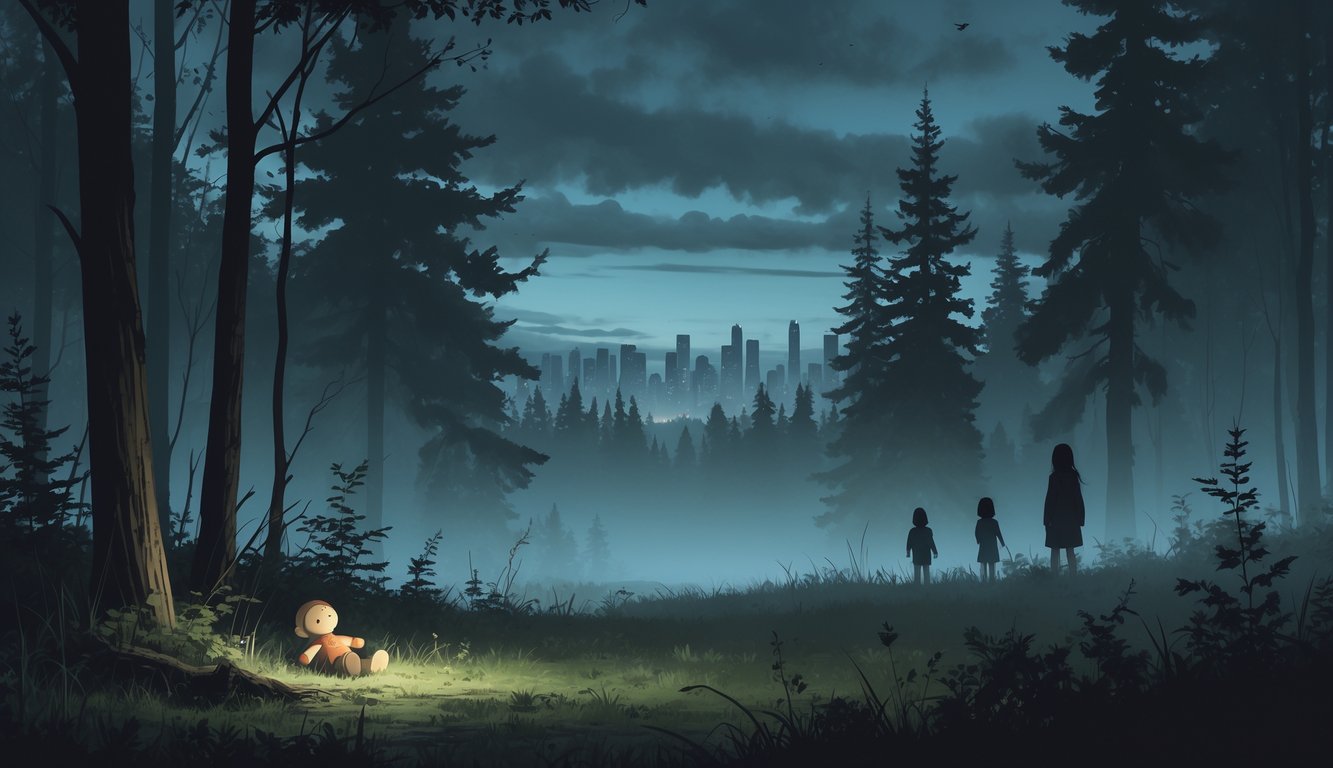
Unsolved child disappearances have haunted Washington for decades, especially in Tacoma and Pierce County. Many of these cases remain open, with families and investigators still searching for answers.
The Michella Welch Case
Michella Welch was a 12-year-old girl from Tacoma. On March 26, 1986, she disappeared while riding her bike to a park with her younger sister.
Michella left briefly to return home and get lunch for the group. She never came back.
Her body was found later that day in a wooded area of the same park. The crime shocked the community and drew media attention across the region.
Decades later, her murder remains unsolved. The investigation saw new hope in recent years with advances in DNA technology, but no one has been charged.
Michella’s family continues to ask for information. Her case is featured among Tacoma’s oldest unsolved cases.
Key details of the Michella Welch case:
| Year | Location | Status |
|---|---|---|
| 1986 | Tacoma, WA (park) | Unsolved |
Persistent Mysteries in Tacoma and Pierce County
Tacoma and Pierce County are home to several cold cases involving missing and murdered children. These cases stretch back decades, and many families still wait for justice.
According to local reports, these unsolved cases include both mysterious disappearances and violent crimes. The community remembers victims through news stories and public appeals.
Important facts:
- Over 3,000 unsolved homicides exist in Washington, with several centered in Tacoma and surrounding areas.
- Some cases have recently received renewed attention due to true crime series and podcasts.
- Law enforcement continues to review evidence, and the public is encouraged to share any information.
These open investigations reflect the ongoing efforts to find answers for families in Tacoma and Pierce County.
Strange Ransom Notes and Unexplained Evidence
Mysterious ransom notes and puzzling details have played important roles in many of Washington’s unsolved crimes. The clues left behind in each case, from messages to unusual DNA findings, keep investigators searching for answers.
Chilling Messages Left Behind
Some of the most disturbing crime cases involve unexpected ransom notes that raise more questions than answers. Police reports often mention how these messages seem carefully worded, but sometimes feel strange or unrealistic.
In one famous cold case, the ransom note was three pages long and demanded a very specific amount—$118,000—which was close to the victim’s recent bonus. Many saw this detail as suspicious.
Police later described this note as “bogus,” pointing out odd phrases and strange handwriting choices. Such ransom notes stand out because they are not typical of most crime scenes.
A note might use odd language, misspellings, or overly detailed instructions, which confuses detectives more. These messages often become the main clue in the case and can drive public curiosity for years.
To see an example, the bogus ransom note in the JonBenét Ramsey case is still discussed today.
Baffling Evidence From Crime Scenes
Many unsolved crimes in Washington involve evidence that does not match crime reports or witness statements. Sometimes DNA appears at a scene but does not match any suspects.
This can stall investigations and raise questions about who was involved. Detectives also find fingerprints, footprints, or unusual items left behind.
Often, these clues seem important but lack a clear link to a suspect. This makes the case more complicated.
For example, police still try to connect unexplained DNA and other strange findings to the JonBenét Ramsey case, which remains one of America’s most confusing mysteries.
Notorious Cases Linked to Tents and Campsites
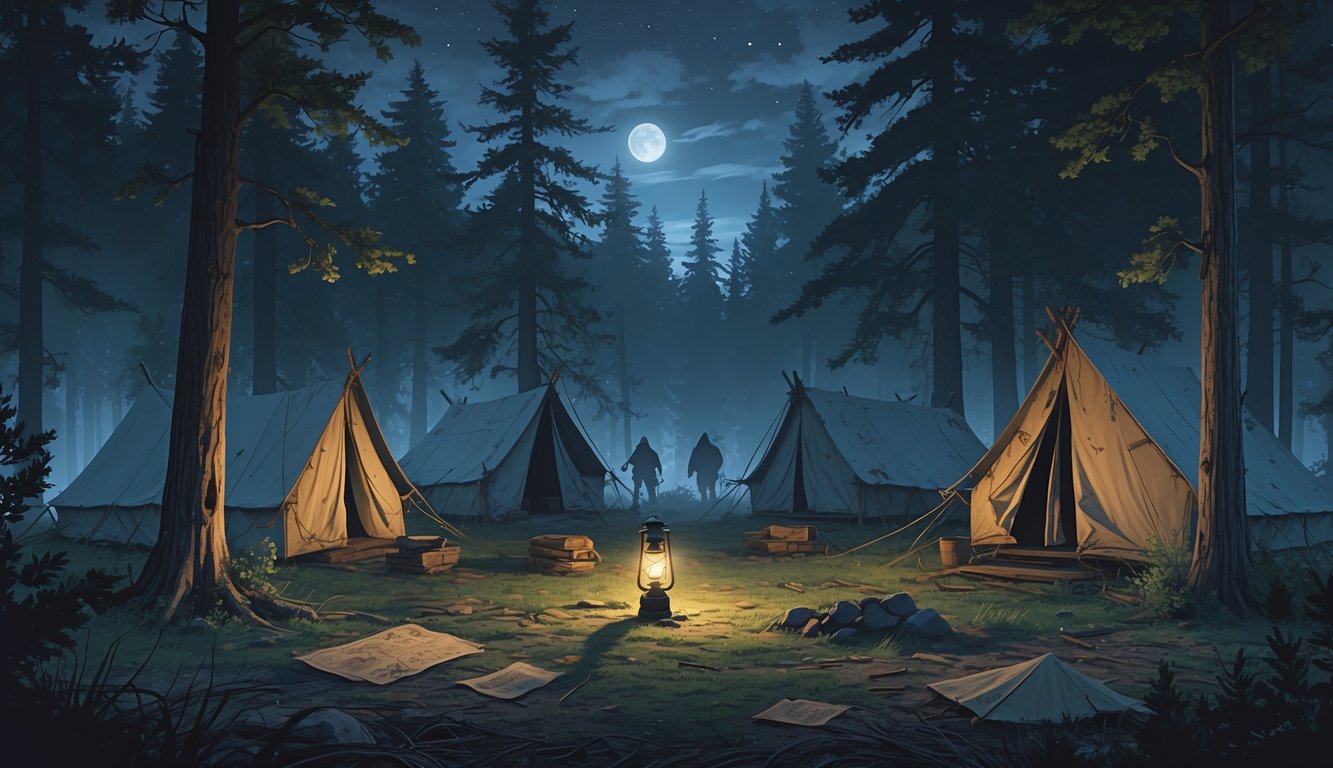
Washington’s wild spaces have seen cases that left police and hikers puzzled. Campsites and tents often became the setting for disappearances and crimes that remain unexplained.
Mysteries in the Pacific Northwest Wilderness
The Pacific Northwest is known for tall forests, remote trails, and misty mountains. Some campers vanished from their tents, leaving behind gear and personal items untouched.
Search teams scoured the woods but often came back with no clues. In some cases, the only signs left were an abandoned tent or a campfire still burning.
Stories spread about hikers never making it back to civilization. The area around Mount Rainier has several open cases, fueling local legends and unsolved mysteries in Washington.
The mix of thick forests, rugged land, and isolated campsites makes solving these mysteries challenging. Each year, people still report odd happenings and vanishings in these wild spots.
The Role of Law Enforcement in Washington Mysteries
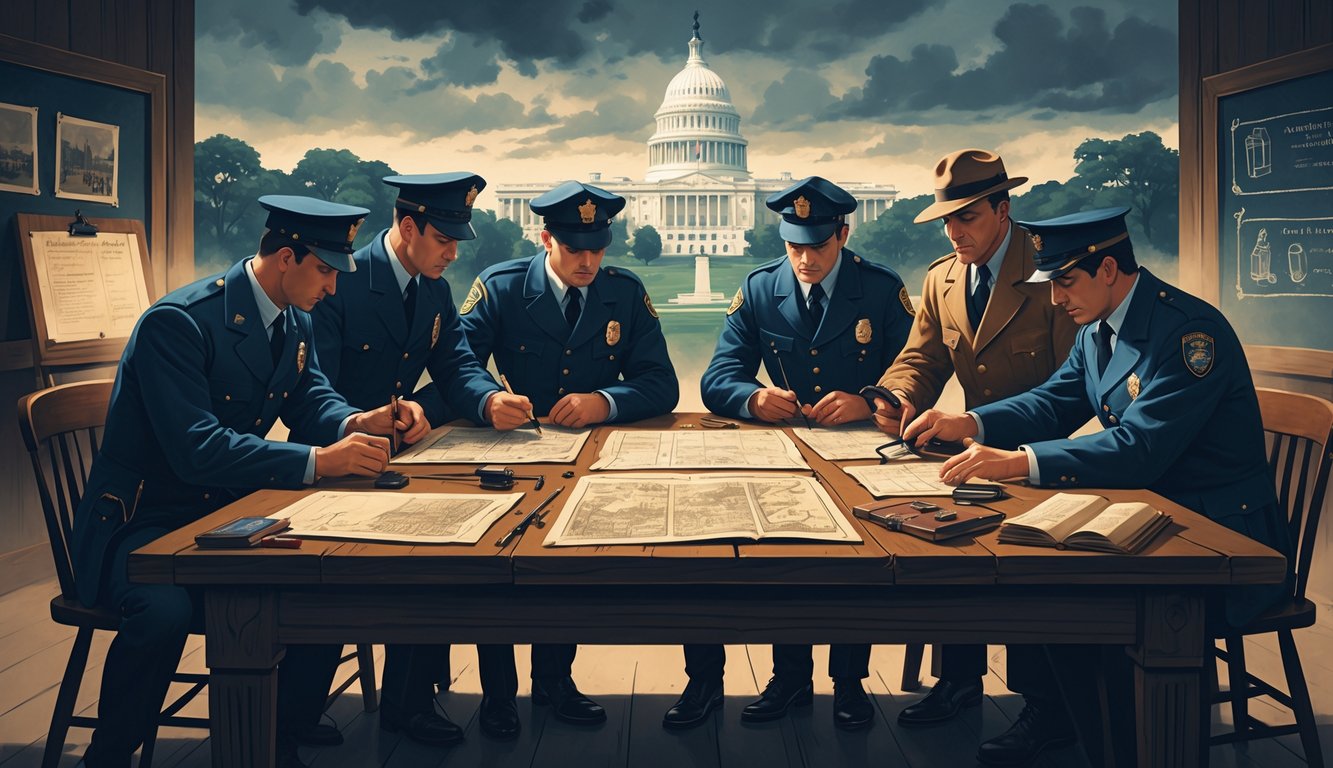
Investigating Washington’s most puzzling mysteries often requires large teams and special tools. State and federal agencies work together to find answers and bring closure to families.
FBI’s Most Confounding Investigations
The FBI has handled several challenging cases in Washington. One of the most famous is the unsolved D.B. Cooper skyjacking from 1971.
Despite years of searching and analysis, the case remains a mystery. Major cases like this show how the FBI uses advanced forensic methods and technology.
They look at fingerprints, conduct DNA analysis, and track financial activities to try to solve crimes. The FBI also keeps records and profiles to help link possible suspects across different crimes.
The FBI often returns to old evidence as technology improves. Unsolved cases in Washington include missing persons, unidentified remains, and famous historical crimes.
Coordination Among Agencies
Law enforcement agencies in Washington include city police, county sheriffs, and the state patrol. These groups often work together, sharing information and resources when a mystery covers multiple areas.
Sometimes, a local case becomes a federal interest. In those cases, agencies partner with the FBI or other federal resources.
Teamwork can include sharing databases, setting up joint task forces, or holding regular meetings to discuss active cases. Coordination brings more people and technology into the investigation.
Lists and databases maintained by different agencies make it easier for families and the public to search for missing persons or updates on Washington cold or unsolved cases.
Unexplained Deaths Under Mysterious Circumstances
Washington has seen several deaths that remain unexplained. In many cases, investigators faced confusing details that made it hard to find out the truth behind what happened.
Strange Patterns Observed by Investigators
Investigators have noticed patterns in some unsolved cases. A few victims were found in isolated areas with no clear signs of struggle or cause of death.
Items like wallets and personal belongings were sometimes left untouched, which made the cases even stranger. In other cases, weather and environmental factors erased clues before detectives could arrive.
Some deaths in Washington’s forests and waterways remain unexplained for years, drawing attention from crime experts. Lists of unsolved deaths show that uncertain causes—from unclear injuries to missing evidence—often leave families and investigators frustrated.
Even after detailed examinations, many cases still offer no solid answers.
Historic Ghost Stories and Urban Legends
Washington is a state filled with ghost stories that mix local history with legends. Some places are famous for their haunted past, while others hide strange mysteries in their walls and halls.
Haunted Sites in Washington
People across Washington have shared stories about haunted places for decades. One of the most well-known spots is the Northern State Mental Hospital.
Visitors often report mysterious voices, cold spots, and shadowy figures that move through the old buildings. Maltby Cemetery includes the legend of the “Thirteen Steps to Hell.”
According to local tales, walking down these steps at night brings strange noises and a feeling of dread. Some even say it opens a doorway to another world.
Spots in Seattle, like Pike Place Market, are also known for ghostly sightings and whispered stories. Some shopkeepers tell stories of a friendly ghost named Princess Angeline, who is said to look after the shops after dark.
People interested in these tales can find more about Washington’s spooky haunted places online.
The Mystery of Georgetown Castle
Georgetown Castle is one of Seattle’s most famous haunted houses. Built in the early 1900s, it was once the home of a business owner named Peter Gessner.
The castle is often linked to ghost stories about unexplained footsteps, doors that slam, and chilling screams during the night. Some believe a spirit lingers due to its rumored ties to Prohibition-era gambling and vice.
Reports of a woman’s voice echoing in the halls add to the mystery. Over the years, curious visitors and ghost hunters have explored the castle, searching for proof of the supernatural.
Those looking to dig deeper into these stories can read about the urban legends and haunted places in Washington that keep history alive.
How Washington’s Mysteries Transformed True Crime Reporting
Historic mysteries in Washington shaped how news outlets cover criminal cases. Local cases influenced practices in both crime report writing and cold case investigations.
Influence on Crime Reporting Practices
Reporters in Washington often covered high-profile cases with a focus on detail and accuracy. This state is home to infamous cases, such as the Green River Killer, which led journalists to dig deeper and verify every fact.
True crimes in the region prompted newsrooms to adopt more careful language. Stories about ongoing investigations had to balance public interest and not harm the investigations.
Media outlets like KING 5’s Unsolved Northwest began highlighting cold cases in a sensitive way. They featured victim names, investigation timelines, and law enforcement interviews.
Reporters also started partnering with law enforcement and organizations like Project: Cold Case. These partnerships made sure the information shared was both accurate and helpful for solving cases.
Sometimes, journalists used lists, sidebars, and tables to present facts so the public could follow along.
Modern Approaches to Solving Cold Cases
Today, technology plays a huge role in investigating old and unsolved crimes. New forensic tools help police examine preserved DNA, fingerprints, and digital records from decades ago.
Law enforcement teams work with outside experts, such as forensic scientists and digital analysts. They combine crime report data with modern software to reconstruct crime scenes or update timelines.
Organizations like Cold Case Explorations share updates on unsolved crimes. They use digital platforms to engage the public and ask for tips.
Data tables and case summaries on these sites make it easier for anyone to help or learn about new developments.