Slovenia is a land full of secrets. Legends, hidden graves, and ancient underground passages hint at stories left untold.
Some of the biggest historical mysteries in Slovenia involve unexplored tunnels beneath its towns, unsolved mass graves from World War II, and daring acts that took place in its world-famous caves. These mysteries are woven into the country’s rich history. They attract both curious locals and travelers who love a good puzzle.
Visitors walk the lively streets of Slovenian towns and wonder what lies beneath their feet. Old tunnels, cellars, and deep caves like the Skocjan Caves have a fascinating past.
Some say restless spirits haunt these places. Others follow traces of wartime resistance and brave sabotage in locations such as the Postojna Cave.
Behind Slovenia’s peaceful views and historic towns, clues to the nation’s greatest secrets wait to be discovered. The biggest historical mysteries of Slovenia spark curiosity in anyone interested in history, hidden places, or strange events.
Famous Lost Civilizations and Ancient Sites
Slovenia’s landscape is dotted with traces of lost civilizations. Travelers discover ancient settlements, mysterious ruins, and hilltop castles that stir interest in the country’s distant past.
Mysterious Bronze Age Settlements
Thousands of years ago, Bronze Age communities left their mark across present-day Slovenia. Archaeologists have uncovered pile-dwelling settlements near Ljubljana Marshes.
People built homes on wooden stilts over wetlands. Pottery, tools, and jewelry found here show that people traded with distant lands and had developed skills in metalworking.
Excavations suggest the area was once a center for trade and culture. Many questions remain about how these people organized their villages and disappeared.
Sites like those around Ljubljana offer a window into Slovenia’s ancient past. These places leave plenty of room for debate about the full story behind their way of life.
Enigmatic Ruins in Slovenian Highlands
In the highland regions, stone ruins and fortress walls hint at communities that thrived before written history. Sites in the Karst plateau and Pohorje Mountains feature thick defensive walls, broken towers, and hidden underground chambers.
Historians believe these were once strongholds or early trade centers, but their exact origins are not always clear. Prehistoric hillforts and ancient castles often come with local legends about lost kingdoms and secret tunnels.
Many visitors explore these spots for their views and mysteries. These archaeological treasures remind people of how much is still unknown about the earliest inhabitants of Slovenia.
Unsolved Mysteries of Ljubljana Castle
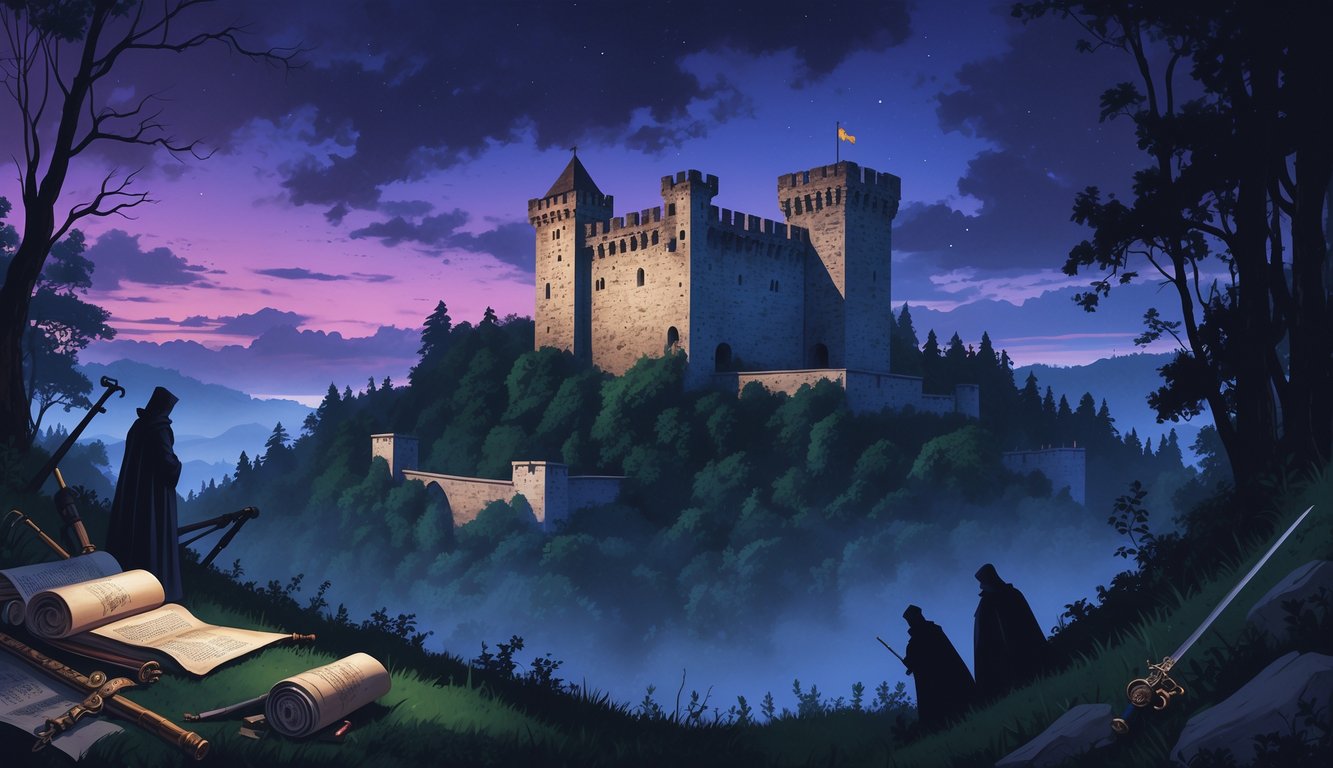
Ljubljana Castle stands as a symbol of the city. Stories of unexplained events, mysterious passages, and ghosts fascinate both locals and visitors.
Strange Disappearances in the Fortress
Over the centuries, people have vanished within the walls of Ljubljana Castle. Old records mention guards, prisoners, and servants who disappeared without a trace.
Some believe these disappearances link to secret dungeons or hidden exits in the castle’s thick stone walls. Folklore suggests unlucky individuals fell victim to vengeful spirits.
Visitors and workers claim to see shadowy figures or ghostly apparitions in the castle’s older rooms. These sightings are linked to tragic stories from the castle’s dark past.
| Type of Disappearance | Era | Suspected Cause |
|---|---|---|
| Prisoner | 16th-18th c. | Secret tunnels, execution |
| Guard | 15th c. – now | Ghostly apparitions |
| Servant | 17th c. | Unknown |
These stories make Ljubljana Castle a favorite spot for ghost tours and night visits.
Secret Passages and Their Purposes
Ljubljana Castle hides a network of underground corridors. Historians have found evidence of secret passages used by soldiers and nobility.
These tunnels helped people escape during sieges or hold secret meetings. Some passages lead from the castle to outside the city walls, built to help lords flee in times of war.
Others transported food or messages. Today, only a few of these tunnels are open to visitors, while others are closed for safety.
Legends claim some passages connect to mysterious underground chambers. Some locals believe treasures, lost documents, or royal relics are hidden deep below the castle.
The story of Ljubljana Castle draws adventurers and history lovers to these tunnels.
The Counts of Celje: Power, Betrayal, and Unanswered Questions
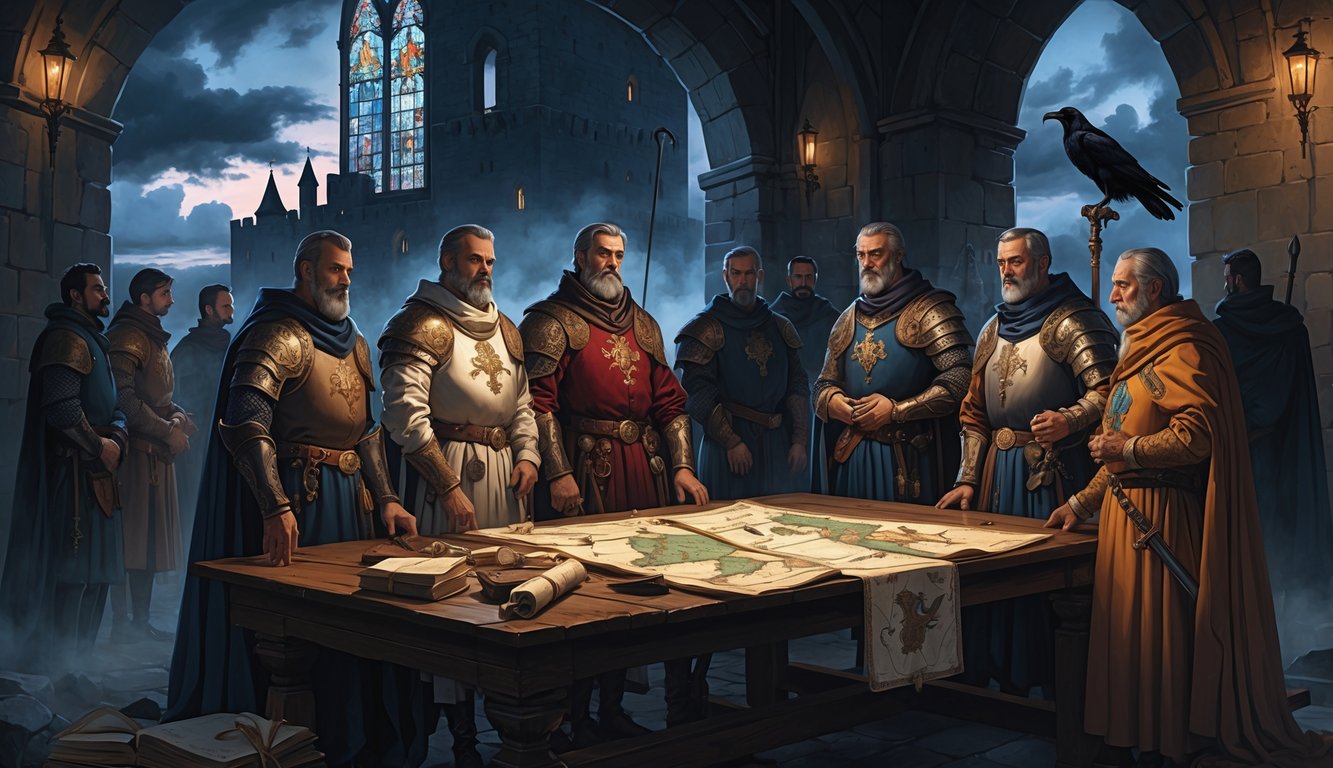
The Counts of Celje became the highest-ranking nobility in Slovenia during the Middle Ages. Their story includes powerful rulers, dark secrets, and questions that historians still debate.
The Mysterious Demise of Friderik II
Friderik II was a notable member of the Counts of Celje, remembered for his leadership and tragic end. He ruled during a time when alliances and betrayals shaped European history.
The circumstances around his death remain a mystery. Some say he was the victim of a political plot, while others believe family rivalries and power struggles played a role.
Stories suggest he was imprisoned in a tower at Celje Castle by his own father. Records from that period only add to the puzzle.
Chroniclers left behind reports that are sometimes hard to separate from legend. The tale of Friderik II’s death is one of the most intriguing mysteries in Slovenian history.
Hidden Treasures of Celje Castle
Celje Castle, perched above the town, was once the main seat for this powerful family. Tales have grown over the centuries about treasures hidden within its stone walls or buried somewhere on the grounds.
Maps and old documents hint that the Counts of Celje may have concealed gold, jewels, and other valuables during times of crisis. Treasure hunters still visit the site, searching for clues or using metal detectors, but no proven discoveries have emerged.
The castle shows clues like sealed rooms and secret passages. Some believe these could hide valuables or forgotten artifacts from the family’s history.
For visitors today, these legends add excitement and adventure when exploring the fortress. You can read more about the family and their castle at Extraordinary experiences and stories of the Counts of Celje.
The Legends and Lore of Predjama Castle
Predjama Castle stands out as one of the most unique and mysterious sites in Slovenia. Its history blends local folklore and dramatic true events.
Erazem Lueger and the Hidden Tunnel
Predjama Castle was home to the knight Erazem Lueger, a famous figure in Slovenian legends. Stories say Erazem used a secret tunnel to outsmart his enemies during a long siege.
The secret tunnel runs through underground caves, directly beneath the castle. Local folklore claims Erazem survived for over a year because of this passage.
Many visitors believe the halls are still haunted by Erazem’s spirit. This adds to the castle’s reputation as one of Slovenia’s most haunted locations.
Predjama Castle’s mix of architectural wonder and chilling legends draws those curious about Slovenia’s past.
The Mystery of Witchcraft in Slovenia’s Past
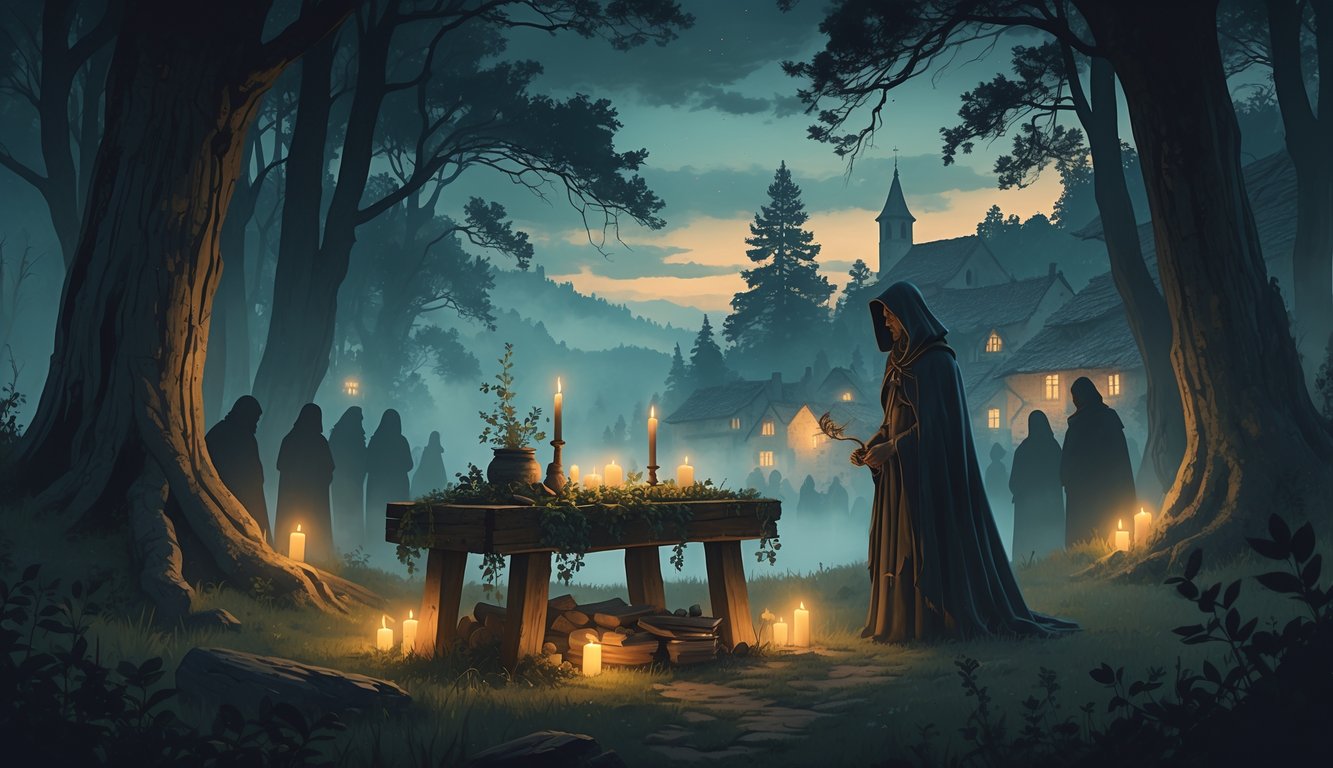
Slovenia’s history holds chilling stories about witchcraft, superstition, and trials. These stories shaped local traditions and left a mark on the country’s castles and folk beliefs.
Folk Legends and Trials
People once took witchcraft very seriously in Slovenia, especially from the Middle Ages to the 18th century. Locals believed witches could harm crops, bring sickness, or cause other misfortunes.
Many feared anyone who seemed different or acted outside the norm. Witch trials spread through towns like Maribor, Hrastovec, and other regions.
Historical records show that mostly women were accused of witchcraft and faced severe punishment, including public executions. A well-documented case was the trial of Marina Vukinec at Hrastovec Castle in 1673, where details of the court proceedings still exist.
The panic around witchcraft saw whole communities caught up in accusations and fear. These events became key parts of local folklore and dark history.
Sites of Witch Hunts and Folklore
Many Slovenian castles and towns are connected to stories of witch hunts. Hrastovec Castle is remembered for its blood courts and the trial of Marina Vukinec.
Count Herberstein called for her trial at the castle, and a judge wrote a detailed report that still survives. Other historic locations in regions like Maribor also saw intense witch hunts.
Visitors can find traces of these past events within castle walls or as part of local storytelling. Some places host tours and events that share tales of suspicion, accusations, and trials.
These legends mix with stories about haunted sites and magical rituals. Witchcraft remains deeply embedded in Slovenian folklore and local traditions.
Haunted Locations and Ghostly Encounters
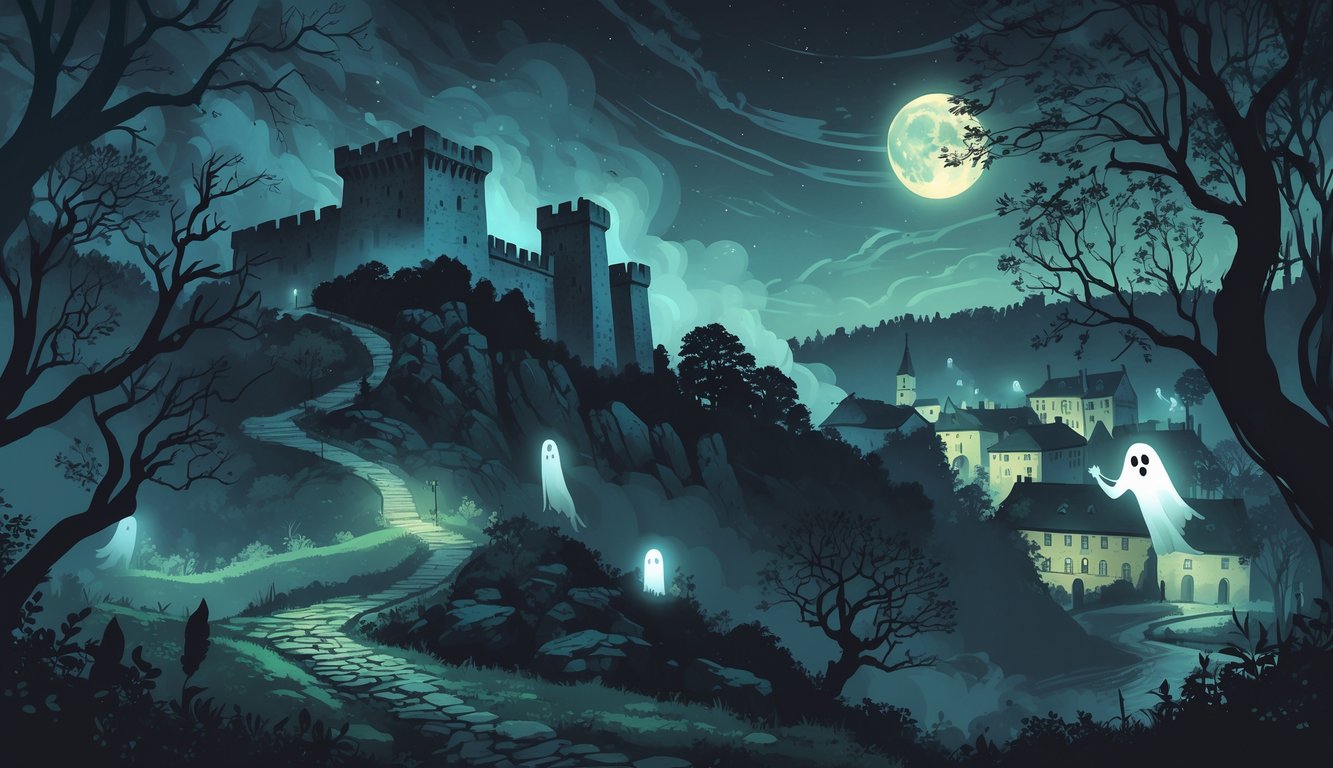
Slovenia is home to many haunted locations with stories that go back hundreds of years. Travelers visit these sites to see ancient castles or hear about strange ghostly apparitions that still spark curiosity today.
Notorious Haunted Castles
Slovenia has several ancient castles known for eerie legends and ghost stories. One of the most famous is Predjama Castle, built right into a cliff.
People say the spirit of Knight Erazem Lueger haunts the castle after his tragic death during a siege. Visitors sometimes claim to hear mysterious noises or see shadowy figures wandering the halls.
Other castles, like those featured in lists of haunted places in Slovenia, have stories of cold spots, sudden whispers, or objects moving on their own. The mix of history and mystery makes these sites popular for ghost hunters and history fans.
A few castles offer ghost tours, letting visitors explore at night and learn about the building’s haunted past. Many guests leave with their own stories of bumps and chills, adding more mystery to these old fortresses.
Chilling Tales from Kranj
Kranj, an old town in Slovenia, has stories of ghostly apparitions and haunted sites woven into its history. Locals say that some streets and old buildings in Kranj become especially eerie after dark.
The tales often include shadows moving in empty rooms or the feeling of being watched when no one is around. Old tunnels under Kranj add to the town’s spooky reputation.
People have reported hearing footsteps, whispering voices, and seeing strange lights in these underground passages. Some visitors believe these are the signs of restless spirits who never left.
Kranj’s mix of real historic places and ghost stories attracts those hoping for a spooky encounter.
War-Time Mysteries: World War I and II
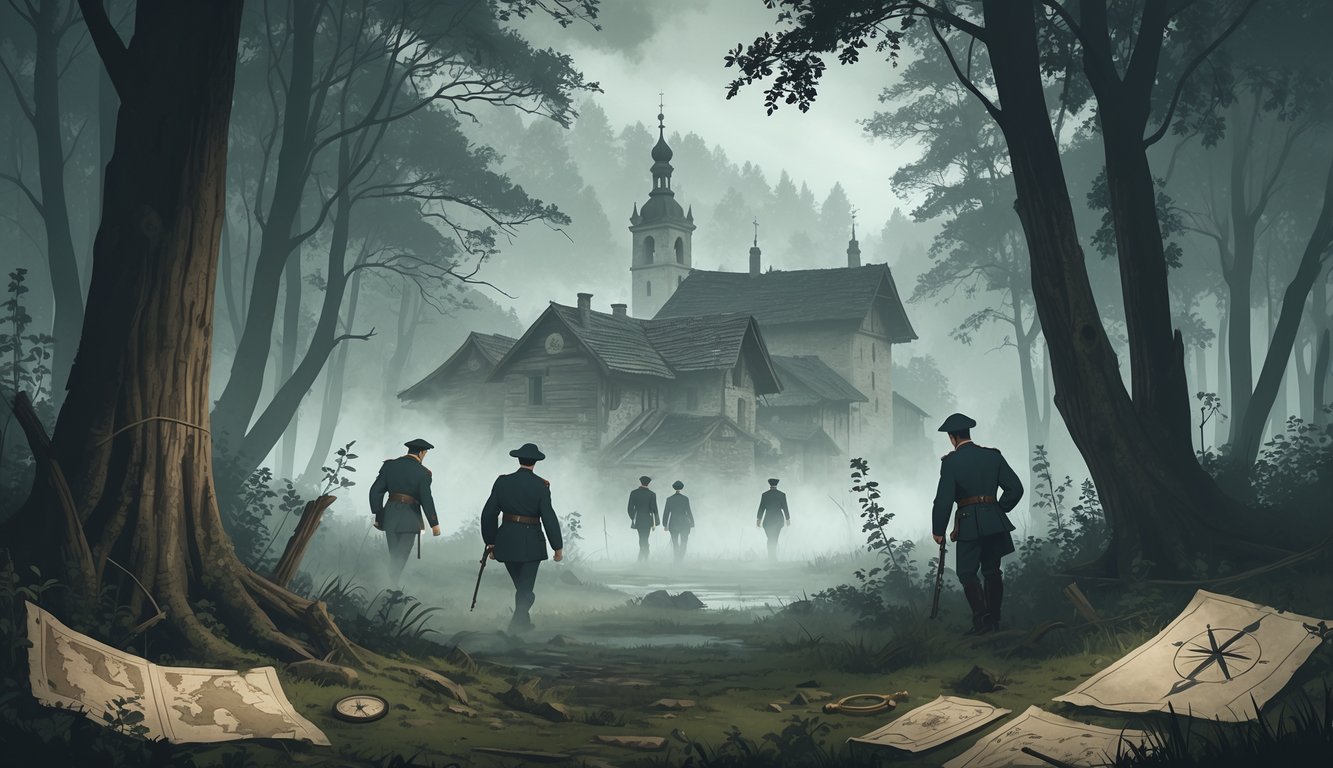
Slovenia’s wartime history is full of interesting questions and hidden secrets. Many stories center around items that disappeared without a trace and hidden spaces that still puzzle people today.
Vanished Artifacts from Kobarid
Kobarid, a small town near the Italian border, was a major site during World War I. The famous Battle of Caporetto happened here, leaving behind many artifacts from soldiers who fought on both sides.
After the war, locals and collectors found helmets, weapons, letters, and other items. Some of these objects went to the Kobarid Museum, but many pieces vanished or ended up in private hands.
The fate of some of these items remains unknown.
Main mysteries still remain:
- Lost medals said to be handed out during the battle have never been found.
- Personal diaries from unknown soldiers have disappeared.
- Rare weapons believed unique to the front lines have not resurfaced in any museum or collection.
Historians and museum staff still hope to recover these missing artifacts. These items offer clues about the lives of people during the war.
Secret Underground Bunkers
In World War II, Slovenia became home to secret underground bunkers built for protection and planning. Builders carved many of these shelters into hills or hid them beneath forests.
Some bunkers are now open to the public, but others have not been properly mapped or explored. Stories tell of forgotten tunnels stretching under towns, with rooms full of supplies or equipment left behind during the war.
Locals sometimes stumble across hidden entrances or strange objects while hiking.
A typical hidden bunker might include:
- Thick concrete walls
- Sleeping areas for soldiers
- Storage for ammunition and food
- Communication equipment
Today, people are still trying to find all the bunkers around old battle sites like Kobarid. These discoveries attract history lovers and treasure hunters who hope to solve some of Slovenia’s lingering war-time mysteries.
The Enigma of Gewerkenegg Castle and Idrija

Gewerkenegg Castle, with its Renaissance design, stands above Idrija as both a symbol of ingenuity and a source of questions. The town’s famed Idrija lace adds another layer of mystery, with its exact origins still debated today.
Cryptic Messages in the Castle Walls
Builders constructed Gewerkenegg Castle in the early 16th century to manage and store mercury from one of the world’s largest mines. The thick stone walls have seen centuries of mining secrets, business deals, and guarded information.
According to some local stories, miners and managers left hidden messages or symbols in the walls—codes only insiders could understand. Many of these markings are still visible today, but their true meaning remains unclear.
Historians examining the castle’s corridors and rooms often debate whether these marks were warnings, records, or simply doodles from bored workers. Ongoing research keeps visitors curious about what else might be discovered at this castle now housing the Idrija Municipal Museum.
Idrija Lace and its Hidden Origins
Idrija lace is famous worldwide for its delicate patterns and craftsmanship. Yet, there’s still debate about how lacemaking began in Idrija.
Some believe it arrived with miners or traders from abroad, while others argue it was developed locally, in secret, by women looking for extra income. Early records about the beginnings of Idrija lace are missing or unclear, fueling speculation about its real origin.
The castle’s museum features displays and workshops that try to piece together its story. Lace was once as valuable to the town as mercury.
Today, both the mining history and lace craft are linked to Gewerkenegg Castle. Visitors and experts come to solve these mysteries through exhibits, objects, and sometimes even whispers from the past.
The Shadow of Yugoslavia: Modern Mysteries
Slovenia’s path from a Yugoslav republic to an independent country led to many unanswered questions. The search for secret documents, missing artifacts, and the truth behind hidden operations still draws interest today.
Lost Relics of Slovenian Independence
During the breakup of Yugoslavia, many important objects and files tied to Slovenian identity disappeared. These include national flags, government documents, and historical items from the late 20th century.
Some of these lost relics vanished as Yugoslav officials tried to control symbols of power. Others disappeared during protests and chaotic military withdrawals.
The search for these items continues, with museums and historians hoping to restore lost pieces of their cultural heritage. The fate of certain documents—like details about early meetings with NATO or draft versions of Slovenia’s declaration of independence—remains unclear.
These records could offer insight into secret decisions and international relations during the tense transition period. Some monuments still stand as reminders across the land—see surreal monuments of Yugoslavia at rarehistoricalphotos.com.
Secret Intelligence Activities
During the Yugoslav era, secret police and intelligence agencies monitored citizens, especially those suspected of wanting independence or promoting Slovenian identity. The Yugoslav intelligence service, known as UDBA, tracked people and gathered information.
After independence, people learned more about these espionage activities, but questions remain. Many files are still classified or missing, raising suspicions about what the authorities wanted to keep hidden.
Former spies, politicians, and historians debate how much information about foreign agents, internal sabotage, and secret NATO contacts is still unreleased. Families often seek answers about lost loved ones who vanished during investigations or for their political beliefs.
Preserving Mysteries: Museums and Galleries Today
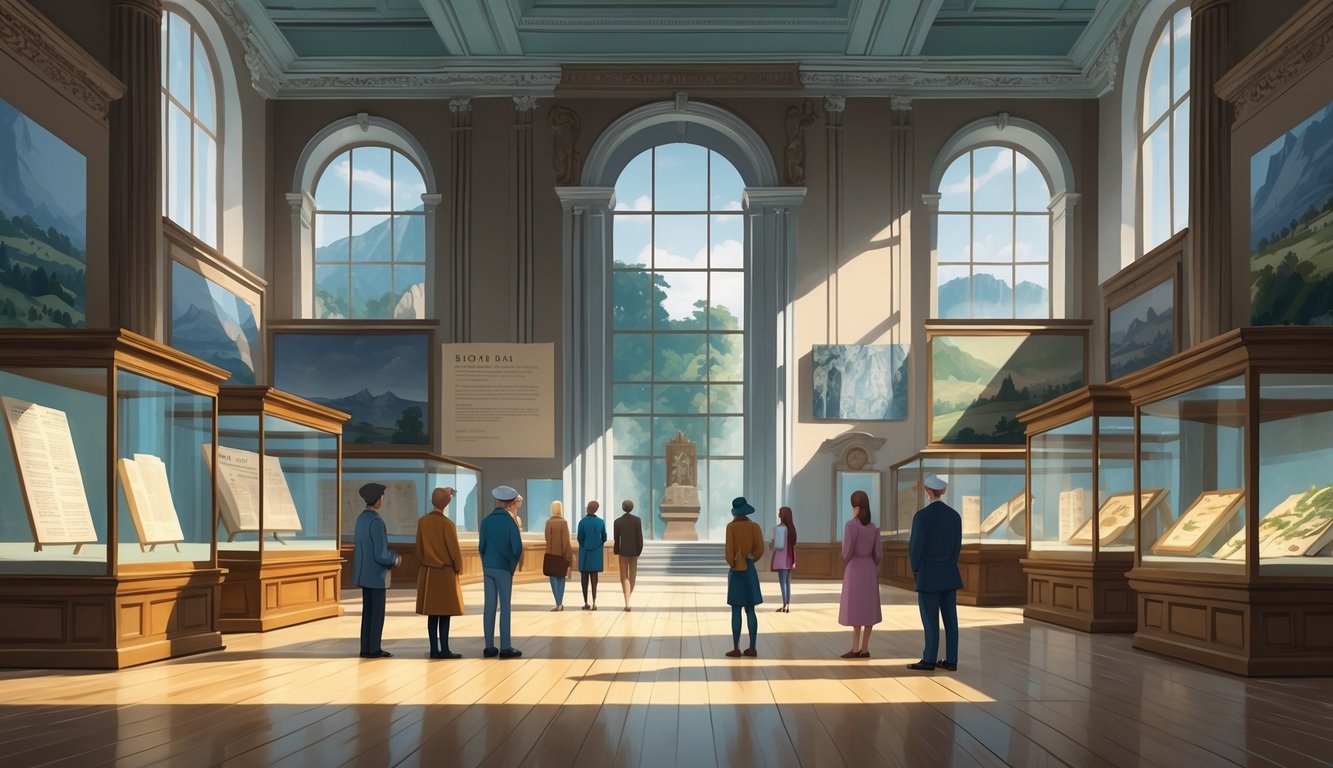
Museums and galleries across Slovenia help keep the country’s biggest historical mysteries alive. They use artifacts, documents, and multimedia displays to connect people to unsolved events from Slovenia’s past.
Showcasing Slovenia’s Darkest Secrets
Slovenian museums often dedicate special exhibits to puzzling stories and mysteries from the region’s history. The National Museum of Slovenia has permanent collections filled with ancient treasures, like mysterious bronze statues and carved stones found in caves and forests.
These museums sometimes focus on mysterious disappearances, ancient settlements, or lost manuscripts. Galleries also display paintings and old maps that hint at unknown places and forgotten events, sparking curiosity among visitors.
Many displays include detailed information, timelines, and short descriptions for easy understanding. Some offer guided tours or special talks where experts share updates on recent research and discoveries.
Popular mystery highlights in Slovenian museums:
- Ancient weapons with unknown owners
- Jewelry with secret symbols
- Mysterious cave drawings
- Unidentified medieval coins
Interactive Exhibits and New Discoveries
Interactive exhibits are becoming more common in Slovenia’s museums. Touchscreens and digital displays let visitors dig into stories about missing artifacts, unsolved crimes, or strange ruins without needing a guide.
Many galleries now feature virtual reality stations or 3D models. People can explore ancient sites or puzzle over hidden clues.
Sometimes, schools and families join workshops to solve “mini-mysteries” together.
Archaeologists often uncover mysterious artifacts. Museums quickly prepare spotlight exhibits or pop-up displays to showcase these finds.