Serbia is home to some of the most intriguing historical mysteries in Europe, with stories involving ancient legends, haunted places, and famous figures whose lives still raise questions today.
From eerie tales of vampires in the countryside to unsolved secrets hidden beneath Belgrade’s historic streets, these mysteries have puzzled historians and locals for generations.
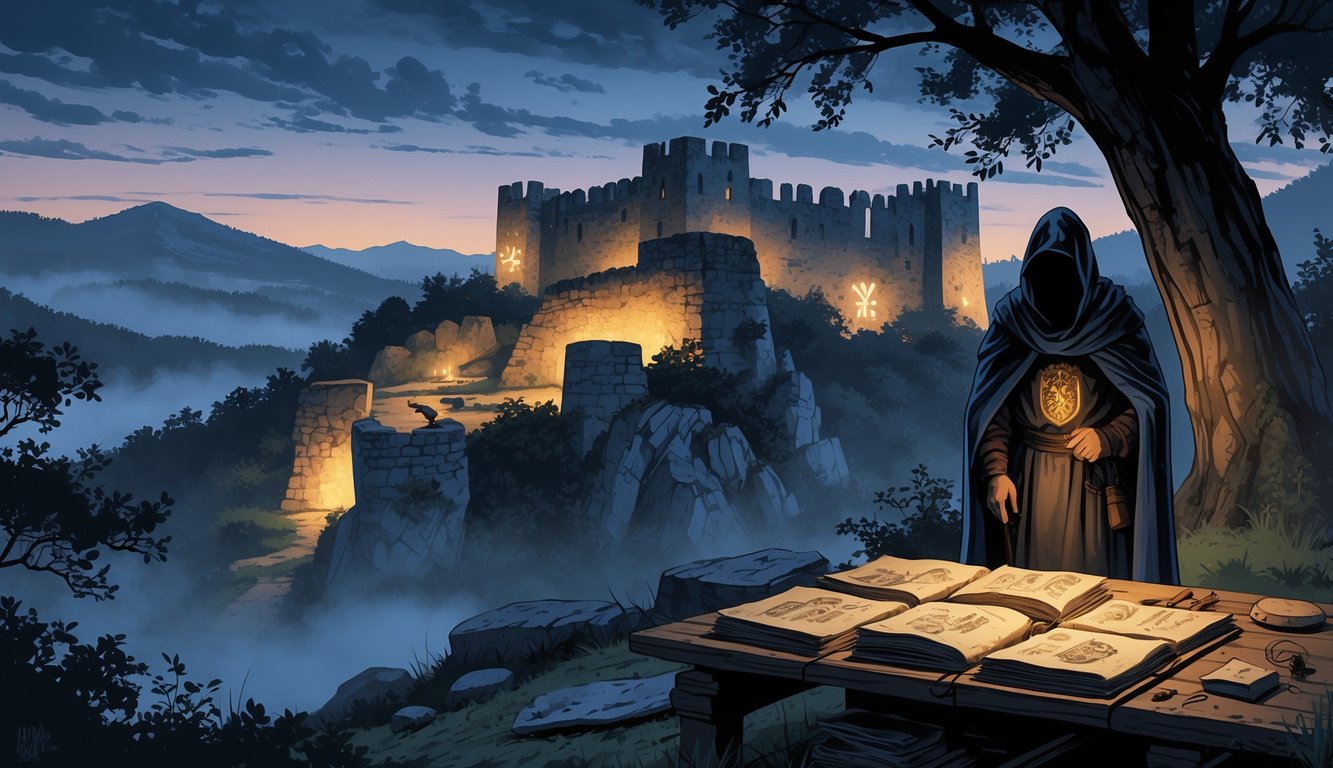
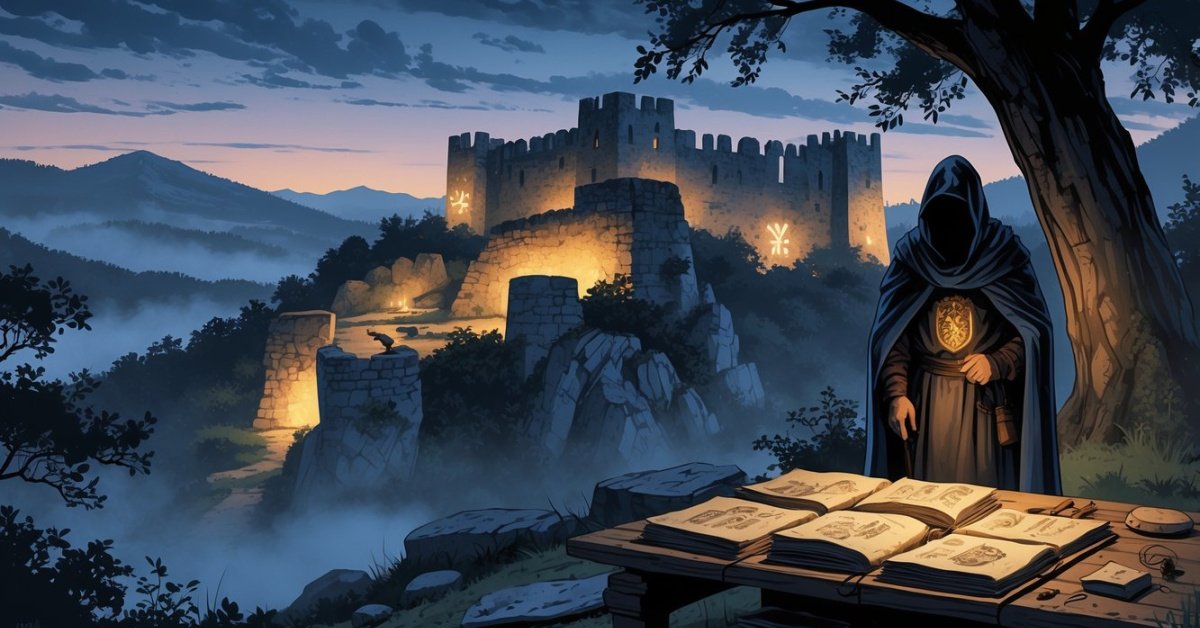
Some legends talk about mysterious fortresses on hills and rumors of secret passages under old cities.
Others focus on people like Miloš Obilić, a hero whose true story is still debated and linked to the famous Battle of Kosovo.
Paranormal fans will also find Serbia’s haunted locations filled with legends about ghosts and unexplained events.
Readers looking for a mix of history, legend, and a few chills can explore everything from vampire myths to haunted sites and ancient tales that make Serbia unique.
Lost Civilizations and Ancient Settlements
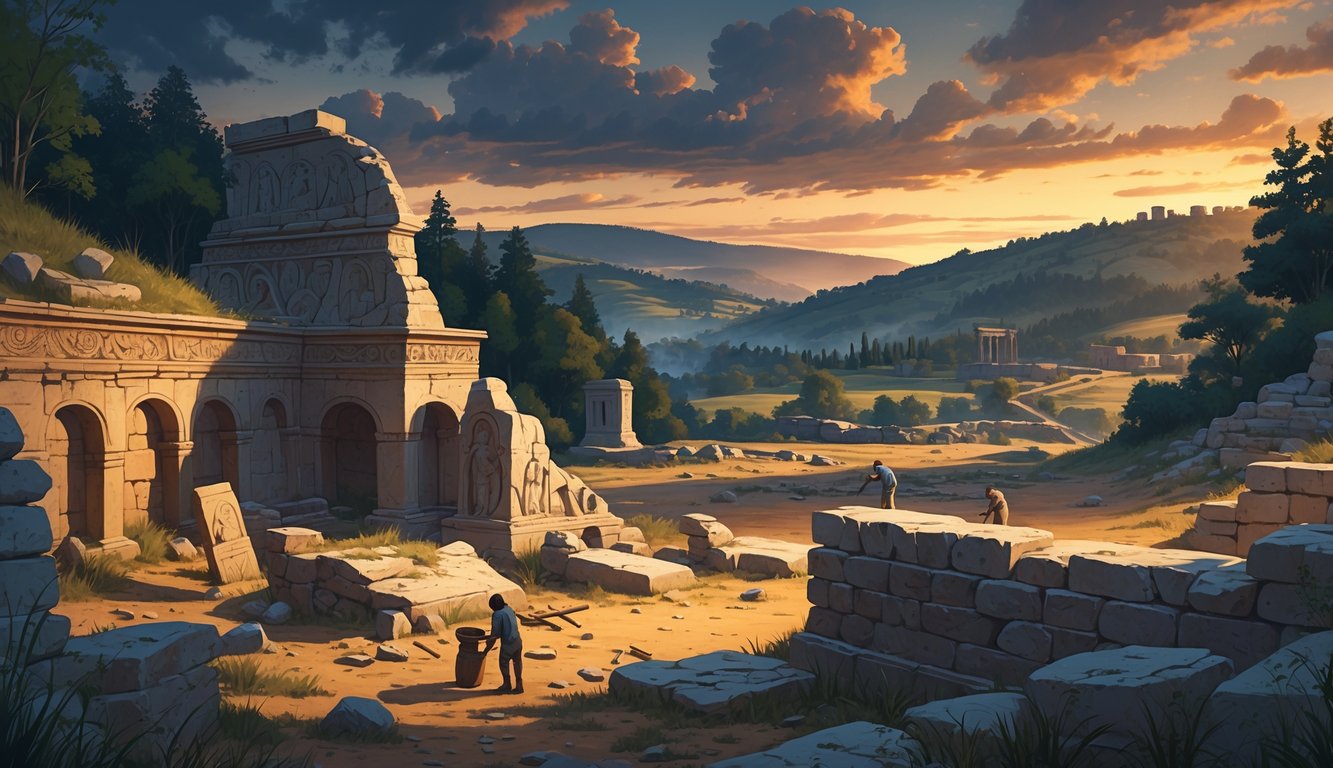
Serbia’s land holds stories of mysterious ancient communities, powerful fortresses, and cities buried beneath today’s streets.
From Stone Age villages to Roman rule, each discovery helps uncover how people lived, built, and survived long ago.
The Secret of Lepenski Vir
Lepenski Vir sits on the banks of the Danube River and is one of Europe’s oldest known settlements.
Built over 8,000 years ago, this site includes houses with unique trapezoid shapes and stone sculptures that show artistic skills.
Archaeologists uncovered several layers of settlements here, each revealing new tools, houses, and burial sites.
People at Lepenski Vir fished, hunted, gathered, and showed hints of early farming.
The famous “fish god” statues found here are unique in Serbia and Europe.
These objects offer clues about the spiritual world of early humans.
Singidunum: Beneath Modern Belgrade
Modern Belgrade sits atop the ancient city of Singidunum.
Centuries before today’s city existed, Celts founded a small fort on this spot in the 3rd century BCE.
The Romans arrived next and turned Singidunum into a well-defended military camp.
Under Roman rule, Singidunum grew into an important city at the edge of the Empire.
Roman legions built roads, baths, and fortress walls that formed the base of Belgrade’s famous fortress.
Today, visitors can see parts of the ancient city below Belgrade’s streets.
Remains include Roman tombs, mosaics, and coins.
Each find shows how the city has changed, from Celtic to Roman times, and finally to the present day.
Celtic Influences on Serbian Heritage
Celtic tribes moved into the region of Serbia around the 4th century BCE and left cultural marks that remain today.
The Scordisci were the main Celtic group in this area and founded the ancient city of Singidunum.
Artifacts like swords, pottery, and jewelry show how Celtic culture mixed with local traditions.
Certain place names and art styles in Serbia also trace back to Celtic roots.
This blend is seen most clearly at archaeological sites around Belgrade.
The Celts brought iron tools and new ways of building fortresses, some of which later influenced Roman designs.
The Celtic presence set the stage for new cultural developments before Roman rule.
Enigmatic Fortresses and Tunnels
Serbia’s historic sites hold centuries-old secrets.
Legends tell of hidden passages, secret societies, and unexplained events beneath city streets and famous strongholds.
The Mysteries of Kalemegdan
Kalemegdan Fortress in Belgrade is the site of many local legends.
It sits at the meeting point of the Sava and Danube rivers and has seen battles and empires rise and fall.
People have whispered about ghostly figures appearing at night and strange noises heard from underground.
Some believe mysterious groups like ancient masonry orders met in its darkest corners.
Stories also tell of secret rooms where treasures may be hidden.
Kalemegdan’s towers and dungeons are often linked to these tales.
Guided night tours often focus on the fortress’s haunted reputation.
People claim to have seen vague shadows, especially near old walls and watchtowers.
The folklore keeps the atmosphere alive, making the fortress a favorite spot for mystery lovers.
You can read more about these Kalemegdan legends.
Ancient Tunnels and Roman Well
Beneath Belgrade, a world of tunnels weaves through the earth.
Many believe that the underground passages date back to Roman times, built when the city was called Singidunum.
Some tunnels are closed off, but legends claim they connected forts, bunkers, and escape routes.
The most famous underground spot is the Roman Well, built in the 18th century.
Its depth and spiral stairs add to its mysterious feel.
No one really knows how deep the well goes or what secrets it holds.
Reports of people disappearing or feeling uneasy near the well fuel its reputation.
A few tunnels are said to have hidden valuables, supply routes, or served as meeting spots for secret societies.
For more details about these underground sites, visit this guide to Belgrade’s tunnels and Roman Well.
The Riddle of Mountain Rtanj
Mountain Rtanj stands out in eastern Serbia for its unique shape and long-standing mysteries.
Many visit the area not just for its natural beauty but also for the strange stories and legends that fascinate people today.
Pyramid Shaped Mountain or Natural Wonder?
Rtanj rises sharply from the plains, with its highest peak called Šiljak.
Its almost perfect pyramid shape leads some to believe it could be a man-made structure.
This shape has sparked curiosity and conspiracy theories.
Some suggest it hides an ancient pyramid built by a lost or even an alien civilization.
Archaeologists say Rtanj is a natural geological formation made by tectonic forces over millions of years.
The steep slopes and geometric appearance make it a striking sight.
People are drawn to the mountain not just for hiking, but to see if there’s more beneath its surface.
The pyramid debate keeps attracting both scientists and adventure seekers.
Unsolved Legends and Energies
Rtanj is also famous for its many legends.
Locals tell stories about hidden treasure buried inside the mountain and fiery spheres floating above its peak.
Some describe strange lights at night that no one has explained.
There are claims that Rtanj gives off a kind of positive or healing energy.
Many visitors say they feel more refreshed or calm after spending time there, although there is no scientific proof.
The mountain is covered with wild medicinal herbs, which adds to its reputation as a place of natural healing and mystery.
People keep searching for answers about Rtanj’s secrets while enjoying its quiet forests and dramatic views.
Whether someone believes the legends or just wants to hike and enjoy the view, Rtanj remains one of Serbia’s most intriguing places.
Forgotten Treasures and Hidden Riches
Stories about lost treasures and secret riches keep many history lovers interested in Serbia.
Ancient military forces and crumbling fortress walls have inspired searches for gold, hidden rooms, and forgotten relics for centuries.
Treasure of the Roman Legions
Roman soldiers marched through the Balkans, including much of present-day Serbia, carrying their valuables with them.
As battles raged and empires changed, many believe that some of their gold, coins, and artifacts were left behind.
These rumors have led treasure hunters to search fields and riverbanks, especially near sites where Roman roads and camps once stood.
Some believe that the largest secrets are hidden around Sirmium, once one of the empire’s most important cities.
According to old tales, Romans often buried their riches to protect them from invaders.
So far, only a few hoards of coins and military gear have been uncovered.
Many locals still claim more might wait to be found beneath Serbia’s soil, calling curious adventurers from all over the world.
Famous Roman finds in Serbia:
- Gold and silver coins
- Weapons and armor
- Everyday tools and jewelry
Secrets Beneath Medieval Fortress Ruins
Serbia’s landscape is scattered with the remains of medieval fortresses.
Each stone wall and underground tunnel sparks legends about precious items hidden during times of war or peace.
Many stories focus on places like the Kalemegdan Fortress, where mysteries still linger, especially around the deep Roman well.
Some ruins are said to have secret passageways, forgotten chambers, or sealed vaults beneath them.
Local legends suggest that fleeing knights or noble families hid their fortunes inside these strongholds, hoping to recover them later.
Over the years, explorers have found objects like old coins, weapons, and household goods.
No grand treasures have been officially discovered, but the tales continue to fuel excitement and exploration in these historic places.
Key fortress mystery sites:
- Kalemegdan Fortress, Belgrade
- Maglič Fortress, near Kraljevo
- Smederevo Fortress, on the Danube River
Supernatural Legends and Folklore
Serbian history is full of stories about supernatural beings.
These legends include vampires and other creatures that were thought to haunt villages and forests.
Vampire Tales: Sava Savanovic and Petar Blagojevic
Vampires are a famous part of Serbian folklore.
The word “vampire” comes from Serbian and spread across Europe in the 18th century after reports of supposed vampire attacks made headlines.
One of the most well-known figures is Sava Savanovic.
According to legend, he lived in an old watermill near the village of Zarožje.
Villagers believed he drank the blood of local millers at night.
People were so afraid that the mill was avoided for many years.
Another important name is Petar Blagojevic from the village of Kisiljevo.
After his death in 1725, several villagers died mysteriously.
Locals believed Blagojevic had returned as a vampire and caused these deaths.
These rumors led to one of the earliest and best-known vampire cases reported in Europe, helping to shape how vampires were seen outside Serbia.
More about these stories can be found on Serbia’s vampire legends.
Other Mythical Creatures in Serbian Folklore
Serbian folklore features many supernatural beings. Dragons are powerful creatures often connected to storms, mountains, and important heroes.
They can be protectors but sometimes cause trouble for humans. There are also stories of forest spirits and beings who live in rivers and caves.
These creatures sometimes protect nature but can punish those who disrespect it. Tales often warn children not to wander too far from home at night.
Stories about magical animals, lost travelers, and talking trees show the creativity in Serbian mythology. These legends mix Slavic pagan beliefs with later Christian ideas.
For more details on these myths, visit this page about mythical beings in Serbian folklore.
Monuments With Unsolved Origins
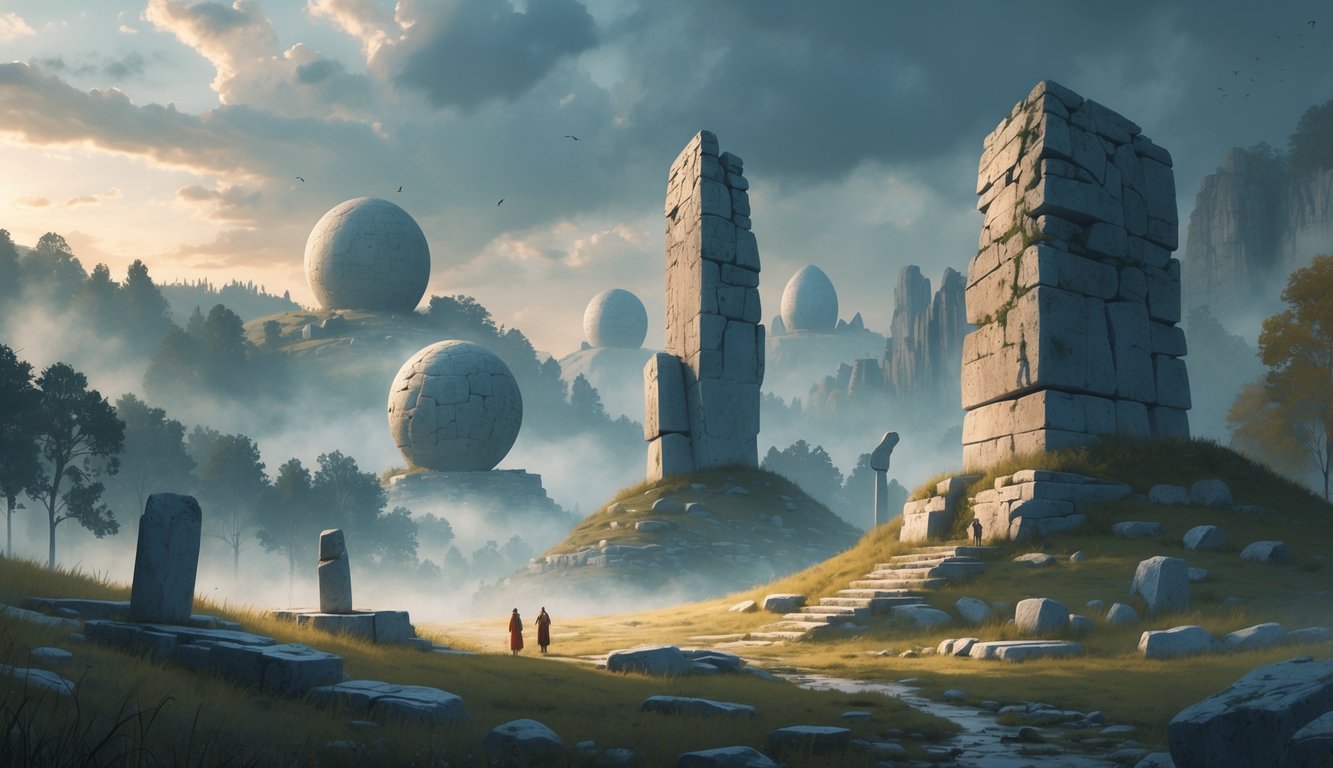
Serbia is home to monuments with mysterious backgrounds. Even basic facts like their origins or symbolism remain unclear.
These sites invite both visitors and locals to wonder about their true history and hidden meanings.
Monument to the Unknown Hero
The Monument to the Unknown Hero stands on the top of Avala Mountain near Belgrade. Built to honor unidentified soldiers from World War I, it was designed by the sculptor Ivan Meštrović in the 1930s.
Its dark granite and grand steps make a strong impression on those who visit. While the purpose is clear, the identity of the “unknown hero” remains a mystery.
Local legends suggest secret tunnels under the monument and links to ancient fortresses, including the demolished Zrnov Fortress that once stood here. The monument’s unusual mix of architectural styles has sparked debate among historians.
Some people believe the site has even older roots connected to Roman or Celtic settlements. These stories add to the monument’s intrigue.
For more details on this place’s hidden stories and links to Serbia’s past, see the coverage about the mysterious fortress of Zrnov and the Monument to the Unknown Hero.
Ivan Meštrović’s Symbolic Works
Ivan Meštrović’s design choices often blend powerful national symbols with international art styles. On Avala, his sculptures display a mix of traditional Serbian and modernist features.
Many experts are still unsure why he picked certain symbols, such as sphinx-like female figures at the monument. These figures don’t appear in other Serbian memorials.
There are questions about whether Meštrović intended hidden messages or political meaning in his design. Some theories claim he tried to connect Serbia’s history with universal themes of sacrifice and mystery.
The monument’s setting on a historic hill, together with symbols from both prehistoric and modern times, gives the site a unique sense of mystery. Visitors continue to debate what the art truly means and what secrets still lie beneath the stone.
Mysterious Events of World War II
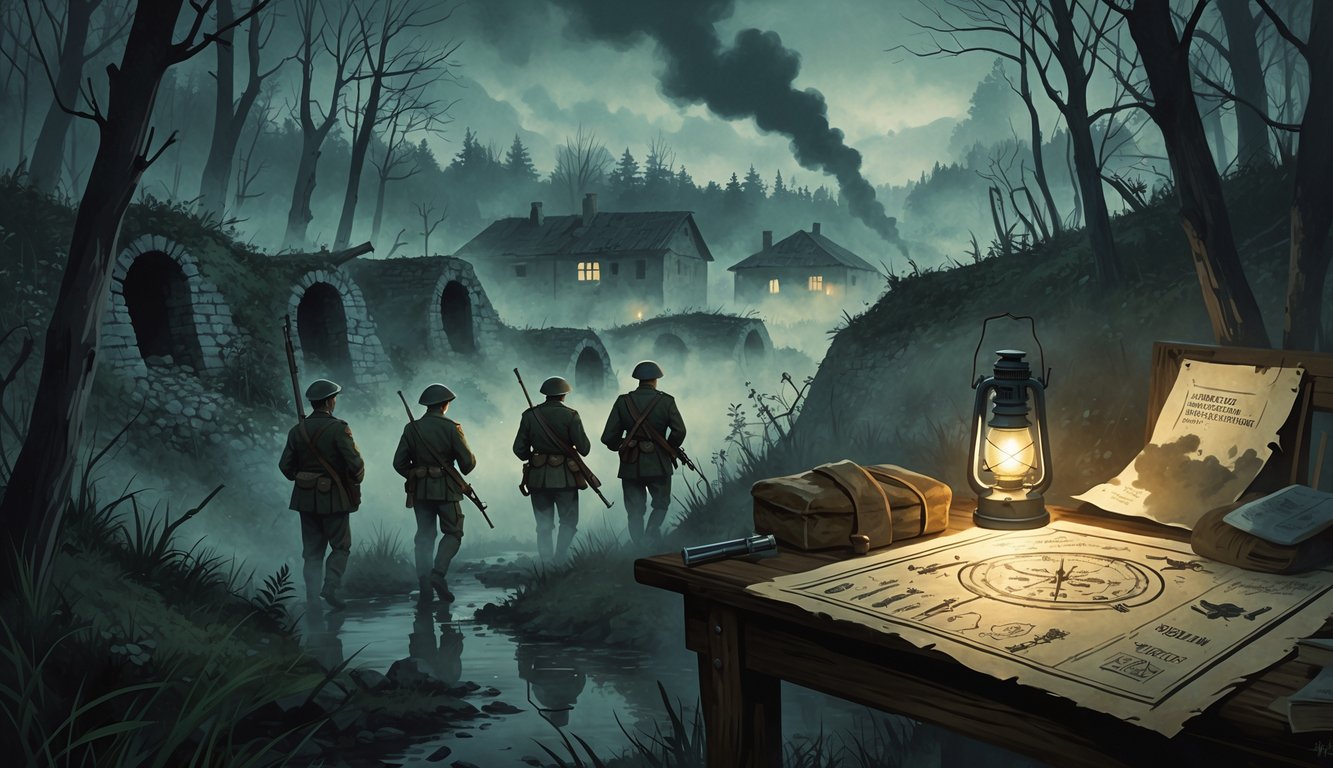
During World War II, Serbia saw unusual disappearances and unexplained happenings. Several mysteries from this period puzzle historians today.
Disappearance of Artifacts and Treasures
World War II led to a wave of lost treasures throughout Serbia. As Nazi forces moved through the region, they took valuable items from churches, museums, and castles.
Valuable objects such as paintings, gold, and sacred books went missing and have never been recovered. Local stories claim that retreating Axis soldiers hid crates filled with gold and art somewhere in the Serbian countryside.
Some explorers have tried to find these hidden stashes, but little evidence has turned up. Rumors suggest that some treasures ended up in secret collections or were sent abroad, sparking modern-day conspiracy theories about their fate.
Lists of lost treasures are kept in museums, but answers remain out of reach.
Unexplained WWII Incidents
In addition to missing valuables, Serbia witnessed strange and unexplained incidents during the war. For example, people reported mysterious aircraft flying over the country at night with no clear origin or purpose.
Some described seeing ghostly planes that vanished without a trace. Other stories tell of secret tunnels and abandoned underground bunkers built by both Allied and Axis powers.
Locals believe these tunnels were used to hide people, weapons, and even treasures. While some of these sites have been found, many remain uninvestigated.
Events like suspicious disappearances, sudden attacks, or the loss of entire military units add to the long list of unsolved WWII mysteries connected to Serbia.
Unexplained Megaliths and Geoglyphs
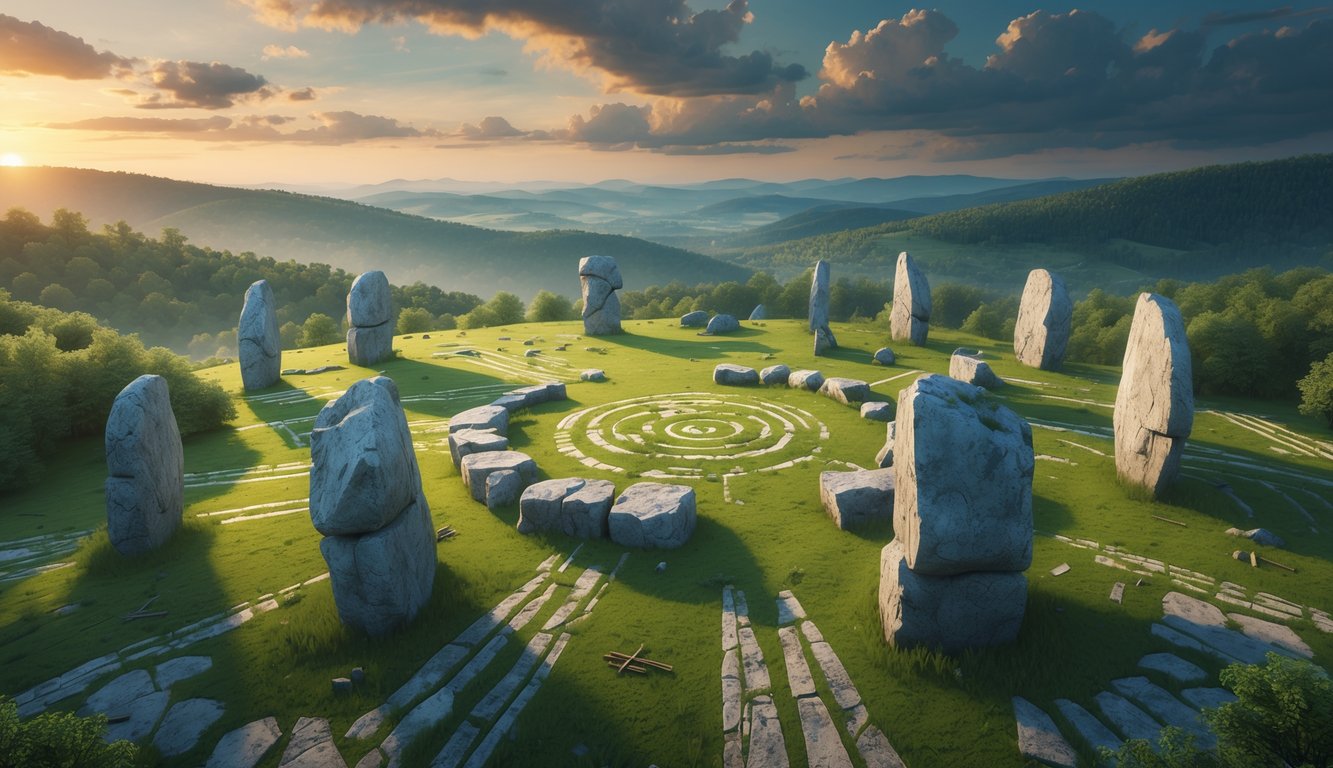
Serbia has several puzzling ancient sites. Some feature huge stones arranged in circles.
Others show strange ground patterns visible best from above.
Stonehenge of the Balkans?
Serbia’s Rajac Tumuli sometimes earns the nickname “Stonehenge of the Balkans.” This prehistoric monument is a group of stone mounds found near the eastern border.
Dozens of round and oval tumuli stand close together, made from heavy stones that early people somehow moved without modern tools. Archaeologists still debate the purpose of these mysterious stones.
Some believe they are burial sites, while others think people used them for rituals or astronomy, similar to Stonehenge in England. Locals have long told stories about the site.
Some legends link these mounds to ancient kings or warriors. Visitors sometimes notice how the tumuli line up with the sun at certain times of year.
These megaliths remain an enigmatic part of Serbia’s history.
Possible Geoglyphs in Serbian Landscape
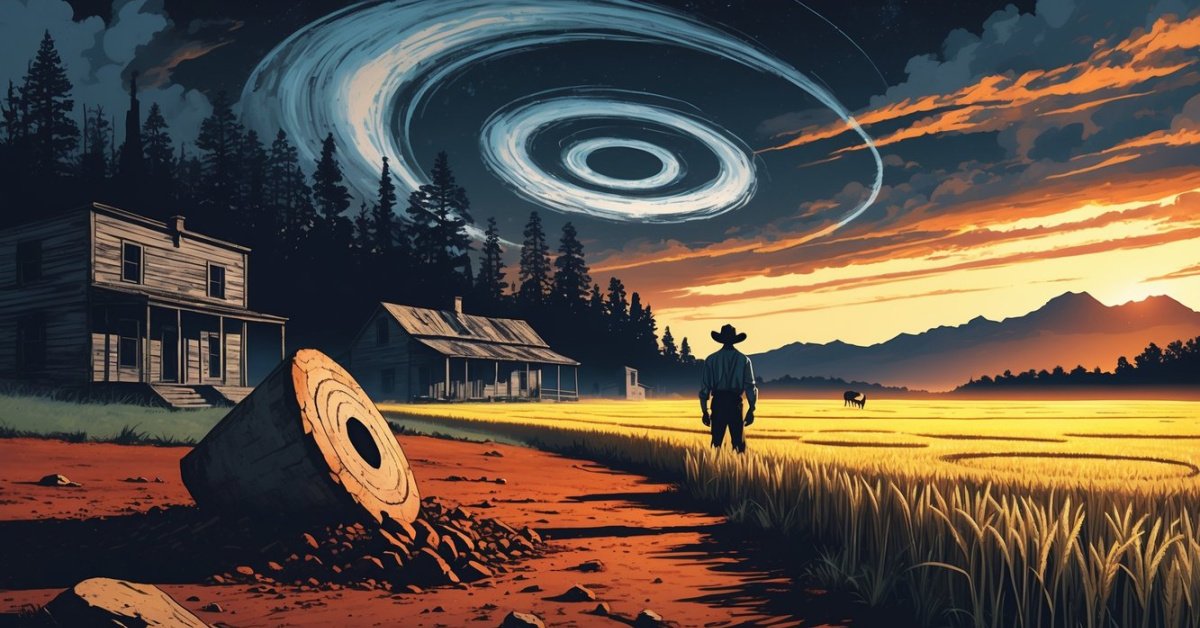
Across the Serbian countryside, some people have spotted ground patterns that look unusual from the air. These could be geoglyphs—large designs or shapes made in the earth, similar to Peru’s famous Nazca lines.
There is still debate if these truly count as geoglyphs or are just natural formations. A few lines and circles have reportedly appeared in fields near the Danube and the Pannonian Plain.
Aerial photos sometimes show shapes that cannot be seen from the ground. Some believe ancient people made these for religious or astronomical reasons.
Archaeologists have not fully studied all reports. Until experts investigate further, these potential geoglyphs add another layer of mystery to Serbia’s landscape.
Alien Encounters and Unusual Phenomena

Stories of alien sightings, unexplained lights, and theories about extraterrestrial visitors have become part of Serbia’s cultural landscape. Mountain Rtanj, in particular, stands out for the number of reports and legends tied to strange phenomena in the area.
Alien Sightings Linked to Rtanj
Mountain Rtanj is often called the “Serbian pyramid” because of its unique, pointed shape. Locals and visitors have reported seeing odd lights, sudden changes in weather, and unexplained sounds around the mountain’s slopes.
Some claim to have witnessed flying objects or formations of strange lights above Rtanj, especially at night. These reports have fueled discussions among believers and skeptics.
Many share their experiences in forums and local gatherings. Some stories even mention close encounters of the third kind, but most sightings remain anecdotal and unverified.
People attracted to Rtanj hope to experience these phenomena for themselves. The area has become popular with conspiracy theorists, mystery fans, and travelers looking for alien-related adventures.
Despite numerous accounts, scientific explanations for the events at Rtanj are still lacking.
Extraterrestrial Theories Around Serbian Mysteries
Beyond sightings, broader theories suggest alien civilization and secret activities in Serbia. Some legends claim that Rtanj is hollow inside and may be a base for aliens or even a “star gate” connecting to other worlds.
These ideas are part of local folklore and have inspired books, films, and many online debates. A few theorists point to historic and mysterious structures in Serbia and claim that ancient builders had help from extraterrestrials.
There are also claims that supposed UFO sightings in places like Belgrade add weight to these theories. Common conspiracy theories in Serbia include stories of hidden passages, time capsules, and secret societies linked with alien contact.
Although these ideas are not backed by solid evidence, the blend of history, legend, and mystery keeps them alive in popular culture.
Impact of Religion and Christianity on Serbian Mysteries
Christianity shaped much of medieval Serbia. The religion left behind clues, stories, and artifacts that raise questions even today.
Ancient churches and hidden symbols often connect directly to mysterious events or unexplained features in Serbian history.
Hidden Christian Relics
Researchers have found Christian relics in remote monasteries, caves, and even old village houses. Many of these items—crosses, icons, books—date back to medieval Serbia.
Their locations are often strange or difficult to access. This suggests people hid them during times when Christianity was under threat, especially during the Ottoman period.
Some relics carry unclear markings or styles not typical for Serbian Orthodox art. This points to outside influence or secret groups.
For example, stories tell of items connected to the Knights Templar, though this is debated. Locals in certain regions still speak about gold crosses or holy relics that vanished or were buried to keep them safe during invasions.
These hidden objects add to the mysteries because their full histories are not recorded. The search for hidden Christian relics remains a part of Serbian culture and folklore today.
Many historical churches and monasteries are rumored to hide secret chambers or tunnels filled with religious artifacts, waiting to be found.
Church Symbols in Ancient Serbian Sites
Churches and monasteries across Serbia often display symbols carved into stone walls, columns, or frescoes. Some symbols are common in Eastern Christianity, such as the cross or images of saints.
Others remain unexplained or rare outside of medieval Serbia. Some symbols and carvings mix Christian themes with local pagan elements.
This blend suggests that religions continued to merge during the Middle Ages. Unusual motifs, such as double-headed eagles or geometric codes, still interest researchers.
These designs might hold messages from the time when Christians tried to preserve their faith under Ottoman rule. Lists of mysterious symbols found in Serbian church sites include stylized crosses with unknown markings and intertwined serpent shapes.
Researchers also find unique star patterns and letters or codes not used in ordinary church writing. Discoveries like these spark debates about their purpose.
Some believe these symbols guarded secret knowledge or marked places of refuge. For a closer look at these influences, Evangelical Times discusses how the Serbian Orthodox Church shaped the region, both openly and through art and symbols, especially during the Ottoman era.