Liberia’s history is full of events that still raise questions today. Some of the biggest historical mysteries in Liberia include the fate of important leaders, unexplained disappearances, and secrets from its time as the first African republic founded by freed American slaves.
These puzzles continue to shape how people see Liberia’s past and present.
Many wonder what really happened to President Samuel K. Doe’s remains and why answers have never been clear. Stories like this pull people in and keep the past alive.
Liberia’s journey from colonization to independence and beyond fascinates many. These greatest mysteries in Liberian history invite exploration and discussion.
The Enigma of Liberia’s Founding
Liberia’s origins began as a bold social experiment. American ideals, African hopes, and international politics all played a part.
The formation of the first African republic brought together freed African Americans, local communities, and outside interests. These events raised questions that still linger today.
Origins and the American Colonization Society
In the early 1800s, the American Colonization Society (ACS) looked for solutions to what they called the “problem” of free African Americans. The ACS wanted to resettle free African Americans outside the United States and saw West Africa as a possible home.
Abolitionists and slaveholders in the ACS had different motives. Some wanted to end slavery, while others hoped to remove free Black people from American society.
With fundraising and political support, the ACS arranged the 1821 purchase of land that became Monrovia. This move started a new chapter in the history of Liberia.
The society claimed that the project was inspired by the “love of liberty.” At the same time, it forced many tough choices about belonging, power, and identity.
The Role of African Americans and Self-Determination
African Americans who traveled to Liberia brought dreams of self-rule and freedom. They faced huge risks—disease, harsh climate, and unfamiliar land.
Many saw Liberia as a chance to form a society where they could govern themselves and escape racism in the United States. Once they arrived, the settlers created new systems for government and daily life.
Their relationship with Liberia’s Indigenous groups was complex. Tensions grew as American settlers tried to build a republic shaped by American laws and customs, sometimes pushing aside local traditions.
Liberia declared itself independent in 1847 and became the first African republic. Its Declaration of Independence echoed American ideas and set the stage for new challenges.
Virginia Connections and the First Republic
Virginia played a key role in Liberia’s early history. Many early settlers and leaders—including several presidents—came from Virginia.
This connection shaped Liberia’s first government. These Americans brought Virginian traditions, architecture, and even town names with them.
The Americo-Liberians, mostly from the American South, built much of their society to mimic the United States. The first president, Joseph Jenkins Roberts, came from Norfolk, Virginia.
The new republic established an elected government, but Americo-Liberians often controlled it. Divisions between settlers and Indigenous communities remained.
The result was a unique blend of American and African customs. These foundations have had lasting impacts on Liberia’s development.
Indigenous Cultures and Early Interactions
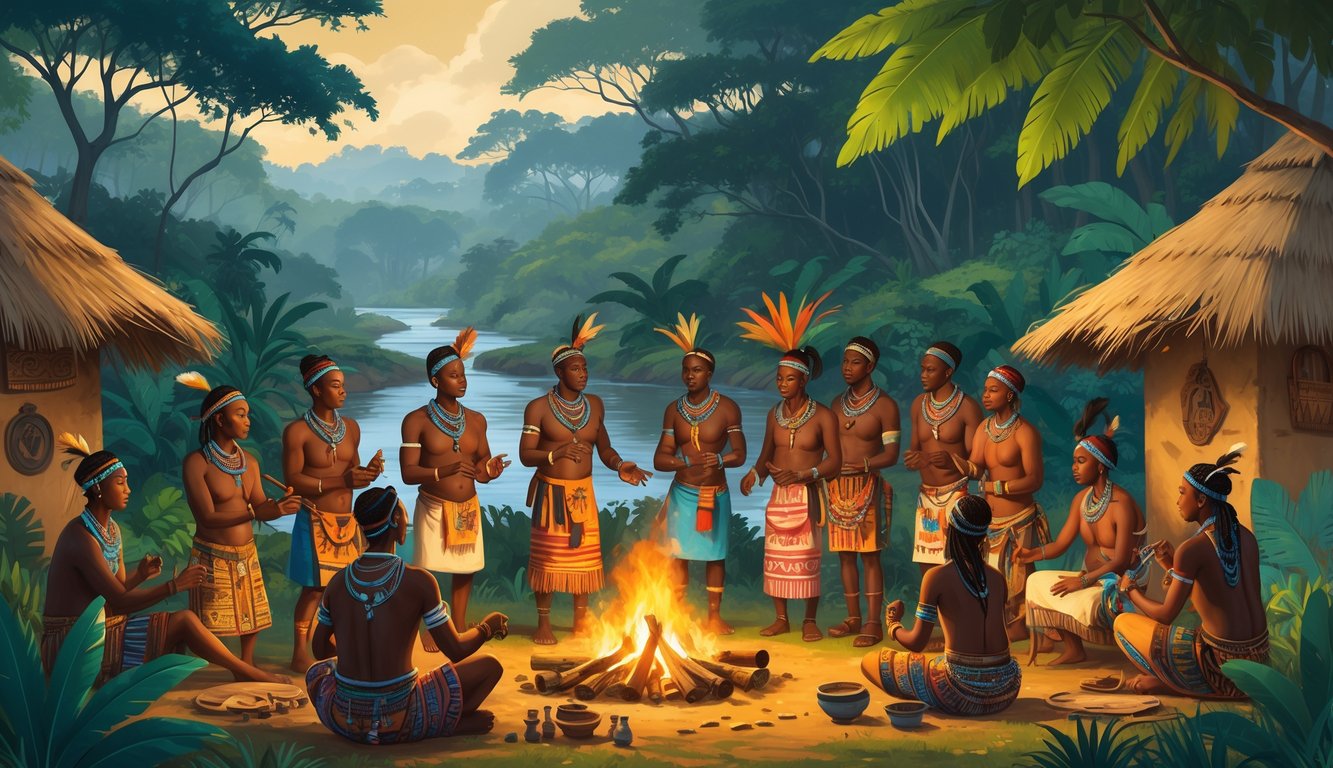
Liberia’s history is shaped by its indigenous peoples, long before the arrival of settlers. Their traditions and stories shaped the country’s identity.
Questions remain about early relationships and group origins.
Mysterious Early Ethnic Groups
Liberia’s story begins with its original inhabitants. The land was home to many distinct ethnic groups including the Dei, Gola, and Kru.
Historians still debate where these groups first came from. Some say they migrated from inland Africa, following rivers and trade routes.
Others claim they were always part of the region’s forests and coasts. Their languages and oral legends give us clues, but there are still gaps.
Archaeological evidence is limited. Many details about their origins and early movements are still unknown.
Bassa, Kpelle, and Loma Traditions
Among Liberia’s largest indigenous groups are the Bassa, Kpelle, and Loma. Each group has its own language and customs.
The Bassa are known for their unique writing script and strong oral storytelling. The Kpelle are famous for their farming skills and the Sande and Poro societies.
The Loma are skilled hunters and have rich musical and dance traditions. Elders play a big role in all these cultures, keeping oral histories and passing down important stories.
These traditions help preserve identity and guide younger generations. Learn more about these tribes’ traditions and customs.
Indigenous and Settler Relations
Freed African Americans began settling in Liberia in the early 1800s. Their arrival led to complex relationships with the indigenous population.
At times, there was conflict over land and leadership. In other cases, the two groups traded goods, ideas, and customs.
The social and political balance was often tense. Settlers claimed power, while indigenous peoples worked to keep their traditions and rights strong.
Over time, some traditions blended, but deep differences remained. Liberia’s culture today reflects both the influence of its indigenous groups and the legacy of these early interactions.
Further reading on the history and culture of indigenous peoples in Liberia helps explain these enduring connections.
Secrets of Liberia’s Coastline and Settlements
Liberia’s shoreline holds clues to early trade, cultural changes, and population shifts. The coast, touched by the Atlantic Ocean, is central to Liberia’s history and the rise of cities like Monrovia.
Atlantic Ocean Influence
The Atlantic Ocean has shaped Liberia’s coastline and life along its shores. For centuries, strong ocean currents carried traders, explorers, and invaders to Liberia’s beaches.
Early communities grew around fishing and salt making. These activities became important for the local economy.
The coastline also encouraged contact with European traders as far back as the 15th century. Goods like ivory and spices went out, while cloth and metal tools came in.
Some ancient settlements still show signs of these early exchanges, including shell mounds and remnants of trade posts. The Atlantic’s tides continue to shape the land and provide a living for many Liberians.
Storms and erosion threaten old settlements, making coastal preservation a modern challenge. For more on how Liberia’s coast has influenced history, see a guide to the cultural heritage along Liberia’s shoreline.
Unresolved Settler Mysteries Along the Coast
Liberia’s coastline holds secrets about its first settlers, especially those who arrived before the modern era. Archaeologists have found traces of early villages but know little about the ancient people who lived there.
Some believe these groups migrated from the interior or sailed over from neighboring regions. Remains of stone tools and pottery show a network of communities near the coast.
When freed American slaves began settling in Liberia in the 1800s, they met local people whose ancestors had called the coastline home for hundreds of years. But questions remain: Did the earlier coastal groups disappear, or did they blend into later populations?
Maps and journals from early explorers hint at lost towns and vanished names. Erosion, dense forests, and scattered artifacts make research difficult.
New discoveries may help answer how these early settlers lived and interacted.
Monrovia’s Origins and Transformation
Monrovia, Liberia’s capital, began as a small coastal settlement in the early 19th century. Its spot near the Atlantic Ocean offered easy access for ships and trade.
The name “Monrovia” honors James Monroe, a U.S. president who supported efforts to resettle freed African Americans in Liberia. Growth in Monrovia was fast, shifting from wooden huts to stone buildings within a few decades.
As more settlers arrived, the city expanded along the coastline, swallowing older fishing villages in its path. Early records mention markets bustling with traders from both Africa and the Americas.
Monrovia’s identity changed as new groups arrived, including freed slaves, European merchants, and local tribes. This blend set the stage for its rise as a center of politics and commerce.
Today, Monrovia’s growth still depends on its historic shoreline. Many neighborhoods trace their roots back to the first landing spots used by settlers.
Learn more about Monrovia’s early development and origins.
The Puzzle of Political Structure and Governance
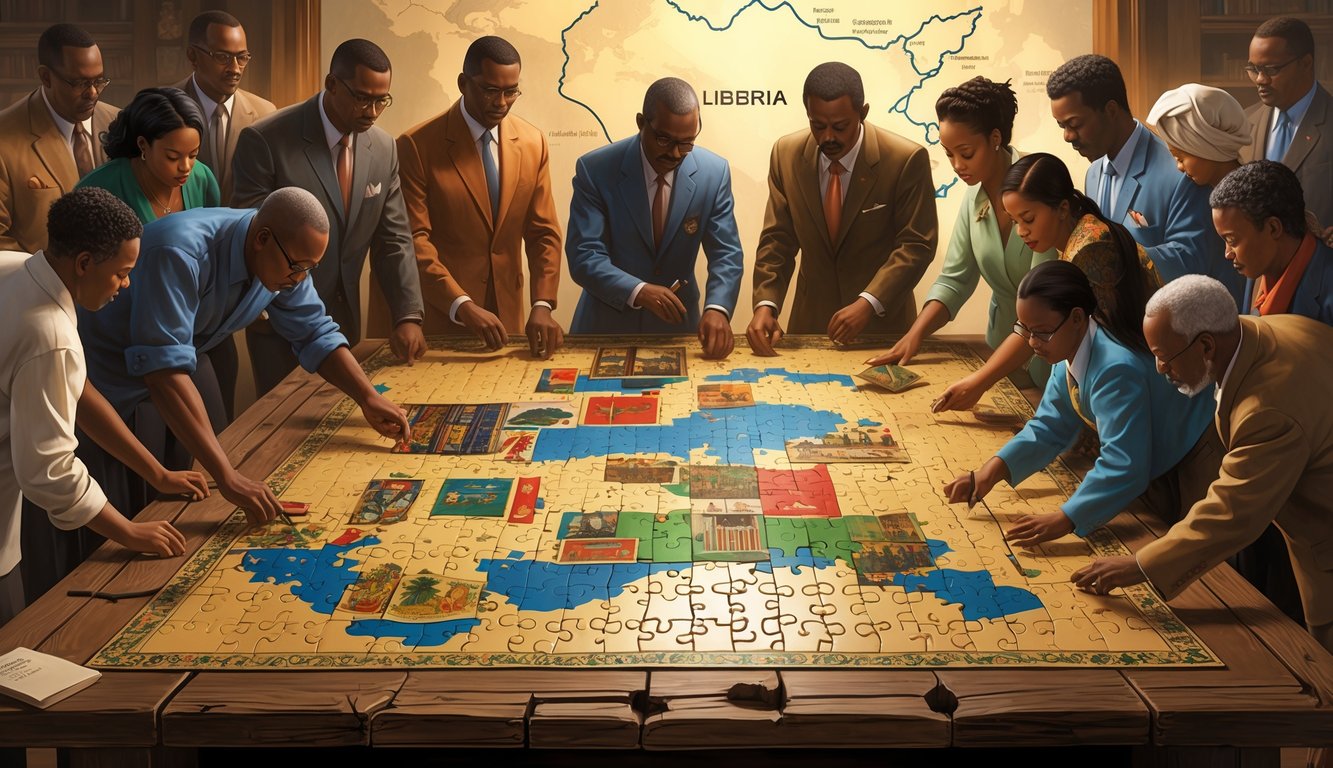
Liberia has faced complex issues in setting up its political structure since its founding. Key moments in its history have shaped the paths of governance and created disputes.
Questions about power still puzzle researchers today.
Rise of Americo-Liberian Power
Americo-Liberians, descended from formerly enslaved people who settled in Liberia, played a central role in shaping the country’s political system. They established a government influenced by American ideas and set themselves apart from indigenous communities.
These settlers controlled most leadership positions, resources, and laws for over 100 years. A small elite class, the Americo-Liberians made decisions that affected all citizens but often limited the involvement of local ethnic groups in politics.
Their dominance kept indigenous groups out of key roles, fueling tensions and a feeling of exclusion. This divide set the stage for future unrest.
The government structure during much of Liberia’s early history mirrored the U.S. but lacked broad representation. Real influence was often in the hands of only a few.
Governance Challenges and Disputes
Liberia’s governance has faced repeated challenges with stability and fairness. The exclusive rule of Americo-Liberians created ongoing disputes about who should have political power.
Conflicts over land, ethnic inclusion, and state resources grew sharper as more people called for a fairer system. The lack of inclusion led to protests, coups, and civil wars.
These disputes often centered on government structure—such as questions about how leaders are chosen and who truly represents the people. Some of these issues are highlighted in historical reviews, which show the challenges of uniting a country with deep divides between settlers and indigenous groups.
More on these events and their long-term impact can be found in this historical overview of governance in Liberia.
Unsettled arguments over power-sharing and constitutional changes remain key topics in modern debates. Efforts at reform, like those reviewed in the Historical Perspective of Governance Reforms in Liberia, show both progress and lasting obstacles.
Unanswered Questions of Political Power
Some of the biggest mysteries in Liberia’s political history come from unresolved questions about who really holds power and how it is used. The country’s founding aimed for freedom and equality, but the system favored some at the expense of others.
It is still unclear why the political structure stayed closed for so long, even after independence. Researchers wonder why efforts to share power or include more voices met so much resistance.
Key questions include:
- Why did Americo-Liberian rule last so long despite strong opposition?
- How have old divisions shaped modern politics?
- What were the real motives behind major government decisions?
The Unresolved Legacy of Slavery and the Slave Trade

Liberia’s past is deeply connected to transatlantic slavery and migration. Patterns of settlement, cultural identity, and even conflict today trace back to this era.
Slavery’s Impact on Society
Slavery shaped Liberia in many ways. The colony was founded as a place for freed African Americans, but tensions grew between new arrivals and native people.
Liberian settlers created a society with strong divisions between Americo-Liberians and indigenous groups. These divisions still influence politics and social life today.
Racist attitudes from the United States affected how freed slaves saw and treated Africans they met. Some Americo-Liberians set themselves apart from local people, forming their own elite group.
Historical studies show these divisions led to resentment and conflict. The consequences of slavery still shape Liberia’s institutions and culture.
Native American and African Links
Freed African Americans, some with Native American ancestry, traveled to West Africa with hopes of starting new lives. This journey was not always a simple return home.
Many struggled to fit in, as their customs and languages had changed while living in the United States. There are records of Native American–African descendants among settlers in Liberia, though these links are not always well documented.
Shared experiences of oppression and survival built some bridges, but distrust often remained between different groups. These unique backgrounds add layers to the story of Liberia’s settlement.
Trade Routes Across West Africa
The slave trade linked Liberia’s coast with networks stretching through Sierra Leone and beyond. Before and during the founding of Liberia, trade routes in West Africa moved people, goods, and information across hundreds of miles.
Slave traders passed through the region, connecting interior villages with ports along the Atlantic. Later, these same routes helped incoming settlers and local people to interact, share ideas, or face conflict.
The borders of modern Liberia and Sierra Leone today reflect how the slave trade and colonial settlements reshaped local boundaries and traditional lands. Some of these old trade paths can still be traced on maps.
Civil Revolts and Ethnic Divisions
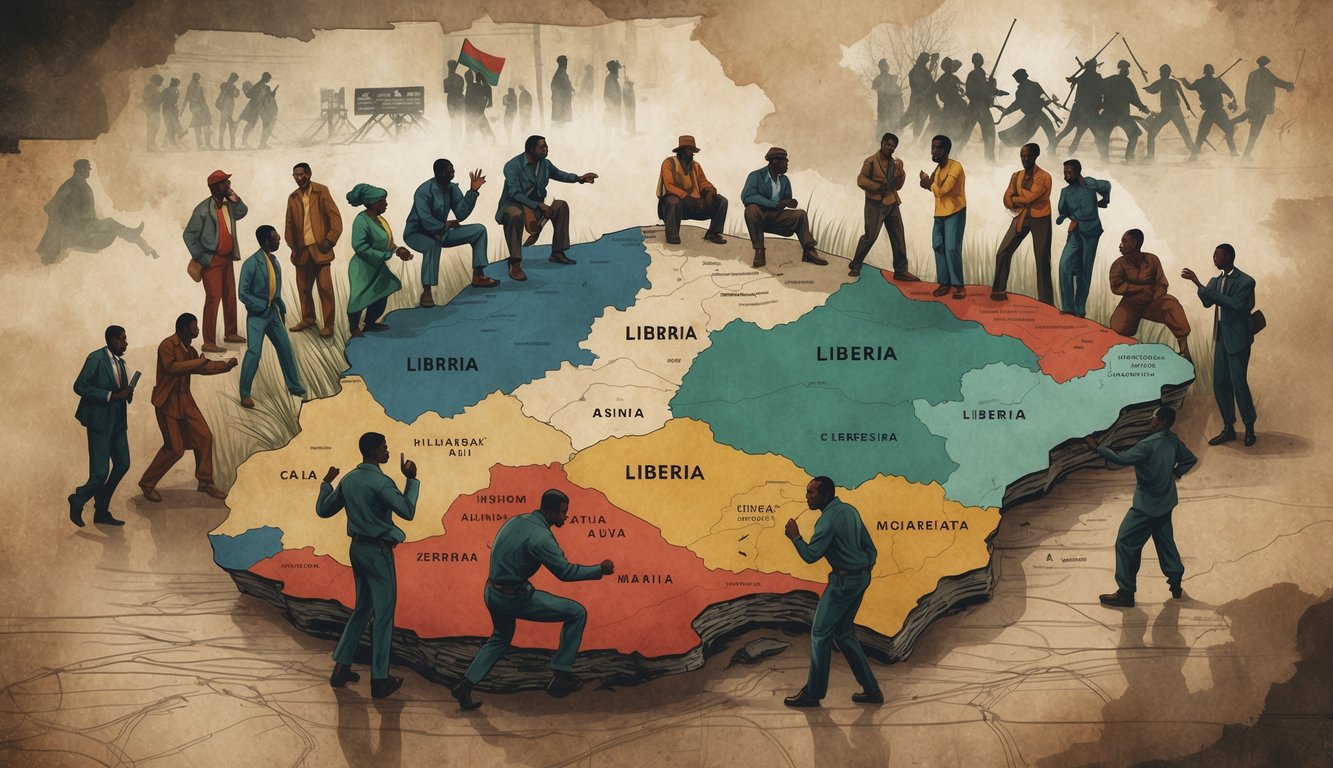
Liberia’s history has been shaped by internal uprisings and deep divides among its many ethnic groups. These events have led to lasting changes, often causing pain but also inspiring movements for justice and equality.
The Hidden History of Revolts
Revolts in Liberia have roots going back to the 1800s, when the Americo-Liberians, descendants of freed slaves from the United States, gained control over politics and land. Indigenous groups felt excluded and struggled to gain rights and autonomy.
In the late 20th century, tensions boiled over into open conflict. Decades of unfair rule and corruption led to civil unrest and ultimately to civil wars.
Rebel groups often formed along ethnic lines, each with different views and demands.
Important Moments:
- The coup in 1980 toppled President Tolbert and marked a major shift.
- The First Liberian Civil War (1989–1997) resulted in massive violence and trauma for many communities. Learn more about these events in the First Liberian Civil War.
Effects of Ethnic Divisions
Liberia is home to more than a dozen major ethnic groups with their own languages and customs. These differences shaped social life but also made unity difficult, especially when governments favored one group over others.
Ethnic divisions grew worse during the civil wars. Armed groups formed and fought along ethnic lines, with each group seeking more power and security.
This created cycles of mistrust and led to discrimination in jobs, schools, and public life.
Some key impacts of ethnic divisions:
- Long-lasting tension between Americo-Liberians and indigenous people
- Limited access to political power for minority groups
- Continued struggles for equal treatment and representation, even after major conflicts ended
For more detail, see how ethnic conflicts shaped Liberia.
Pathways to Freedom and Unity
People in Liberia keep working toward freedom from division and violence. After years of fighting, peace agreements and international help led to new elections and efforts to rebuild trust.
Many communities now hold peace talks and work to help those harmed by war. List of efforts to promote unity:
- Truth and reconciliation commissions
- Community dialogue sessions
- Laws promoting equal rights for all groups
Children learn about each other’s cultures in school. Local leaders encourage respect and cooperation.
While challenges remain, many Liberians continue to hope for a future with fairness and peace for everyone. Further information on Liberia’s paths toward peace can be found in detailed histories.
Liberia’s Civil Wars: Origins and Lasting Mysteries
Liberia faced two long civil wars from 1989 to 2003. These wars caused great harm to its people and future.
The root causes, key figures, and the quest for justice continue to raise questions for many people today.
Key Players: Samuel Doe and Charles Taylor
Samuel Doe was a master sergeant who became President after a 1980 coup. He ruled Liberia with strict power and was accused of corruption, human rights abuses, and favoring certain ethnic groups.
His actions deepened ethnic divisions and set the stage for major conflict. Charles Taylor was once part of Doe’s government but later became his biggest rival.
He started a rebellion in 1989 that quickly grew into the First Liberian Civil War. Taylor’s National Patriotic Front of Liberia (NPFL) fought to remove Doe and gain control.
Both men left a lasting mark on Liberia’s history.
Key Questions:
- How much outside support did Taylor and Doe receive?
- Were there missed chances for early peace?
The National Patriotic Front of Liberia
Charles Taylor created and led the NPFL. He aimed to remove Samuel Doe and change the government.
The group became known for its influence, fighting style, and use of child soldiers, which shocked the world. The war saw many groups join or split from the NPFL.
Some supported Taylor, but others had their own goals. Liberia’s people suffered as the country broke into different territories held by various armed groups.
By the war’s end in 1997, the NPFL’s role in violence and civilian suffering still raises questions about its full leadership structure and foreign ties.
Truth and Reconciliation Commission Outcomes
After years of conflict, Liberia set up a Truth and Reconciliation Commission (TRC) in 2006. Its purpose was to uncover what happened and suggest ways to heal the country.
The TRC collected hundreds of testimonies, revealing stories of war crimes and abuse from all sides. One debated topic was the TRC’s call to bar several leaders, such as Ellen Johnson Sirleaf, from public office for their links to rebel groups.
Many recommendations have never been enforced. The involvement of the United Nations in supporting the process shows how much international attention still focuses on Liberia’s search for answers.
Economic Activities and Hidden Instabilities
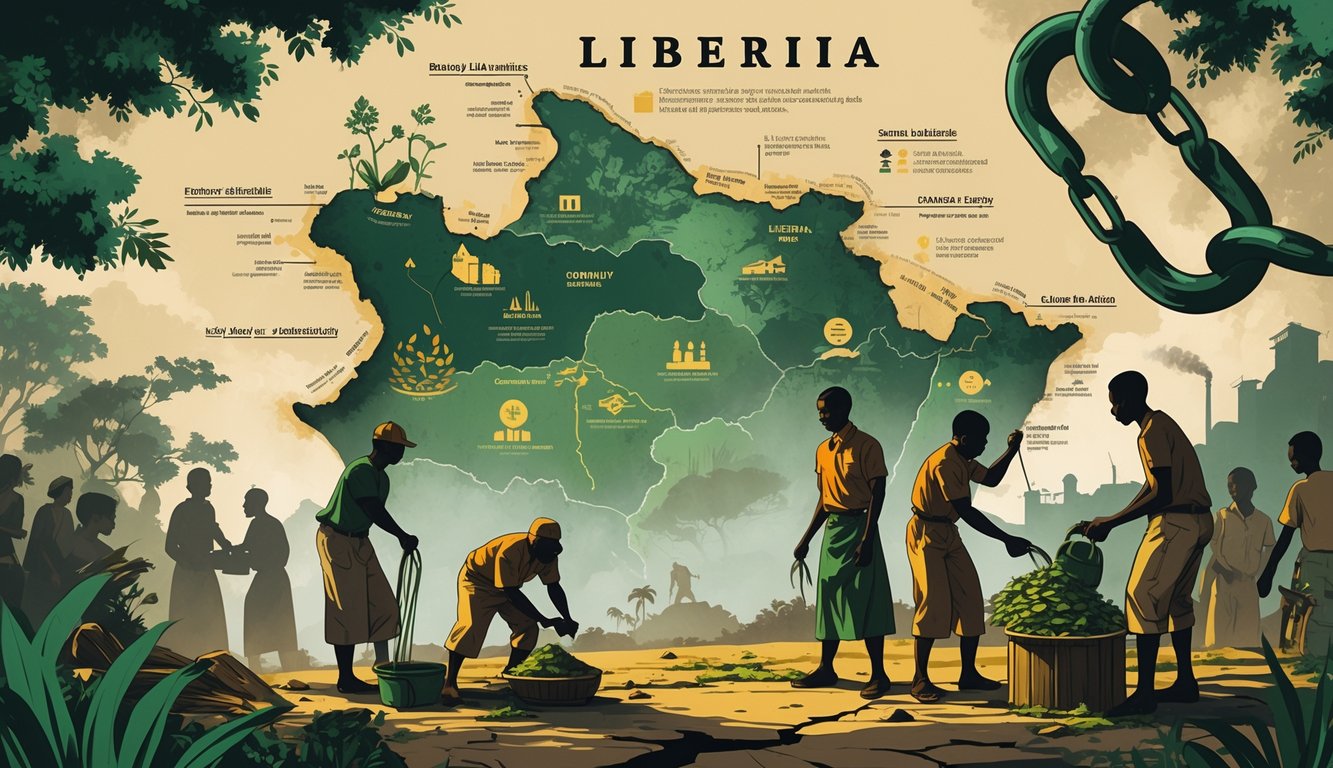
Liberia’s economy has seen times of growth, but also periods of confusion and struggle. Economic activities like mining and trade have been key, but not all outcomes are easy to explain or understand.
Mining and Resource Mysteries
Mining is a major force in Liberia’s economy. The country became famous for its iron ore exports, which at one point ranked third in the world.
There are strange gaps in how much wealth this mining produced compared to improvements in daily life. Gold and diamond mining also bring in money, but tracking where these profits go has never been simple.
There have been reports over the years of missing profits and sudden mine shutdowns. Such events have raised questions among both citizens and experts.
Key Points:
- Liberia exports iron ore, gold, and diamonds.
- There are unsolved issues involving missing profits and secretive ownership of mining rights.
- Regular audits often fail to explain the gaps in expected revenue versus what reaches public hands.
Economic Instability and Development
Liberia’s economy has struggled with severe ups and downs. The civil wars greatly damaged businesses and basic infrastructure, making it hard for the country to get back on its feet.
Even though international aid and new investments arrived, many planned benefits have not been seen by everyone. Inflation, unemployment, and debt add to the uncertainty.
Decisions made in the past, such as foreign companies controlling big industries, still bring questions today about who really gained from development deals. The government’s efforts to fix instability have mixed results, with some changes helping a few people and not the wider population.
Critical Issues:
- Rapid swings in inflation and job loss rates
- Investments not leading to expected public improvements
- Control of major industries often in foreign hands
Unexplained Patterns in Economic Activities
Liberia’s economic activities sometimes show trends that are hard to understand. For example, the shipping industry boomed during the Open Door Policy, giving Liberia the largest merchant fleet by registration, yet this did not match with growth inside the country.
Other odd patterns include missing records from key financial years, sudden surges in foreign investment, or the lack of local industries despite plenty of resources. Experts have noted these unexplained changes as key mysteries that affect the country’s ability to grow fairly.
Examples:
| Event | Surface Reason | Hidden Issue |
|---|---|---|
| Merchant Fleet Growth | Open Door Policy | Little benefit to average citizens |
| Iron Ore Export Boom | Major mines | Limited local development |
| Sudden Investment | Foreign money | Lack of long-term job creation |
Several questions still linger about why wealth created by these economic activities seems to vanish or fail to help most Liberians.
The Role of Religion and Social Movements
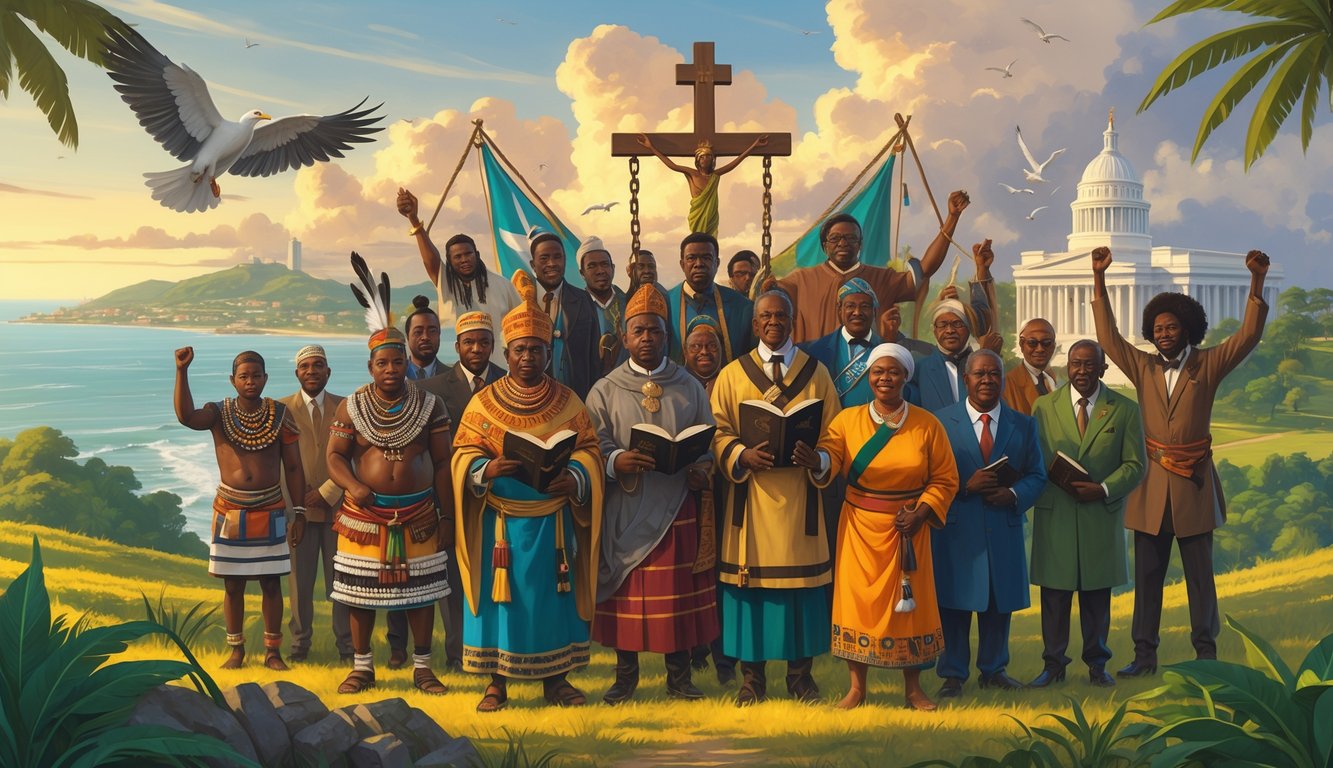
Religion and social movements have shaped Liberia’s history in unique ways. From the arrival of Christian missionaries to the growth of community organizations, these forces have deeply impacted Liberian traditions, beliefs, and politics.
Christianity’s Influence on Liberian Society
Christianity first entered Liberia with early missionaries in the 1800s. They played a key role in building schools, hospitals, and churches.
Over time, Christian ideas blended with local traditions, creating a unique Liberian culture. Christian groups have often led efforts to improve literacy and healthcare.
During times of conflict, religious leaders tried to bring peace by offering guidance and hope to communities. Their influence helped shape national holidays and public morals.
Key Impacts of Christianity:
- Built major schools and hospitals
- Shaped social values and laws
- Supported reconciliation during civil war
For more information on Christianity’s long-term influence, visit Christianity in Liberia: influence and impact on society.
Religious Diversity and Social Change
Liberia is home to people who practice many religions, including Islam, Christianity, and traditional beliefs. These groups sometimes work together during national challenges, especially in conflict or peacebuilding efforts.
Social movements led by religious leaders have pushed for change and human rights. For example, religious and traditional groups played roles during Liberia’s civil wars and supported peace talks and reconciliation programs.
Facts about religious diversity in Liberia:
- Major religions: Christianity, Islam, traditional beliefs
- Religious leaders helped shape peacebuilding
- Diversity supports community efforts
More details on religious roles in conflict and peace are in The Role of Religious and Traditional Institutions during conflict and in peacebuilding.
Liberia in the Context of West African History
Liberia is a country in West Africa with a unique background tied to both indigenous groups and new arrivals from abroad. Its early connections and political alliances shaped its place among neighbors and other African republics.
Regional Relations with Sierra Leone
Liberia shares a long border with Sierra Leone, another key country on Africa’s west coast. Both countries have a similar past, as freed Africans from the Americas and Caribbean settled in these lands during the 1800s.
Liberia was settled mainly by freed people from the United States. Sierra Leone became a home for freed slaves from Britain and its colonies.
Relationships between the two have not always been smooth. There have been periods of cooperation, but also times when political differences caused tension.
Trade and migration led to cultural exchange. Some ethnic groups span both countries’ borders.
Both nations faced civil conflict in the late 20th century. These conflicts impacted their people and ties with each other.
Peacebuilding efforts and regional cooperation have helped build trust and stability. For more context about Liberia’s early roots alongside Sierra Leone, visit the history of Liberia.
Liberia’s Place in African Politics
Liberia is Africa’s first independent republic, founded in 1847. Its independence made it stand out in West Africa, where most regions were under European colonial rule.
Liberia played a strong role in the Pan-African movement. The country supported unity and freedom for African nations.
Liberia was a founding member of the Organization of African Unity, now called the African Union. This group helped Liberia encourage African cooperation and peace.
Liberian leaders joined with others to support decolonization. They also pushed for African rights on the global stage.
Settlers from the United States set up Liberia’s government pattern. This influenced many local political ideas.
A mix of African traditions and new systems shaped Liberia’s relations with the rest of West Africa. To learn more about its historic role, check out the history of Liberia.