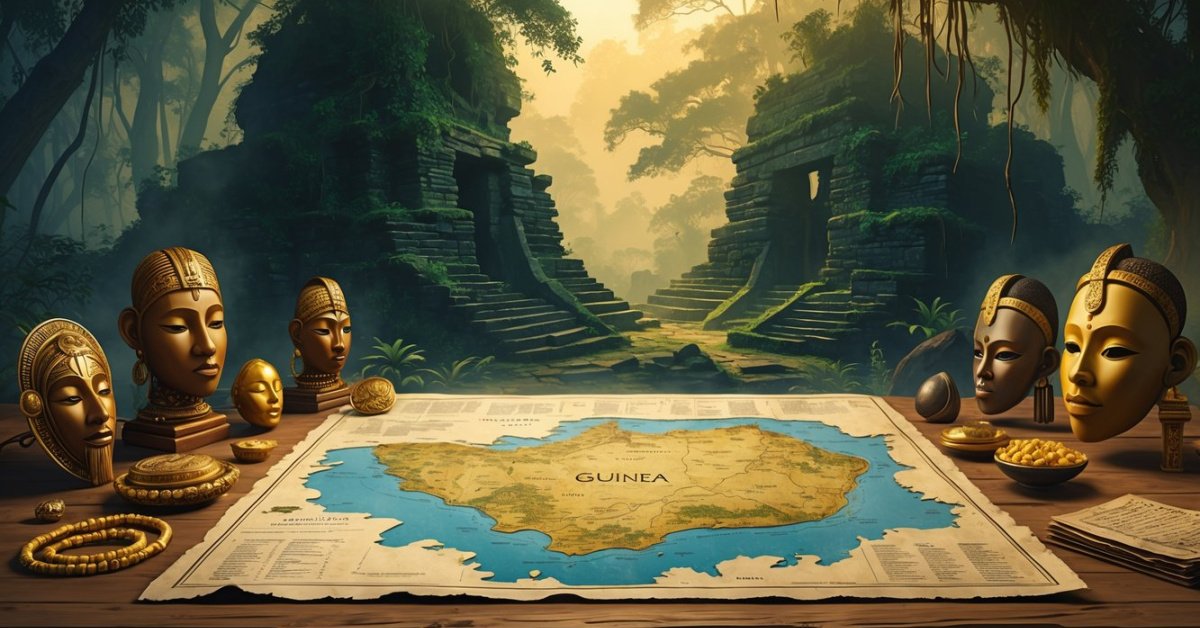
Guinea has a rich past, filled with stories of ancient kingdoms, powerful empires, and hidden secrets.
Some of the biggest historical mysteries in Guinea include lost ancient cities, unexplained artifacts, and legends passed down through generations.
These mysteries shape how people understand Guinea’s history and keep researchers and locals curious.
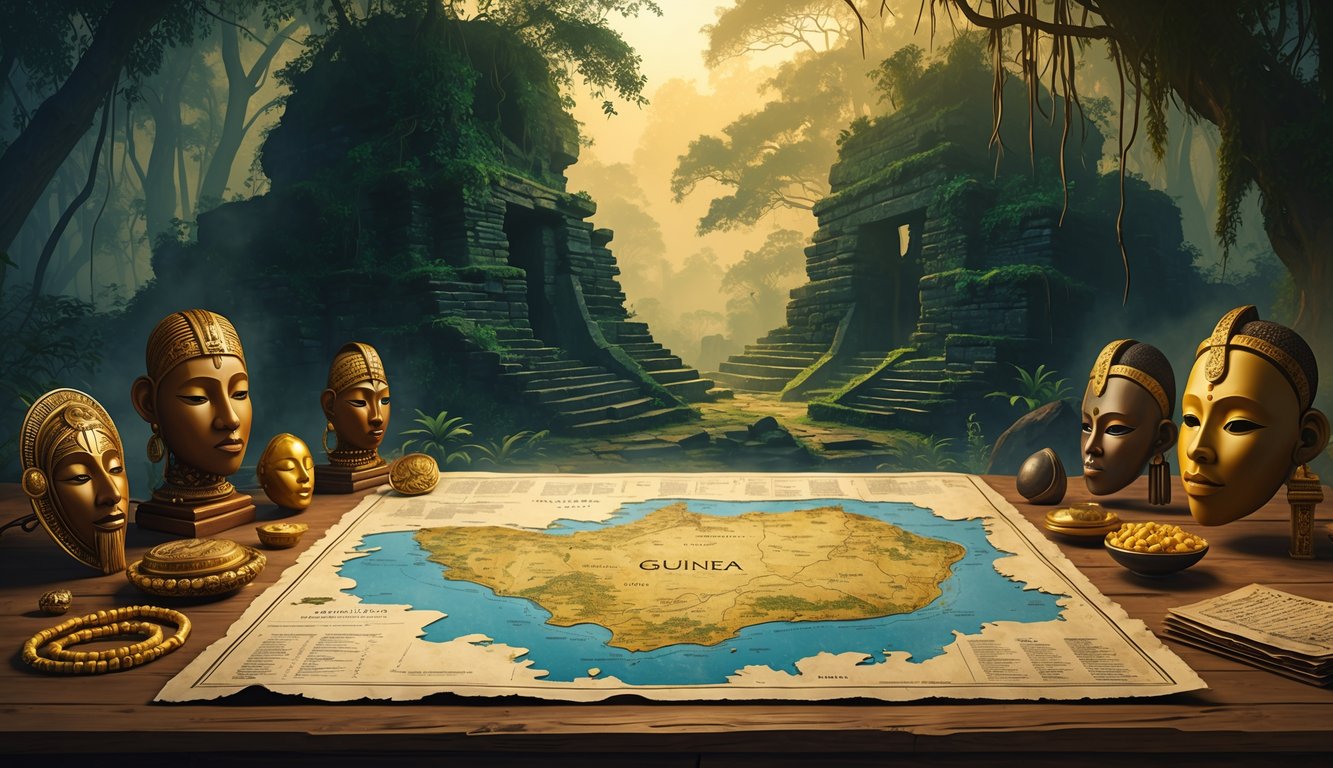
Guinea’s history offers many questions that still do not have clear answers.
Anyone interested in history or untold stories will find these mysteries captivating.
You can learn more about Guinea’s historical background by exploring resources like this overview of Guinea’s history.
Guinea’s Ancient Civilizations and Lost Cities
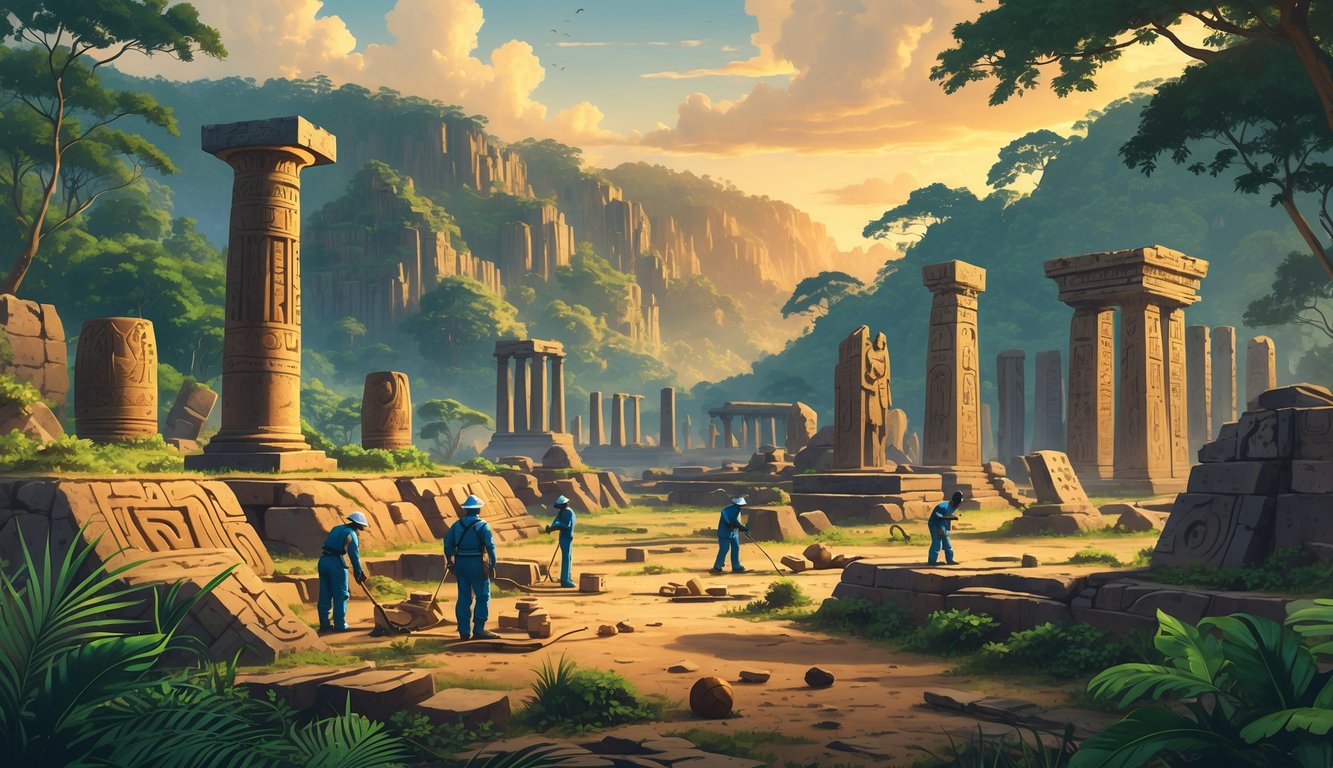
Some of West Africa’s most powerful empires once ruled the land that is now Guinea.
Many ruins, old city sites, and mysterious artifacts still puzzle historians and archaeologists.
The Legacy of the Ghana Empire
The Ghana Empire was one of the earliest and most influential civilizations in West Africa.
It thrived between the 6th and 13th centuries.
Though the empire’s main capital was north of modern-day Guinea, its reach stretched into what is now the northern part of the country.
Trade played a key role in the Ghana Empire’s success.
Gold from Guinea’s rivers and forests made the empire rich and powerful.
Archaeologists have found ancient trade routes and tools in Guinea that hint at this wide network.
Experts are still trying to map out how much the Ghana Empire shaped Guinea’s history.
The lost cities and settlements linked to the empire remain a mystery.
You can read more about this ongoing historical research.
Mysterious Ruins Linked to the Mali Empire
The Mali Empire followed the Ghana Empire and expanded even further across West Africa in the 13th and 14th centuries.
Guinea was home to important cities of the Mali Empire.
Some ruins found in the region, such as old walls, wells, and buildings, may be connected to this time.
Mansa Musa, one of Mali’s best-known rulers, controlled trade and culture that reached into Guinea.
Some believe legendary cities vanished under thick forests or have yet to be discovered.
Villagers sometimes find old pottery or bricks, raising more questions about the true size and legacy of Mali in Guinea.
Experts use maps, oral stories, and modern tools to search for more evidence of these lost ancient cities.
Archaeological Enigmas and the Search for Forgotten Cultures
Guinea’s landscape holds many archaeological enigmas.
Scholars have unearthed burial mounds, stone circles, and ancient objects that do not match the known empires of West Africa.
Some discoveries point to cultures that left little written record.
Carved stones, jewelry, and unique pottery show that complex societies once lived here, but their stories remain mostly unknown.
Local legends and oral histories add more mystery.
Researchers hope that new digs and technologies will reveal more about these forgotten cultures and help solve some of Guinea’s biggest historical mysteries.
Unsung Mysteries of Guinea’s Pre-Colonial Era
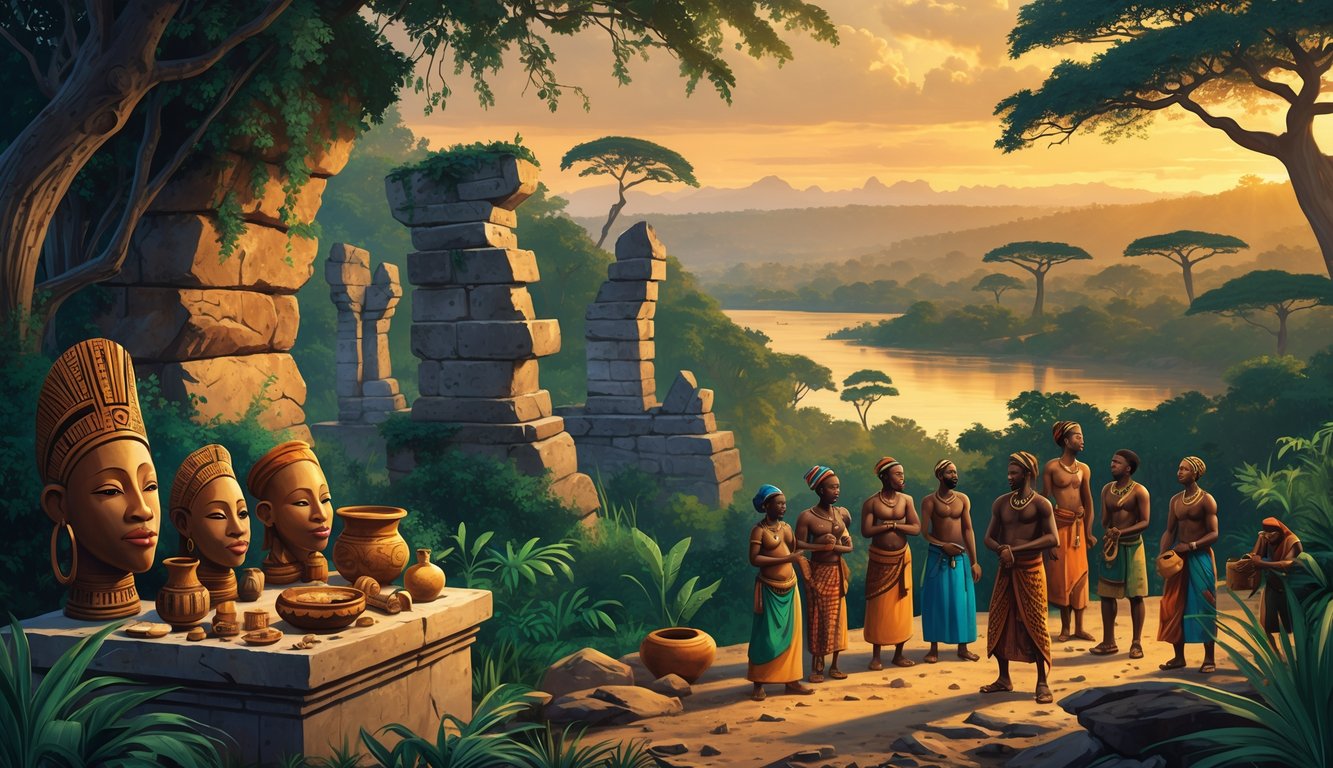
Guinea’s deep past holds secrets that still puzzle historians and locals.
Ancient civilizations thrived here, but much of their cultural heritage has faded from record.
Disappearance of Historical Records
Many important details about Guinea’s early kingdoms are missing.
Oral traditions held stories of empires like Mali and Ghana, but little was written down.
When European colonizers arrived, they focused on their own writings and ignored much local history.
The region’s climate made it hard for materials like parchment and old books to survive.
Frequent wars and raids sometimes destroyed entire libraries or family archives.
Villages that might have held valuable information were often abandoned or relocated.
The blend of lost oral stories and few surviving artifacts makes it very difficult to trace the full story of Guinea’s ancient civilizations.
This leaves gaps about the origins and achievements of early peoples who lived along trade routes or near major rivers.
Fabled Treasures and Hidden Relics
Legends in Guinea hint at treasures left behind by powerful rulers and secret societies.
Some rumors speak of gold mines used for ancient trade across West Africa.
Others mention sacred masks or statues hidden to protect them from invaders.
Archaeologists have discovered a few old coins, pottery fragments, and lost jewelry, mostly by accident.
Many locals believe that caves and dense forests hold unexplored relics from past empires such as the Mali Empire.
Interest in these hidden relics continues, as they could help reveal more about Guinea’s rich cultural heritage.
Maps, oral legends, and rare objects often guide treasure seekers, but the biggest finds remain undiscovered.
Colonial Legacies and Enigmatic Events
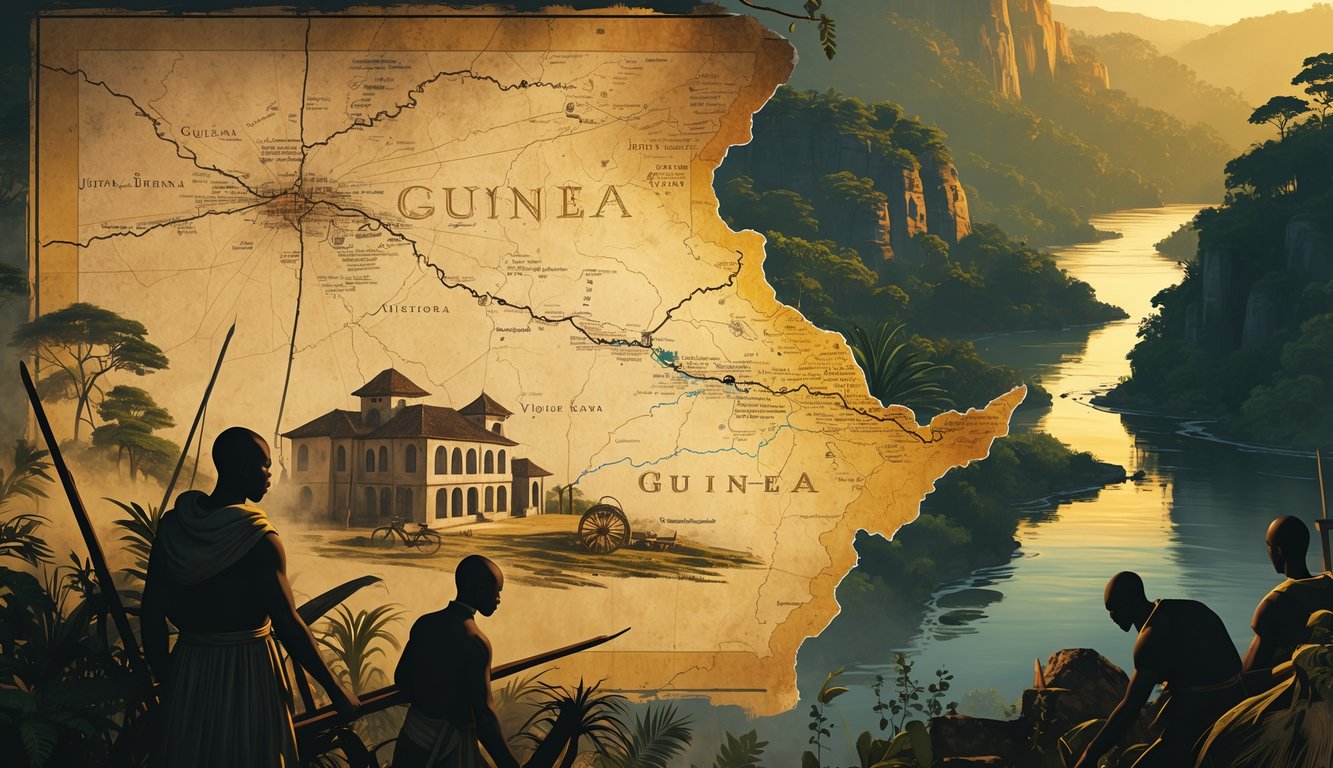
Foreign rule changed many things in Guinea.
The country’s past with colonial powers has affected its borders, its communities, and its cultural heritage.
Unsolved Historical Disputes
Some of the biggest questions from Guinea’s history come from decisions made during the colonial era.
The Berlin Conference in 1884–1885 set Guinea’s current borders, but the decision often ignored the wishes of local communities.
Even today, people wonder why some ethnic groups were split apart or kept together in unexpected ways through these colonial borders.
French colonial rule introduced new laws, education systems, and trading rules that often clashed with traditional customs.
This led to long-standing tensions over land rights and local leadership that sometimes remain unsettled.
Some historians still debate how certain treaties were signed and why local leaders agreed to them.
The reasons for these agreements, and the stories behind them, are still not fully clear.
Impact on Diverse Ethnic Groups
Guinea is home to many ethnic groups, including the Fulani, Mandinka, and Soussou.
The arrival of European colonial rulers changed how these groups interacted.
Many people were moved or divided among new administrative regions based on French plans, not their own traditions.
| Ethnic Group | Change due to Colonial Rule |
|---|---|
| Fulani | Division by colonial borders |
| Mandinka | Leadership structures changed |
| Soussou | Loss of traditional land ownership |
These changes caused old traditions to weaken.
Some groups lost power, while others gained more voice in the new order.
Education and language policies favored French, which led to changes in cultural heritage and identity.
Colonialism also set the stage for later political struggles between groups.
The effects on relationships between Guinea’s people can still be seen today.
Mysteries Surrounding Ahmed Sékou Touré’s Rule
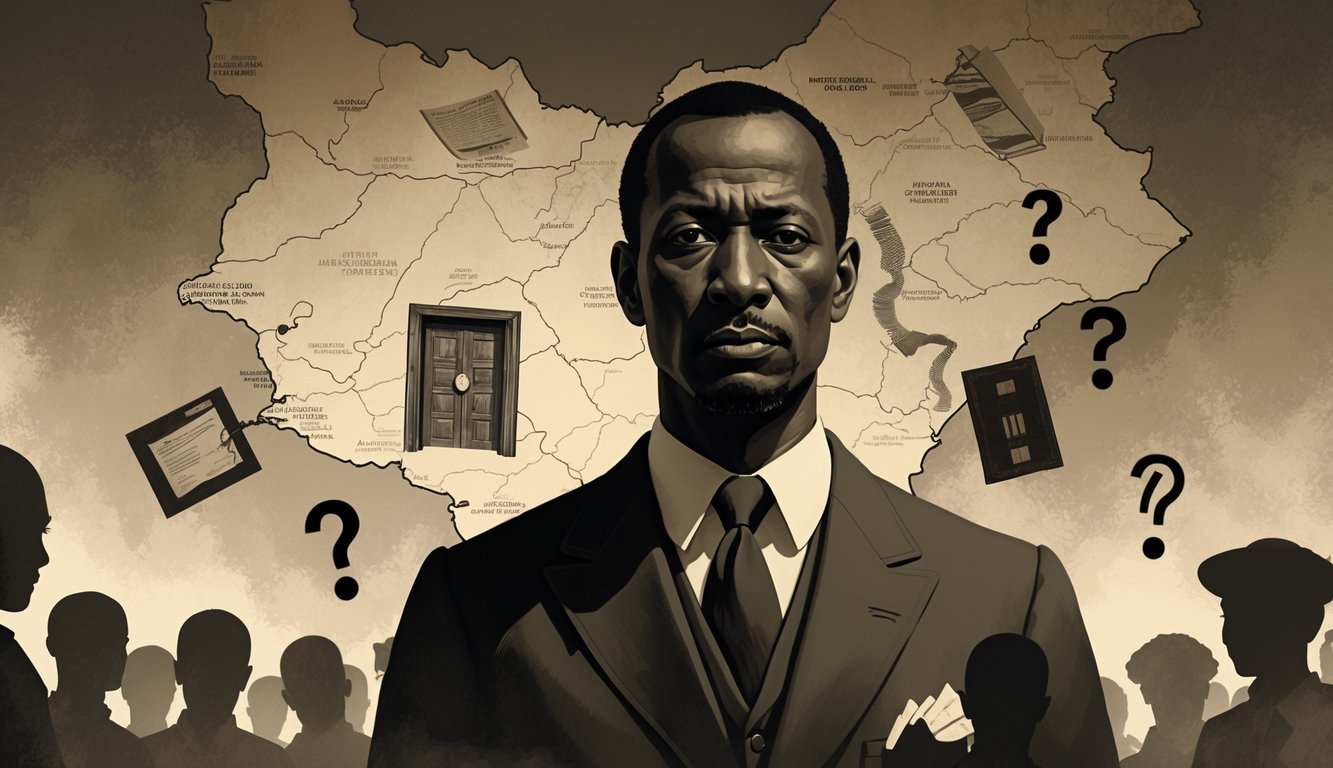
Ahmed Sékou Touré’s time as president shaped Guinea in deep and sometimes controversial ways.
His leadership saw claims of progress mixed with fears of political instability and questions that still linger today.
Political Repressions and Human Rights Abuses
During Sékou Touré’s rule, many citizens lived in fear of the government.
Authorities reportedly jailed thousands of people for questioning his leadership or for being suspected of opposition.
Some were never seen again.
Camp Boiro, a notorious prison from this era, held many political prisoners.
Families often did not know what happened to their loved ones.
Reports and testimonies claim that the abuse of power and fear kept society under tight control.
Several international organizations and local groups have called for the full truth to be revealed about these events.
| Event | Details |
|---|---|
| Mass arrests | Suspected opponents imprisoned, many without trial |
| Camp Boiro | Site of torture and possible executions |
| Human rights abuse claims | Widespread, but many records remain incomplete |
For more about this controversial period, see Ahmed Sékou Touré’s complex legacy.
Unanswered Questions About Guinea’s Independence
Ahmed Sékou Touré led Guinea to become the first French colony in Africa to gain independence in 1958.
This quick move away from France surprised many people at the time.
Some historians still debate what happened behind the scenes in the months before independence.
Key details, such as whether secret talks happened or if there were hidden promises, are not clear.
The exact role of foreign influence on Touré’s decisions has never been fully explained.
Some documents from the era remain missing or restricted.
Young people and scholars often discuss these mysteries today.
There is debate over whether Guinea’s break with France led to lasting political instability or was a bold move that inspired other African nations.
For more information on the struggle and Touré’s role, read about Guinea’s fight for independence.
Enigmatic Leadership of Lansana Conté
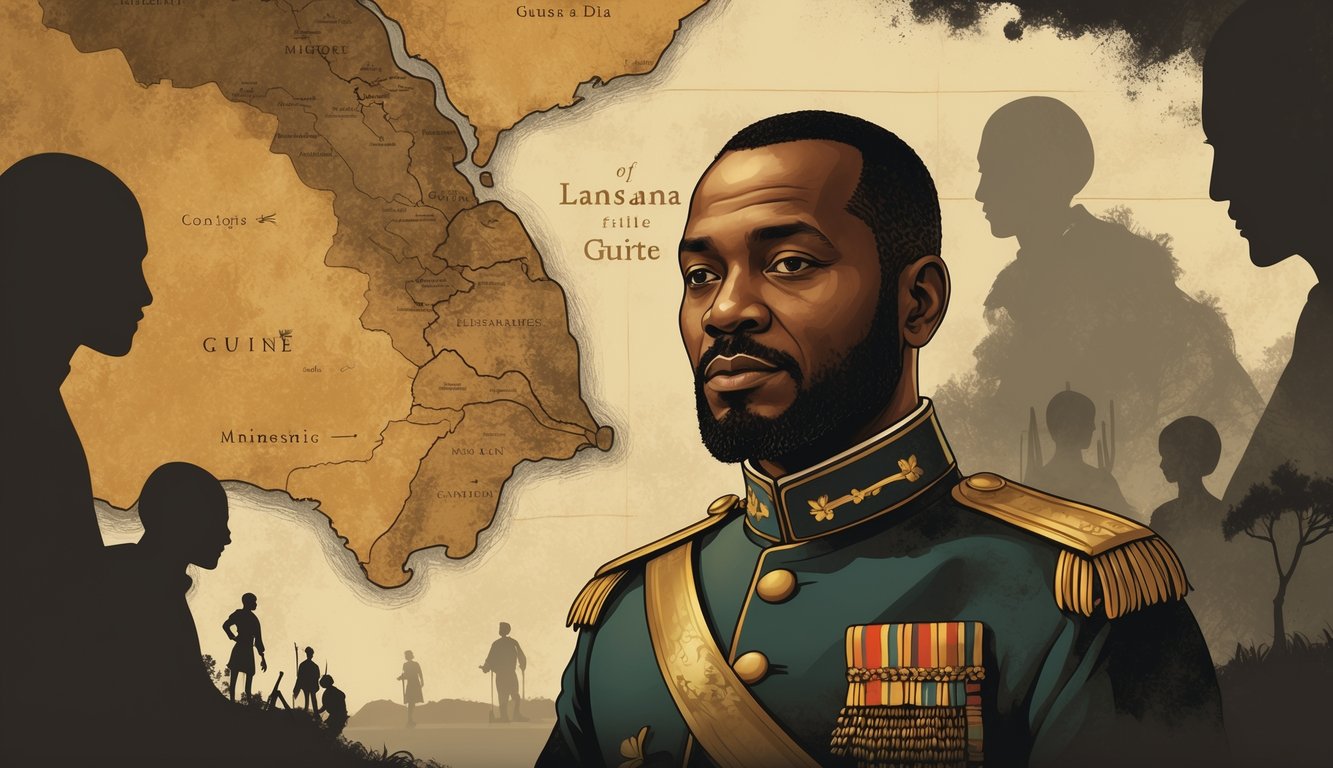
Lansana Conté changed the course of Guinea’s history through a military takeover and decades of rule.
His rise, policies, and the events following his death left a mark on Guinea’s path and stability.
Transitions of Power
Guinea saw a dramatic shift in April 1984 when Lansana Conté became president after a military coup.
Just days after the death of President Ahmed Sékou Touré, Conté led the army to arrest government leaders, interrupting official plans to choose a new president.
He did not seize power alone.
Colonel Diarra Traoré played a key role but refused the presidency, backing Conté instead.
Two days later, Lansana Conté was formally declared president.
During his years in office, political instability and authoritarian rule shaped the nation’s politics.
Conté clamped down on opposition, suppressed media, and held onto power until his death.
He steered Guinea through uncertain times.
Read more about the leadership transitions and military involvement.
Key Points:
- Military coup led to sudden leadership change
- Arrests of government officials disrupted plans
- Rule marked by political suppression and tight control
The Sudden Death and Its Aftermath
Lansana Conté’s death in December 2008 surprised the nation and brought new risks for Guinea’s stability. He had held a firm grip on the country for almost 24 years, despite his declining health.
His passing revealed hidden tensions and left a power vacuum. After he died, military forces quickly stepped in and took control.
Many worried about what would happen next, given Guinea’s long history of political instability. The government now had to show if it could manage a peaceful transition.
Uncertainty and questions about succession became new challenges for the country’s future.
Timeline Table:
| Event | Date |
|---|---|
| Death of Lansana Conté | 22 December 2008 |
| Military coup brings Conté | 3 April 1984 |
| Start of Conté’s presidency | April 1984 |
Alpha Condé’s Era and Its Unsolved Questions
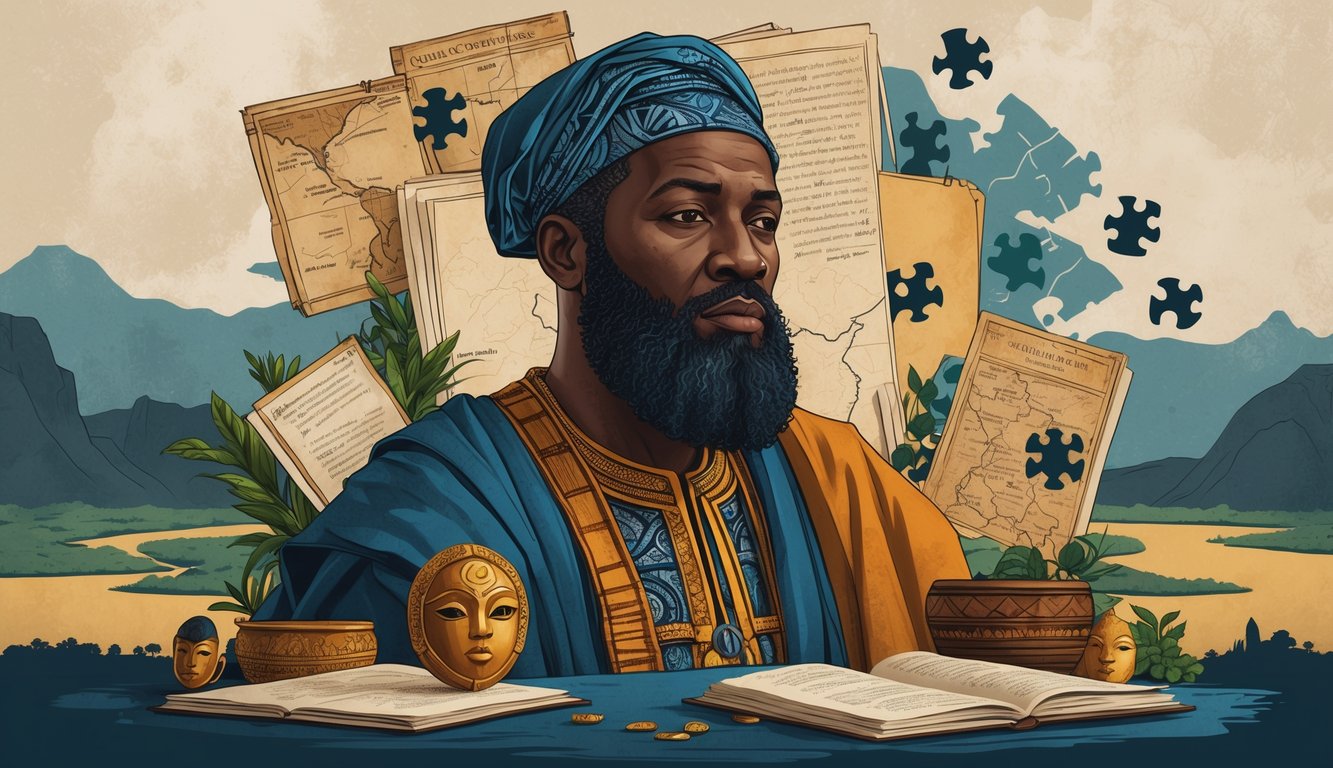
Alpha Condé became the first democratically elected president in Guinea. His time in power saw tough questions about political unrest and human rights.
Many key events from this period still have no clear answers.
Controversies of Political Instability
Alpha Condé promised change when he came to power. His presidency was marked by protests, disputed elections, and a military coup.
Tension grew when Condé changed the constitution to run for a third term, leading to violent demonstrations. Groups like the African Union and ECOWAS warned about growing instability.
In September 2021, Colonel Mamady Doumbouya led a coup that ended Condé’s rule. Many people discussed how quickly the military captured him.
There are still debates about why so many soldiers and security officials did not defend the president during his last hours in office.
You can read more about the details and the hidden story behind Condé’s fall.
Key facts:
| Event | Year | Outcome |
|---|---|---|
| Third term referendum | 2020 | Widespread protests and violence |
| Military coup | 2021 | Condé arrested, power seized |
Lingering Mystery of Human Rights Abuses
Many international groups accused Alpha Condé’s government of human rights abuses. Security forces cracked down on protesters who opposed the constitutional changes that allowed for Condé’s third term.
Witnesses and victims described arrests, torture, and deadly force used against opposition members. These stories led to calls for justice and for international investigations.
Many cases remain unresolved. Even after Condé’s removal, investigations into his actions have continued, including new legal steps for alleged treason and abuse.
People in Guinea are still waiting for clear answers. Some documents and testimonies are still missing or kept secret by those in power.
Cultural Heritage and Unexplained Traditions
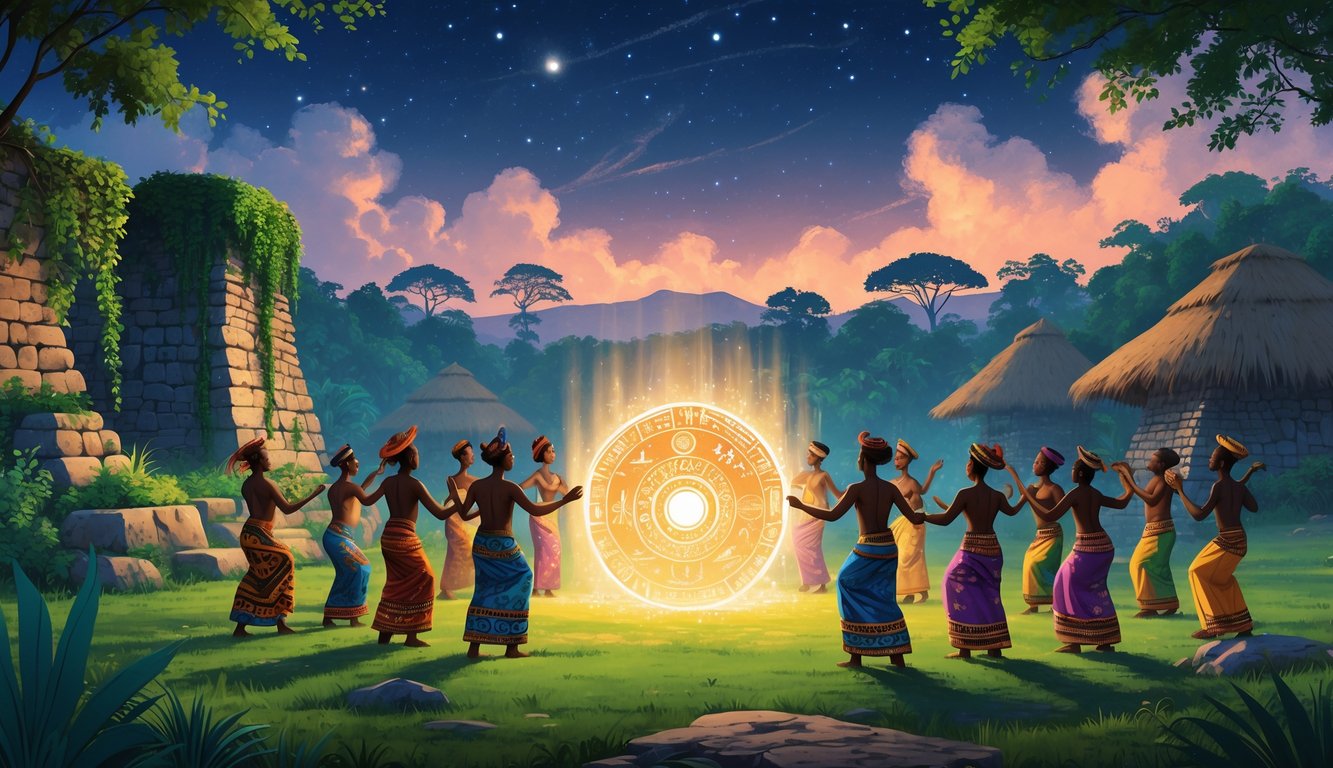
Guinea is known for its vibrant cultural heritage. Many traditions and customs here have roots that are still not fully understood, especially among its diverse ethnic groups.
Disputed Origins of Unique Practices
Some of Guinea’s most fascinating customs have unclear beginnings. The Baga people are famous for their unique mask rituals that involve towering headdresses called Nimba.
Historians do not agree about when or why these masks were first used. Oral stories offer legends, but written records are missing.
Traditional music in Guinea often uses instruments like the balafon and djembe drum. The first use of these instruments and the reason certain rhythms and dances are tied to specific villages remain a mystery.
Some researchers believe these practices date back thousands of years, but there is little direct evidence. Across the country, people celebrate harvest festivals with secret ceremonies and symbolic objects whose meanings have been lost.
While families pass down these traditions, the original reasons for them are still debated by scholars.
Mysteries of Guinea’s Diverse Ethnic Groups
Guinea is home to over 24 ethnic groups, each with its own language and rich traditions. The Fula, Susu, and Malinke are some of the largest groups.
Each group has customs that experts sometimes find hard to trace. For example, the Fula are known for their elaborate weaving and healing traditions.
The knowledge and rituals behind their cloth designs and herbal medicine blend Islamic influence with much older beliefs. Historians aren’t sure when these mixtures began.
In the forest region, the Toma and Kissi peoples use secret societies to guard knowledge and control important community events. These societies have initiation ceremonies that researchers do not fully understand.
Much of the knowledge is kept hidden even from outsiders in the village. Even today, much about why Guinea’s ethnic groups keep certain practices secret—or where those practices truly started—remains an open question.
Oddities and Puzzles in Guinea’s Geography
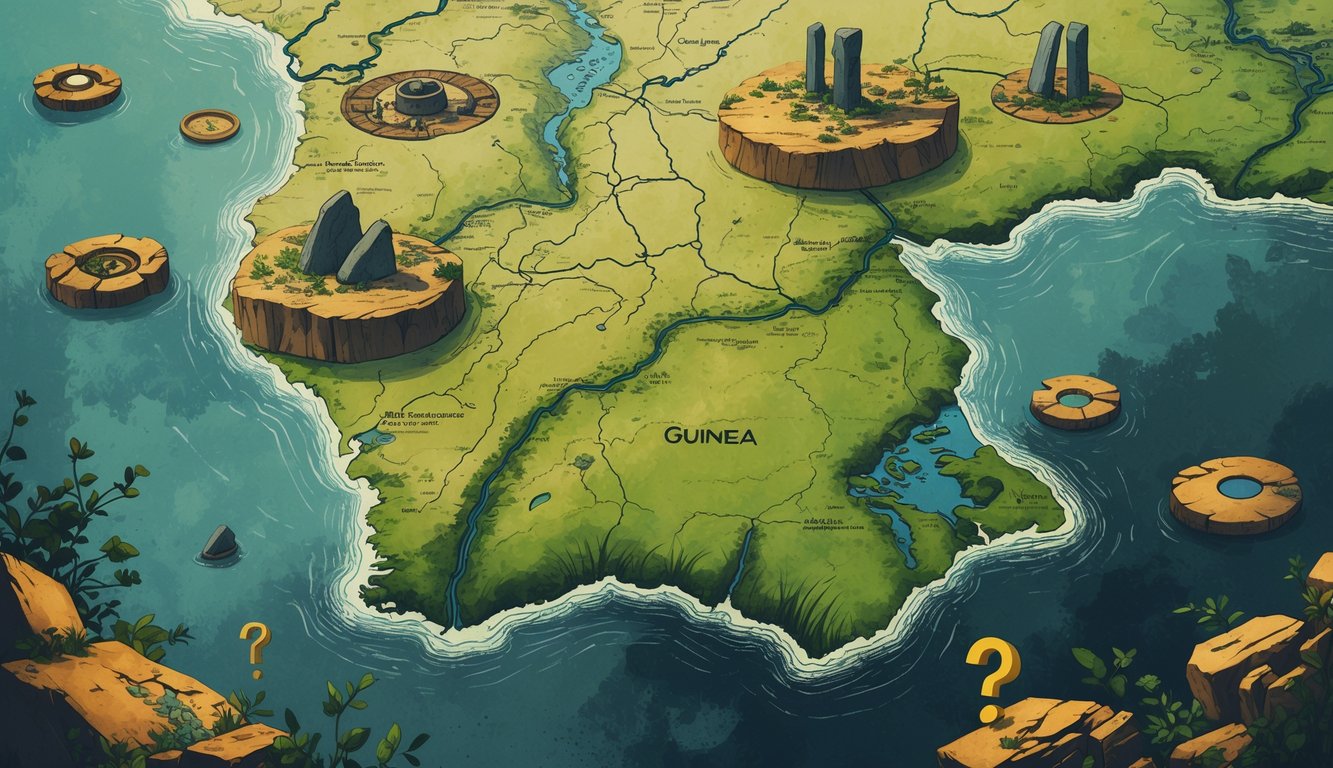
Guinea’s landscape is full of curious places and stories that have puzzled both locals and visitors. Unique land formations and hidden meanings in ancient sites give insight into the country’s long and fascinating history.
Unexplored Natural Phenomena
Some remote areas in Guinea are still shrouded in mystery. Deep forests and rugged mountains are hard to reach, making it difficult for scientists to study them.
The Fouta Djallon highlands, with their steep cliffs and winding rivers, contain waterfalls that are among the country’s most impressive but least documented.
Table: Notable Unexplored Areas
| Area | Mystery/Phenomenon | Interesting Fact |
|---|---|---|
| Fouta Djallon | Hidden waterfalls, caves | Many spots still unmapped |
| Nimba Mountains | Rare wildlife, odd rocks | UNESCO World Heritage Site |
Legends talk about caves said to be bottomless or lakes that “move” seasonally. Scientists are still working to figure out some of these oddities.
These natural mysteries have sparked interest from geologists and explorers. Much remains unknown about Guinea’s less traveled lands.
Legendary Sites With Hidden Meanings
Ancient sites in Guinea hold stories from earlier kingdoms and lost cultures. The ruins of Niani, for example, are tied to the beginning of the famous Mali Empire.
Locals believe stones and markings here have meanings that only a few truly understand. This connection to empire building is a big part of Guinea’s history.
Mount Kakoulima is another mysterious place. Large stone circles and carvings there spark debates about their purpose.
Some researchers have suggested these markers once lined ancient trade routes, but there is still no clear answer. Old stories, passed down through generations, link secret sites to powerful chiefs, travelers, and even spirits.
These tales show how Guinea’s geography has shaped myths and history for centuries.
Legendary Figures and International Connections
Stories from Guinea often blend local traditions with ideas from distant lands. Some legends mention powerful global figures, while others involve secrets that have fascinated people for centuries.
Legends Linking Guinea to Genghis Khan
Some oral traditions in Guinea speak of ancient heroes and rulers with connections to foreign lands. A few stories even mention links between local chiefs and Asian conquerors like Genghis Khan.
These tales often highlight strong leaders who traveled far or claimed ancestry from great kings. Some say a line of Guinean warriors was inspired by the legendary Mongol leader’s reputation and tactics.
There is no historical proof that Genghis Khan or his descendants ever reached West Africa, but the idea captures people’s imaginations. In these stories, the name Genghis Khan stands for unmatched strength and leadership.
Guineans have used such legends to explain the roots of power or unusual customs in remote villages. Though not proven, these connections show how Guinea’s myth and history can mix with global events.
Theories Involving the Holy Grail
The Holy Grail, a famous symbol from medieval European legend, is usually linked with knights and ancient churches. Some modern theories suggest it could be hidden far from Europe, with Guinea sometimes named as a possible location.
A few researchers and writers point to secret societies, unique symbols, or old carvings found in Guinean territory. They claim these could be hints of contact with groups searching for or protecting the Grail.
Lists of supposed clues include:
- Ancient stone symbols
- Stories of hidden treasures
- Mysterious rituals
These ideas remain speculative and are debated by experts. However, they add another layer to Guinea’s mix of fact and legend.
For more background on Guinea’s unique past, visit the history of Guinea and explore how its legends fit with global mysteries.
Comparative Mysteries: Guinea and Global Enigmas
Some mysteries in Guinea share surprising similarities with world-famous enigmas from other countries. Patterns involving lost explorers, unexplained disappearances, and baffling details attract historians and puzzle locals alike.
Parallels With the Dyatlov Pass Incident
The Dyatlov Pass incident from 1959 Russia remains one of the world’s most discussed unsolved mysteries. Nine experienced hikers died under strange circumstances in the Ural Mountains.
Their tent was slashed open from the inside, and some had injuries not typical of a normal accident. In Guinea, local legends sometimes mention groups who vanish in the Fouta Djallon Highlands or in deep forests.
These disappearances may not match the scale or details of Dyatlov Pass, but the uncertainty is similar. In both places, search efforts leave more questions than answers.
Researchers have wondered if weather, wild animals, or unknown dangers could explain what happened to both the Russian hikers and missing parties in Guinea. Locals in Guinea talk about spirits or local myths, while in Russia, ideas range from secret weapons to avalanches.
The comparison shows how remote places spark global curiosity and many different theories.
Unknowns About Explorers and Hikers
Guinea has dense forests and isolated mountain areas. These conditions make exploration risky.
From colonial times to today, explorers, hikers, and miners have vanished without a trace. Communities remember stories of expeditions that entered forests for research or adventure and never returned.
Similar cases happen worldwide, like in the Bermuda Triangle or other historic examples. Guinea’s thick jungle and vast, uncharted caves make searches especially hard.
Many people believe that hidden dangers—unknown illnesses, wild animals, or tricky terrain—play a big part in these disappearances. Lists of missing people and lost expeditions remind everyone of the risks in these mysterious landscapes.