Grenada is known for its rich culture, beautiful beaches, and flavorful spices. It also holds unsolved secrets that puzzle locals and visitors alike.
From tales of vanished settlements to legends about hidden treasures and unexplained events, the island’s past is filled with stories that spark curiosity. Grenada’s biggest historical mysteries include lost relics, strange disappearances, and puzzling ruins that continue to intrigue historians and enthusiasts.
These stories are part of what makes Grenada so fascinating. Folklore, unusual landmarks, and myths have been passed down for generations and remain an important part of the island’s cultural identity.
For curious minds, exploring these mysteries offers a glimpse into the shadows of the Spice Isle’s history. These mysteries invite everyone to wonder what really happened in Grenada’s past.
Ancient Inhabitants and Lost Cultures
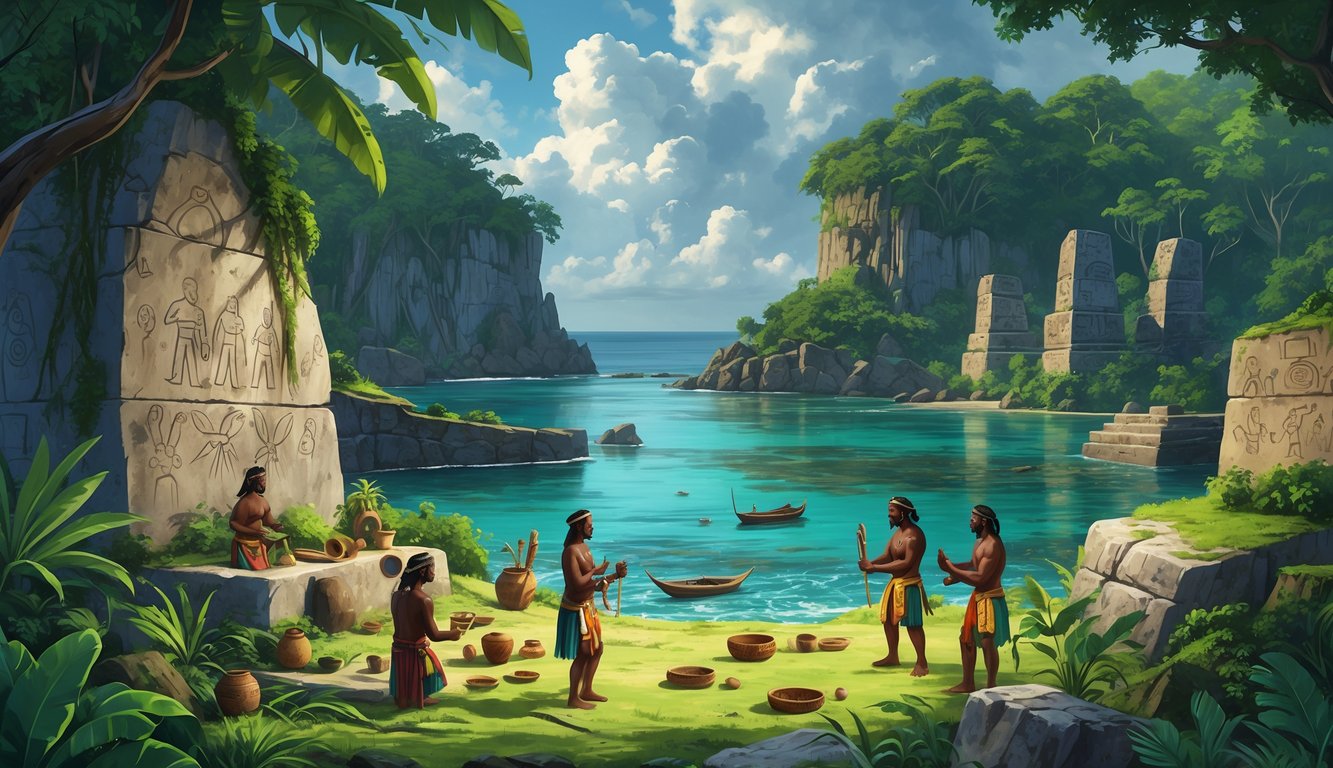
Grenada’s early history is shaped by its first peoples and the unsolved clues they left behind. Many details about these groups, their traditions, and some sacred places still spark curiosity and debate.
Mystery of the Arawaks and Caribs
The first known people to live in Grenada were the Arawaks. They settled the island long before Europeans arrived.
Later, the Caribs, known for their skills in navigation and warfare, moved in and became dominant. Historians still debate how these two groups interacted.
Some believe the Caribs pushed the Arawaks out. Others think the two groups lived together for a time.
Archaeologists have found pottery, tools, and shell middens that show evidence of daily life, farming, and fishing. But historians continue to ask why the Arawaks disappeared so suddenly.
Much of what we know about the region’s cultural heritage comes from studying artifacts left behind. These traces are linked to the larger story of lost Caribbean civilizations that mysteriously disappeared.
Unsolved Grenada Petroglyphs
On Grenada, carved stones known as petroglyphs have been found near rivers and hills. These ancient carvings show human-like figures, faces, and symbols.
Their exact meanings remain a mystery. Most petroglyphs are believed to have been made by the island’s early Arawak or Carib inhabitants.
Some experts think the carvings are linked to religious practices. Others suggest they record important events.
No one has fully decoded what these symbols mean. The designs have become an important marker of Grenada’s pre-colonial past.
Researchers study them for clues about the beliefs, stories, and art of the people who first lived in the Caribbean islands.
Leapers Hill: Legend and Tragedy
Leapers Hill, also called Carib’s Leap, is located in Sauteurs in northern Grenada. It is tied to a tragic event from the island’s colonial history.
In 1651, legend says that as French soldiers closed in, a group of Carib men and women jumped off the cliff rather than be captured. This act turned Leapers Hill into a symbol of resistance and loss.
Leapers Hill is now a place for reflection about Grenada’s history. It stands as a reminder of the struggles and choices faced by the Caribs in the face of European colonization.
The site is part of the island’s cultural heritage and is frequently visited by locals and tourists.
Colonial Encounters and Hidden Histories
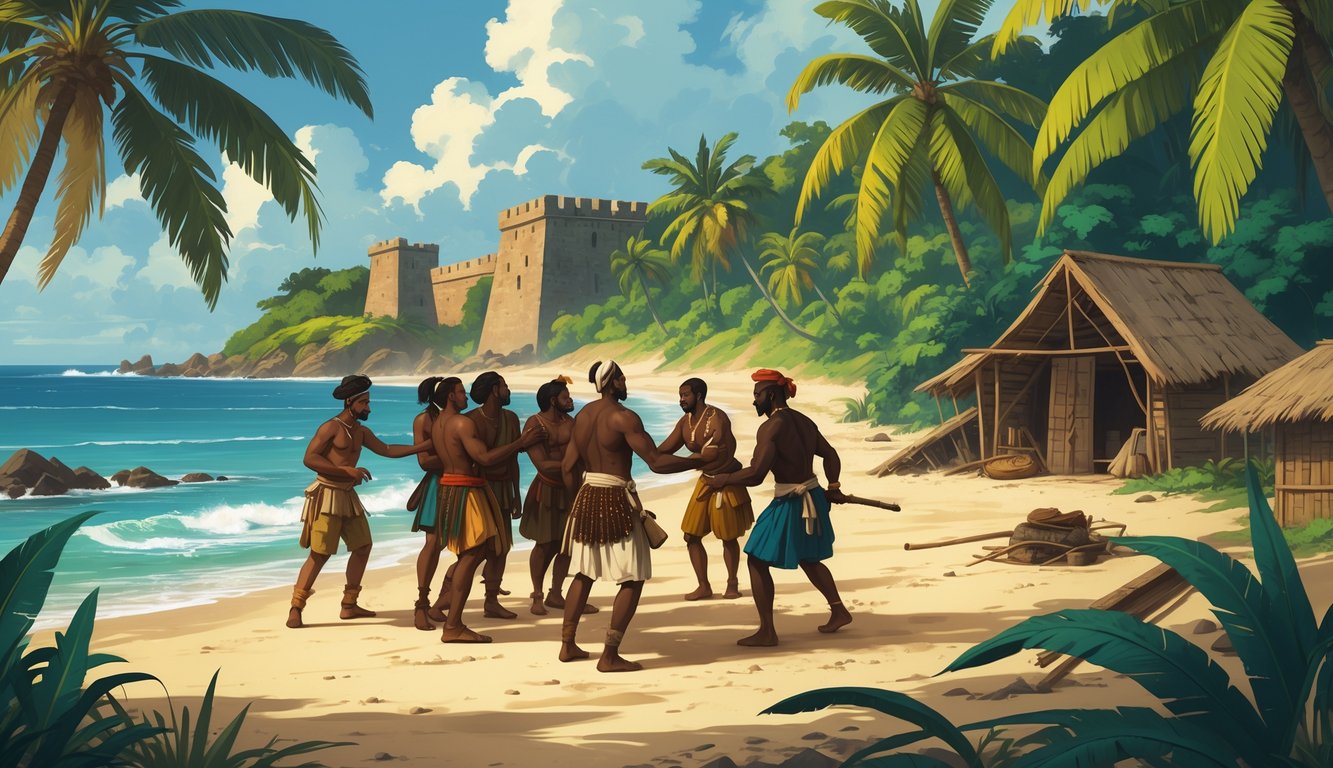
Colonial Grenada was shaped by power struggles, secret deals, and shifting control between European countries. Stories about land, treaties, and military forts still hold many unanswered questions from the island’s colonial past.
Jacques du Parquet and the Enigmatic Claim
Jacques du Parquet was a French colonizer who played a leading role in Grenada’s early colonial history. In the 1650s, he claimed the island for France, but the details behind this claim remain unclear.
He struck a deal with the Kalinago people, but historians question the fairness and exact terms of that agreement. Some documents suggest du Parquet’s negotiation may not have been honest.
These uncertain actions led to conflict and violence on the island. Du Parquet’s legacy as a key figure in European colonization is still debated today.
The true nature of his deal with the indigenous population remains one of Grenada’s unsolved historical puzzles.
Treaty of Paris and Territorial Secrets
The Treaty of Paris in 1763 greatly changed Grenada’s colonial status. The agreement transferred the island from France to Britain, but the fine details of the transfer raise many questions.
Some land rights and colonial boundaries after the treaty were left vague or ignored. Parts of the island’s history, including property ownership, shifted overnight.
This period was marked by confusion, as new colonial rulers redrew maps and redefined who held power. For some families, stories of lost land and secret treaties still surface today.
The Treaty of Paris helped create new mysteries that shape the identity of the “Spice Isle.”
Forgotten Colonial Forts
Colonial forts such as Fort George, Fort Frederick, and Fort Matthew were built to defend Grenada from rival European powers. Today, some of these forts stand in ruins, with much of their past hidden behind crumbling walls and overgrown grounds.
The exact uses, battles, and secrets of these sites are not fully recorded. Many of these forts served different purposes—military, administrative, even as prisons.
Local historians and groups like the Grenada National Trust work to uncover their stories. Despite their historical value, some forts remain neglected, keeping parts of Grenada’s colonial past shrouded in mystery.
Efforts to restore and study these sites continue. Each stone might hold clues about the island’s lost narratives.
The Shadows of Slavery and Resistance

Grenada’s past holds difficult truths about slavery, hidden uprisings, and the plantations that shaped its history. Forgotten voices and places still leave many questions about people’s lives and struggles across the island.
Unrecorded Slave Rebellions
During the years of slavery, Grenada was home to many enslaved people forced to work on sugar, cocoa, and nutmeg estates. Some stories of their resistance are well-known, such as Fedon’s Rebellion, but many uprisings remain mostly unrecorded.
Historic records do not always show smaller acts of defiance or everyday resistance against harsh colonial rule. Some rebellions may have been hidden to protect families, while others were never written down by plantation owners.
Grave sites, ruins, and personal artifacts sometimes offer clues about what happened. This silence in the records leaves a gap in Grenada’s colonial history and the stories of those who fought for freedom in ways big and small.
| Type of Resistance | Example |
|---|---|
| Open Rebellion | Fedon’s Rebellion, alleged smaller insurrections |
| Daily Defiance | Work slowdowns, sabotage, preserving traditions |
| Escape | Creating maroon settlements in remote areas |
Learning about these acts helps show the strength of enslaved people. Much of Grenada’s agricultural heritage was shaped during these troubled times.
Hidden Stories of Belmont and Dougaldston Estates
Belmont Estate and Dougaldston Estate are two of Grenada’s oldest plantations. They tell both the story of slavery and the birth of the island’s farming culture.
Generations of enslaved Africans lived and worked there under harsh conditions to grow crops like cocoa and nutmeg. Records about those who lived at Belmont and Dougaldston are incomplete.
Many names, families, and personal histories are missing from official documents. Ruins, old burial grounds, and artifacts hint at lives and events that are not fully understood.
Oral traditions speak of secret gatherings and hidden support networks between enslaved workers. Some families today are tracing their roots to these estates, piecing together the mystery of their ancestry.
The stories of these places are important for understanding the population, culture, and ongoing legacy of slavery in Grenada. The legacy of forced labor is still present in the fields and communities that grew around Belmont, Dougaldston, and other estates.
Spice Island Mysteries: Nutmeg, Cloves, and Trade
Grenada’s history as the “Spice Isle” began with a mix of ambition, trade, and secrets. Nutmeg, cloves, and cinnamon all played special roles in shaping its economy and reputation.
Origins of the Grenadian Spice Industry
The story of spices in Grenada started when European powers sought new crops for profit. Nutmeg became the island’s most valued export, especially after the English brought it to Grenada in the 19th century.
By the early 20th century, Grenada was the world’s second largest producer of nutmeg. The island’s warm, humid climate and rich volcanic soil made it perfect for spice farming.
Grenada’s spice industry includes far more than nutmeg. The country also grows cinnamon, allspice, bay leaves, and ginger.
Many families have stories of working in the spice fields or living near estates like the Belmont Estate, which are still known today for their spice tours. Strategic planting, careful harvesting, and evolving trade routes helped Grenada earn the nickname “Spice Isle”.
Gouyave Nutmeg Processing Station’s Secret Past
The Gouyave Nutmeg Processing Station is one of Grenada’s best-known spice sites. Opened in 1952, it quickly became the heart of nutmeg sorting and shipping on the island.
Locals whisper stories of hidden tunnels and forgotten storage rooms beneath the building. Some say these spaces were used to keep nutmeg safe from wartime raiders or to hide important records from rival traders.
The station’s early years saw workers use old machines and hands-on methods to separate nutmeg seeds from their red covering called mace. Gouyave stands as a symbol of tradition, local pride, and a touch of mystery for visitors curious about the spice trade.
Enigmas of Cinnamon and Cloves Introduction
Cinnamon and cloves appeared in Grenada long after nutmeg, but their arrival is not well-documented. Early planters are believed to have tried different spice varieties, bringing samples from other islands or as far away as Asia.
Historians have found gaps in official records about when and how these spices became part of Grenada’s farms. Some theories suggest the spices were smuggled in by traders, while others believe missionary groups brought small saplings as gifts for plantation owners.
Today, cinnamon and cloves are part of the island’s export list, but their beginnings remain clouded in uncertainty. Their stories add another layer of intrigue to the history of Grenada’s spices.
The Grenada Revolution and Political Intrigue
Grenada’s history remains shaped by its dramatic socialist experiment and the sudden events of 1983. The country still faces questions about the fate of its leaders, the secrets surrounding its coup, and the true actions of its government during the revolution.
Disappearance of Maurice Bishop
Maurice Bishop led the Grenada Revolution and guided the country toward socialist policies. In October 1983, members of his own government ousted and detained him.
A crowd freed Bishop, but after a short celebration, he and several supporters were captured again and executed. The details of Bishop’s final hours remain unclear.
Records about his movements and the People’s Revolutionary Government’s decisions before his death are incomplete. Bishop’s body was never found.
Families and researchers still ask where his remains are. This mystery has left a lasting mark on Grenadian memory and is a key part of the island’s twentieth-century history.
Unanswered Coup Questions
The 1983 coup split the People’s Revolutionary Government and left many questions. Disagreements grew between Bishop and Bernard Coard, his deputy, before the coup.
The reasons for the split and who ordered Bishop’s arrest and execution remain debated. Reports about meetings among revolution leaders during those days often conflict.
Some say leaders made key decisions in secret. Others argue the situation spun out of control with little planning.
U.S. forces invaded Grenada soon after the coup, ending the socialist experiment. Arrests and trials followed, but important facts about the coup’s leadership and motives still fuel discussions among historians and citizens.
For more on these debates, check the Grenada Revolution investigation.
People’s Revolutionary Government’s Hidden Operations
The People’s Revolutionary Government (PRG) ruled Grenada from 1979 to 1983. During this time, it aimed to build a new society based on socialist ideals and improve health and education.
The PRG also operated in secretive ways. It ran intelligence networks and made decisions behind closed doors.
Documents and witness accounts show the PRG monitored opposition groups and sometimes restricted free speech. The PRG’s alliances with Cuba and the Soviet Union, and its control over media and law enforcement, remain topics of debate.
Many official records from this period are missing or classified. This lack of transparency raises questions about what really happened inside Grenada’s revolutionary leadership.
Operation Urgent Fury: Speculation and Secrets
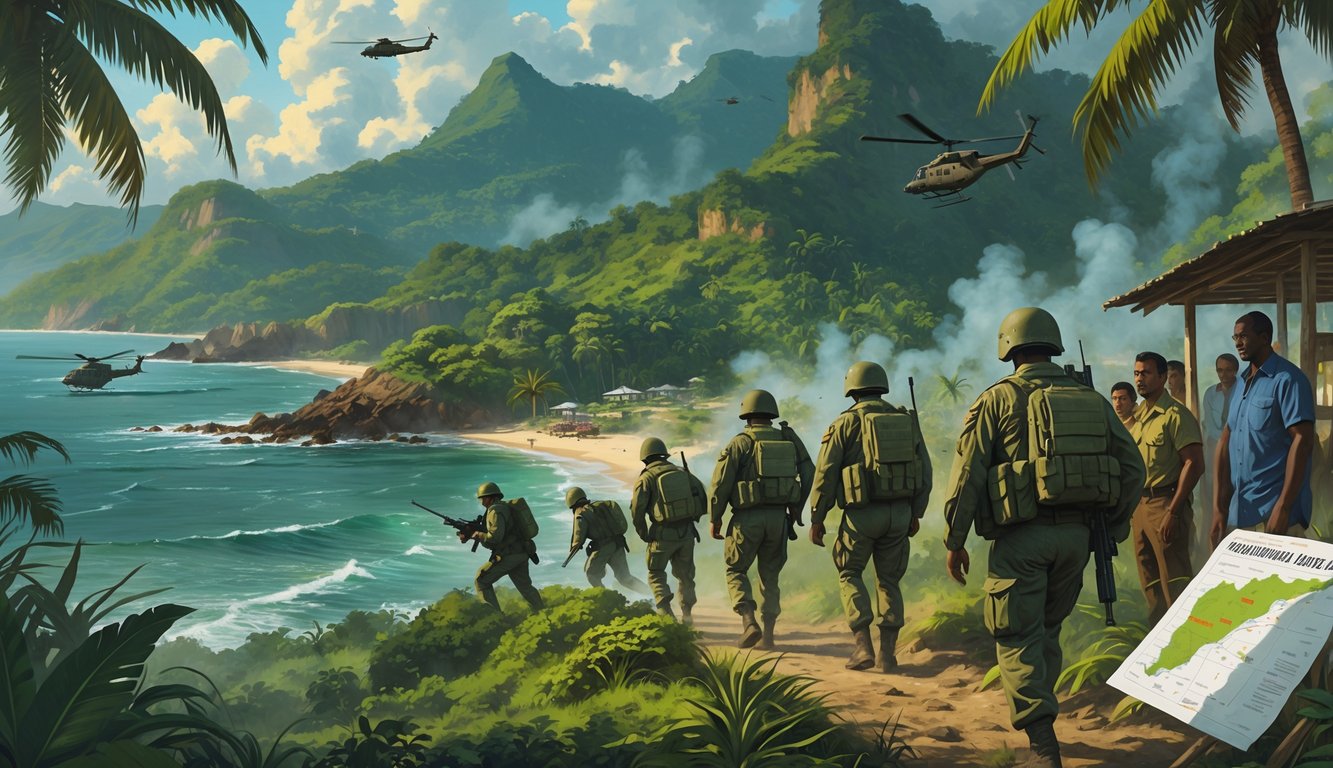
Operation Urgent Fury, the 1983 U.S. invasion of Grenada, is still surrounded by mystery and debate. Many people question what really happened behind closed doors and on the battlefield.
U.S. Invasion Unanswered Questions
The U.S. intervention in Grenada shocked much of the world. Officials said it was needed to protect American citizens and restore order after a violent coup.
There has always been debate over what threats actually faced U.S. students and whether the level of military force was justified. The role of the Governor-General was also surrounded by rumors.
He was officially protected and rescued, but details about his communication with British Commonwealth representatives and U.S. planners remain unclear. Some wonder if he privately supported the intervention or felt he had no other option.
Why were some documents about the invasion of Grenada kept classified for so long? The relationship with other Caribbean nations and the quick U.S. reaction still spark speculation.
Many believe more happened than what officials explained to the public. More on these debates can be found at the Joint Chiefs of Staff’s historical overview.
Operation Urgent Fury Tactical Puzzles
Military history experts still puzzle over tactical details from the invasion. Communication problems led to confusion among U.S. forces on the ground.
Some helicopters were shot down, and unplanned clashes broke out with Cuban and Grenadian troops. The reasons for certain route choices and attack timings still prompt debate.
Army Rangers had key objectives, including capturing Salines Airport and securing the True Blue Campus at the Grand Anse Medical School. Some historians note that plans were constantly revised under pressure.
Reports mention that soldiers faced unexpected resistance, such as anti-aircraft fire and armored vehicles. These surprises suggest that intelligence was incomplete or outdated.
Military analysts still argue over whether better planning could have reduced risks for U.S. troops. For more about these tactical issues, see the combat operations account and war history details.
Natural Disasters and Unexplained Events
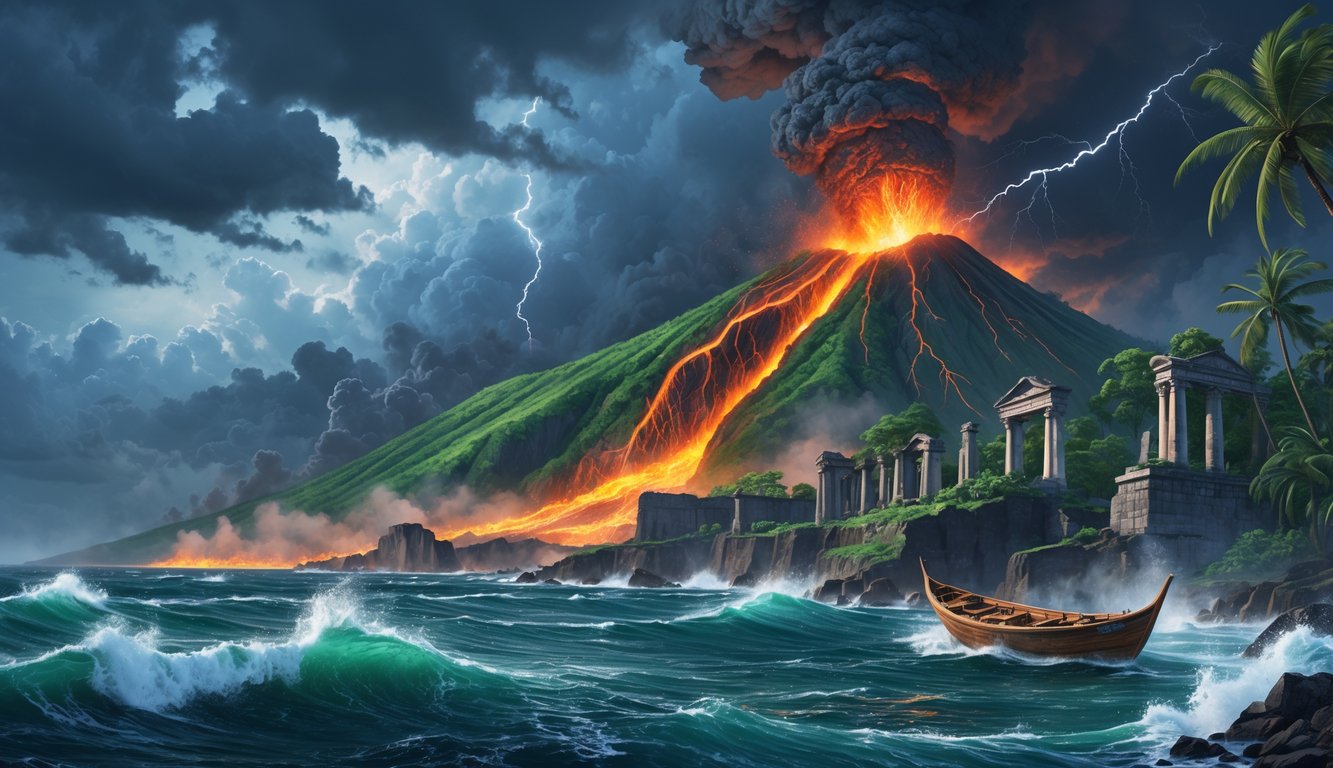
Grenada has faced major storms and natural disasters that tested the island’s strength. Local stories and community memories show how people have coped and adapted.
Hurricane Ivan’s Mysterious Impact
Hurricane Ivan struck Grenada in September 2004. Winds over 120 mph destroyed nearly 90% of homes.
Some parts of the island suffered much more damage than nearby communities, even though they were close together. Farmers noticed that certain crops survived almost untouched, while others nearby were destroyed.
Scientists and locals debate why Ivan’s path was so uneven and unpredictable. Some think the island’s hills, valleys, and microclimates may have redirected winds.
Others believe it was a rare weather event that scientists do not fully understand. Many see the recovery after Ivan as a symbol of Grenada’s resilience.
This matches cases worldwide where natural disasters leave researchers searching for answers, as shown in lists of unsettling natural disasters.
Storm Legends and Survivor Folklore
Grenadian families often pass down stories about great storms and strange events during or after those times. Some elders recall glowing lights over certain hills during hurricanes.
Others talk about old trees that seemed to protect clusters of homes behind them. Many speak about ancestors who warned of signs before storms, like sudden silence from wildlife or strange ocean colors.
These tales blend observations with folklore, creating a unique island storytelling tradition. Some residents believe local charms or rituals helped shield their towns.
Others mention mysterious voices warning them to stay indoors. Stories like these keep Grenada’s history and resilience alive across generations.
Sacred Sites and Architectural Wonders
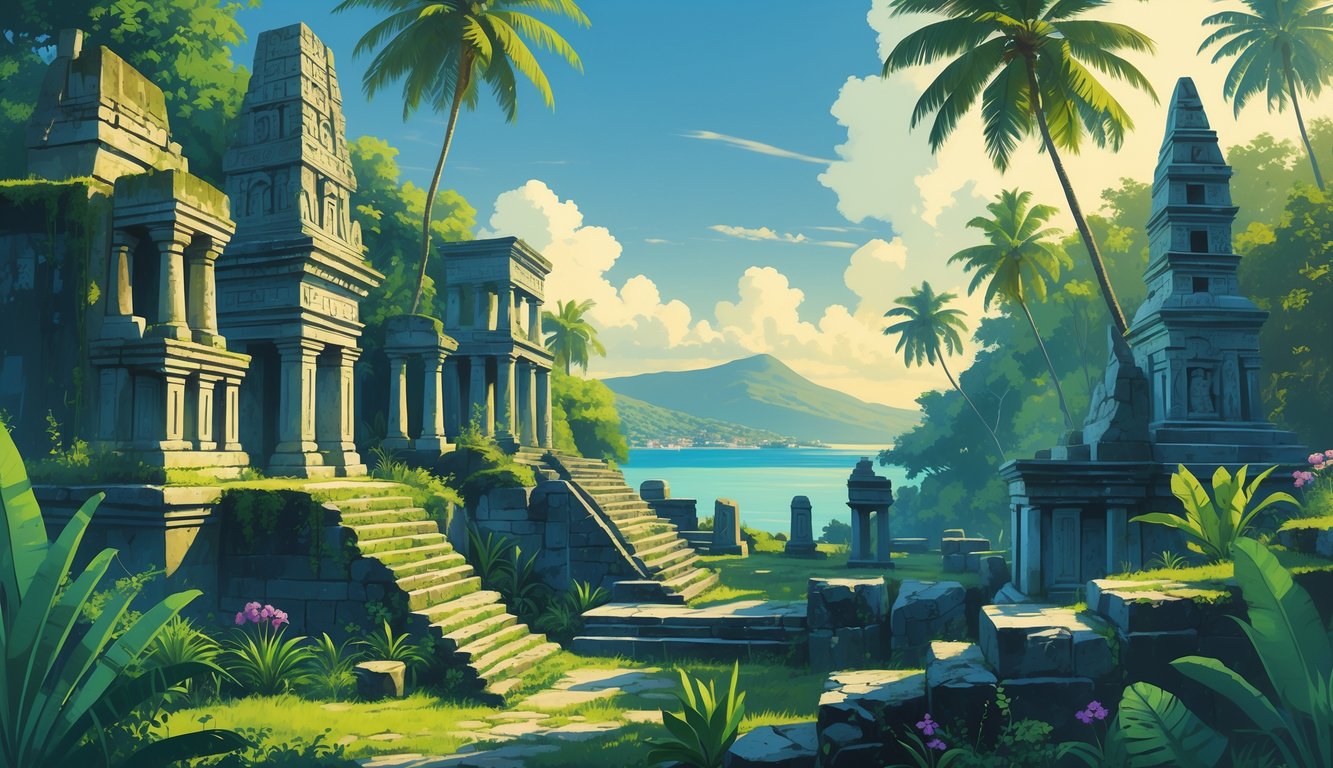
Grenada’s history comes alive through its churches and forts. These sites have stood through wars, hurricanes, and centuries of change.
St. George’s Anglican Church History
St. George’s Anglican Church is one of Grenada’s oldest religious landmarks. Built in the early 19th century, it is known for its stone architecture and steep, red-tiled roof.
Over the years, the church has faced several storms and restorations, including heavy damage from Hurricane Ivan in 2004. Inside, visitors see original wooden pews and stained-glass windows that survived the test of time.
The church’s position on a hill gives it a view of St. George’s Harbor. This makes it an important spiritual and cultural site.
Key features:
- Early 1800s construction
- Survived multiple hurricanes
- Stained glass and woodwork
- Panoramic harbor views
Parts of the church remain unrestored, hinting at stories still hidden within its walls.
Ancient Forts’ Hidden Features
Grenada has several colonial forts, including Fort George, Fort Frederick, and Fort Matthew. These forts guarded St. George’s from pirates and invading European powers.
Today, visitors enjoy sweeping panoramic views over the city and ocean from these sites. Many explore the tunnels beneath Fort Matthew and the thick stone walls of Fort George.
Secret chambers and narrow passageways, once used by soldiers, add to the forts’ air of mystery. Evidence of old cannons and gun placements still remains.
Some forts, like Fort George, played a key role in both colonial rule and independence struggles. Fort Frederick is known for its cross-shaped design and less-documented lookout points.
Grenada’s forts are more than military ruins—they hold hidden stories and architectural secrets.
Cultural Traditions, Folklore, and Unexplained Customs
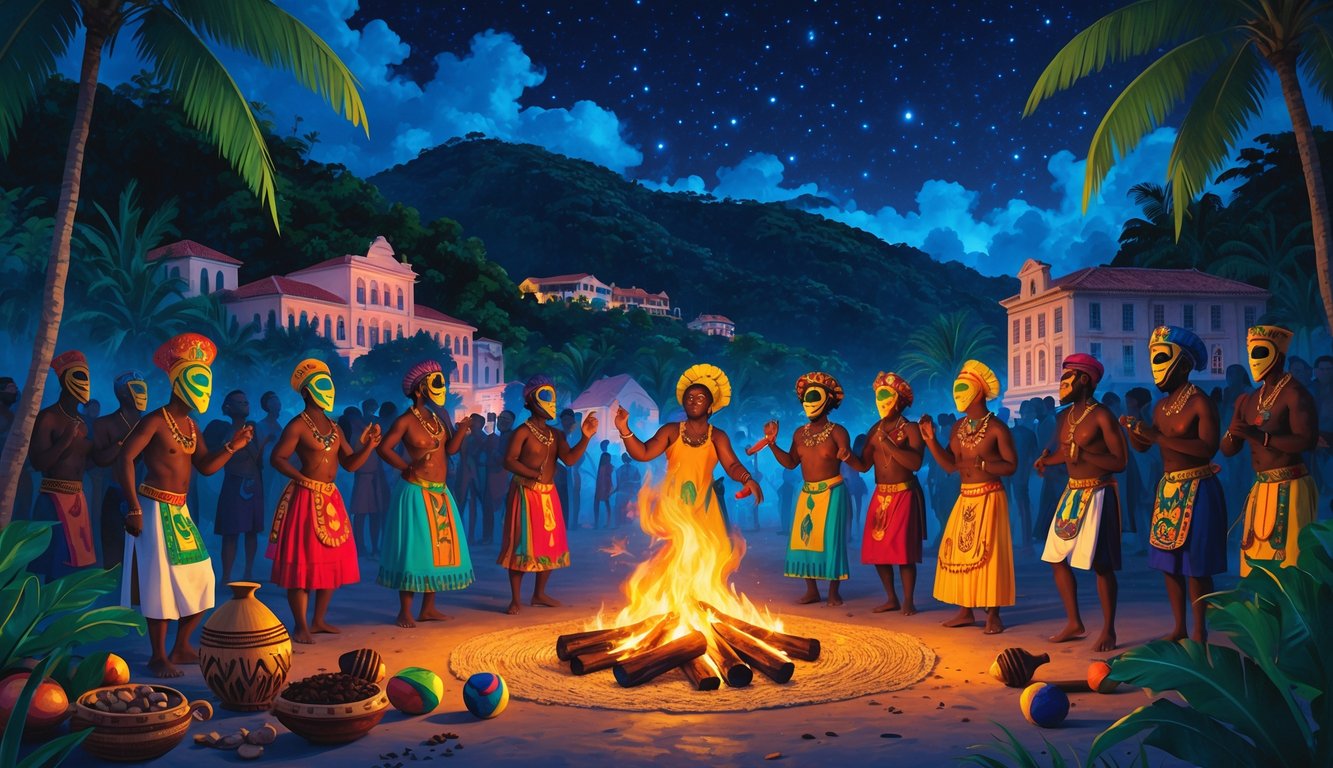
Grenada’s culture blends African, French, and British influences. Many traditions carry stories that are centuries old, while others have mysterious beginnings.
La Grenade: Name and Identity Origins
The name “La Grenade” raises questions about its origin and meaning. Some believe it comes from the Spanish city Granada, while others think it refers to the island’s shape, which looks like a pomegranate.
Over the years, French and British colonizers gave the island different names, each leaving a mark. Grenada’s identity also comes from oral histories and legends.
Folklore often mixes local myths from African and Caribbean roots. Families share tales of how Grenada got its name, but no single story is agreed upon.
The debate over the island’s true name highlights its complicated history and diverse cultural heritage.
Carnival’s Mysterious Beginnings
Carnival is Grenada’s most famous festival, but its origins are unclear. Some say it started as a celebration among enslaved Africans, blending African music and dance with European traditions.
Others believe it evolved from secret gatherings during colonial times. The word “carnival” itself suggests both feast and secrecy.
Early celebrations included costumes, masks, and outlandish performances. Today, Carnival bursts with music and color, but some customs—like jab jab devils and midnight street dances—remain unexplained.
Grenadian folklore is a big part of Carnival. Performers act out old legends and local traditions that have lasted through generations.
Each year, people look forward to new stories and mysteries during the festivities.
The Persistent Enigma of Grenada’s Unique Wildlife

Grenada is home to rare animals found nowhere else in the world. Some native species have mysterious stories that even scientists are still trying to understand.
Grenada Dove: Disappearance and Rediscovery
The Grenada dove is one of the rarest birds on the planet. It lives only on this Caribbean island.
For years, people feared it was extinct because of rapid habitat loss and hurricanes. In the 1990s, researchers spotted a few doves in the wild again.
These sightings gave hope, but the population is still very low. Estimates suggest fewer than 200 doves remain.
The bird’s survival depends on protecting Grenada’s shrinking forests. Local and international groups work together to study the dove and save its last habitat.
You can learn more about Grenada’s unique animals and conservation efforts at Grenada Wildlife and Conservation.
Modern Mysteries and Unsolved Questions
Grenada is known for its rich history, but many secrets remain hidden. Some locations hold puzzling clues about the island’s past, leaving both locals and visitors curious about what may still be out there.
Secret Rooms of the Grenada National Museum
The Grenada National Museum sits in the heart of St. George’s. It is famous for its displays of artifacts related to agriculture, fishing, and chocolate production.
The museum also draws attention for its mysterious sealed rooms and locked closets. Staff and archaeologists have mapped most of the building.
Stories circulate about forgotten chambers below the old prison cells. People also talk about hidden passages from its days as a French barracks.
Some visitors claim to notice strange air currents near bricked-up doorways. Others report hearing unusual sounds in those areas.
The museum’s guides sometimes mention these tales on group tours. They point out areas that are off-limits.
Researchers do not know if these hidden rooms hold anything valuable. The mystery attracts history lovers and curious travelers.
River Antoine Rum Distillery’s Untold Stories
The River Antoine Rum Distillery is the oldest functioning water-powered distillery in the Caribbean. Visitors come to see how traditional rum is made.
The site also holds secrets that workers and historians still try to understand. Some think that old storage rooms and tunnels under the distillery hide documents or equipment from centuries ago.
The thick stone walls may have once protected records of Grenada’s early agriculture and trading routes. The distillery is surrounded by lush fields where sugar cane, a main ingredient for rum, still grows.
Workers often share tales of hidden bottles and forgotten recipes. These stories add mystery to the daily production.
Travel writers and filmmakers visit the distillery, hoping to unlock more about Grenada’s historical sites and rum heritage.