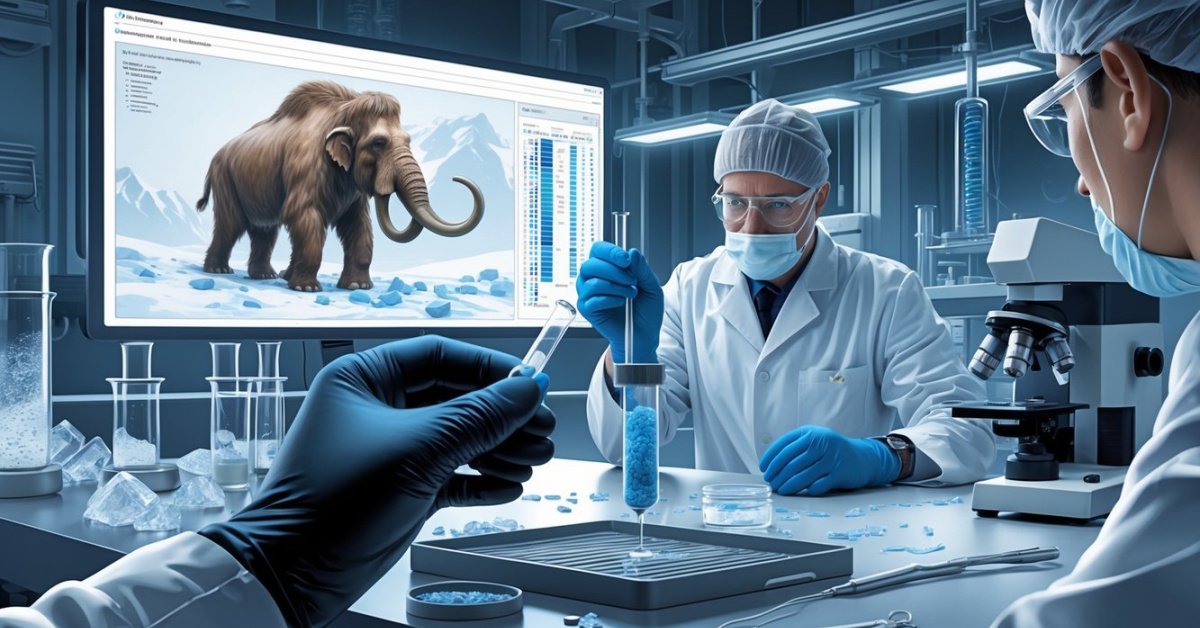
Bringing back the woolly mammoth is now a real scientific goal, not just a movie idea. Advances in genetics let scientists recover and study ancient DNA from frozen remains in Siberia and other Arctic regions.
Researchers believe that if they find enough intact genetic material, they can create a living animal with many traits of the extinct Ice Age giant.
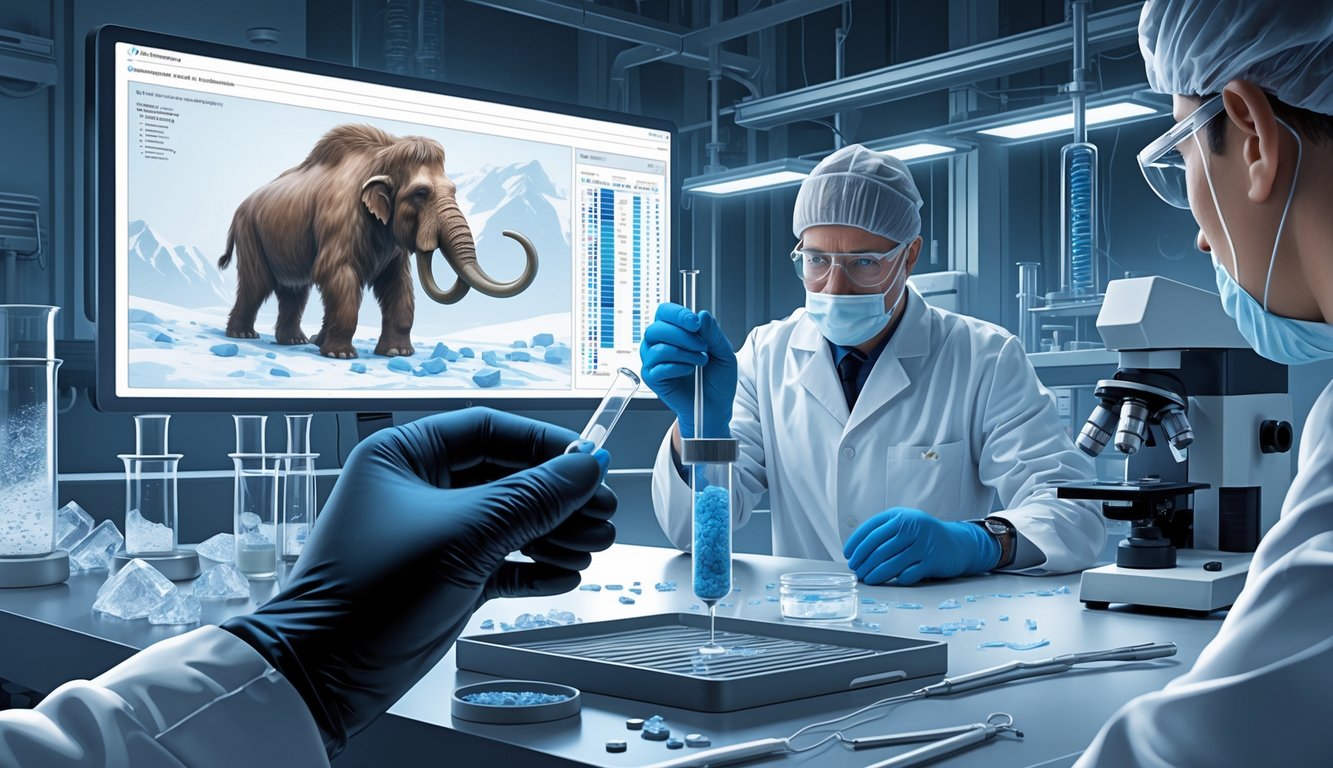
Scientists search for viable DNA by examining preserved mammoth bones, tusks, and hair. They hope to find DNA sequences that have survived thousands of years in permafrost.
Harvard geneticist George Church leads projects that combine recovered mammoth genes with those of the Asian elephant, the mammoth’s closest living relative. The goal is to produce a hybrid that could thrive in cold environments.
This work sparks excitement and debate. Some people see it as a way to restore lost biodiversity or help combat climate change by reviving grazing patterns from the Ice Age.
Others worry about the ethics and ecological risks of bringing back a species that vanished long ago.
The Quest to Clone the Woolly Mammoth
Scientists combine preserved mammoth DNA with the genetic material of modern elephants. They use advanced genetic tools and careful planning to create a living animal with mammoth traits.
Reviving an Ice Age Giant
The woolly mammoth lived during the last Ice Age and disappeared thousands of years ago. Frozen remains in Siberian permafrost have preserved hair, skin, and sometimes soft tissue.
Researchers extract DNA from these remains and compare it to the genome of the Asian elephant. They aim to find and copy genes for thick fur, fat layers, and cold resistance.
Some scientists use genome editing to insert mammoth genes into elephant DNA. Others try cloning, but intact mammoth cells are very rare.
Projects described by National Geographic show how these methods could work.
Key Players in the Mammoth Project
Research groups around the world work on the mammoth project. George Church’s team at Harvard focuses on creating an elephant-mammoth hybrid for cold environments.
Colossal Biosciences, a company aiming to bring mammoth traits back by 2027, partners with geneticists, conservationists, and biologists. They combine science with possible environmental benefits.
Teams in Russia, Japan, and South Korea also study preserved mammoth remains. Some recover DNA, while others develop embryo implantation techniques using surrogate elephants.
Collaboration between these groups helps share data and improve success rates.
The Role of Geneticists
Geneticists analyze ancient DNA to map the mammoth genome and find genes for unique features. They use tools like CRISPR-Cas9 to edit elephant DNA and add mammoth traits.
This editing requires precision to avoid harmful mutations and to help the animal develop normally.
Geneticists also work with reproductive specialists to plan embryo development. Some suggest artificial wombs, while others rely on female Asian elephants as surrogates.
This overview shows how their work connects lab research to real-world challenges.
Searching for Viable Woolly Mammoth DNA
Scientists search for and extract genetic material from long-extinct woolly mammoths. They focus on well-preserved remains in frozen environments and work to overcome technical limits of ancient DNA survival.
Frozen Mammoth Discoveries in Siberia
Siberia’s permafrost keeps woolly mammoth remains well-preserved. Subzero temperatures slow decay, keeping soft tissue, hair, and bone intact for thousands of years.
Sometimes, frozen mammoths are found with skin, muscles, and even internal organs still visible. Melting permafrost during warmer months often exposes these remains.
Notable finds come from the Yamal Peninsula and Yakutia region. These specimens provide researchers with well-preserved DNA samples.
Such discoveries are rare. Local hunters or herders often notice unusual shapes in thawing ground ice and recover the remains.
The location, depth, and temperature of the find affect DNA quality.
Challenges of DNA Preservation
Ancient DNA breaks down over time from oxygen, water, and natural chemical reactions. Even in permafrost, DNA strands become short fragments.
Freezing slows this process but does not stop it. Temperature changes, microbes, and ice crystals can damage cells.
Contamination is a big problem. Modern DNA from humans, animals, or plants can mix with ancient samples during excavation or handling.
Researchers work in sterile labs to prevent contamination. They use advanced screening to separate mammoth DNA from other sources.
Recent Advances in DNA Recovery
New genome sequencing techniques let scientists piece together DNA from tiny, damaged fragments. Researchers have reconstructed a 52,000-year-old woolly mammoth genome, offering new insights.
Cryogenic drilling now helps extract samples without thawing, which reduces further DNA damage.
Bioinformatics tools compare mammoth and modern elephant DNA, helping fill in genetic gaps. This makes it possible to create a more complete genome, even if no single specimen has perfect DNA.
These advances improve the chances of finding usable genetic material for de-extinction.
Genetic Engineering and Cloning Techniques
Scientists use advanced genetic engineering and cloning to recreate traits of the extinct woolly mammoth. They rely on preserved DNA, modern lab tools, and the close genetic relationship between mammoths and Asian elephants.
CRISPR Gene Editing
CRISPR lets scientists change specific parts of an animal’s DNA. For the woolly mammoth, researchers identify genes for thick hair, fat insulation, and blood oxygen regulation.
They extract these genes from preserved mammoth remains and use CRISPR to insert them into Asian elephant cells.
This method creates elephant cells with mammoth-like traits. National Geographic explains the goal is not a perfect clone, but an elephant adapted to cold.
Somatic Cell Nuclear Transfer
In Somatic Cell Nuclear Transfer (SCNT), scientists replace the nucleus of an egg cell with the nucleus from a donor cell containing mammoth DNA.
After the transfer, the egg is stimulated to divide and develop into an embryo. Scientists would then implant this embryo into a surrogate mother, likely an Asian elephant.
The main challenge is that mammoth DNA is often damaged. HowStuffWorks notes that scientists may need to repair or replace missing genetic material before SCNT can succeed.
Hybridization with Asian Elephants
Hybridization mixes mammoth and Asian elephant DNA to create an animal with traits from both species. This method avoids the need for a complete mammoth genome.
Researchers insert mammoth genes into elephant embryos to produce hybrids that can survive cold climates. This could also help endangered Asian elephants by expanding their habitat range.
Projects like those by Colossal Biosciences aim to add more mammoth traits over generations, moving closer to a true Ice Age giant.
The Role of Asian Elephants in De-Extinction
Asian elephants share a close evolutionary link with woolly mammoths. Their biology and reproductive traits help scientists test cloning and gene-editing methods.
Genetic Similarities to Woolly Mammoths
Asian elephants are the woolly mammoth’s closest living relatives. Studies show they share about 99.6% of their DNA.
This lets scientists focus on replacing only a small part of the genome with mammoth genes.
Key traits for editing include thick fur, fat storage for cold, and hemoglobin suited for low temperatures.
Researchers use preserved mammoth DNA to find these traits. By comparing genomes, they pinpoint the exact sequences to modify in elephant cells.
This genetic similarity makes the project less complex. It also increases the chances that hybrid embryos will develop normally.
Colossal Biosciences says these similarities are a main reason for choosing the Asian elephant in de-extinction work.
Surrogate Mother Potential
Asian elephants can carry large herbivore pregnancies, making them suitable as surrogates for mammoth embryos. Their size, reproductive cycle, and physiology match what a mammoth calf would need.
A typical elephant pregnancy lasts about 22 months, the longest of any land animal. This long gestation allows complex traits to develop fully.
Using elephants as surrogates avoids the need for artificial wombs, which are still experimental. Scientists plan to implant edited embryos into female elephants for natural development.
However, this raises ethical concerns about the health risks to surrogate mothers. Some experts warn that the process could harm already endangered elephant populations.
From the Ice Age to Extinction
The woolly mammoth lived in cold, open landscapes where temperatures stayed below freezing for much of the year. It survived on sparse vegetation and endured long, harsh winters.
Life During the Last Ice Age
During the last Ice Age, woolly mammoths roamed the tundra and steppe regions of North America, Europe, and Asia. These areas had frozen ground and short grasses, with few or no trees.
Woolly mammoths grew long, curved tusks that could reach over 4 meters. They used these tusks to sweep snow aside and reach plants.
Their thick, shaggy coats and a layer of insulating fat kept them warm in extreme cold. Mammoths traveled in herds for protection and to find food.
They ate grasses, sedges, and small shrubs. In winter, they dug through snow to find buried plants.
Archaeologists have found evidence that humans hunted mammoths for meat, hides, and bones. Cave paintings and preserved remains show details about their size, diet, and behavior.
| Feature | Adaptation Benefit |
|---|---|
| Thick fur coat | Insulation against freezing temps |
| Fat layer | Stored energy and warmth |
| Curved tusks | Cleared snow to reach plants |
Causes of Woolly Mammoth Extinction
Woolly mammoths went extinct about 4,000 years ago. Scientists think several factors caused their decline.
As the Ice Age ended, warmer temperatures melted ice sheets and turned the tundra into forests and wetlands. Open grasslands shrank, leaving less food for mammoths.
Humans hunted mammoths for food, clothing, and shelter materials. Even small increases in hunting put more pressure on their populations.
Genetic studies show that shrinking populations led to inbreeding, which caused health problems. Some isolated groups survived longer on islands, but they also disappeared.
| Feature | Adaptation Benefit |
|---|---|
| Thick fur coat | Insulation against freezing temps |
| Fat layer | Stored energy and warmth |
| Curved tusks | Cleared snow to reach plants |
Potential Environmental Impacts of Mammoth Revival
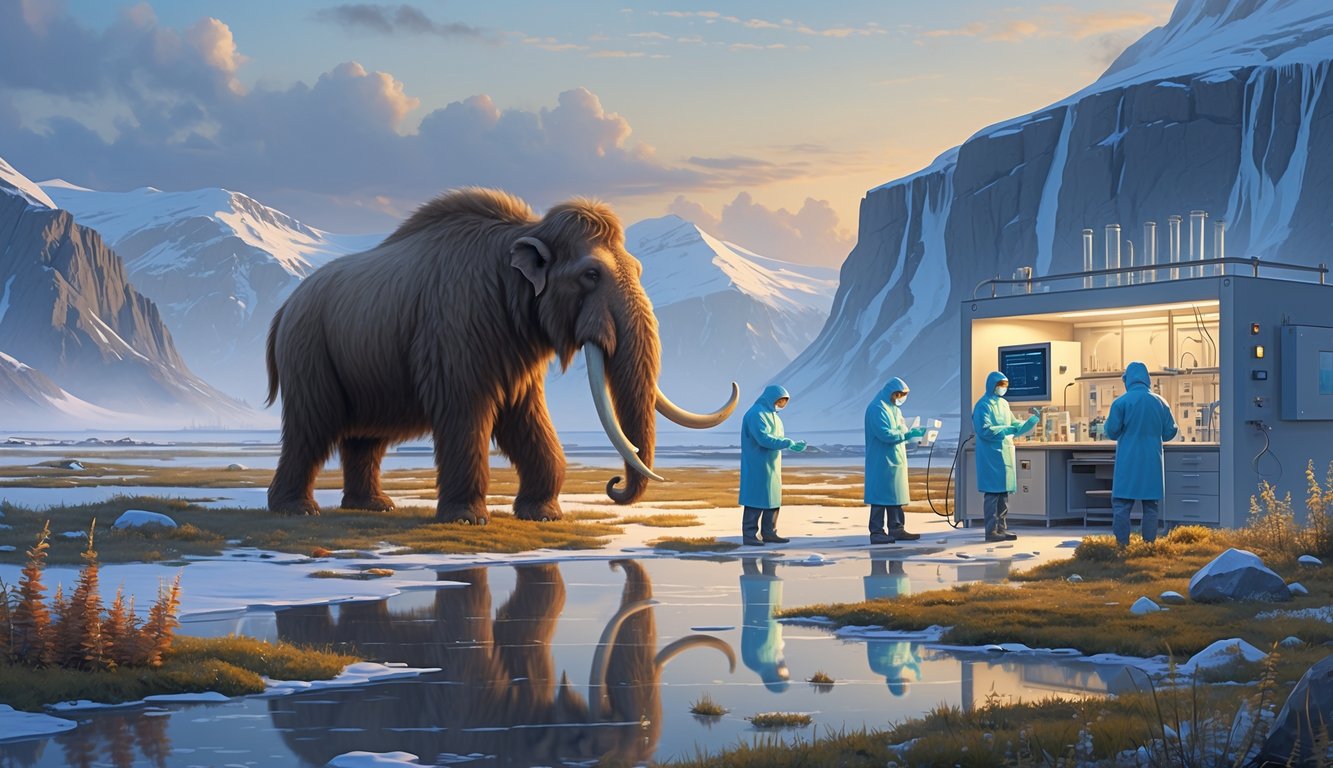
Scientists believe that reintroducing large herbivores like the woolly mammoth could change Arctic landscapes. Their grazing and movement may influence vegetation, soil stability, and the condition of frozen ground.
Restoring the Arctic Tundra
The Arctic tundra has mosses, shrubs, and small plants. Without large grazing animals, shrubs spread, trap snow, and insulate the ground.
Woolly mammoths, like modern bison, could trample and eat shrubs. This activity may encourage hardy grasses to grow.
Grasses reflect more sunlight than shrubs and could help keep the ground cooler. In places like Pleistocene Park in Siberia, researchers have introduced bison, horses, and reindeer, which led to more open grassland.
Mammoths could add to this effect by breaking up ice layers with their weight and movement.
Key potential benefits:
- More grassland replacing shrub-dominated areas
- Increased plant diversity in some regions
- Changes in snow distribution from animal movement
Scientists note that the tundra ecosystem is complex. Adding a large herbivore could have unpredictable effects on smaller animals and plants.
Mitigating Permafrost Thaw
Permafrost is frozen soil that stores large amounts of carbon. When it thaws, it can release greenhouse gases like methane and carbon dioxide.
If mammoths knock down trees and shrubs, they could expose more ground to cold winter air. This might help keep the permafrost frozen longer.
Grazing could also reduce snow cover, allowing deeper freezing in winter.
A Smithsonian Magazine article notes that mammoth activity could slow permafrost thaw, but the scale of the effect is still uncertain.
Possible impacts on permafrost stability:
| Action by Mammoths | Potential Effect on Permafrost |
|---|---|
| Shrub removal | Less insulation, colder soil |
| Snow compaction | Deeper winter freezing |
| Soil disturbance | Mixed results, depending on location |
Climate scientists caution that mammoths alone cannot stop permafrost loss from global warming. They may be only one part of a broader conservation strategy.
Ethical Concerns and Debates
Efforts to clone the woolly mammoth raise questions about animal welfare, conservation resources, and lessons from science fiction. Scientists, ethicists, and the public discuss practical and moral risks along with possible benefits.
Animal Welfare Issues
Cloning a mammoth would likely require living elephants as surrogate mothers. This process could cause physical strain and emotional distress for the elephants.
Elephant pregnancies last nearly two years, and the procedure might need several failed attempts before success. There are also concerns about the quality of life for a cloned mammoth.
If the animal is born with health problems from damaged DNA, it could suffer from chronic illness or disability. Some researchers say creating an animal for curiosity or research, without a clear care plan, may be unethical.
Others believe that if scientists can ensure proper welfare, the project could be justified.
Conservation Priorities
Conservation groups worry that de-extinction funding could take resources from endangered species alive today. Elephants and many other animals face habitat loss and poaching, yet receive less attention than mammoth revival.
Projects like the woolly mammoth cloning attempt need advanced labs, skilled staff, and long-term care. These costs could compete with programs that restore habitats or prevent extinctions.
Supporters say de-extinction could lead to new technologies that help living species. Critics say the same tools could come from direct conservation work without the risks of introducing a species gone for thousands of years.
Jurassic Park Comparisons
Bringing back a prehistoric animal often reminds people of Jurassic Park. Dinosaurs cannot be cloned due to lack of DNA, but the story shows the unintended consequences of reviving extinct species.
In the film, scientists underestimate the difficulty of controlling a species in a modern ecosystem. Real experts share similar concerns, warning that mammoths could change habitats in unpredictable ways.
Some believe these comparisons offer valuable caution. They remind researchers to consider ecological balance, disease risks, and the limits of human control before starting large de-extinction projects.
Current Progress and Notable Projects
Scientists are making progress in using genetic engineering to recreate traits of the extinct woolly mammoth. They combine preserved mammoth DNA with living elephant cells to produce animals adapted to cold environments.
The Woolly Mammoth Project
The Woolly Mammoth Project, led by geneticist George Church, uses CRISPR gene editing to insert mammoth DNA into Asian elephant cells. The goal is to create an elephant-mammoth hybrid that can survive in Arctic conditions.
Researchers target genes for thick hair, fat layers, and cold-resistant blood. These traits could help the hybrid live in tundra habitats.
Scientists now edit multiple genes at once and grow modified cells in the lab to check for mammoth traits. If successful, the next step could be creating embryos and implanting them in surrogate elephants.
This step is complex due to ethical, biological, and logistical challenges.
Colossal Biosciences Initiatives
Colossal Biosciences is a biotechnology company working on de-extinction and species preservation. Since 2021, it has pursued the mammoth project alongside other conservation goals.
The company recently created genetically engineered “woolly” mice with mammoth-like traits. This shows that scientists can transfer ancient DNA traits into living animals.
Colossal also developed a key stem cell line for Asian elephants. This could be used to grow embryos with mammoth DNA.
Their timeline estimates a cold-adapted elephant-mammoth hybrid could be born within a few years. This depends on solving major technical problems.
Future Prospects and Challenges
Bringing back the woolly mammoth requires precise genetic engineering, reliable cloning, and careful ecological planning. Scientists must also consider the risks of reintroducing extinct species into modern environments.
Technological Hurdles
Cloning a woolly mammoth needs well-preserved DNA. Most remains are thousands of years old, and DNA breaks down over time.
Researchers use DNA from the Asian elephant, the mammoth’s closest living relative, to fill in missing genetic sequences. Even with CRISPR gene editing, assembling a complete genome is hard.
Scientists must identify which genes control traits like thick fur, fat layers, and cold tolerance. Embryo development is another challenge.
Current techniques involve placing edited embryos into surrogate elephants, raising concerns about the health of both surrogates and offspring. Laboratory-grown artificial wombs could lower these risks, but the technology is not ready for large mammals.
The timeline for a living mammoth remains uncertain, even with ambitious goals such as projects aiming for revival by 2027.
Prospects for Other Extinct Species
The same genetic engineering methods could help revive other extinct species. Candidates include animals with close living relatives, like the dodo and the passenger pigeon.
Species with preserved DNA and clear ecological roles have the best chance of revival. For example, the Pyrenean ibex was briefly cloned in 2003, though it survived only a few minutes after birth.
Scientists consider the impact on ecosystems. Reintroducing an extinct species could restore lost functions, but it might also disrupt current wildlife.
Careful habitat studies and small-scale trials are essential before any large-scale release. Some researchers see these projects as a way to protect biodiversity, while others warn of unpredictable outcomes if extinct species return to the wild.
Conclusion and the Path Forward
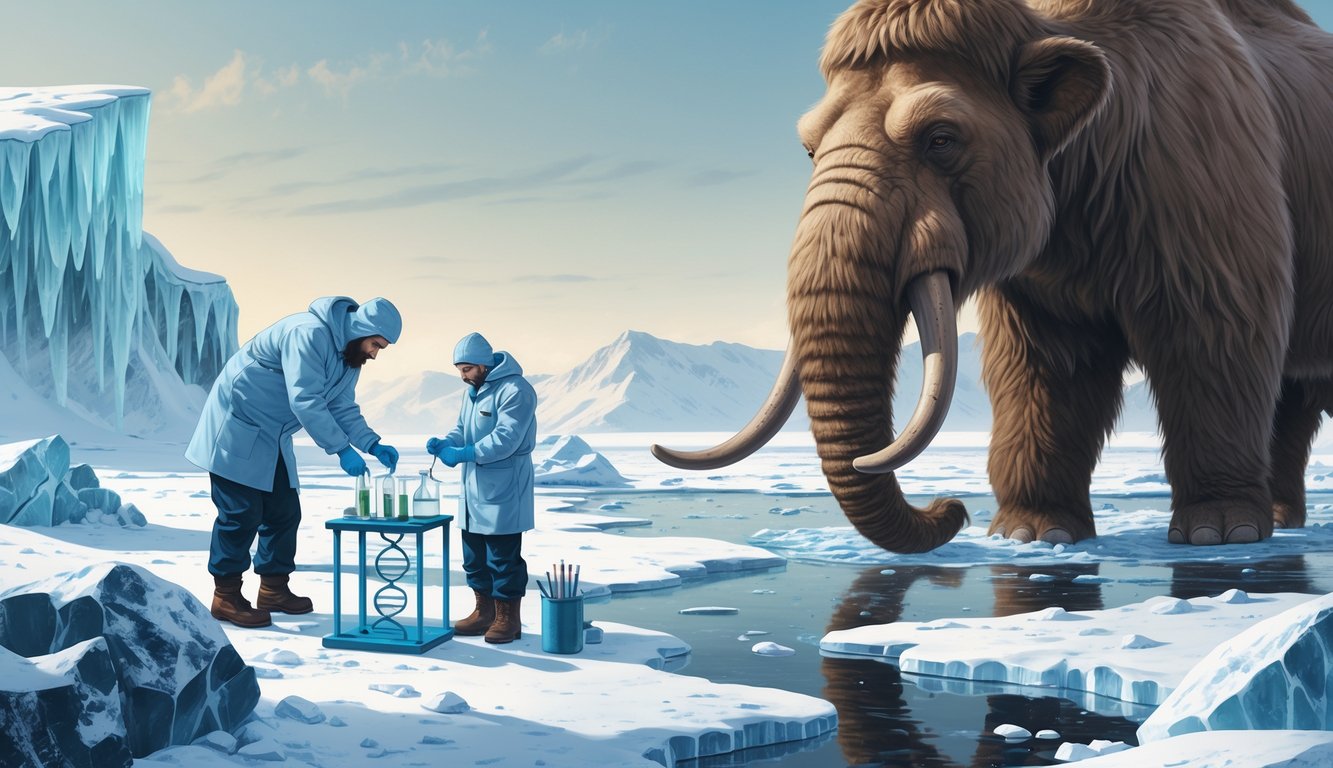
Scientists study frozen mammoth remains to find usable DNA. They often discover these remains in Siberian permafrost, where cold temperatures preserve genetic material.
Teams use genome editing to mix recovered mammoth DNA with DNA from the Asian elephant. The Asian elephant is the mammoth’s closest living relative.
Researchers aim to create a hybrid animal that has key mammoth traits. Some projects, such as those at Colossal Biosciences, hope to produce the first calves in a few years.
Timelines depend on the quality of DNA, embryo development, and whether surrogates succeed. Scientists face several challenges.
Key challenges include:
- DNA degradation over thousands of years
- Finding healthy elephant surrogates
- Ensuring the animal can adapt to modern ecosystems
Ethical questions remain. Researchers debate if reintroducing a mammoth-like animal could help restore Arctic grasslands or disrupt current wildlife.
The next steps focus on improving cloning and editing techniques. Teams also test embryo viability and monitor ecological effects before any release.
By combining paleogenetics, conservation planning, and careful oversight, researchers try to balance innovation with responsibility as they work to bring back the Ice Age giant.