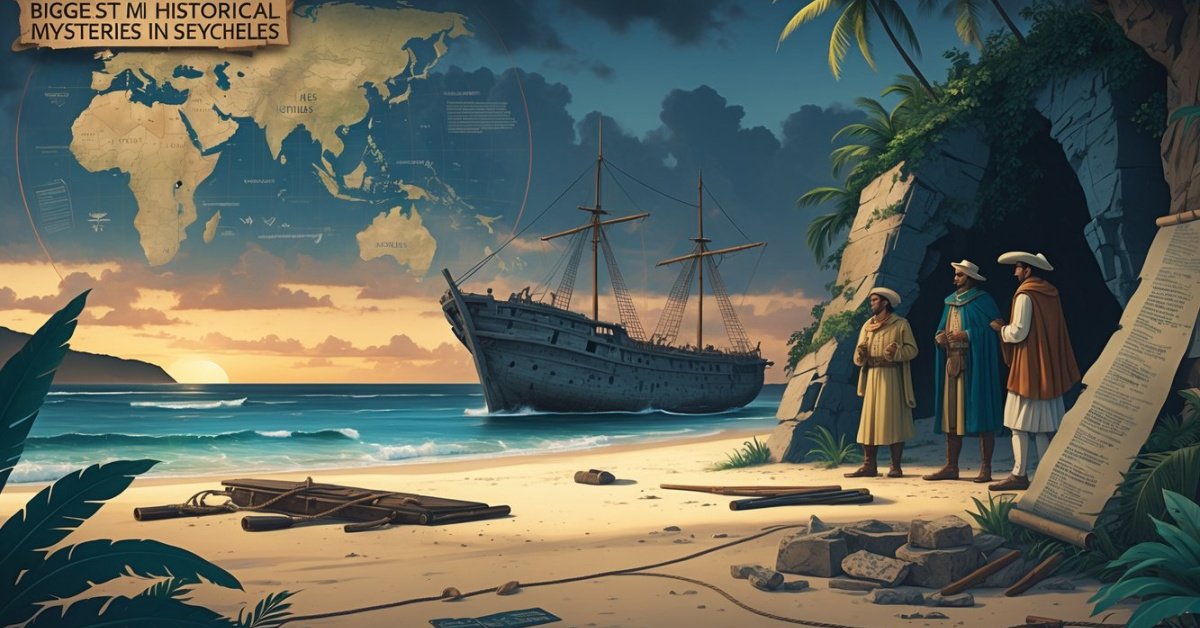
Seychelles, a small island nation in the Indian Ocean, has a rich history filled with unanswered questions, ancient tales, and lost treasures.
The biggest historical mysteries in Seychelles include hidden pirate gold, unexplained legends from the “Island of Plenty,” and the true stories behind early explorers and settlers.
These mysteries are a big part of what makes the islands so fascinating for both locals and visitors.
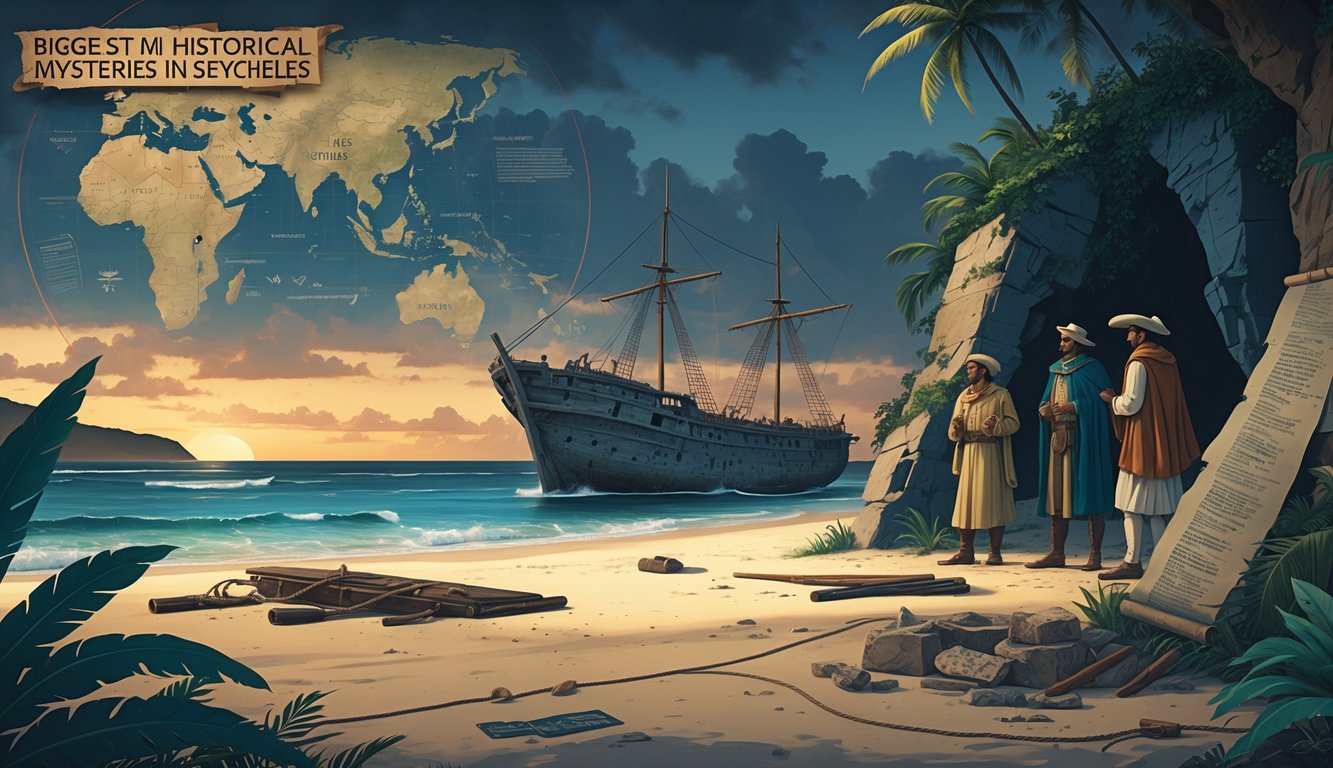
Rumors of buried pirate treasure on remote beaches have circulated for generations.
Legends, old shipwrecks, and the real identity of early sailors add more layers to the islands’ mysterious past.
Anyone interested in adventure or the unknown will find Seychelles full of surprising tales that spark the imagination.
There are plenty of clues found in legends and local stories.
Seychelles remains a place where history, folklore, and mystery live side by side.
For more about the history and unique legends of the islands, you can visit this page on the legends and myths of Seychelles.
The Legend of Olivier Levasseur’s Buried Treasure
Olivier Levasseur, also called La Buse, is a famous name among pirates in the Indian Ocean.
People have searched islands near Victoria, Seychelles for his legendary hidden fortune, chasing clues and codes left behind centuries ago.
The Mystery of La Buse’s Cryptic Clues
Olivier Levasseur, known as “La Buse” or “The Buzzard,” gained fame for his pirate raids across the Indian Ocean in the early 1700s.
When authorities executed him in 1730, Levasseur reportedly threw a cryptic message or necklace with a coded note into the crowd, challenging onlookers to find his treasure.
This message became known as the Levasseur Cipher.
It is a complicated cryptogram said to point to the location of one of the richest pirate treasures in history.
Despite many attempts, no one has fully decoded his puzzle or discovered the stash.
The buried treasure is rumored to lie somewhere in or around the Seychelles islands, but the exact spot remains unknown.
The value of the hoard has been estimated in modern times as being worth millions or even billions, but no solid proof has ever been found.
Find more about the tale at historic mysteries and Discovery UK.
Victorian Era Treasure Hunts
Interest in Levasseur’s treasure grew during the Victorian era.
By the late 1800s, rumors spread through seafaring circles in Europe that untold riches were hidden in the Seychelles.
Adventurers set out for Victoria, hoping to crack the puzzle and unearth the fortune.
Many explorers brought copies of the cipher and old pirate maps.
Some claimed to have found small artifacts, but none uncovered the main treasure.
Reports from these years filled newspapers, exciting treasure hunters and inspiring new expeditions.
The idea that pirates left vast wealth fueled many more trips to the Indian Ocean.
The legend turned Seychelles into a hotspot for treasure seekers.
Recent Expeditions and Unsolved Puzzles
Modern searches for Levasseur’s buried treasure continue.
Teams of explorers still visit the Seychelles, using advanced technology like ground-penetrating radar and underwater scanners.
They dig on remote beaches and explore hidden caves around the islands.
Despite these efforts, no one has brought clear evidence of Levasseur’s gold or jewels to light.
The exact solution to the cryptogram remains a mystery, and no solid proof of the treasure has surfaced.
Some believe clues may still be hidden in plain sight, waiting for the right person to solve the puzzle.
The story inspires books, documentaries, and local legends in Victoria and beyond.
The promise of finding La Buse’s secret loot keeps adventurers coming back to these islands in search of a fortune that continues to hide in shadows.
For more on ongoing expeditions, visit ExplorersWeb and Areas Grey.
Enigmatic Mermaid Sightings Around Seychelles
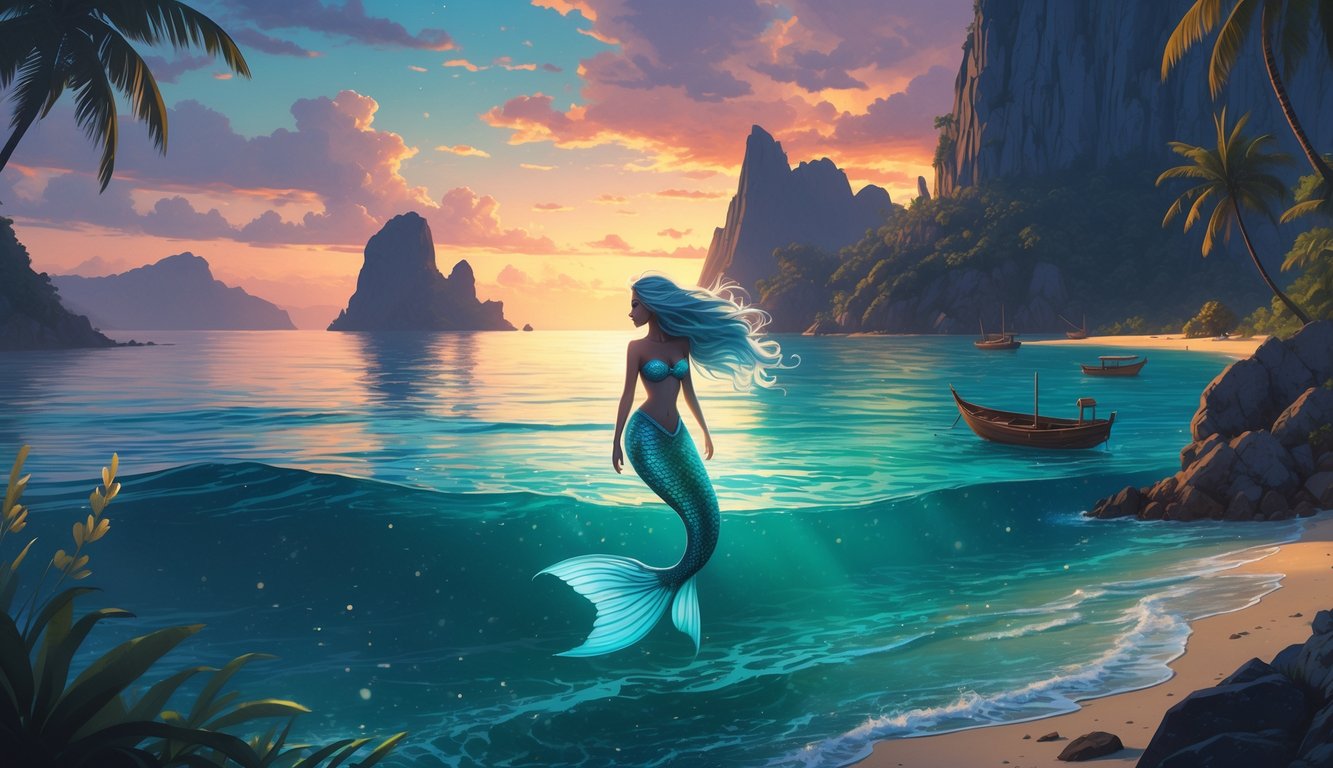
The Seychelles islands have long been home to stories of mysterious mermaid sightings.
Legends describe strange creatures, unexplained encounters, and a deep connection between marine life and local folklore.
Historical Accounts of Mermaid Encounters
Sailors and islanders have shared stories about spotting aquatic mermaids in the Seychelles for generations.
Many claim these sightings occurred in remote lagoons or quiet stretches of coastline.
Old seafaring logs sometimes mention glimpses of women with fish tails or odd sea animals swimming beside ships.
Many tales describe encounters with a figure referred to as the “lady of the sea.”
Explorers visiting Seychelles centuries ago also recorded tales of strange beings in their journals.
While there’s no evidence, the stories continue to fuel curiosity, attracting visitors interested in the mystery of Seychelles mermaids.
Beliefs About the Lady of the Sea
The “lady of the sea” is a popular figure in Seychelles mythology.
She is often described as both beautiful and mysterious, sometimes said to appear to fishermen or people traveling at dusk.
People believed that seeing her could bring good luck or, in some tales, could be a warning of bad weather.
Local fishermen sometimes left small offerings by the shore before setting out to sea in hopes of pleasing her.
Stories of the lady of the sea reflect broader cultural beliefs in marine spirits.
These beliefs encourage respect for the ocean and its creatures, shaping many local customs and traditions around fishing or seafaring.
Dugongs and the Sea Cow Legend
Many believe that the mermaid myths may have started with sightings of dugongs or sea cows that lived in the region’s waters.
Dugongs are large, gentle marine animals with rounded bodies and flipper-like limbs.
Early sailors who glimpsed a dugong from afar—especially at dawn or dusk—might have mistaken it for a “sea lady.”
Locals sometimes called these animals “sea pig” or “sea camel” because of their size and unique appearance.
Today, the dugong is rare in Seychelles, which adds to the legend’s mystery.
The connection between dugong sightings and mermaid stories shows how real marine life can inspire powerful myths.
More about this legend can be found through the African legends of Seychelles.
The Role of Mythical Creatures in Local Folklore
Mythical creatures such as the Seychelles mermaid and the lady of the sea play an important part in local storytelling.
Island folklore is filled with tales of magical sea beings, haunted caves, and hidden treasures.
These stories help explain the unknown and teach lessons about respecting nature.
Often shared through songs, dances, or family gatherings, they connect each new generation to the past.
Cultural beliefs about sea creatures are not unique to Seychelles.
Many global cultures share mermaid myths, but each version reflects different values and experiences.
In Seychelles, mermaid legends remain a vital link between people, nature, and the traditions that shape island life.
Lazare Picault and the French Settlement Enigma
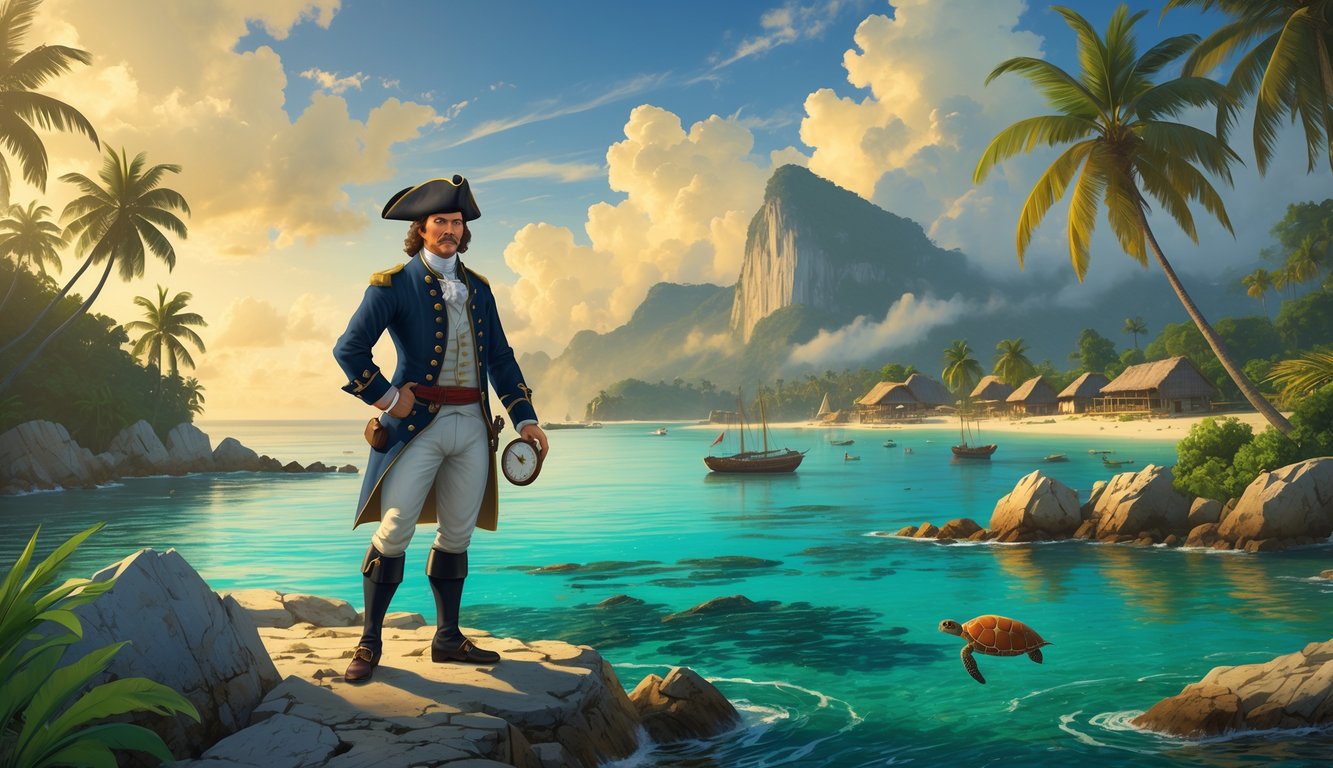
Lazare Picault’s 18th-century voyages changed the course of Seychelles’ history.
His journeys sparked debate and left behind stories that still puzzle historians, especially regarding the arrival of the French and how it shaped the islands.
The Discovery of Praslin and Mahé
Lazare Picault was a French navigator who sailed to uncharted areas of the Indian Ocean in the early 1740s.
In August 1742, he led two ships, the Elisabeth and the Charles, sent by Admiral Mahé de La Bourdonnais from Isle de France (now Mauritius).
Picault named the main island Mahé in honor of his sponsor.
Before his voyages, Arab, Portuguese, and British sailors had passed by, but none conducted serious exploration.
Picault’s landings on Mahé and neighboring islands like Praslin marked the beginning of France’s deep involvement in the Seychelles archipelago.
After anchoring off Mahé, Picault mapped the islands and named landmarks.
Some historians still question whether he truly “discovered” these islands or simply made the first systematic records of lands long known to passing traders.
Ambiguities Around Isle de France
The exact motivations behind Picault’s missions remain a topic of debate.
Isle de France, modern-day Mauritius, played a strategic role as France’s main base in the Indian Ocean.
Some records suggest Picault was ordered not just to explore, but also to claim the islands and assess their value for the French crown.
A key mystery centers on what instructions Picault actually received.
Some sources say he only planned to chart the coastline, while others believe he was tasked with securing future settlement sites.
These questions make it hard to untangle personal ambition from national interests during the earliest French settlement efforts.
Confusion also lingers over the naming of places.
Mahé was named for La Bourdonnais, while the broader Seychelles may be named after Jean Moreau de Sechelles.
The true reasons behind these choices are unclear but show the political ambitions behind the expeditions.
Colonial Impacts on Culture
French settlement efforts brought big changes to Seychelles society.
The French introduced new crops such as cotton and coconuts and tried establishing spice gardens to supply their colonies and ships.
These efforts reshaped the islands’ natural environment and laid the foundation for a mixed, multicultural population.
The French also brought enslaved people from Africa and Madagascar to work on plantations.
This led to a unique blend of languages, food, and customs that make Seychellois culture stand out today.
Key influences from the period, such as French names for towns and islands, and culinary traditions, are still present.
The legacy of the original settlement—along with questions about what was lost or hidden during early colonization—remains a central part of the history of Seychelles.
Seychelles and the Elusive Clock Tower Mystery
The Victoria Clock Tower stands in the heart of Seychelles.
It marks both a physical crossroads and a cultural one.
The tower is a symbol filled with hidden meanings and has an architectural history shaped by influences that remain unclear.
Symbolism of the Iconic Monument
The Victoria Clock Tower is more than just a timekeeper for the city. Locals call it “Lorloz,” showing how it has become part of their daily lives.
It reminds people of Seychelles’ ties to the British Empire. The islands were once a British colony.
Built in 1903 to honor Queen Victoria, the clock tower became a landmark as soon as it was placed in Victoria, the capital of Seychelles. The monument is modeled after Little Ben, a smaller clock tower near Victoria Station in London.
Its continued presence shapes the identity of Victoria as the capital. The clock tower highlights key moments in Seychelles history.
The clock tower connects both independence and the colonial past, making it a complex symbol. People see it as a piece of history that represents progress, change, and tradition.
Its silver face and striking design attract both locals and tourists. The clock tower stands as an icon for generations.
Unrecorded Influences on Architecture
The clock tower is a known replica of London’s Little Ben, but details of its design process and local influences remain a mystery. No clear records exist about the craftsmen involved or the changes made during its construction in Victoria.
This lack of documentation leaves questions about how Seychelles’ culture may have shaped the structure. Unlike other buildings from the same period, the clock tower’s mix of British, Victorian, and local features stands out.
Its placement at the junction of Independence Avenue and Francis Rachel Street gave it special status as the town’s centerpiece. Over time, small changes and repairs have added new touches.
Few details were ever written down about these adjustments. The missing records about these changes add to the monument’s mystery.
This puzzle makes the clock tower more than just a historical marker. It is a riddle in stone and metal.
Yearning for Independence: Puzzles of Political History
Seychelles has faced many turning points in its quest for self-rule, equal rights, and the end of British rule. These events shaped its society and left lingering questions about power, justice, and national identity.
Path to Independence from Britain
Seychelles was a British colony for more than a century, after being separated from the dependency of Mauritius in 1903. The islands had limited self-government until the late 20th century.
Calls for independence grew stronger after World War II. Local leaders demanded more voice and fair treatment.
People questioned why the transition to independence was slow and sometimes filled with political intrigue. Some events, such as the rapid move to independence in 1976, left unanswered questions about who influenced key decisions and how much real power local politicians had.
Several key figures, like James Mancham and France-Albert René, played major roles in this period. Their rivalry and sudden changes in leadership created tensions that still interest historians today.
For more about how colonial powers and local politics shape major changes, see this analysis of political intrigue in history.
Universal Adult Suffrage and Political Shifts
Universal adult suffrage began in Seychelles in 1967. This allowed every adult citizen to vote and changed the path of local politics.
Before this, only a small part of the population could take part in elections, leaving many voices unheard. The first elections brought significant shifts in who held power.
Some question if votes truly reflected the people’s wishes or if divisions along class and race lines played a bigger part. There were also disputes about how fair campaigns were, with accusations of pressure and unfair advantages.
The adoption of universal suffrage led to the rise of new political parties and leaders. Seychelles soon faced a coup in 1977, adding another layer of mystery to the nation’s democracy and the motives behind political alliances.
Abolition of Slavery and Its Impact
Slavery ended in Seychelles in 1835, following British laws to stop the slave trade across their colonies. The islands had been a center for the slave trade under both French and British rule.
After abolition, thousands of former slaves became part of Seychellois society. True equality took much longer to achieve.
People still wonder about the fate of freed slaves. Many were left without land or resources, while a few former slave owners kept power and wealth.
The scars of slavery shaped the islands’ social structure. Historians look at property records, old letters, and church documents to learn more about daily life during and after the slave era.
Between lost histories and hidden stories, the mystery of how abolition really changed Seychelles endures.
Intrigues of Post-Colonial Leadership
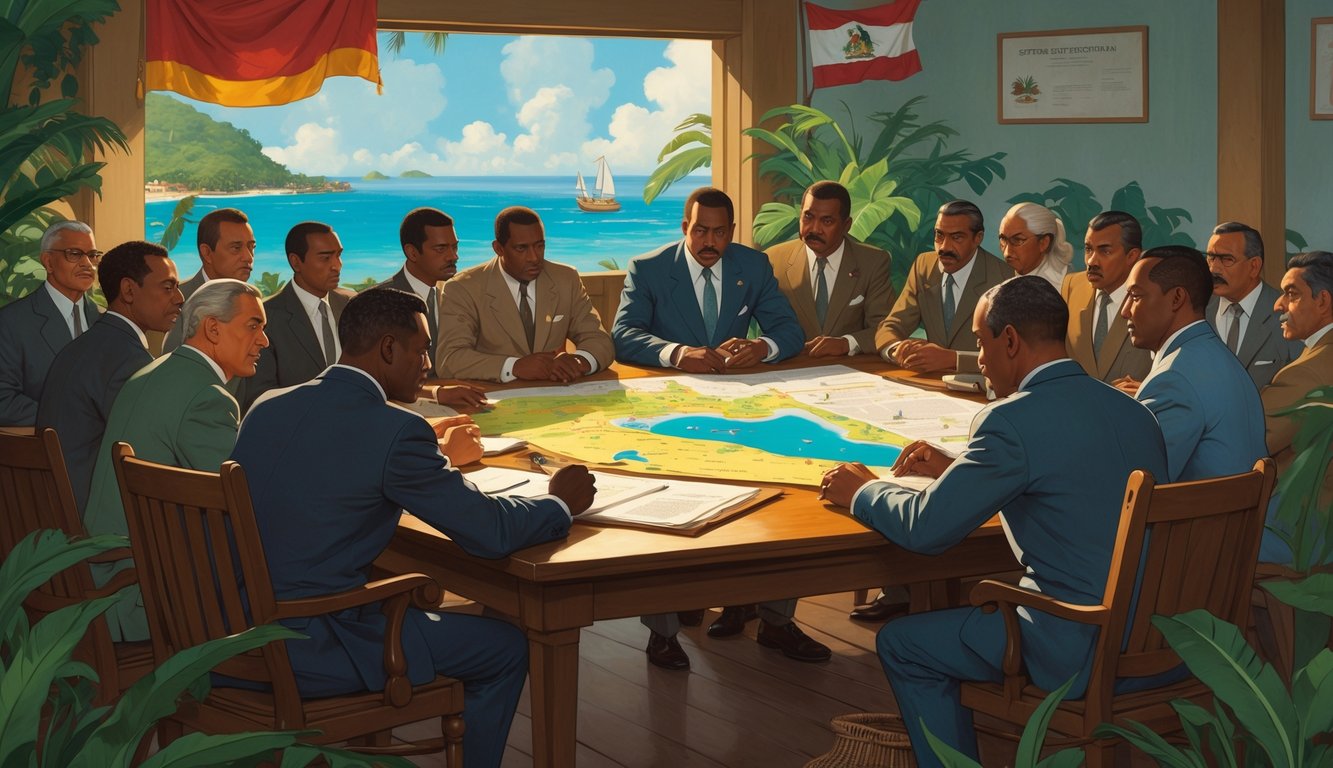
Political power in Seychelles has changed hands in dramatic ways since independence. Key figures shaped the country’s direction, and their actions continue to be discussed and debated.
The Overthrow of James Mancham
James Mancham served as the first president after Seychelles gained independence from Britain in 1976. He came to power hoping to build a peaceful, new nation.
Just a year later, in 1977, France Albert Rene led a coup to overthrow Mancham. The suddenness of the coup shocked many.
Mancham was attending a Commonwealth meeting in London when the takeover happened. He had little chance to resist and could not return to protect his role.
People still discuss the motivations and planning behind the coup. Many question how much support Rene had from the people and whether outside forces were involved.
These debates add to the intrigue of Seychelles’s early years of independence. The event remains one of the biggest mysteries in Seychelles history.
France Albert Rene’s Era
France Albert Rene ruled from 1977 to 2004. He first led as a socialist with a single-party system and focused on state control of industry and the press.
Under his leadership, Parti Lepep became the central political force in the country. His era brought economic changes such as tourism growth and better infrastructure.
Political freedoms were sometimes limited. Critics often reported arrests, censorship, and lack of open elections.
People continue to debate Rene’s legacy. Supporters say he brought stability and development, while critics point to restricted rights and secrecy in government.
Parti Lepep and Danny Faure’s Influence
Parti Lepep stayed powerful after Rene stepped down, guiding Seychelles through further political changes. James Michel and later Danny Faure became presidents under the party’s leadership.
Danny Faure took office in 2016. He focused on bringing greater transparency and political reforms to the country.
Faure led efforts for open elections and created space for more voices in government. His presidency marked a break from older styles of leadership.
Many wonder about the lasting impact of Parti Lepep’s long grip on power. The party’s influence and secrets from earlier decades remain topics of interest and further research in Seychelles history.
Coco de Mer: Natural Wonder and Symbol of Fertility
The Coco de Mer is a rare palm found only in Seychelles. It produces the largest seed in the plant kingdom.
Its unique shape and role in local traditions have made it a fascinating part of Praslin Island’s history. Today, it is a protected treasure.
Historical Importance in Seychellois Culture
The Coco de Mer is instantly recognizable because the seed looks like a pair of human hips. For centuries, this striking appearance led to stories linking the fruit with fertility, love, and mystery.
Locals have called it the “love nut” and treated it as a powerful symbol of new life and natural beauty. With its deep roots in Seychellois culture, the Coco de Mer has appeared in legends and artworks across the islands.
It grows naturally only on Praslin and Curieuse, making it rare and valuable. In the past, rulers and traders saw it as a prized object and believed it had magical powers.
Today, this connection to fertility and life still inspires locals and tourists. The Coco de Mer appears as a national symbol on coins, stamps, and souvenirs.
Role as a UNESCO World Heritage Site
The most important habitat for the Coco de Mer is the Vallée de Mai on Praslin Island. This ancient palm forest is a UNESCO World Heritage Site because of its biodiversity.
The area protects not only the rare palms, but also endangered birds such as the black parrot. Tourists visit the site to walk through prehistoric landscapes where Coco de Mer trees still flourish.
Guides show how the nut grows, matures, and falls from the tree in a unique way. Strict rules help prevent poaching and over-harvesting.
The unique ecology makes this site precious for scientists who want to study it. Locals also rely on eco-tourism for jobs.
| Location | Unique Features | Conservation Status |
|---|---|---|
| Vallée de Mai | Coco de Mer habitat, rare species | UNESCO protected, limited access |
Unsolved Mysteries of Ancient Seychelles Myths
Seychelles is home to a mix of folklore shaped by African, European, and Asian cultures. Many of its oldest myths still puzzle historians and visitors today.
These legends reveal not just stories but also the deeper history and beliefs of the islands.
Origins of Local Legends
Seychelles legends began with early settlers and enslaved people who mixed their stories with those from their homelands. The islands’ myths often feature magical creatures, spirits, and unusual natural events.
For example, tales of the mysterious Seychelles mermaid are still told and debated. This mermaid is said to live in the lagoons and sometimes cause storms or protect fishermen.
Folklore also includes stories about hidden pirate treasures and enchanted stones. These stories grew as different groups arrived, each bringing their own beliefs and mixing them with local traditions.
As a result, Seychelles mythology became a blend reflecting its unique history and connections to global cultures.
Lists of common mythological figures in Seychelles include:
- The mermaid (zisay)
- Shape-shifting spirits
- Guardian spirits of graves and forests
These beliefs influenced how people explained sudden storms, shipwrecks, or disappearances on the islands.
Influence of Early Seafaring Narratives
Seafarers who visited or settled in Seychelles brought their own myths, especially from Africa, Madagascar, and the Middle East. These tales often mixed stories of real sea monsters and strange islands with legends already present among Seychelles communities.
Pirates believed these islands were haunted or magical, which added layers to local myths about hidden treasures and cursed locations. Many ancient stories describe monsters and spirits that guard islands or punish greedy sailors.
Pirates sometimes left marks on rocks, leading to modern treasure hunts that blend fact and legend. Island folklore is shaped by stories carried across the Indian Ocean as much as by events in Seychelles itself.
Over time, these mystical legends and myths became important in shaping Seychellois cultural beliefs, traditions, and even place names. The folklore of Seychelles serves as a living link between the island’s history and the rest of the world.
Colonial Era Mysteries and Lost Settlements
Seychelles changed a lot between French and British rule. Historians still have questions about settlements and political struggles from this time.
Early French and British Colonial Footprints
The first French settlers arrived in Seychelles in 1770. Their group included French colonists, Africans, and Indians who came to start farms.
Many early settlements disappeared because the buildings were simple and didn’t last. Historians have incomplete records about who lived in these places and what happened to some farms.
After the Napoleonic Wars, the British took control of Seychelles. French customs and language stayed important, even with new British laws and officials.
Historians still debate why French culture remained strong during British rule. British governors tried to promote English customs, but their efforts did not succeed.
The British renamed or abandoned some settlements from the French era. Researchers use old maps, letters, and travel logs to search for these lost places.
Oral stories from local families help fill in missing details, but many facts remain unknown. For more information about this era, visit this history of Seychelles.
Unresolved Conflicts During the French Revolution
The French Revolution in the late 1700s reached Seychelles, which was controlled by Isle de France (Mauritius). Rumors and stories say the revolution caused uncertainty and secret plots on the islands.
Some local leaders supported France, while others faced accusations of helping the British. Few documents remain about real confrontations or secret plans during this confusing time.
Stories tell of French settlers hiding supplies or trying to escape danger, but facts are unclear. Some settlements disappeared during these years, leaving only stone walls or old grave markers in the forest.
The fate of several important people from this period is still unknown. Islanders share legends about lost treasures and missing families.
These mysteries about loyalties, disappearances, and hidden events continue to interest anyone curious about the history of Seychelles.
Enduring Influence of Seychelles’ Mysteries on Tourism
Seychelles’ legends and hidden stories attract visitors who want more than beaches and sunshine. These mysteries connect travelers to the islands’ past and inspire them to explore beyond the coast.
How Legends Shape Cultural Tourism
Seychelles is famous for stories about pirates, lost treasures, and mythical creatures. Legends about pirates hiding on the islands have spread widely.
Local guides share these tales through tours, treasure hunts, and cultural events. Travelers come to hear about mysterious shipwrecks and hidden riches.
For example, some tours feature the legend of Olivier Levasseur, a pirate said to have buried treasure on the islands. These stories make places like Mahé and Praslin Island more interesting.
Local festivals and art shows sometimes highlight these themes, letting visitors join in the culture. The mix of history and legend attracts families, adventure seekers, and anyone curious about the islands.
These mysteries give tourism in Seychelles a special touch. The islands stand out from other Indian Ocean destinations. You can read more about these legends at Seychelles’ pirate legacy.
Preserving Heritage Sites
Seychelles protects its most important historical and natural places for both local people and tourists. For example, Vallée de Mai on Praslin Island is a famous UNESCO World Heritage Site.
This site is home to rare plants like the coco de mer palm. It also has stories of ancient rituals and myths.
Guided walks and educational tours show visitors how these places connect to the country’s history and legends. The government and local groups set rules and support efforts to keep these sites safe for the future.
They balance the rise in tourism with the need to protect their heritage. Maps and visitor centers at these locations often highlight legends found in the area.
This lets tourists experience both the natural wonders and the mysterious stories that make Seychelles special. For more information, see the history of Seychelles tourism.