Senegal sits on the edge of West Africa. It holds secrets from ancient times that still puzzle experts.
This country is home to sites and stories that show how rich and complex its past is. Travelers and historians are drawn to mysteries like lost kingdoms, unexplained artifacts, and people whose lives shaped the region before written records.
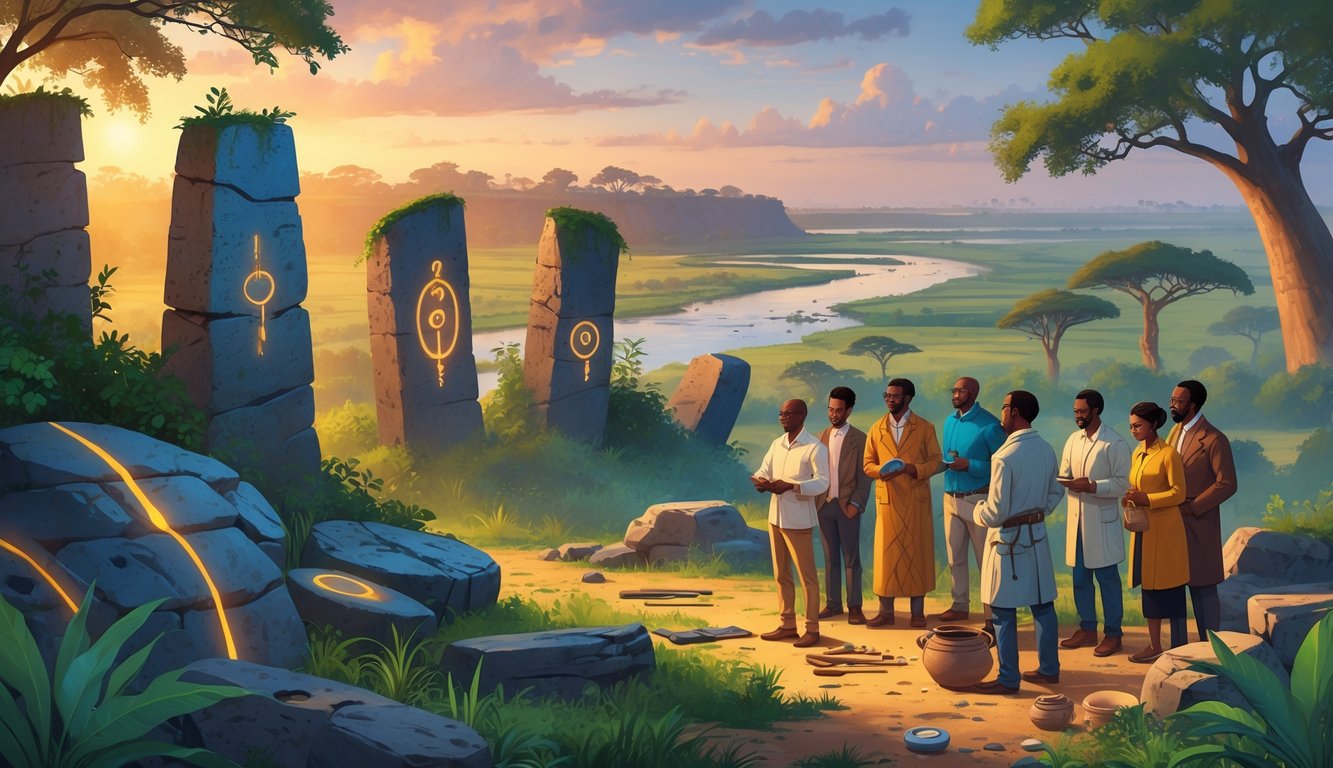
From the enigmatic Senegambian stone circles to hidden sites in Dakar, Senegal’s historical mysteries offer a direct link to West Africa’s past and its cultures. Some wonders, like the Senegambia stone circles, still spark debates over who built them and why.
The country’s historical significance reaches far beyond its borders. Each discovery adds new pieces to the story of West Africa.
Researchers dig deeper and find more clues about old trade networks, ancient art, and the lives of people who once called Senegal home.
The Origins of the Senegambian Stone Circles
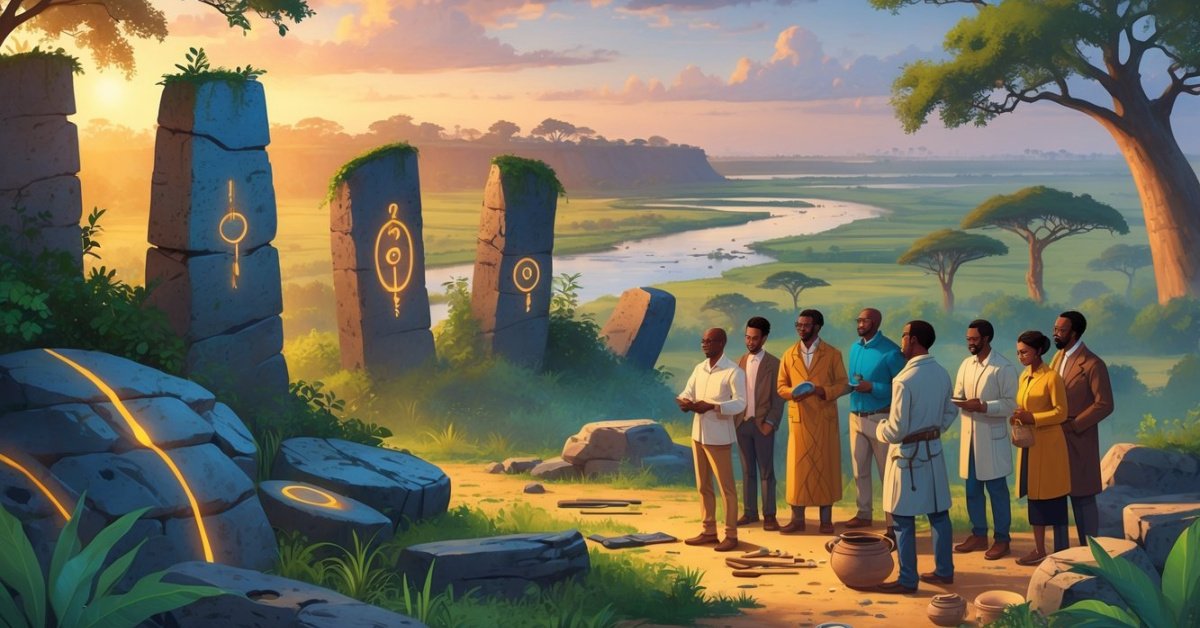
The Senegambian stone circles are a prehistoric monument found in Senegal and The Gambia. Their mysterious architecture, unknown purpose, and important archaeological finds make them a major part of West African history.
Ancient Construction Techniques
The stone circles of Senegal and The Gambia were built using large, reddish stones called laterite. Early builders selected and cut these heavy stones using simple tools.
The largest site, Sine Ngayène in Senegal, includes 52 stone circles. One circle holds over 1,100 stones.
At Wassu in Gambia, some standing stones reach as tall as 2.6 meters. Workers dug trenches, placed the stones upright, and packed earth around the bases to hold them steady.
Arranging so many stones took careful planning. People transported the stones from nearby quarries, sometimes moving them over long distances.
The layout of the circles, often in groups spread across a vast area, shows strong community organization in the ancient society.
Hypotheses About Their Purpose
Scholars have suggested several ideas about why the Senegambian stone circles were built. The most common theory is that these sites were ancient burial grounds for important people or families.
In some circles, stone slabs cover graves containing pottery, iron tools, and human remains. Other researchers think the circles had ritual significance or marked special gathering places.
Some believe they were used for ceremonies to honor ancestors. Others suggest a link to astronomical events due to the alignment of stones.
Despite many theories, the true purpose remains uncertain. The strong effort needed to build each circle points to an important role in the people’s social or religious life.
These structures highlight the cultural significance and technological skills of West Africa’s early civilizations. More information about their ideas and uses is available at Historic Mysteries.
Archaeological Discoveries and Findings
Archaeologists have studied over 2,000 individual sites across Senegal and The Gambia. They have found almost 29,000 stones, showing that the region has the largest group of megalithic stone monuments in Africa.
Excavations uncovered grave goods such as beads, iron weapons, pottery, and bones under some of the circles. These finds add evidence for their use in burials.
Researchers discovered that the stones were placed in patterns beyond simple circles, including double rows and other shapes. Scientific dating methods, like radiocarbon dating, show that people built the circles between the 3rd century BC and the 16th century AD.
These findings help experts understand how these ancient societies lived and what these monuments meant in their daily lives.
Gorée Island and the House of Slaves
Gorée Island near Dakar, Senegal, is a UNESCO World Heritage Site. It is known for its role in the Atlantic slave trade.
The House of Slaves stands today as a powerful symbol and museum. Visitors come to learn about its difficult past and unique architecture.
Role in the Transatlantic Slave Trade
Gorée Island was once a key stop along the West African trade routes. From the 15th to 19th centuries, Portuguese, Dutch, English, and French colonial powers controlled it.
The House of Slaves, built in 1776, is believed to have held enslaved men, women, and children before their forced journey to the Americas. The island became known for the “Door of No Return,” a passage enslaved people walked through before being put on ships.
Historians still debate the number of people who passed through. The site has become a memorial to the victims of slavery, serving as a reminder of the suffering and separation experienced there.
Today, the House of Slaves is both a somber place of memory and an important spot for tourism and historical reflection.
Architectural Features and Layout
The House of Slaves displays a mix of colonial architecture that reflects European influence. It has thick stone walls, small windows, and brick floors.
The building is simple in design but full of symbolic features that tell stories of the past. Its lower level held cramped slave cells, separated for men, women, and children.
The upper floor was used by the traders. A central staircase connects the floors, and the well-known Door of No Return faces the sea.
The layout of the building helps visitors imagine the harsh realities endured by those once held there. The site’s unique structure and preserved layout have made it an important feature among UNESCO World Heritage Sites.
Unraveling the Jolof Empire
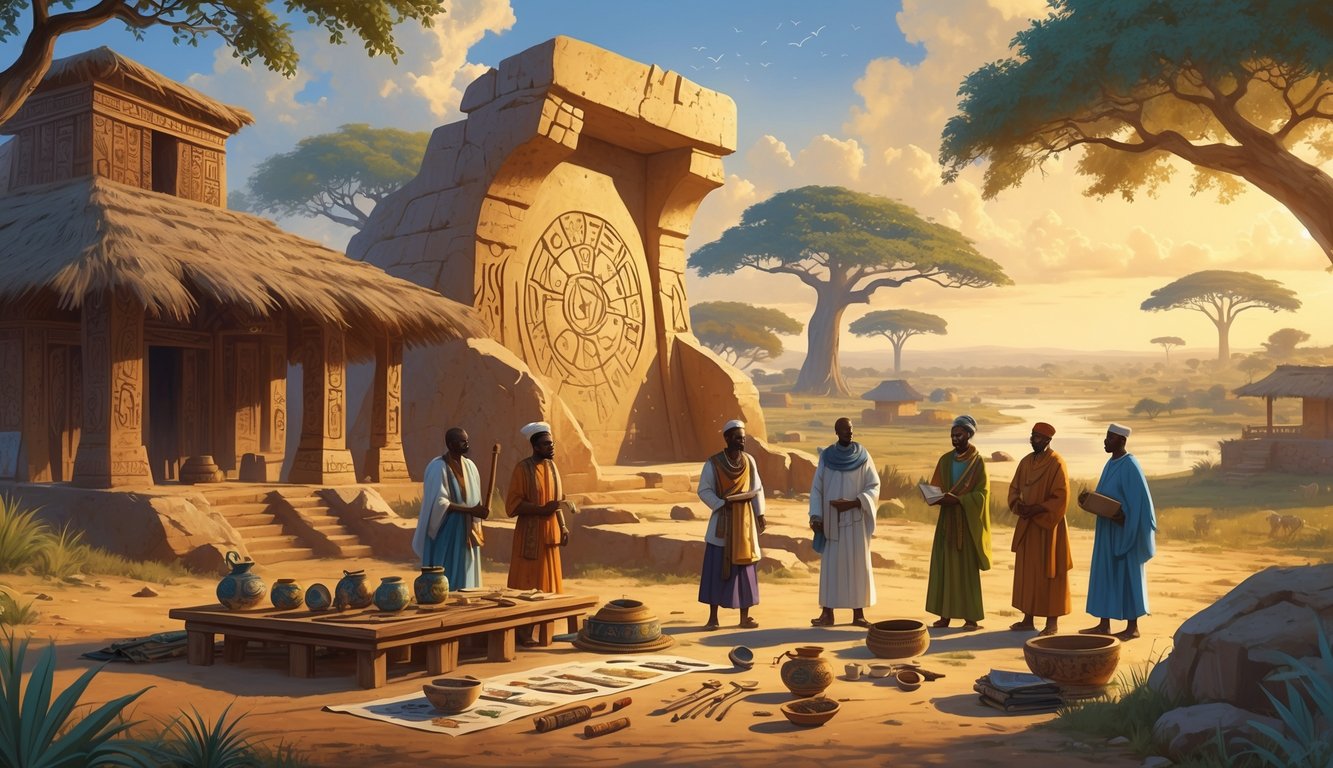
The Jolof Empire shaped much of Senegal’s culture, leadership, and sense of community identity. Its rise and fall provide a window into important events in West African history.
Political Organization and Governance
The Jolof Empire grew in the 14th century and united several ethnic groups, including the Wolof, Serer, and Fula. The empire was ruled by a central emperor known as the Burba Jolof.
Local leaders called Lamanes also held power in their own regions, giving the empire a confederacy structure. A council of nobles advised the emperor, creating a balance between central and regional government.
The Jolof state collected taxes from the kingdoms under its rule. It regulated trade along the Senegal and Gambia Rivers.
Trade was vital to the empire’s success. Goods like gold, salt, and grain moved through its cities, making Jolof important for both internal and regional commerce.
The Jolof Empire’s political organization and governance set a high standard for later rulers in West Africa.
Decline and Legacy
The decline of the Jolof Empire began in the 16th century. Rival kingdoms, such as Cayor and Baol, broke away, weakening the confederacy.
External pressures and new trade routes also reduced Jolof’s influence. By 1549, the empire had split into smaller states.
Even after its fall, Jolof’s cultural heritage continues to shape Senegal. Its traditions, political systems, and sense of community identity live on in the region.
Today, the empire’s enduring legacy is seen in local leadership structures and festivals that celebrate the past.
Mysteries of Ancient Burial Sites
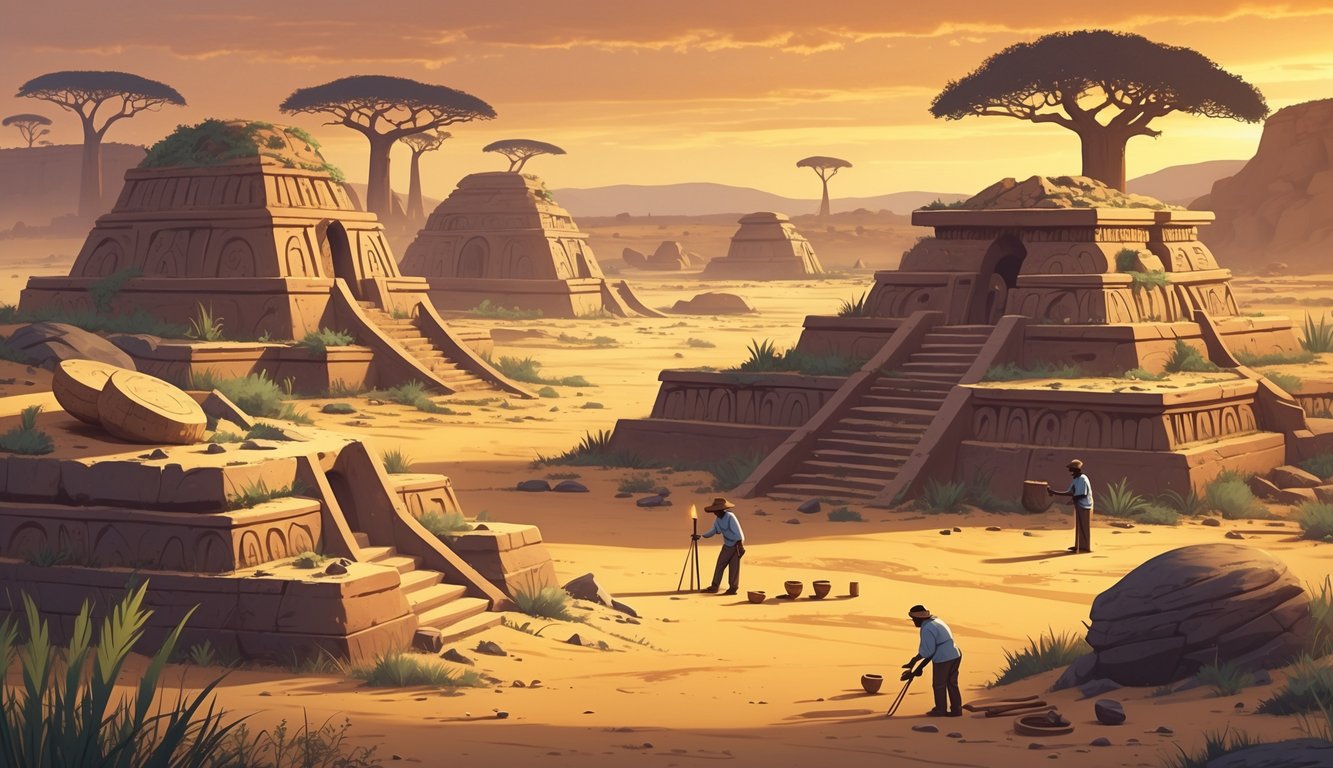
Ancient burial sites in Senegal, like the Wassu Stone Circles, give insight into daily lives and beliefs of early communities. These archaeological sites connect today’s Senegalese culture with centuries-old indigenous traditions.
Burial Practices and Social Status
Across central Senegal, the stone circles are found in places like Wassu. Archaeologists have discovered that these stones often surround burial mounds.
Sometimes, the buried people are placed with grave goods such as iron tools or pottery. Objects found with the dead may show their social status, wealth, or role in the community.
Some burial sites contain only one body, while others have several. Important people or community leaders had special tombs, while others may have shared more simple graves.
Recent digs revealed that the burial sites date back as far as the 3rd century BC and were used up to the 16th century AD. The arrangement of stones, the size of circles, and items buried with the dead point to differences in how people of varying importance were treated after death.
More details on these burial customs are explored at the stone circles of Senegambia.
Common grave goods found at these sites:
| Item | Possible Meaning |
|---|---|
| Iron tools | Status or trade |
| Pottery | Daily use, rituals |
| Beads | Wealth, adornment |
Role in Community Identity
Burial sites like those at Sine Ngayene played a powerful role in shaping local communities. The choice to build circles with hundreds of carved stones and to create burial mounds in the center of villages shows that these places served as more than cemeteries.
They were public spaces where rituals and ceremonies happened. These sites strengthened the identity and unity of the people.
Sitting at the heart of settlements, these sites helped tie daily lives and local traditions together. Over generations, visiting ancestral graves became a way for communities to remember their past and celebrate their roots.
The stone circles remain an important symbol in Senegalese culture. They are protected today as world heritage landmarks.
Archaeological work continues to uncover how much these sites meant to the region’s history and to the indigenous traditions passed down through families.
The Enduring Influence of Colonial Architecture
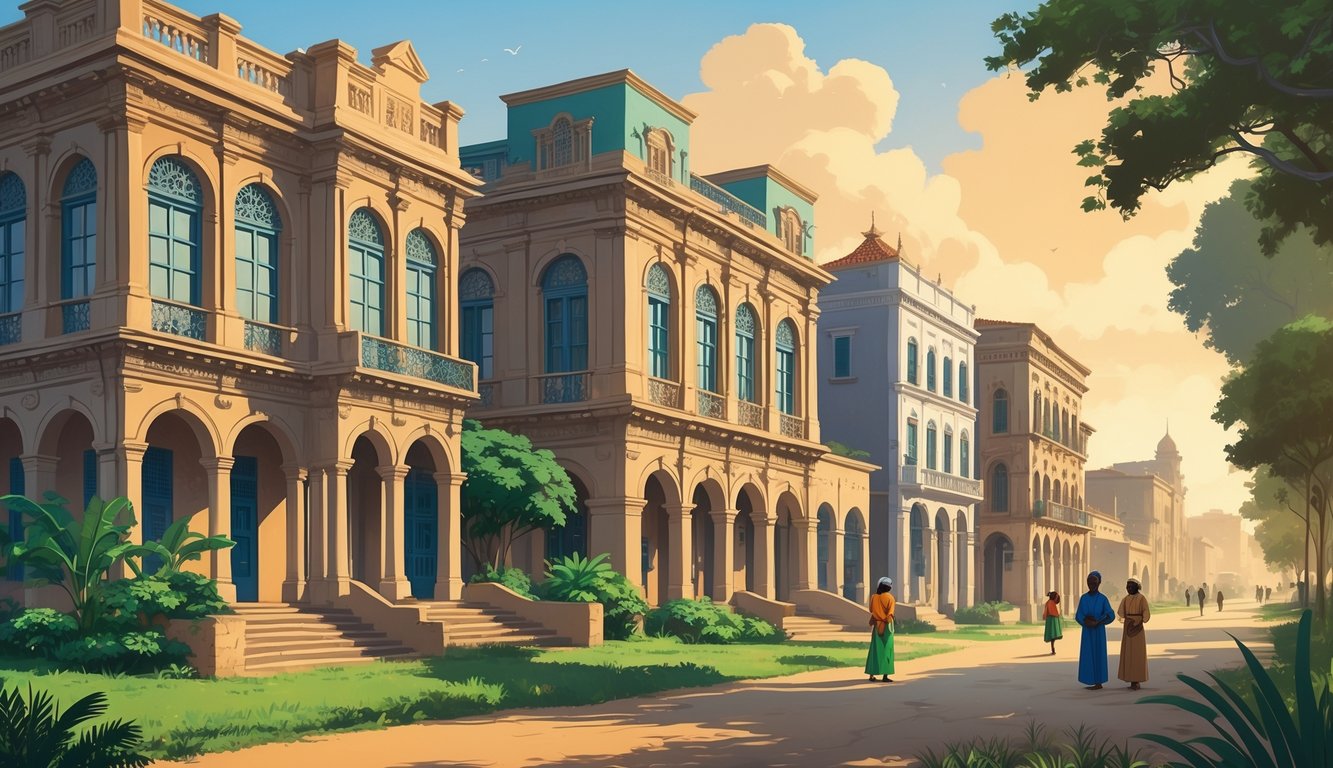
Colonial architecture shapes many Senegalese cities today. These buildings show how history still lives in the country’s streets.
They tell the story of a complex colonial past. These structures are a key part of Senegal’s cultural heritage.
Colonial Influence on Senegalese Cities
Senegal’s cities, especially Dakar and Saint-Louis, feature many buildings with European-style columns, arches, and balconies. The Island of Saint-Louis is known for its well-preserved French colonial architecture and is a UNESCO World Heritage Site.
These designs blend with local styles, creating a unique look. Builders used these methods for homes, schools, government offices, and churches.
Many of these historical sites are protected. They are seen as a symbol of both struggles and achievements from colonial times.
Today, colonial buildings draw visitors, historians, and architects interested in Senegal’s rich architectural heritage. They remind residents of the importance of preserving their cultural identity while embracing the changes that come with development.
The Enigma of Ancient Trade Routes
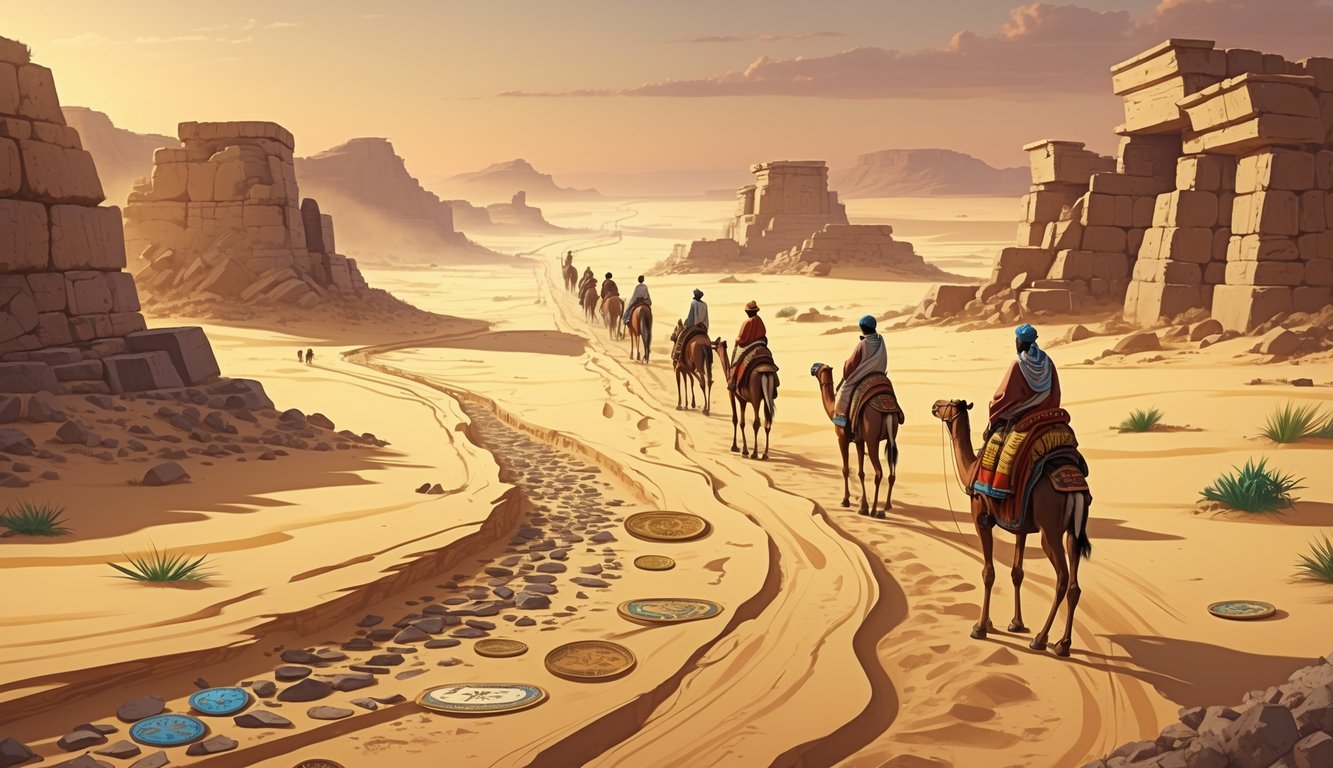
Ancient trade routes in Senegal crossed deserts and savannas. These pathways once connected local ethnic groups with distant peoples.
Impact on Local Cultures and Languages
Senegal’s location in West Africa placed it near major trade routes. Merchants and travelers brought not only salt, gold, and ivory but also new ideas and technologies.
Trading posts along these routes became busy meeting places. Different groups interacted, leading to blended cultures.
Languages mixed as people borrowed words from Arabic, Berber, and local dialects. This exchange shaped Senegal’s cultural identity.
Empires like Ghana and Mali, which included parts of present-day Senegal, grew as trade flourished. The Sahara Desert served as both a barrier and a bridge, making each crossing an adventure.
Gorée Island: The Debate Over Its Historical Role
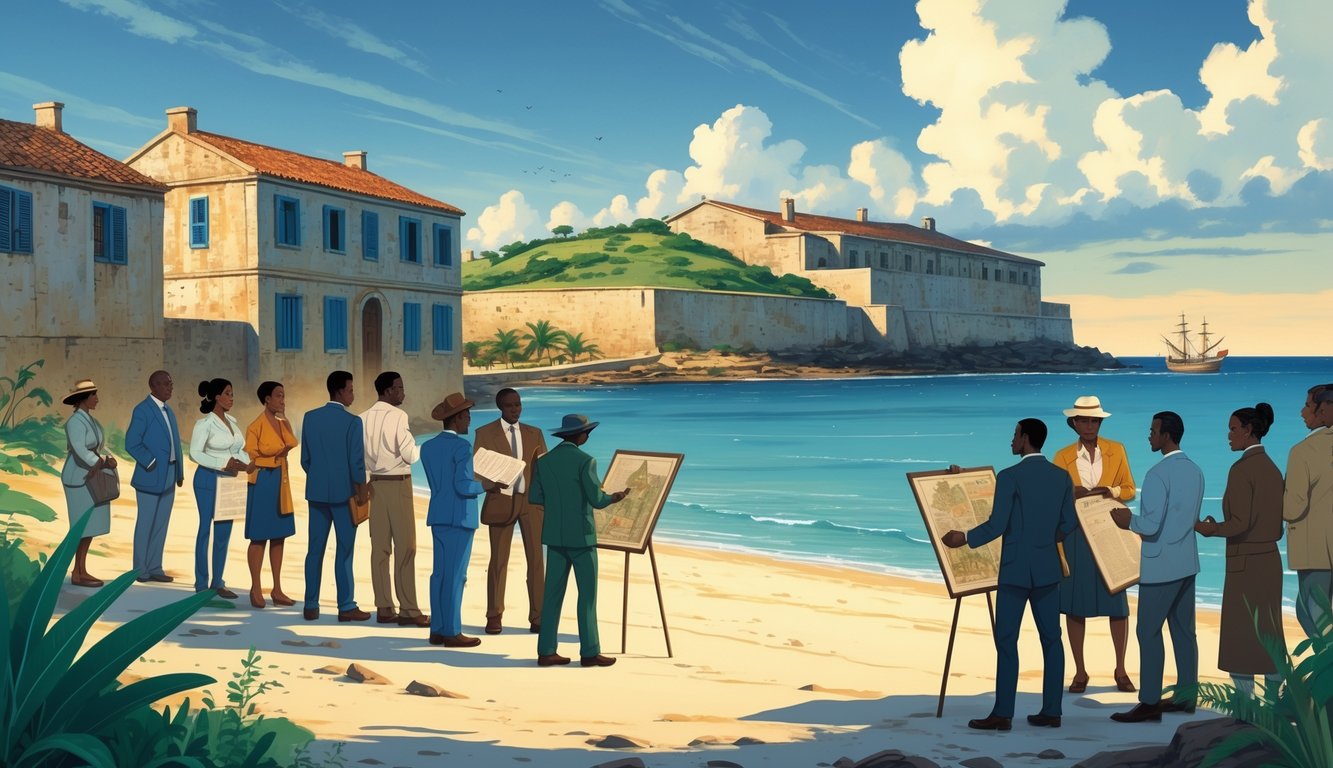
Gorée Island lies just off the coast of Dakar, Senegal. It is a UNESCO World Heritage Site.
The island is known for its links to the transatlantic slave trade. However, questions remain about how many enslaved Africans passed through its walls.
Differing Oral Traditions and Narratives
Many people in Senegal and the African diaspora see Gorée Island as a symbol of loss and resilience. Families share oral traditions describing pain and trauma connected to this site.
These stories keep African culture alive and highlight Gorée’s importance to cultural identity. Historians debate the accuracy of oral accounts compared to written records.
Some researchers believe Gorée was one of many slave trading posts, with fewer captives passing through than once thought. Others argue its emotional and cultural impact matters more than numbers.
To learn more, see the historical perspective on Gorée Island and its role in the slave trade.
Rumors and Facts About the African Renaissance Monument
The African Renaissance Monument rises above Dakar. It attracts both praise and debate.
Some people see it as a bold symbol for nation-building. Others question its meaning and purpose.
Controversies Surrounding Its Symbolism
Many Senegalese have strong opinions about the monument. The statue stands 52 meters tall and is visible from much of Dakar.
Builders designed it to symbolize Africa’s rebirth and independence after colonial times. Some locals argue the monument does not reflect their culture.
The monument’s design came from the country’s president, not from public input. Some criticize the cost, especially since many city residents still need basic services.
Supporters highlight its cultural significance for tourism and as a symbol of hope. Critics worry it does not reflect daily life or the real challenges citizens face.
Independence and Political Mysteries
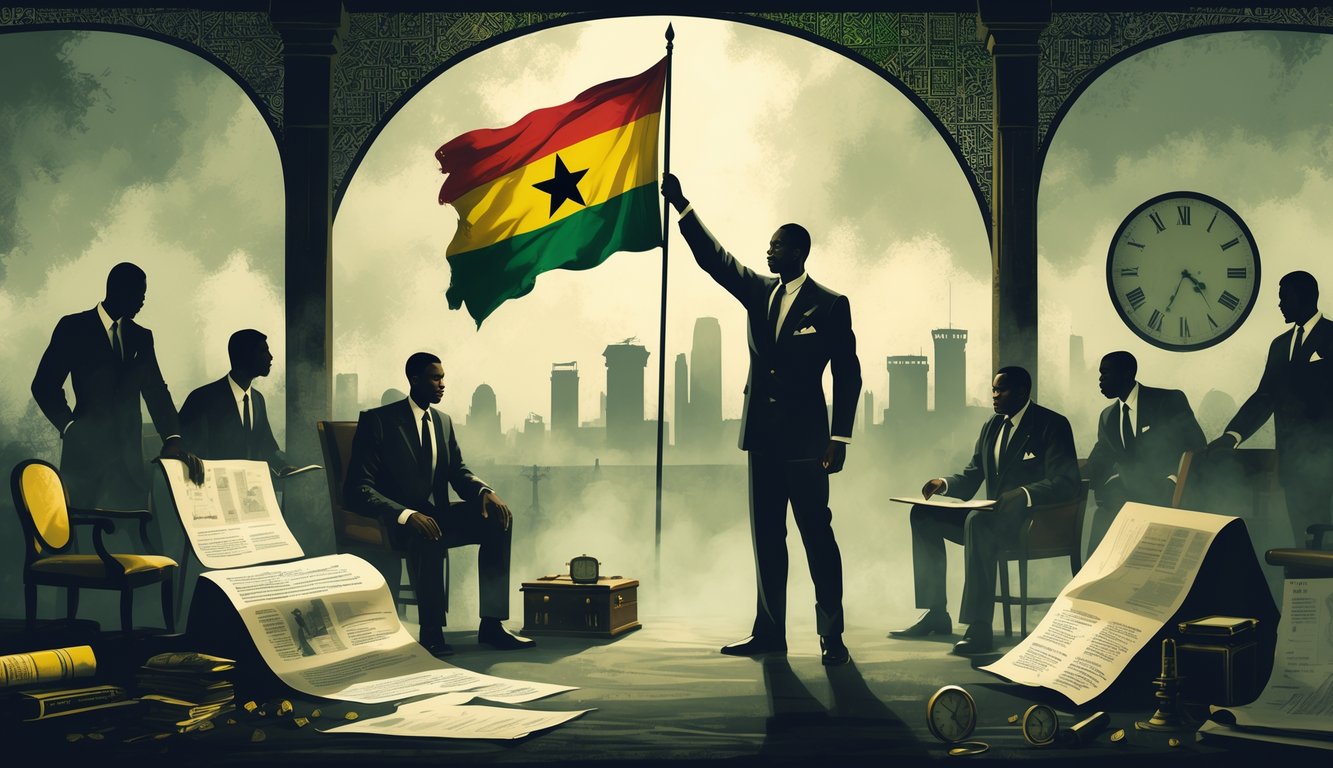
Senegal’s path to independence involved strong leadership and serious challenges. The first leaders set the tone for government and conflict resolution.
The Role of Léopold Sédar Senghor
Léopold Sédar Senghor played a major role during the struggle for independence. He was a poet, intellectual, and Senegal’s first president.
Senghor mixed African traditions with French ideas to govern the country. He led negotiations with France and pushed for a peaceful transition to independence.
Under Senghor’s guidance, Senegal joined the Mali Federation in 1960. The country soon withdrew to stand alone.
Many people questioned Senghor’s close ties with France and how these choices shaped the new government. Researchers still debate his decisions during this period.
Learn more about Senghor’s role in shaping national identity and independence in this struggle for the independence of Senegal article.
Political Instability and Nation-Building
After independence, Senegal faced political instability. The country separated from the Mali Federation just months after forming it.
Building a strong state proved difficult. Rivalries among politicians and regional tensions slowed progress.
Despite these issues, Senegal avoided long periods of violence and military rule. This set it apart from many neighboring countries.
Ongoing disagreements about power-sharing and tradition still shape Senegal’s politics. For more on the Mali Federation’s collapse and Senegal’s early struggles, visit this overview of Senegalese political movements and independence.
Preserving Senegal’s Heritage for the Future
Senegal is home to remarkable historical sites and unique cultural heritage. Protecting these treasures for future generations calls for dedicated conservation and careful management.
Conservation of UNESCO World Heritage Sites
Senegal has several UNESCO World Heritage sites. These include Gorée Island and the stone circles of Senegambia.
These sites connect people to Africa’s past and preserve local traditions and beliefs. Conservation faces challenges such as climate change, coastal erosion, and limited funding.
Local communities and the government work together to maintain these sites. They use regular repairs, awareness campaigns, and protective laws.
The goal is to keep landmarks safe and honor their historical meaning. Education programs teach young people about the value of heritage.
International partners provide technical support and resources. Preservation efforts blend traditional methods with new technologies to protect both tangible and intangible cultural heritage.
The Role of Tourism in Historical Preservation
Tourism provides a vital source of funding for heritage conservation. Many visitors travel to Senegal’s historical sites to learn about African culture and history.
Their visits add value to these sites and create jobs in local communities. Responsible tourism encourages people to protect historical sites.
Tourism revenue supports maintenance and boosts local economies. It also promotes cultural pride.
Too many visitors can harm fragile locations. To prevent overcrowding and damage, some sites limit visitor numbers.
Tourism brings international attention, which can lead to more support for conservation. Local guides and businesses help spread knowledge about the significance of these heritage sites.
They make sure that both locals and tourists understand the role they play in keeping Senegal’s history alive.