In the quiet town of Adams, Tennessee, a story has lingered for over two centuries. Strange voices, unexplained events, and a family gripped by something unseen fill this tale.
The Bell Witch haunting stands as one of America’s most documented and unsettling supernatural legends. The story began in 1817 on the Bell family farm and has grown into a legend that still sparks curiosity and debate.
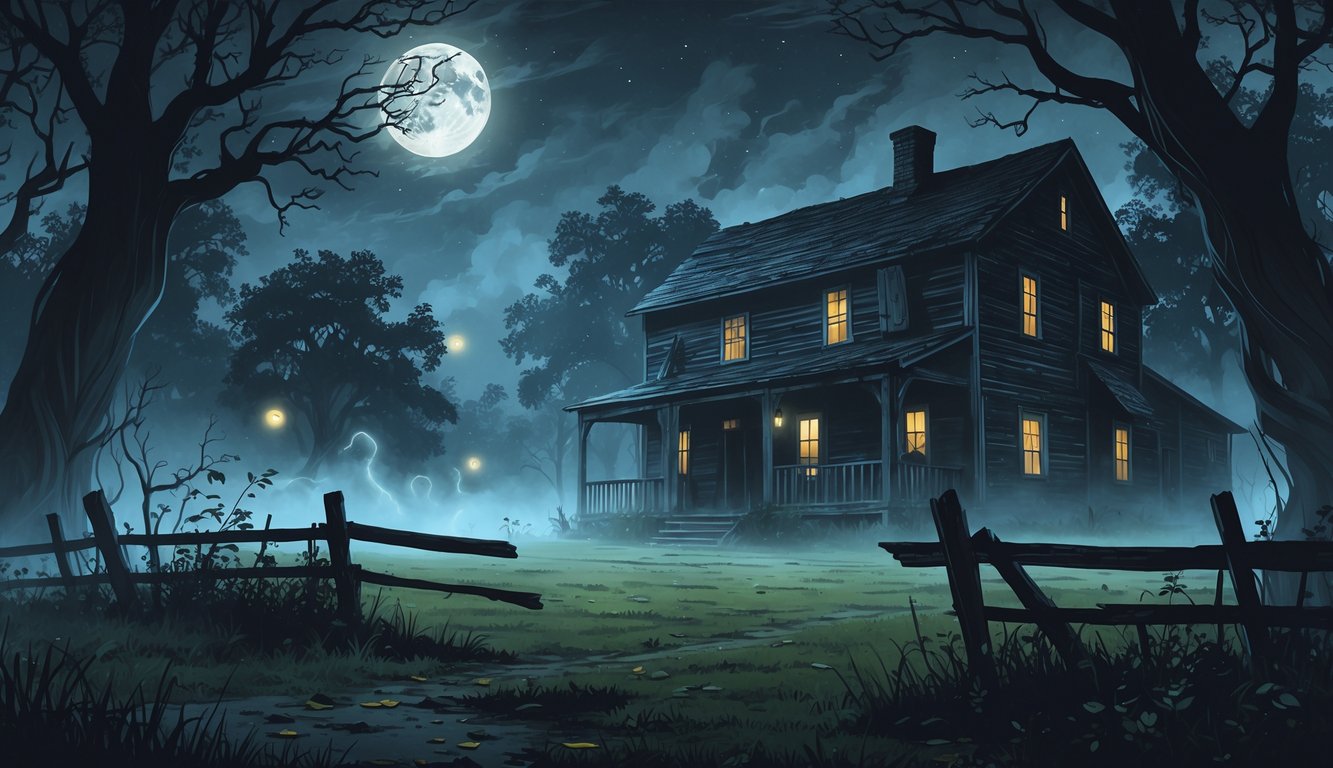
Those who explore the history find more than ghostly whispers. The events included physical disturbances, public witnesses, and visits from notable figures.
The Bell family, especially young Betsy Bell, became the focus of the spirit’s attention. This shaped a legend that continues to draw interest from historians and paranormal enthusiasts.
Today, historic sites like the Bell Witch Cave and preserved farmland keep the story alive. Visitors can walk the same ground tied to the haunting.
Whether seen as folklore, history, or something unexplained, the Bell Witch legend offers a rare chance to step into a mystery that endures.
Origins of the Bell Witch Haunting
In the early 1800s, a farming family in northern Tennessee began experiencing strange disturbances. The rural community relied on one another, making the unusual activity hard to ignore.
Reports described noises, physical disturbances, and unexplained voices. These incidents grew more intense over time.
Early Signs and First Encounters
The Bell Witch Haunting began in 1817 on the Bell farm near the Red River in what is now Adams, Tennessee. John Bell Sr., a farmer, saw odd animals in the fields, including a creature with a dog’s body and a rabbit’s head.
Soon, the family heard knocking on walls and doors at night. These sounds had no visible cause.
Furniture moved on its own, and bedding was pulled from sleeping family members. Betsy Bell, John’s daughter, experienced the most direct contact.
She reported being slapped, pinched, and having her hair pulled by something she could not see. Over time, the entity spoke in a clear voice and called itself “Kate.”
Witnesses said “Kate” could carry on conversations, repeat sermons, and predict events. These encounters set the tone for years of activity, as recorded in accounts of the Bell Witch.
The Bell Family’s Settlement in Tennessee
The Bell family moved to Tennessee from North Carolina around 1804. They bought land along the Red River and built a home and farm.
John Bell worked the land, growing corn and raising livestock. The property was large for the time, and the family’s success made them well known.
The Bell children, including Betsy, attended local schools. The family was active in church, and John Bell served as an elder.
When strange events began, people noticed because the family had lived in the area for over a decade. Their strong presence in the community made the haunting even more unsettling.
Initial Reactions from Neighbors
When the disturbances at the Bell farm grew louder, neighbors visited to witness them. Many heard knocking, chains dragging, and faint voices with no clear source.
Some visitors saw objects move on their own. Others felt sudden cold spots in the house.
These shared experiences convinced many that the Bell family was not imagining the events. The haunting quickly became a topic of conversation across the region.
People traveled from miles away to hear the spirit speak or to test its knowledge. The entity answered questions, revealed personal details, and even engaged in debates.
The legend spread, making the Bell Witch Haunting one of the most well-known stories in Southern folklore.
The Bell Family: Victims of the Haunting
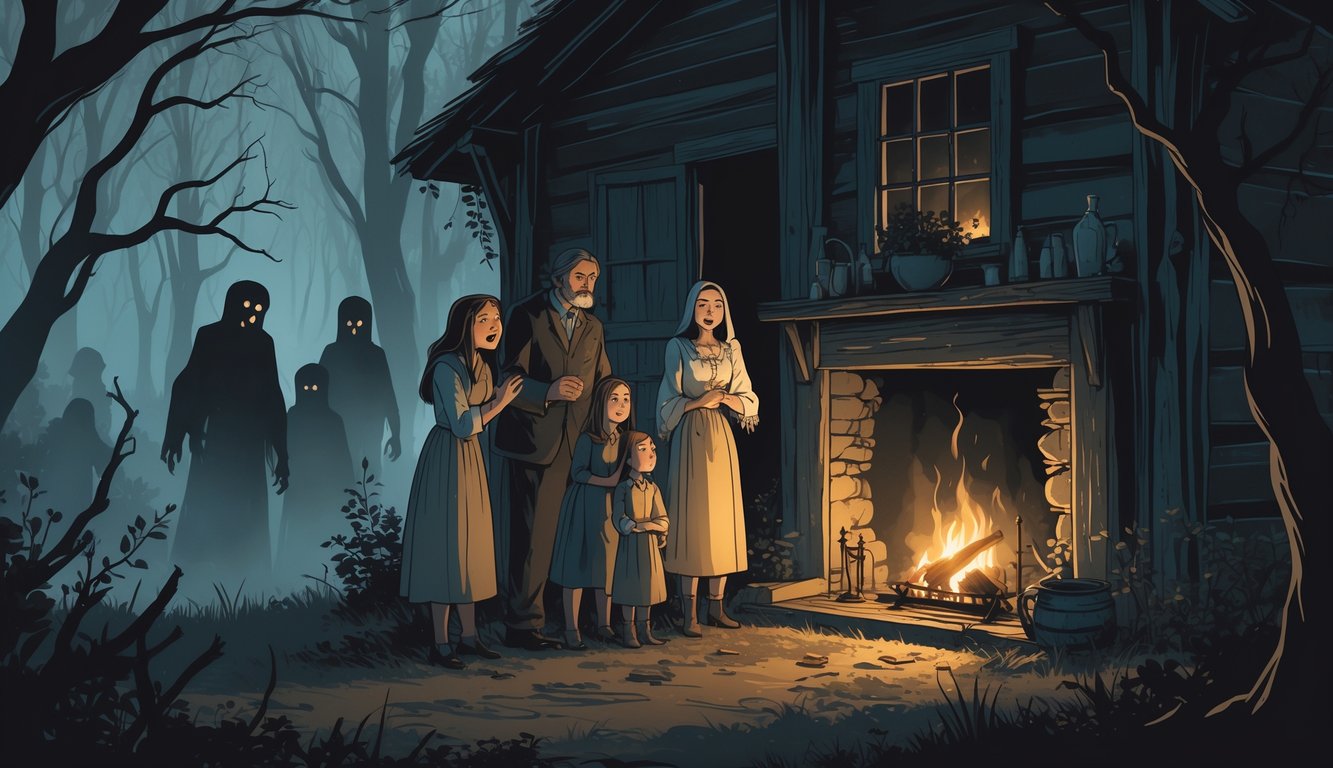
From 1817 to 1821, the Bell family’s farm in Adams, Tennessee became the center of strange events. The haunting targeted certain family members more than others.
John Bell’s Role and Ordeal
John Bell, the head of the household, became the main focus of the disturbances. He first saw odd animal shapes in the fields and heard unexplained knocking sounds in the home.
The activity escalated. He suffered paralysis in his mouth and jaw, making it hard to speak or eat.
Visitors heard a disembodied voice insulting him. By late 1820, John’s health declined sharply.
After his death, family members found a small vial of black liquid near his bed. The entity claimed responsibility, saying it had poisoned him.
His death marked one of the most chilling moments in the Bell Witch legend.
Betsy Bell’s Experiences
Betsy Bell, John’s youngest daughter, endured some of the most aggressive encounters. She reported having her hair pulled, being slapped, and hearing a voice speak directly to her.
The spirit often mocked her and interfered with her personal life. When Betsy became engaged to Joshua Gardner, the voice repeatedly told her to end the relationship.
The pressure and fear led her to break off the engagement. Betsy also saw objects move on their own and heard unexplained footsteps.
These experiences left her in constant distress. Many believe she suffered lasting emotional harm from the haunting.
Impact on Other Family Members
While John and Betsy were the main targets, other Bell family members also faced disturbances. Mrs. Lucy Bell, John’s wife, received different treatment—the entity sometimes spoke kindly to her and even sang hymns.
The Bell children, aside from Betsy, heard strange voices and saw furniture move. Guests in the home often experienced the same activity.
Neighbors spent nights at the Bell home to witness the events. Many left convinced that something unexplainable was happening to the Bell family.
Supernatural Events and Manifestations
The Bell Witch haunting brought a range of unusual occurrences to the Bell family between 1817 and 1821. Loud knocks, moving objects, and voices from nowhere left witnesses unsettled.
Unexplained Noises and Physical Phenomena
Witnesses described sharp knocking sounds on walls and doors. These noises often woke the Bell family in the middle of the night.
They heard footsteps inside the house when no one was there. Chains dragged across the floor with no clear cause.
Family members felt invisible hands pulling on their blankets or tugging at their hair. Some reported being pinched or slapped without seeing anyone nearby.
Visitors to the property also heard the same strange sounds. These accounts added credibility to the reports.
Poltergeist Activity and Object Movement
The Bell Witch caused activity similar to what people now call a poltergeist. Objects moved without visible cause, sometimes in ways that seemed deliberate.
Small items like stones, tools, and dishes lifted into the air and dropped to the ground. Furniture sometimes shifted position overnight.
Food was knocked off tables, and utensils were thrown across the room. These incidents happened suddenly, startling those nearby.
Some accounts suggest the movements followed patterns, as if the entity wanted attention or responded to actions in the home. Such reports match other cases of poltergeist-like events in folklore.
Disembodied Voices and Messages
One of the most unusual aspects of the Bell Witch haunting was the voice that seemed to speak from empty air. At first, the voice whispered faintly, making it hard to understand.
Over time, it became louder and clearer, addressing members of the household by name. The voice sometimes recited Bible verses, sang hymns, or commented on daily events.
On other occasions, it delivered personal messages to visitors, revealing details it should not have known. Multiple witnesses, including neighbors and travelers, heard these vocal manifestations.
Some believed the voice was the spirit of a wronged person. Others thought it was a trick or an unexplained natural phenomenon.
Escalation and Tragic Consequences
As the disturbances on the Bell farm continued, the strange events became more personal and severe. The focus shifted from simple noises to direct harm, with physical symptoms and spoken threats increasing the fear.
John Bell’s Mysterious Illness and Death
By late 1819, John Bell suffered from a puzzling illness. He had difficulty swallowing, weakness, and episodes where his jaw felt stiff.
Family members and visitors heard the Bell Witch mock his condition. The illness worsened over months.
On December 19, 1820, the family found Bell in bed unable to move or speak. They discovered a small vial containing a dark liquid in the house.
According to accounts, the entity’s voice claimed it gave him the substance. John Bell died the next day.
Neighbors heard the spirit laugh and sing during his burial. This case became one of the only times in American folklore where people said a spirit caused a person’s death.
Key details:
- Illness began: Late 1819
- Death: December 20, 1820
- Cause claimed by entity: Poison from a mysterious vial
The Bell Witch’s Threats and Confessions
The Bell Witch often spoke to the family and visitors, making threats toward John Bell. She reportedly said she would kill him and stop tormenting the family afterward.
Witnesses said the voice described how it administered the poison. The confession was repeated to multiple people.
The entity also targeted Betsy Bell, John’s daughter, with verbal abuse and pressure to end her engagement. These actions showed a personal vendetta against the family.
Even after John Bell’s death, the haunting in Adams, Tennessee remained a topic of fear and discussion.
The Role of Betsy Bell in the Legend
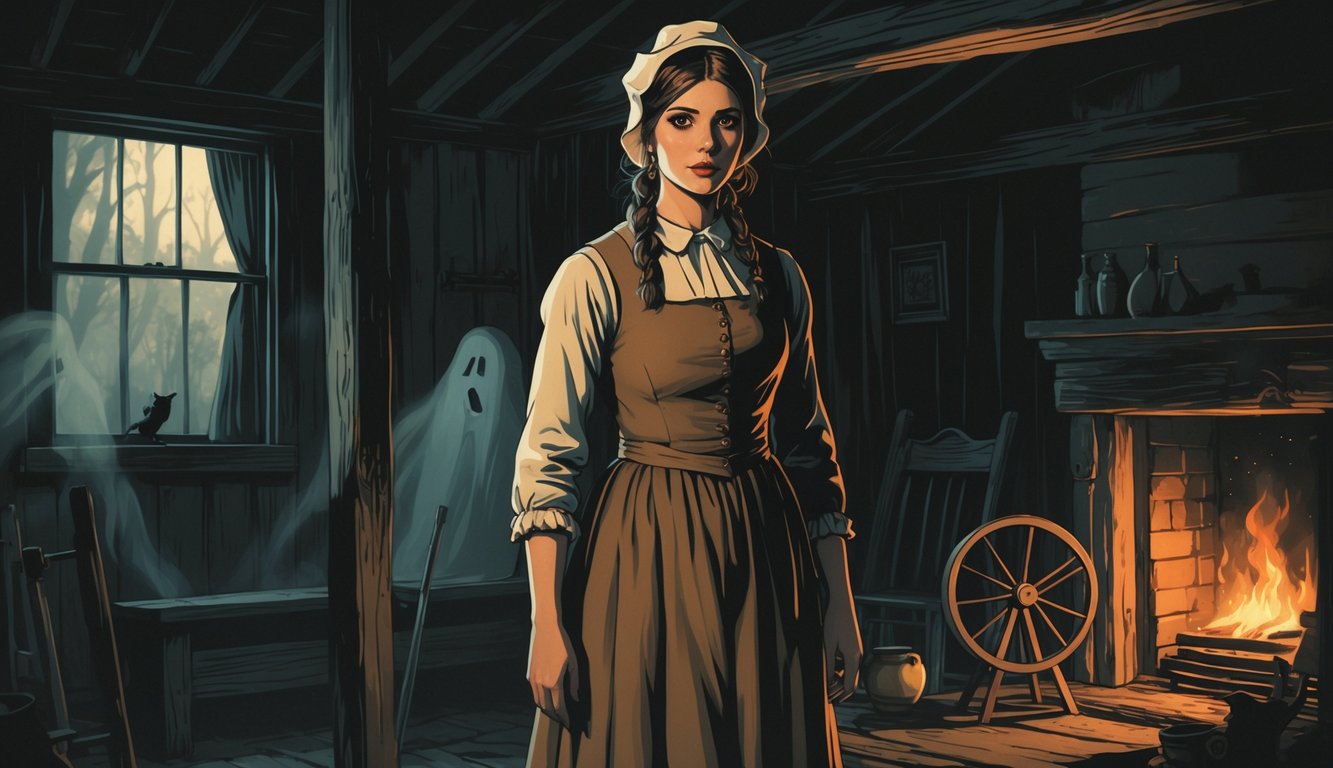
Betsy Bell, the youngest daughter of John Bell, became one of the main targets of the strange disturbances in Adams, Tennessee. Reports describe repeated physical attacks and emotional strain that affected her daily life and relationships.
Betsy’s Torment and the Broken Engagement
The Bell Witch frequently physically harassed Betsy. Witnesses saw the entity yank her hair, slap her face, and pinch her arms until bruises appeared.
Family members and visitors often saw these attacks, which increased tension in the house.
These stressful events affected Betsy’s personal life. Betsy got engaged to Joshua Gardner, a local neighbor.
Whenever Betsy and Joshua spent time together, the haunting incidents grew worse. Loud noises, whispered threats, and sudden physical blows interrupted their meetings.
In 1821, Betsy ended her engagement to Joshua. Many people believe the Bell Witch directly influenced her decision, since the entity had warned her against marrying Joshua.
Relationship with the Entity
The Bell Witch acted aggressively toward Betsy, but some accounts say the spirit also communicated with her in strange ways. Sometimes, it whispered predictions and personal comments only to Betsy.
Locals noticed the entity seemed unusually focused on her, switching between aggression and conversation. This unpredictable behavior made it hard for Betsy to understand the spirit’s motives.
Betsy’s experiences with the Bell Witch became one of the most detailed parts of the legend. The mix of physical torment and private exchanges made her story stand out in the Bell family haunting.
For more on Betsy Bell’s experiences, see the detailed records in the Bell Witch legend.
Wider Community and Notable Visitors
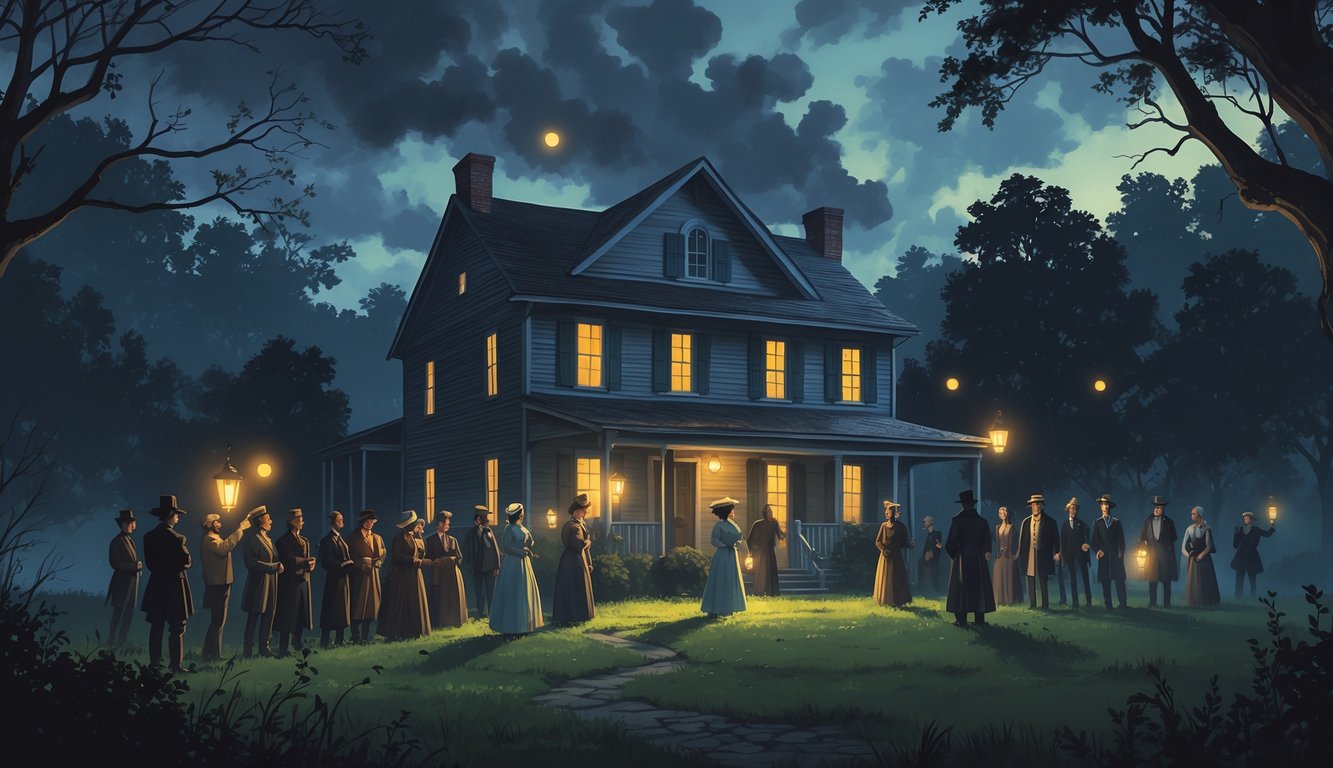
The strange events at the Bell farm in the early 1800s soon spread beyond the family. Neighbors claimed to witness odd activity, and even a future U.S. president visited to see for himself.
These outside stories helped the legend grow.
Neighbors’ Testimonies
Local residents in Adams, Tennessee, often visited the Bell family during the haunting. Some came out of concern, while others were simply curious.
Several neighbors said they heard unexplained knocking on walls and doors inside the Bell home. Others described faint voices coming from empty rooms.
A few visitors claimed to see objects move, such as chairs sliding across the floor by themselves. These reports matched what the Bell family described.
Some neighbors also reported unusual events at their own homes after visiting the Bells, according to historical accounts. The story quickly spread through Robertson County, creating a shared sense of unease.
Andrew Jackson’s Visit
In 1819, Andrew Jackson, then a military general and later the seventh U.S. president, traveled to the Bell property to investigate. He had heard about the disturbances and brought a small group with him.
According to local legend, Jackson’s group arrived with horses and a wagon, but the animals suddenly stopped near the farm and refused to move until an unseen force released them.
Jackson reportedly spent the night at the Bell home. Members of his party later said they heard strange noises and felt physical tugs on their bedding.
No official record confirms these events, but the story became a lasting part of the Bell Witch legend.
Theories and Explanations
The Bell Witch legend has led to many ideas about what really happened on the Bell family farm. Some focus on oral tradition and historical records, while others look for natural or cultural explanations.
Folklore Versus Fact
The Bell Witch story is a well-known part of American folklore. It describes strange noises, moving objects, and physical attacks on the Bell family between 1817 and 1821.
Most information comes from later written accounts, like the 1894 book An Authenticated History of the Bell Witch, which relied on oral stories passed down for decades.
Historians point out that no court or church records from the time confirm the supernatural events. Some believe the legend grew over time, mixing real people and places with exaggerated details.
This mix of history and unverified claims makes it hard to separate fact from folklore.
Possible Natural or Human Causes
Skeptics suggest the haunting might have natural or human causes. Illness, such as poisoning from bad water or mold, could explain some symptoms the Bells reported.
Others think a person may have staged noises or moved objects. Family disputes or local grudges could have motivated these actions.
Some researchers say mass hysteria may have played a role, causing people to believe they experienced paranormal events.
No single explanation fits all the reports, but these theories offer non-supernatural possibilities for the Bell Witch legend.
Native American Burial Ground Theory
Some people believe the Bell Witch haunting began because the Bell farm was built on or near a Native American burial site.
Local tradition says the land along the Red River had been used by Native peoples for centuries. Some claim disturbing graves may have triggered the strange events.
Archaeological surveys have found Native American artifacts in the region, but no confirmed burial site exists on the Bell property.
This theory remains popular in Bell Witch legend discussions because it links the haunting to the area’s deeper history and cultural tensions.
Legacy of the Bell Witch Legend
The Bell Witch story lives on through historical accounts and retellings in print. Its details have shaped how many Americans imagine haunted places and unexplained events.
Martin V. Ingram’s Documentation
In 1894, newspaper editor Martin V. Ingram published An Authenticated History of the Bell Witch, the first full-length book about the haunting.
Ingram said he collected eyewitness accounts from people who knew the Bell family. His book described events from 1817 to 1821, including strange voices, physical attacks, and John Bell’s death.
The book blended local oral history with Ingram’s own narrative style. Some historians question its accuracy, but it remains a key reference for those studying the Bell Witch legend.
Ingram’s publication helped turn the story from a regional tale into a part of American folklore. It also preserved names, dates, and details that might have been lost without written records.
Influence on American Ghost Stories
The Bell Witch haunting has influenced many ghost stories, books, and films. It is often called one of the earliest well-documented cases of a spirit speaking to witnesses.
Writers and filmmakers have used its themes—unseen forces, direct communication, and long-term harassment—to shape modern paranormal tales. The events in Adams, Tennessee, often appear in documentaries and ghost tours.
Tourism in the area includes visits to the Bell family farm and the Bell Witch Cave. These sites let visitors connect with the locations tied to the haunting, as described in Tennessee’s most famous legend.
By inspiring both fictional and nonfictional works, the Bell Witch story remains a recognizable part of U.S. ghost lore.
Exploring the Bell Witch Cave and Historic Sites
Visitors to Adams, Tennessee can see the cave linked to the Bell Witch legend and walk the grounds where the Bell family once lived. These sites combine natural features, preserved history, and stories passed down for over two centuries.
Touring the Bell Witch Cave
The Bell Witch Cave is a 490-foot-long karst formation near the original Bell property. Private owners offer guided tours during summer and October.
Inside, the cave has narrow passages, cool air, and low ceilings. Guides explain reported events tied to the Bell Witch legend, including strange sounds and moving objects.
Tour details often include:
| Feature | Information |
|---|---|
| Length | About 490 feet (150 meters) |
| Season | Summer & October tours |
| Location | Adams, Tennessee |
Some visitors come for its geology, while others are interested in its haunting history. Photography is usually allowed, and flashlights are recommended for darker spots.
Visiting the Bell Farm Today
The Bell Farm no longer stands in its original form, but some of the property is still accessible. The land once held the Bell family home, barns, and fields along the Red River.
Today, visitors can see markers showing where the house once stood. Some tours include both the cave and the farm area, offering historical context about the Bell family and their life in early 1800s Tennessee.
The farm site is part of local heritage events. Informational signs and guides provide details about the 1817 disturbances that began here.
The rural setting gives a sense of the isolation the family faced during the events.
Modern-Day Hauntings and Reports
People continue to report unusual activity at both the cave and the old farm grounds. Visitors have described hearing unexplained footsteps, voices, and tapping sounds.
Some paranormal groups have investigated using audio recorders and motion sensors. While results vary, these stories keep interest in the site alive.
Local residents sometimes share personal experiences, adding to the area’s reputation. The Bell Witch legend still attracts ghost hunters and curious travelers, blending folklore with recent first-hand accounts.
The Bell Witch in Popular Culture
The Bell Witch legend has inspired many creative works, from factual retellings to fictional stories. It has appeared in books, documentaries, films, and TV shows, and continues to draw paranormal researchers to Adams, Tennessee.
Books and Documentaries
Writers have explored the Bell Witch legend in both historical and fictional formats. Early accounts described the alleged haunting between 1817 and 1821, focusing on the Bell family’s experiences.
Modern books often mix folklore with research. Titles like The Bell Witch: An American Haunting examine witness statements, local history, and oral tradition.
Documentaries, including those on the History Channel, feature interviews with historians and residents. Some productions film at the Bell Witch Cave and Farm, giving visual context to the story’s locations.
These works help keep the legend alive and present different interpretations—some skeptical, others convinced of supernatural activity.
Film and Television Adaptations
The Bell Witch story has been adapted into several films. The 2005 movie An American Haunting starred Donald Sutherland and dramatized the events leading to John Bell’s death.
Earlier portrayals include the 1934 silent film The Bell Witch, one of the first cinematic versions of the legend.
Television has also revisited the haunting. Paranormal shows often dedicate full episodes to the case, combining dramatizations with interviews.
Even fictional works like The Blair Witch Project drew loose inspiration from the Bell Witch legend, though the setting and story differ.
These adaptations vary in accuracy but keep the story alive for new audiences.
Ongoing Interest and Paranormal Investigations
Interest in the Bell Witch remains strong. Tourists visit Adams, Tennessee, to see the Bell Witch Cave and the Bell family farm site.
Visitors also explore other connected landmarks. Paranormal investigators often hold night vigils and EVP (Electronic Voice Phenomena) sessions.
They lead tours and sometimes report unexplained sounds or movement. Local festivals and guided tours share the area’s history and folklore.
According to Legends of America, people can see the places tied to the haunting by visiting the area. This makes it a popular stop for those interested in American ghost stories.