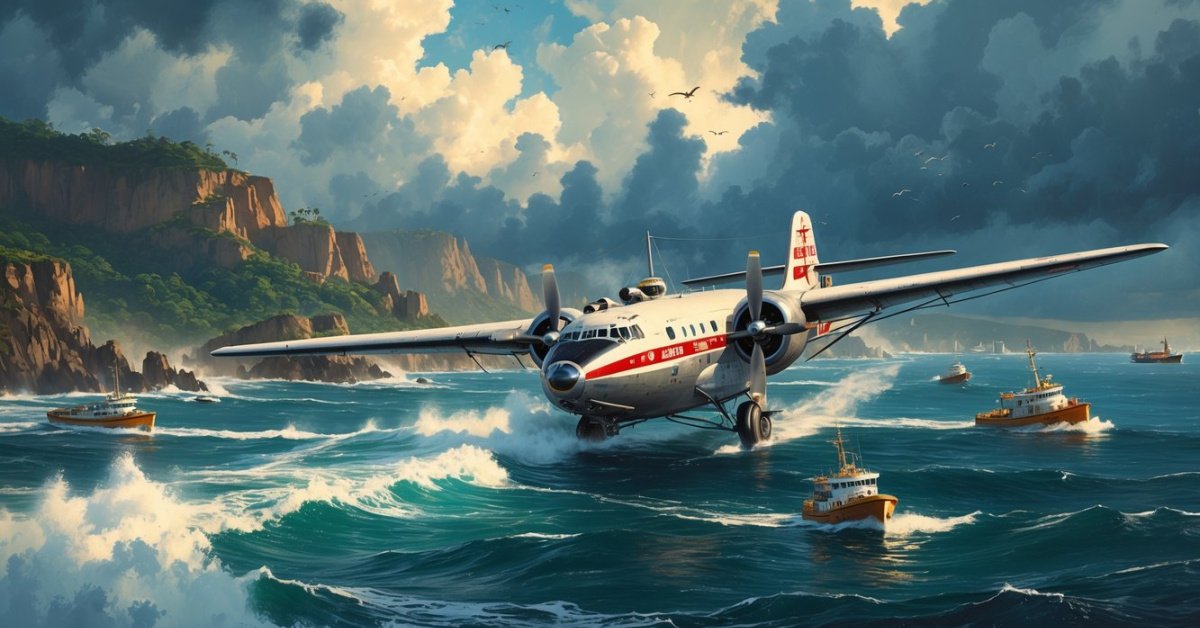
In 1952, Pan Am’s DC-4 Clipper Endeavor vanished off the coast of Puerto Rico, leaving behind unanswered questions and a mystery that has lasted for decades.
The aircraft crashed into the Atlantic during what should have been a routine flight. Searchers have never confirmed the exact location of its wreckage.
The disappearance shocked the aviation world. It also influenced future safety practices.
Decades later, the mystery still draws attention.
In 2024, the TV series Expedition Unknown launched the Search for Pan Am’s Clipper, sending Josh Gates and his team into Puerto Rico’s rough seas.
They faced strong currents and unpredictable weather. The team searched 2,000 feet below the surface for any trace of the missing plane.
The story blends history, aviation, and adventure.
It explores the events leading to the crash and the technology used in the search.
The Disappearance of Pan Am’s Clipper
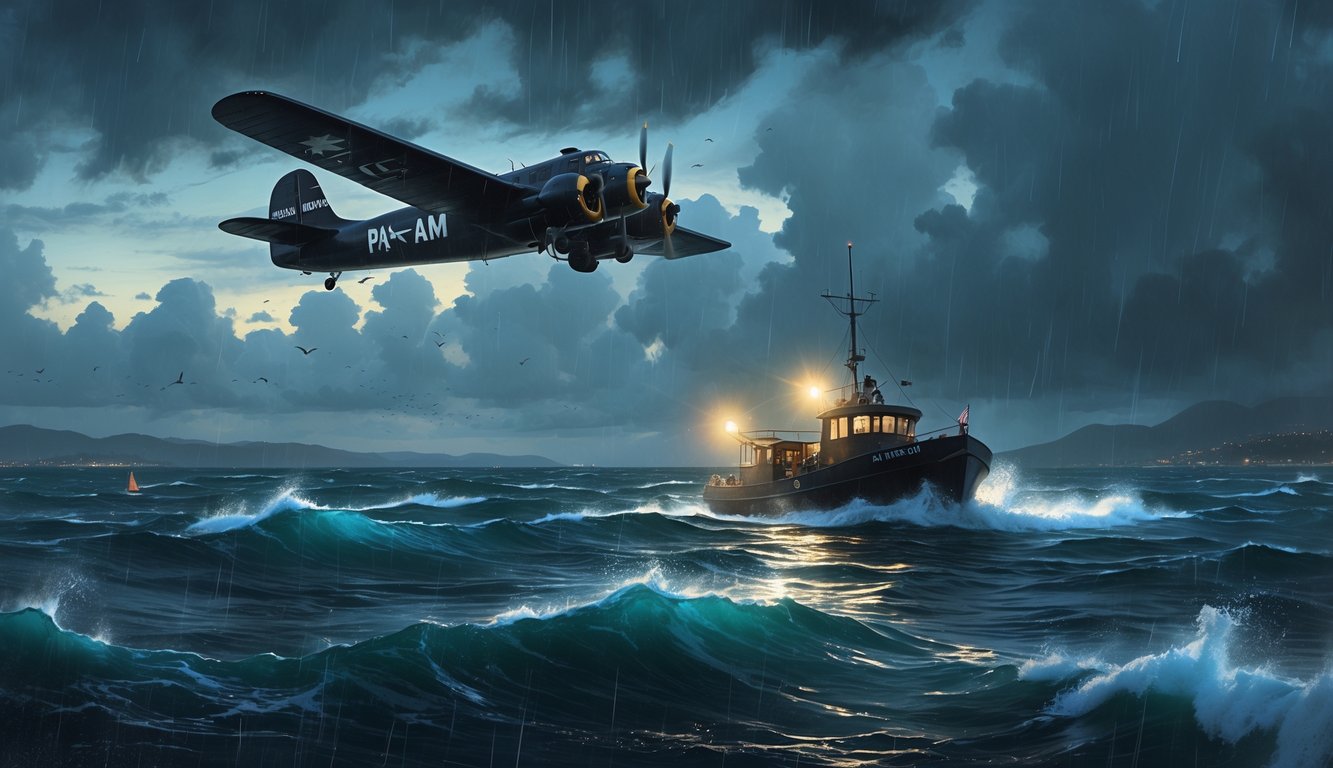
Pan American World Airways Flight 526A, known as the Clipper Endeavor, crashed into the Atlantic Ocean near Puerto Rico in 1952.
The loss of the aircraft and many on board marked a significant moment in aviation history and led to changes in safety procedures.
Timeline of the Incident
On April 11, 1952, the Pan Am DC-4 Clipper Endeavor departed from San Juan, Puerto Rico, bound for New York City.
Shortly after takeoff, the crew reported engine trouble.
The pilot tried to return to San Juan but could not maintain altitude.
The plane ditched into the ocean about 11 minutes after takeoff.
Rescue boats arrived quickly, but rough seas made recovery difficult.
Of the 69 people on board, 17 survived.
Survivors clung to life rafts until help arrived.
The wreckage sank in deep water and searchers never recovered it.
This incident stands out among aviation accidents near Puerto Rico due to the number of lives lost and the challenges of the search effort.
Key Facts About the Missing Plane
The Clipper Endeavor was a Douglas DC-4, a four-engine propeller-driven airliner widely used in the late 1940s and early 1950s.
Aircraft details:
| Feature | Information |
|---|---|
| Model | Douglas DC-4 |
| Operator | Pan American World Airways |
| Registration | NC88899 |
| Route | San Juan to New York City |
The DC-4 had a strong safety record, but it lacked modern features like pressurization and advanced navigation systems.
Flight 526A carried passengers from several countries and Pan Am crew members experienced in long overwater flights.
The crash site, located in deep and choppy waters, made recovery operations extremely difficult.
Groups such as the Air/Sea Heritage Foundation continue efforts to find the wreckage.
Impact on Commercial Aviation
The loss of the Clipper Endeavor led airlines to focus more on engine reliability and emergency ditching procedures.
Airlines improved crew training for ocean ditching and evacuation.
They also made life rafts and survival gear more standardized on overwater flights.
Regulators reviewed aircraft maintenance schedules to reduce the risk of in-flight engine failures.
The incident highlighted the need for better communication and coordination during emergencies, especially in remote or maritime regions.
Clipper Endeavor: The Aircraft at the Center
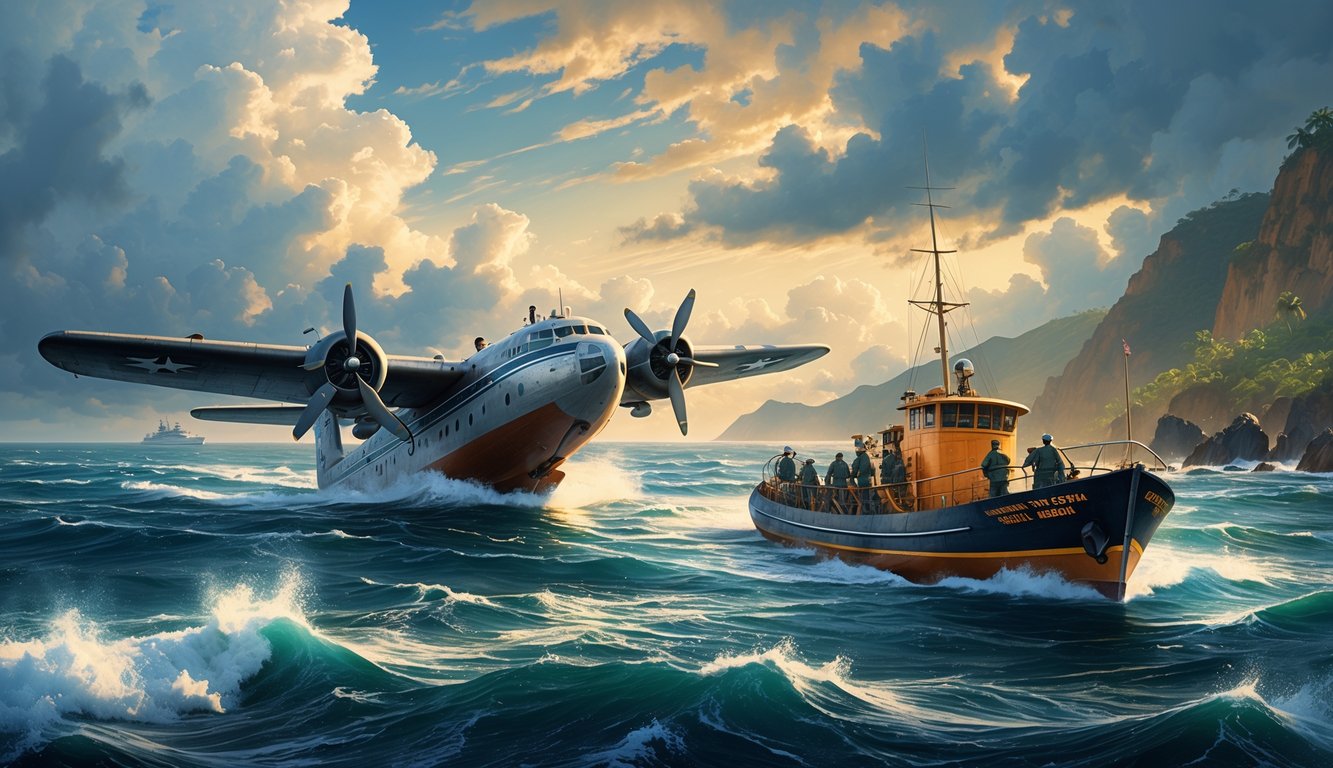
The Pan American World Airways DC-4 called Clipper Endeavor was a four-engine propeller-driven airliner that carried passengers across long distances in the early 1950s.
It played a role in routine commercial travel and in a tragic accident that influenced safety practices in aviation.
History of the Clipper Endeavor
The Clipper Endeavor was a Douglas DC-4, part of Pan Am’s postwar fleet.
It entered service when air travel was becoming more accessible to the public.
On April 11, 1952, Pan Am Flight 526A departed San Juan-Isla Grande Airport in Puerto Rico bound for New York.
It carried 64 passengers and 5 crew members.
Shortly after takeoff, the aircraft experienced mechanical trouble and tried to return to the airport.
The crew ditched the plane in the Atlantic Ocean, but many passengers did not survive.
The loss of the Clipper Endeavor off Puerto Rico remains a significant chapter in Pan Am’s history.
Groups like the Air Sea Heritage Foundation continue recovery efforts.
Significance in Aviation
The crash of the Clipper Endeavor showed the importance of emergency preparedness in commercial aviation.
It led airlines to focus on passenger safety briefings and better life-saving equipment on overwater flights.
Investigators studied the mechanical issues and ditching procedure to improve airline and crew training.
Lessons from this crash influenced how airlines approached transoceanic flights in later years.
The incident underscored the risks of flying before modern navigation, weather tracking, and real-time communication.
It became a case study for safety regulators and airlines seeking to reduce fatalities in similar situations.
Technical Specifications
The Douglas DC-4 was a four-engine, propeller-driven airliner built for long-range service.
Below are key specifications for the model used by Pan Am’s Clipper Endeavor:
| Feature | Details |
|---|---|
| Manufacturer | Douglas Aircraft Company |
| Engines | 4 × Pratt & Whitney R-2000 Twin Wasp radial engines |
| Maximum Speed | ~280 mph (450 km/h) |
| Range | ~4,200 miles (6,759 km) |
| Passenger Capacity | ~80–86 passengers |
| Crew | 5–6 members |
| First Flight (Model) | 1942 |
The DC-4 was unpressurized, which limited its cruising altitude compared to later aircraft.
It was valued for its reliability and ability to operate from shorter runways, making it a workhorse for Pan Am’s international routes.
Expedition Unknown: The Search Mission
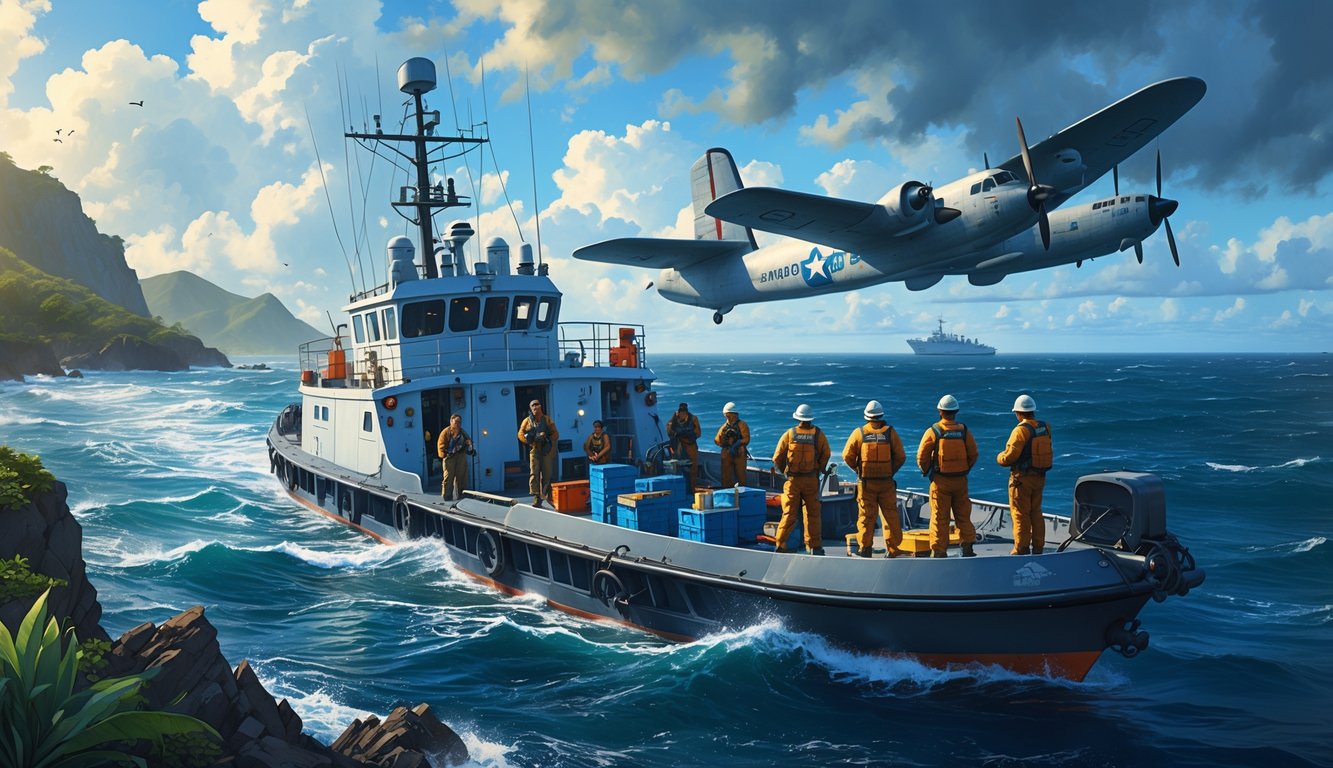
The team set out to locate the wreck of Pan Am’s Clipper Endeavor, which vanished off Puerto Rico decades ago.
They used deep-sea exploration in rough conditions and specialized equipment to search nearly 2,000 feet below the Atlantic surface.
About the Show
Expedition Unknown is a travel and adventure series that follows host Josh Gates as he investigates historical mysteries.
The show blends on-location exploration with expert interviews and archival research.
Each episode focuses on a specific mystery, often involving lost artifacts, shipwrecks, or missing aircraft.
The series is known for filming in remote and challenging environments.
The production uses underwater ROVs, sonar mapping, and diving teams to explore sites.
In this case, the crew navigated choppy seas near Puerto Rico while searching for the Clipper Endeavor.
The show airs on Discovery and is typically rated TV-PG.
It appeals to viewers who enjoy real-world investigation without heavy dramatization.
Josh’s Role in the Investigation
Josh Gates led the search effort both on deck and in the water.
He coordinated with marine archaeologists, divers, and technical crew to plan each dive.
He also took part in dives himself when conditions allowed.
During the mission, the team faced violent Atlantic storms that delayed operations and damaged equipment.
Josh worked with experts to interpret sonar scans and identify promising targets on the seabed.
He explained the search process, the history of the Clipper Endeavor, and why the wreck’s discovery could add to aviation history.
Episode Air Date and Details
The episode titled Search for Pan Am’s Clipper premiered on October 23, 2024 on Discovery.
Viewers can find more information about the episode on its IMDb listing.
The episode features both surface and underwater footage.
The production team filmed in several locations around Puerto Rico to capture the scope of the search.
The episode runs about one hour and follows a clear timeline from preparation to the final dive attempts.
It also highlights setbacks, including a critical equipment failure that forced the team to pause before resuming the hunt.
Braving Puerto Rico’s Seas
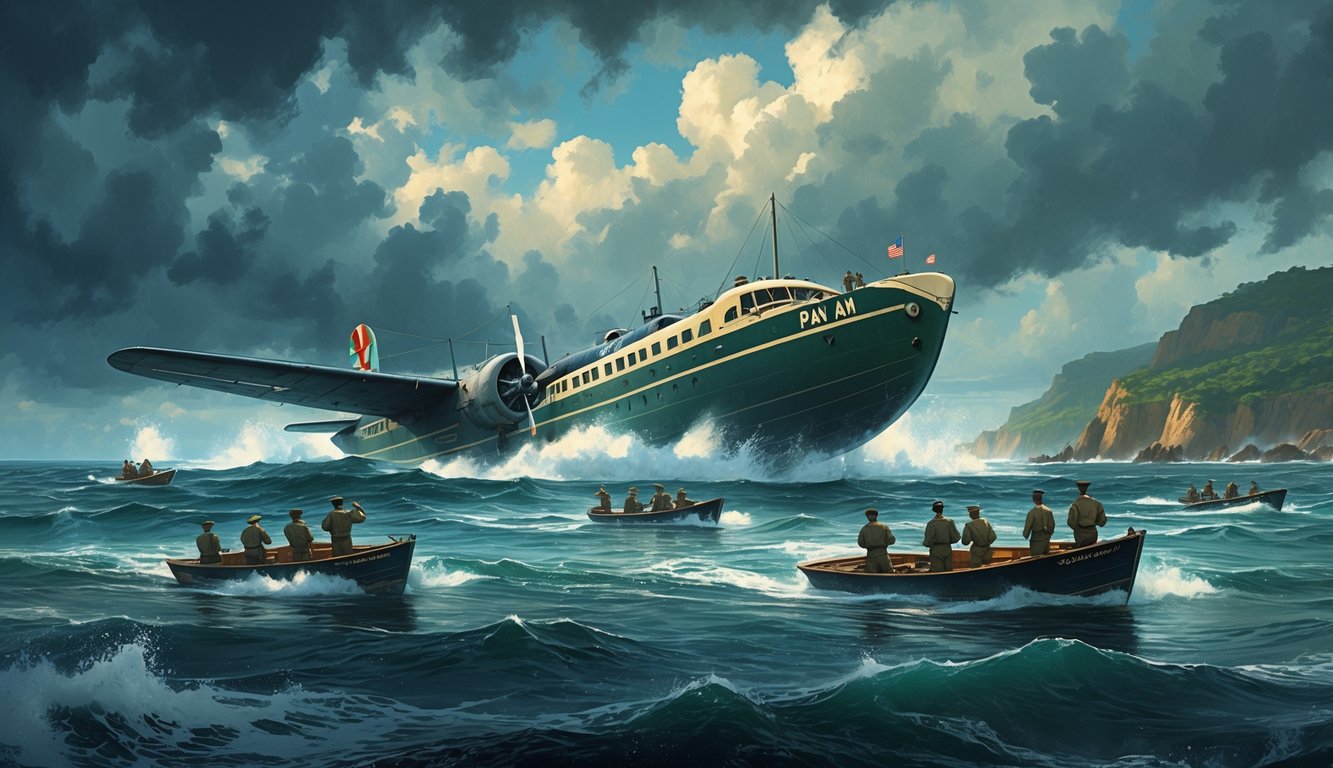
The waters off Puerto Rico challenge even experienced divers and mariners.
Strong currents, unpredictable swells, and sudden weather changes make any search effort here slow and demanding.
These conditions require careful planning and reliable equipment.
A team must stay prepared for rapid shifts in the environment.
Challenges of the Waters
The Atlantic waters north of San Juan have powerful currents that can push divers off course.
This makes it harder to hold position over a search grid.
Visibility is another challenge.
Sediment stirred up by waves can reduce underwater clarity to just a few feet.
This limits the ability to spot wreckage or operate cameras effectively.
Depth is also a factor.
The suspected crash site of the Clipper Endeavor lies about 2,000 feet below the surface.
At this depth, divers cannot operate, so the team relies on remotely operated vehicles (ROVs) and sonar mapping to scan the seafloor.
Even launching and recovering these tools can be tricky.
Choppy seas can cause equipment to swing or strike the vessel, increasing the risk of damage or injury.
Weather Hazards and Violent Storms
Puerto Rico’s location in the Atlantic puts it in the path of tropical weather systems.
Sudden squalls can form quickly, turning calm seas into dangerous conditions in minutes.
During the search, crews faced violent storms with high winds and heavy rain.
These made navigation hazardous and forced pauses in operations.
Lightning is another concern.
Metal equipment and open decks become dangerous during electrical storms, requiring strict safety protocols.
Storm surges can also shift debris on the seafloor.
This means wreckage may move from its original location, complicating search patterns.
Teams must constantly monitor radar and forecasts.
They adjust plans to avoid the worst conditions while still making progress in the hunt for the Clipper Endeavor.
The Search Operation
The team battled strong currents, unpredictable weather, and deep-water challenges while searching for the wreckage of Pan Am’s Clipper Endeavor.
They used advanced tools, skilled divers, and careful planning to explore the waters off Puerto Rico where the missing plane might rest.
Search Techniques and Technology
The search crew used side-scan sonar to map the seafloor and look for shapes matching aircraft debris.
This technology sends sound waves that create detailed images of underwater terrain.
They also deployed remotely operated vehicles (ROVs), which can reach depths unsafe for divers.
These ROVs carried high-definition cameras and robotic arms to examine objects and collect samples.
GPS navigation systems helped pinpoint search grids and track areas already scanned.
This reduced the risk of missing potential wreckage.
The Air/Sea Heritage Foundation coordinated data from sonar, ROV footage, and historical flight path records.
They compared the findings to crash reports from 1952 to narrow the search zone.
Diving to 2,000 Feet
At depths near 2,000 feet, human divers cannot operate safely for long periods. The crew used ROVs for deep exploration and deployed specialized submersibles for certain missions.
Engineers built these submersibles with reinforced hulls to withstand high pressure. Small teams inside observed the wreck site directly and operated cameras and lights.
The team descended to the suspected crash area slowly, monitoring equipment to avoid malfunctions. Strong currents at depth made maneuvering difficult, especially near rocky outcrops or steep drop-offs.
Visibility was often poor. Crew members relied on powerful lighting systems to spot any remains of the missing plane.
Key Discoveries and Findings
The search team found several metallic objects scattered across the seafloor. Some pieces matched the size and shape of DC-4 aircraft components.
Team members documented these finds with high-resolution images and measurements for identification. Corrosion and marine growth sometimes made it harder to confirm their origin.
Researchers used historical records from Pan Am Flight 526A to compare the recovered materials to known parts of the Clipper Endeavor.
Historical Context and Aviation Safety
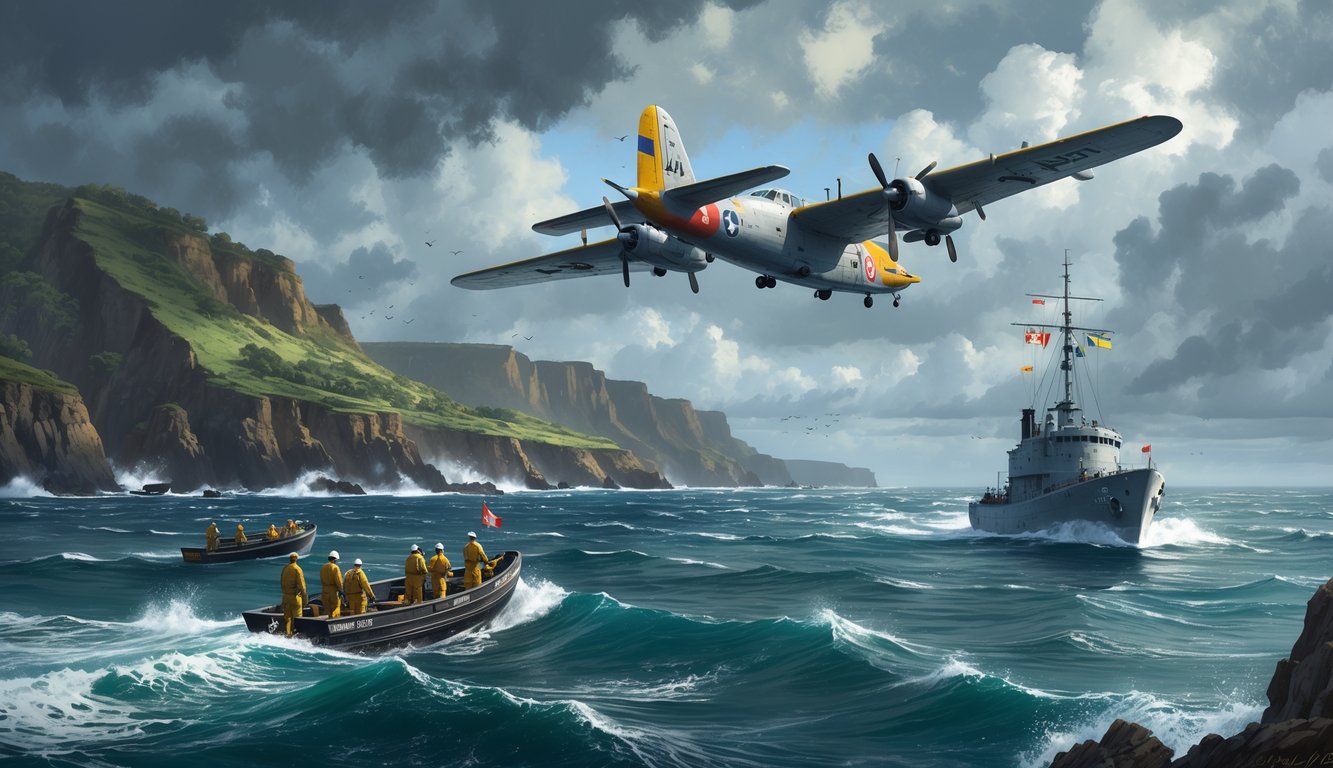
In the early 1950s, commercial aviation grew quickly, but safety systems were still basic. Aircraft like Pan Am’s Clipper Endeavor flew long routes over water with fewer backup systems and less advanced navigation tools than today.
Engine failures, weather, and limited communication made flights riskier, especially in remote or oceanic areas.
Aviation Protocols Before and After
When Pan Am’s Flight 526A departed San Juan on April 11, 1952, safety procedures were less standardized than today. Pilots depended on visual navigation and radio beacons.
Aircraft had engine redundancy, but a second failure could become critical quickly. Life vests and rafts were available, but passengers received little survival training.
Emergency response between air and sea units moved slowly, often relying on nearby ships instead of dedicated rescue teams.
After the Clipper Endeavor crash, regulators introduced clearer ditching procedures, improved passenger briefings, and better life-saving equipment. Crew and rescue personnel received more structured training, and airlines started using more reliable multi-engine aircraft with stricter maintenance schedules.
Key protocol changes included:
- Mandatory pre-flight safety demonstrations
- Enhanced communication between pilots and ground control
- Faster deployment of search and rescue assets
Lasting Changes in Commercial Flight
The loss of Pan Am’s Clipper exposed weaknesses in airline safety. The incident pushed the industry to adopt stronger engineering standards and better emergency planning for overwater flights.
Airlines invested in aircraft with improved engine reliability and more advanced navigation systems. Over time, these upgrades reduced the risk of losing multiple engines in quick succession.
Passenger safety also improved. Modern flights now include detailed safety briefings, reinforced life raft requirements, and locator beacons for quicker rescue.
Regulations for overwater operations became stricter, requiring more equipment and training before takeoff.
The Role of Puerto Rico in the Search
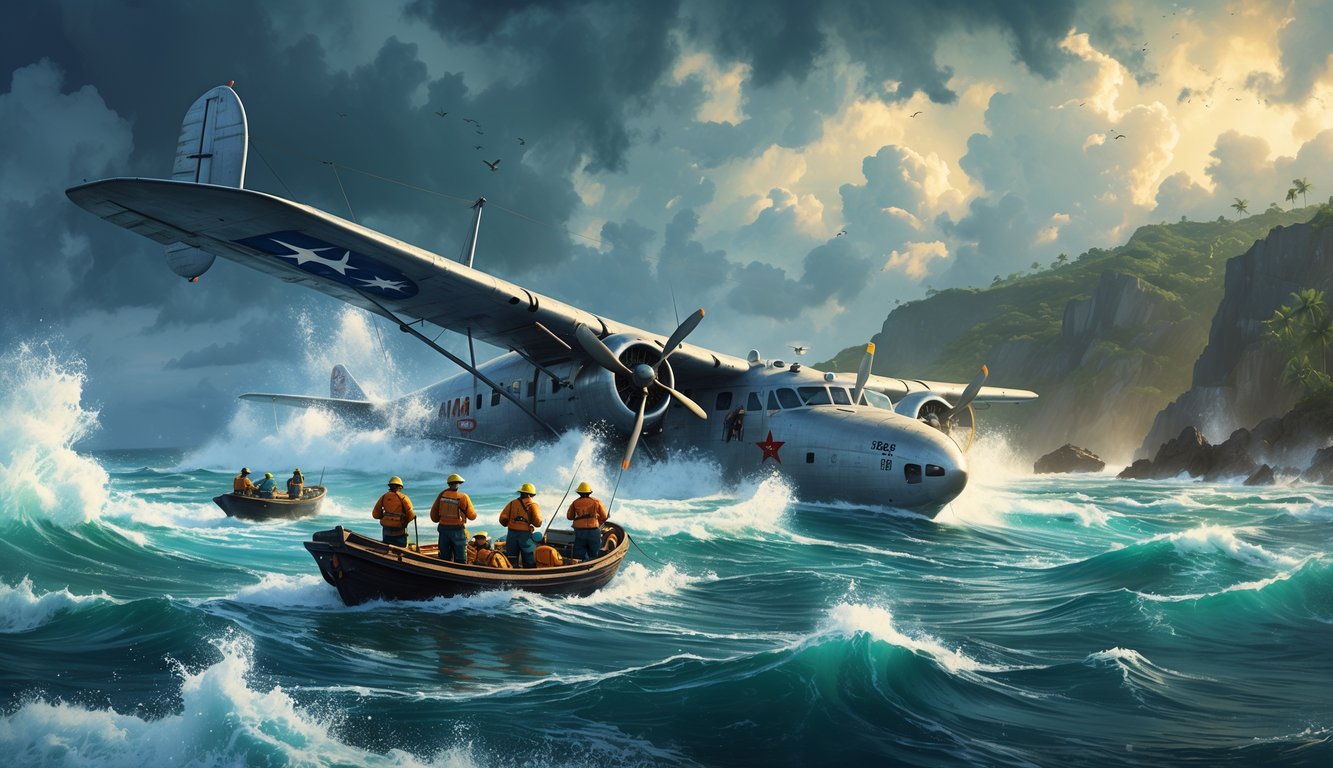
Puerto Rico’s location in the Caribbean puts it near the crash site of Pan Am’s Clipper Endeavor. Its ports, coastal communities, and local knowledge have supported ongoing search efforts in the waters off San Juan.
Geographic Importance
Puerto Rico sits between the Atlantic Ocean and the Caribbean Sea. The crash of Flight 526A happened just a few miles off San Juan, making the island the closest base for recovery and research.
Waters near San Juan can be challenging. Strong currents, shifting weather, and changing depths require specialized diving and sonar equipment.
Teams plan searches around these conditions. San Juan’s harbor supports vessels equipped for deep-water exploration, including ships used by the Air/Sea Heritage Foundation in their search.
Puerto Rico’s proximity reduces travel time for crews and equipment. This allows more time for searching and less time in transit.
Local Involvement in the Expedition
Local experts, including divers, fishermen, and maritime historians, have provided valuable knowledge about the waters off San Juan. Their familiarity with currents, hazards, and seafloor features helps guide search teams to likely areas.
Puerto Rican ports have offered logistical support. Crews have used local marinas for refueling, maintenance, and storage of search gear.
Community interest has played a role as well. Residents have shared historical accounts and personal stories from the time of the 1952 crash, sometimes including details about where debris was seen or recovered.
Partnerships with local institutions have strengthened the search. Universities and museums on the island have shared archival materials and helped preserve artifacts recovered from the site.
Media Coverage and Public Interest
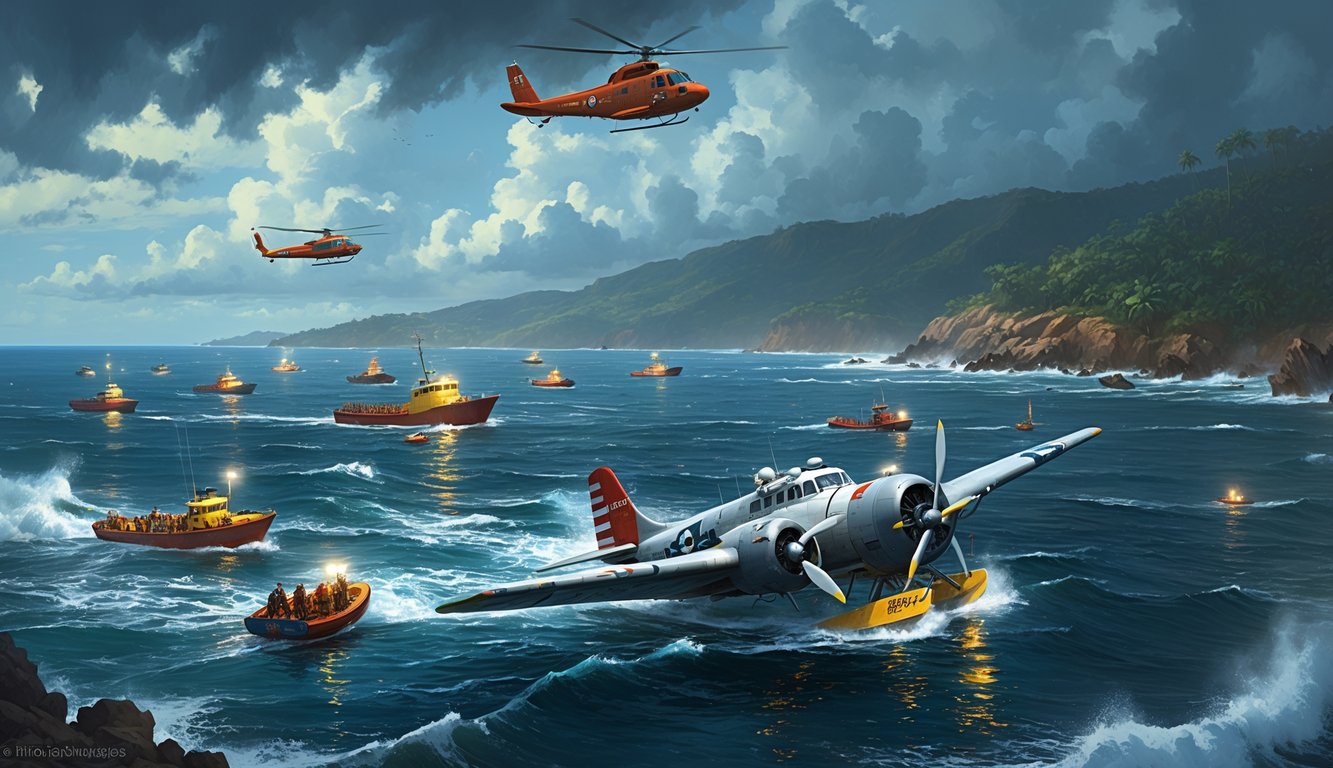
Television networks and online platforms brought the search for the Clipper Endeavor to a wide audience. Coverage focused on both the historical background of Pan Am Flight 526A and the technical challenges of locating the wreck in deep waters off Puerto Rico.
How the Story Was Reported
The story gained new attention through the TV-PG rated series Expedition Unknown. Host Josh Gates joined a team to search for the missing aircraft.
Episodes combined on-site footage, interviews with historians, and underwater exploration. News outlets highlighted the efforts of the Air/Sea Heritage Foundation to locate and document the wreck.
Articles included archival photos of the Douglas DC-4 and details about the April 11, 1952 crash. Social media channels shared short clips, behind-the-scenes images, and updates from the search team.
Many reports focused on verifiable facts, such as confirmed search coordinates, weather conditions, and the aircraft’s last known position.
Audience Reception and Impact
Viewers responded with strong interest, especially those with ties to Puerto Rico or aviation history. Many appreciated the balance between historical research and modern exploration shown in Expedition Unknown.
Online discussions included personal stories from people whose relatives remembered the crash. These accounts added a personal dimension to the technical search updates.
Ratings data showed steady viewership for the episodes covering the Clipper Endeavor search. This encouraged further coverage and kept the topic in public conversation.
Some educators used the program and related articles as teaching tools to discuss aviation safety history and search-and-recovery technology. This extended the impact into classrooms and community events.
Legacy of Pan Am’s Clipper Endeavor
The crash of Pan Am’s Clipper Endeavor in 1952 left a lasting mark on the people affected and on the aviation industry. It prompted changes in safety procedures and remains a story of loss, resilience, and learning.
Memorials and Remembrance
Families of the 52 people who died in the crash have kept the memory of their loved ones alive through small, personal memorials and public acknowledgments.
In Puerto Rico, local historians and maritime groups such as the Air/Sea Heritage Foundation continue efforts to locate the wreck site. Finding the aircraft would allow for proper documentation and protection as a cultural heritage site.
Commemorations often take place on April 11, the anniversary of the accident. These events may include wreath-laying ceremonies, moments of silence, and gatherings of surviving relatives and aviation historians.
Online archives and aviation history organizations preserve photos, passenger lists, and official records. This helps ensure that the story of Clipper Endeavor is not forgotten by future generations.
Influence on Modern Aviation
The loss of Clipper Endeavor led to changes in commercial aviation safety. The accident happened after the aircraft’s No. 3 engine failed shortly after takeoff, which forced an attempted return to San Juan.
Investigators found that airlines needed to improve crew training for emergencies, especially during takeoff and climb. Airlines placed greater emphasis on engine failure procedures and communication between cockpit crew members.
Pan Am and other carriers reviewed maintenance schedules for piston-engine aircraft to lower the risk of mechanical failures.
The event also influenced the development of stricter regulations for overwater flights. Authorities required life vests, rafts, and passenger safety briefings. These measures became standard practice in commercial aviation and helped improve survival rates in later incidents.
2024’s Renewed Attention to the Mystery
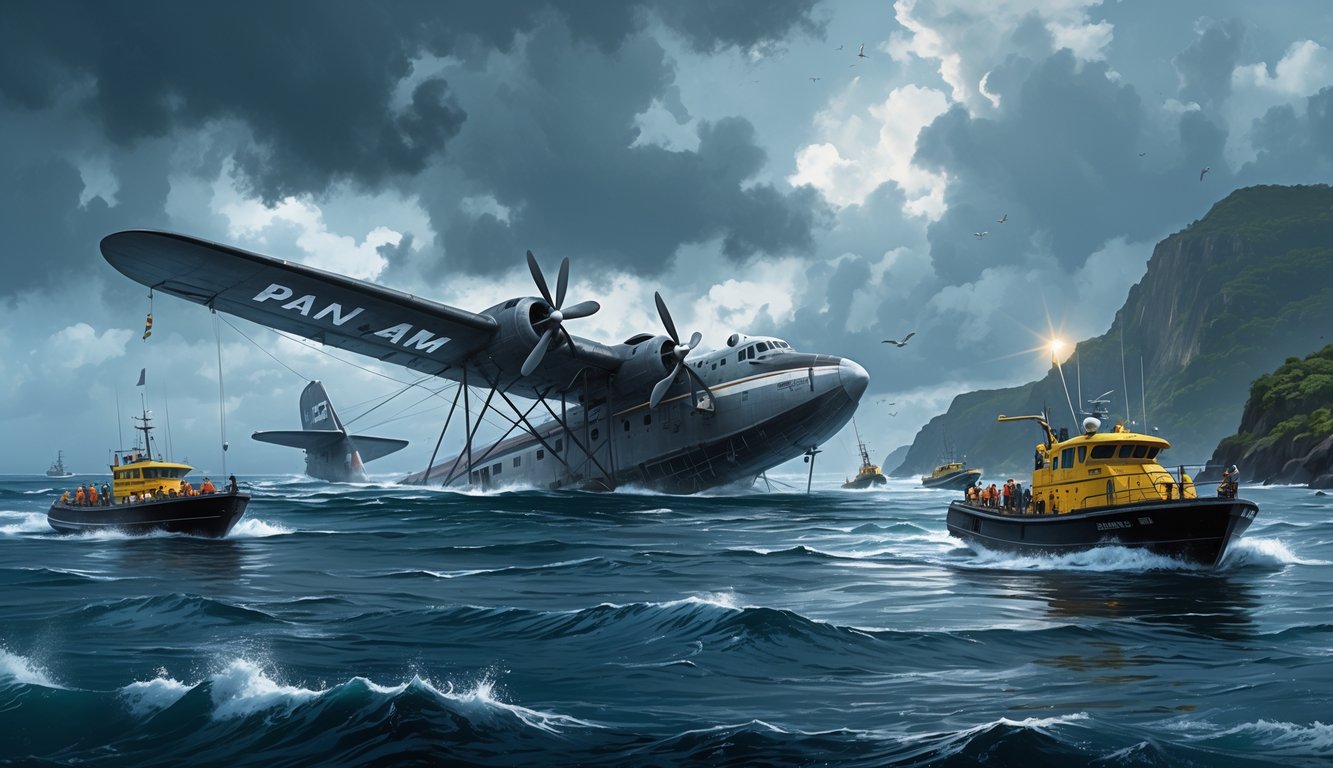
In 2024, the disappearance of Pan Am’s Clipper Endeavor drew fresh public interest as new expeditions set out to investigate the decades-old crash site. The story gained momentum through televised coverage and updated research, bringing both historical context and modern technology into the search.
Why the Story Resonates Today
Many people connect with the mystery because it blends aviation history with an unresolved loss. The Clipper Endeavor was part of Pan American World Airways’ fleet, a symbol of early international travel.
Its crash off Puerto Rico’s coast in the mid-20th century marked a turning point in commercial aviation safety. Families of the crew and passengers never received closure, which keeps the event emotionally significant.
In 2024, shows like Expedition Unknown revisited the case. Josh Gates and his crew braved rough Atlantic waters to investigate.
Viewers followed their attempt to locate the wreckage 2,000 feet below the surface, as seen in the Discovery Channel episode.
Social media also amplified interest. Short clips, behind-the-scenes updates, and historical photos circulated widely, introducing the case to younger audiences who had never heard of the Clipper Endeavor before.
New Clues and Theories
In 2024, researchers used advanced sonar mapping and remotely operated vehicles to scan the seabed near Puerto Rico. This technology let the team explore areas they could not reach before because of depth and strong currents.
The team did not recover confirmed wreckage. However, they found several promising underwater anomalies.
These findings may guide future dives. Some aviation historians think the plane’s final location could be farther east than earlier estimates.
Others look at maintenance records and weather reports from the crash date. They suggest strong winds may have pushed the aircraft off its planned route.
The Expedition Unknown investigation covered these theories in detail. This gave the public a clearer idea of where the mystery stands today.