Legends of strange creatures in remote places have sparked curiosity for generations. The Grand Canyon is no exception.
While most people know the canyon for its breathtaking cliffs and vast landscapes, some believe it hides something far more mysterious. The Canyon of the Apes refers to reported Bigfoot sightings in and around the Grand Canyon, blending local history, eyewitness accounts, and ongoing investigations into one of the Southwest’s most intriguing mysteries.
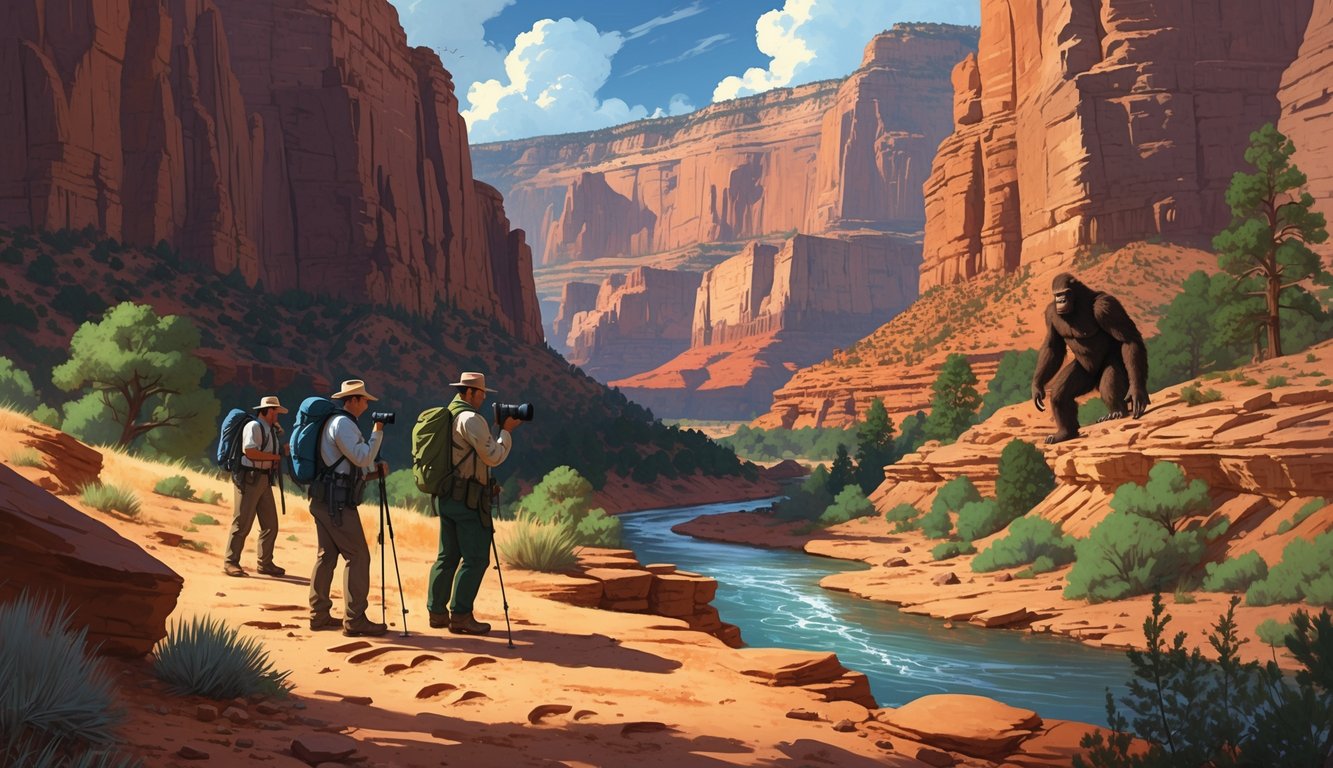
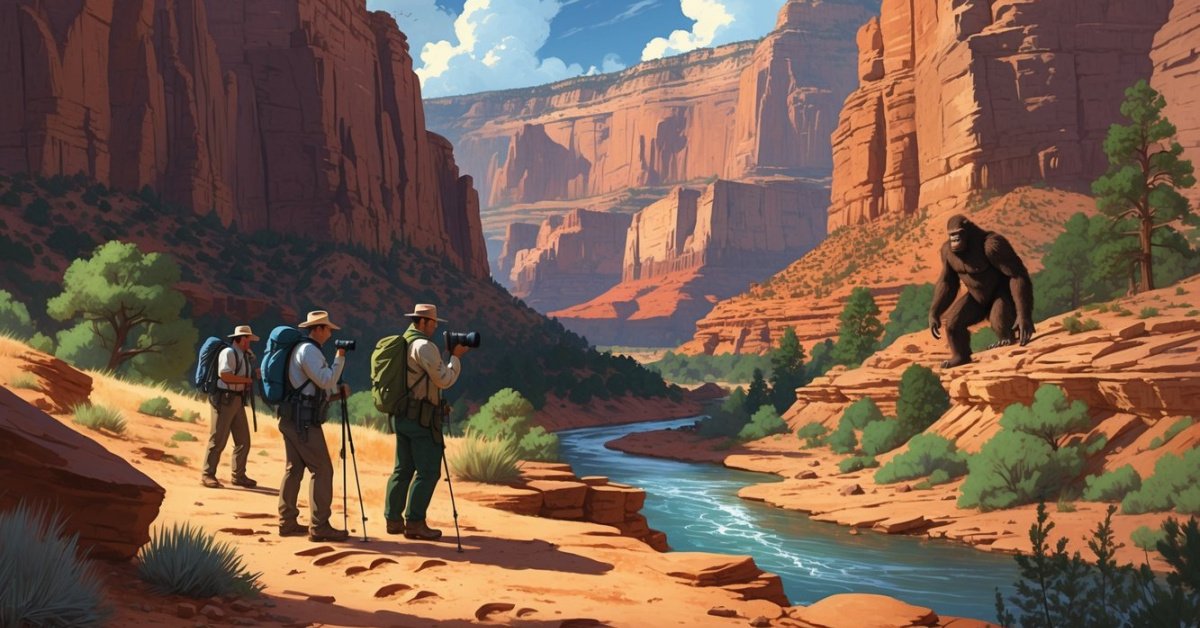
Hikers whisper tales and organize expeditions in search of answers. Both seasoned researchers and casual explorers join the search.
People report seeing large, ape-like figures, finding unusual tracks, and hearing unexplained sounds echoing through the canyon. Stories like these fuel debates about whether the Grand Canyon could be another Bigfoot hotspot.
Those who venture into the rugged terrain face steep cliffs and twisting trails. The remote areas rarely see human visitors.
This challenging environment makes claims of hidden creatures more believable. It also shapes how investigations happen.
Each new story, photo, or footprint adds to the puzzle of the Canyon of the Apes.
Overview of the Canyon of the Apes Phenomenon
The Canyon of the Apes is a remote area known for unusual sightings and stories of large, ape-like creatures. People often describe tall, broad-shouldered figures with long arms near rugged cliffs and forested trails.
These stories attract hikers, amateur researchers, and Bigfoot enthusiasts from other parts of the country.
Origin of the Name
Locals named it “Canyon of the Apes” after repeated reports of primate-like creatures in the area. Early hikers and campers claimed to hear strange vocalizations echoing off the canyon walls.
Some people reported finding oversized footprints along riverbanks and trails. These prints sometimes measured over 15 inches long.
In the mid-20th century, outdoor writers started using the term in articles about unexplained wildlife encounters. The nickname caught on among outdoor enthusiasts.
Local maps do not officially use this name, but it appears in guidebooks and online forums. The informal title reflects both curiosity and caution about the canyon.
Connection to Bigfoot Lore
The canyon’s reputation grew as part of the wider Bigfoot legend. Sightings here share similarities with the famous Ape Canyon incident of 1924, where miners in Washington claimed to be attacked by ape-like beings.
Witnesses in the Canyon of the Apes say creatures move quickly over steep terrain, often at dusk. Some report seeing dark shapes watching from tree lines before vanishing.
Bigfoot researchers notice patterns in these accounts—remote locations, large footprints, and nighttime activity. Verified physical evidence is still missing, but the consistent descriptions keep people interested.
The area has become a notable stop for those chasing Bigfoot across the American West.
Cultural Impact
Stories about the canyon have influenced local tourism and outdoor culture. Guided hikes sometimes visit spots linked to reported sightings.
Small businesses sell themed merchandise, such as T-shirts and trail mugs. Local events may feature talks from authors and cryptid researchers.
Online communities discuss the canyon in trip reports and threads. Some visitors share photos of unusual tracks or distant silhouettes.
The phenomenon adds mystery to the region’s identity. It blends outdoor adventure with folklore, creating a unique attraction for locals and visitors.
Bigfoot Sightings in the Grand Canyon
People have reported unusual, ape-like creatures in the Grand Canyon region for over a century. Some accounts come from remote areas, while others involve recent sightings captured on video or shared online.
Notable Encounters
In 1903, a creature described as a “wild man” was reportedly seen near the canyon’s rim. The story appeared in The Arizona Republican and described a tall, hairy figure unlike any known animal.
Later, hikers and campers reported similar sightings. Some described a large, bipedal figure moving quickly through rugged terrain.
Others recalled hearing strange vocalizations echoing off the canyon walls.
A 1977 Grand Canyon video filmed by Aaron Brady is a notable piece of alleged evidence. People still debate the footage, but it continues to circulate among Bigfoot enthusiasts.
These early encounters helped build the Grand Canyon’s place in North American Bigfoot lore.
Recent Reports
Recently, sightings have shifted to online databases and video platforms. The BFRO geographical database includes reports from Arizona, with several near the canyon.
Some modern accounts describe hikers seeing a tall, dark figure along ridges or tree lines. Others mention finding large footprints in soft soil near campsites.
Local legends connect these sightings to the Mogollon Monster, a Sasquatch-like creature said to roam Arizona’s high country. While most reports come from the Mogollon Rim, a few extend into the Grand Canyon region.
Smartphones and trail cameras make it easier for people to document what they see. However, the quality of the media often leaves questions.
Eyewitness Testimonies
Eyewitnesses often describe unusual height, thick hair, and a human-like gait. Many say the creature stands between 7 and 8 feet tall with broad shoulders and long arms.
Some hikers feel watched before seeing movement in the distance. Others report hearing wood knocks or deep, guttural sounds at night.
A few say the creature retreats quickly when spotted. Some witnesses claim they were too startled to take photos before it disappeared.
These firsthand stories, whether old or recent, keep the Grand Canyon’s Bigfoot mystery alive.
Investigative Expeditions and Key Figures
Researchers and television crews visit remote canyons to document reported Bigfoot activity. They combine field exploration with interviews and environmental surveys.
They also review past eyewitness accounts. Their efforts produce new leads and show the challenges of verifying such sightings.
Phil and Jessica’s Search
Phil and Jessica play a visible role in Chasing Bigfoot investigations. They hike for hours into rugged terrain to reach reported sighting locations.
They focus on areas with a history of unusual activity, including places with large footprints or strange sounds at night. Their trips require careful planning due to the remote and sometimes dangerous conditions.
They talk with locals who have first-hand experiences. These conversations help them select specific search zones and times.
Phil and Jessica emphasize persistence and direct observation over speculation.
Expedition X Episode Insights
In the Expedition X episode “Canyon of the Apes”, Phil and Jessica investigate recent Bigfoot reports in the Pacific Northwest. The show follows their trek into rocky, uneven ground along Mount St. Helens.
They use night-vision cameras, audio recorders, and motion-triggered devices to try to capture evidence. Viewers see them navigate steep cliffs and dense forest while tracking possible movement.
They review earlier sightings in the same canyon. This context helps frame their search as part of a longer pattern of unexplained encounters.
Investigative Techniques
Field investigations use both traditional tracking skills and modern equipment. Teams look for footprints, hair samples, and unusual sounds.
Common tools include:
- Trail cameras for long-term monitoring
- Audio recorders for detecting vocalizations
- Casting kits for preserving footprint impressions
Phil and Jessica map past sightings to find “hot zones.” They time their searches for dusk and early morning, when reports are more common.
By combining local knowledge with systematic searching, they increase their chances of finding something unusual.
Geography and Terrain of the Grand Canyon
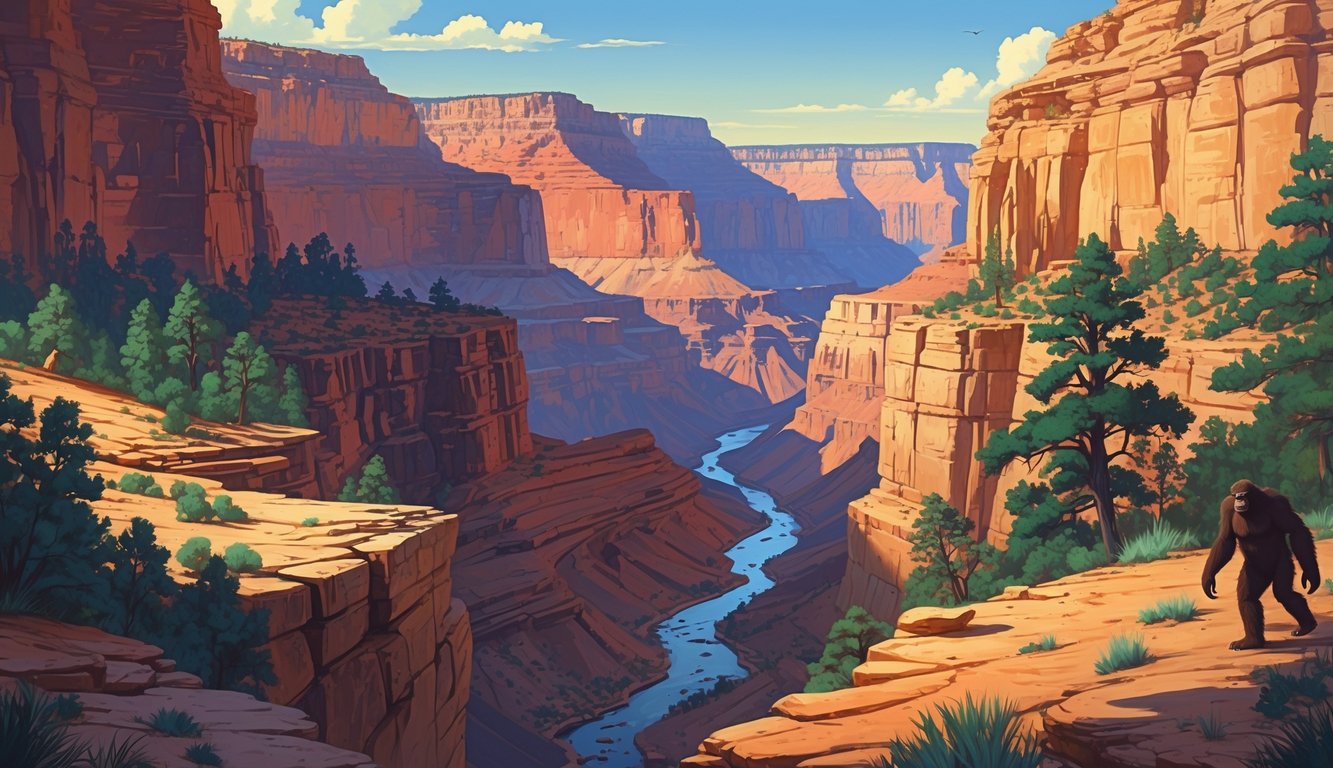
The Grand Canyon stretches 277 miles through northern Arizona. Its width varies from narrow corridors to vast, open expanses.
Steep cliffs, layered rock formations, and deep valleys shape the landscape. The Colorado River has carved this environment over millions of years.
Unique Landscape Features
Some parts of the canyon reach depths over 6,000 feet. The rock layers date back nearly two billion years.
These layers show different colors and textures, making the canyon both visually and geologically important.
Plateaus like the Kaibab and Coconino rise above the canyon, offering wide views and marking sharp elevation changes.
The Colorado River winds through the base, forming narrow gorges and wider basins. Side canyons branch off, with some accessible only by foot or raft.
Vegetation changes with elevation. Higher rims have pine and juniper forests, while the inner canyon supports desert plants like agave and cactus.
Seasonal creeks and springs create small pockets of greenery.
Challenges of Exploration
Exploring the Grand Canyon requires careful planning due to its size and remote areas. Trails often drop thousands of feet from rim to river.
Water sources are scarce, especially in the inner canyon. Hikers must carry enough water or know where to refill.
Weather can change quickly. Summer brings extreme heat at the bottom, while the rims stay cooler.
Sudden storms can cause flash floods in narrow sections. Timing is important for safety.
Navigation is difficult in many areas. Some trails are unmarked, and GPS signals may not work well because of steep walls.
Rangers recommend using maps, compasses, and knowing the terrain.
Dangerous Terrain
Cliffs and loose rocks make footing dangerous. Some ledges border sheer drops of hundreds or thousands of feet.
Rockslides can happen without warning, especially after rain or freeze-thaw cycles. Trails may become blocked or unstable.
The Colorado River has rapids with high difficulty levels, and the cold water increases the risk of hypothermia.
Wildlife also presents risks. Encounters with rattlesnakes, scorpions, or aggressive elk can happen, especially in less-traveled sections.
Even experienced hikers and climbers treat the Grand Canyon National Park with caution because of its unpredictable and rugged nature.
Comparisons to Other Bigfoot Hotspots
Some areas have a long history of Bigfoot reports with detailed accounts and consistent patterns. These locations often share similar environments, such as dense forests, remote terrain, and limited human activity, making them interesting to compare.
Mount St. Helens and Ape Canyon
Mount St. Helens in Washington hosts one of the most famous Bigfoot stories — the 1924 Ape Canyon incident. A group of miners said large, ape-like creatures attacked their cabin at night.
This event became regional folklore and people still talk about it today. The area’s rugged landscape, steep canyons, and thick forests give wildlife plenty of natural cover.
These conditions are similar to other places where people report Bigfoot sightings. Many accounts here involve rock throwing, strange vocalizations, and large footprints.
Researchers and enthusiasts regularly visit the region. Some explore the Ape Canyon legends, while others look into modern reports.
The area’s history and geography, combined with repeated claims, make it one of the most studied Bigfoot hotspots in North America.
Pacific Northwest Connections
The Pacific Northwest, including Washington, Oregon, and parts of British Columbia, has many Bigfoot reports. The Bigfoot Field Researchers Organization (BFRO) keeps a database of sightings that shows clusters in remote forested areas.
Dense conifer forests, heavy rainfall, and vast wilderness make much of the region hard to access. This environment supports large wildlife populations and limits human activity.
Many reports describe tall, broad-shouldered figures, deep howls, and tracks over 15 inches long. Locations like the Olympic Peninsula and the Cascade Range attract investigators searching for evidence.
The region’s long history of sightings keeps drawing attention from both locals and visitors.
Historical Accounts and Legends
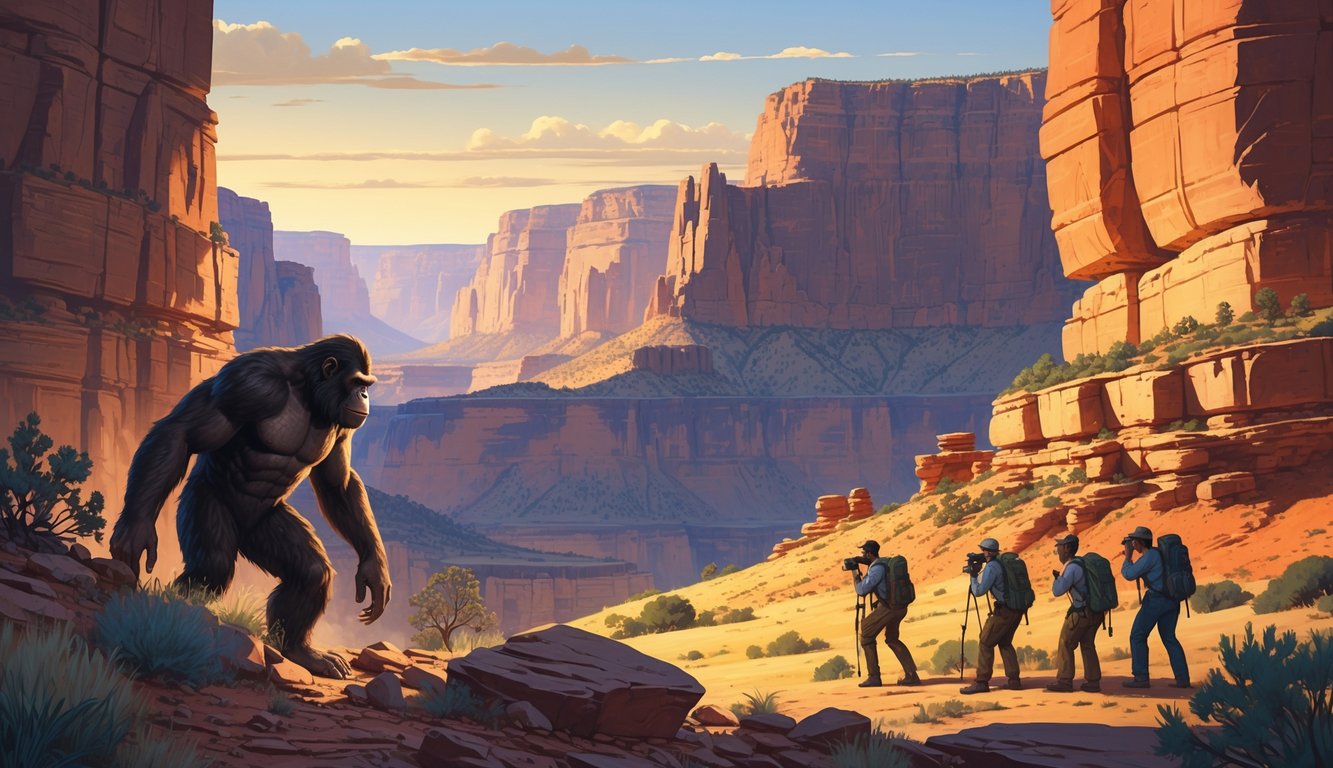
For over a century, people have reported unusual, ape-like creatures in remote canyon areas. Prospectors and explorers have documented large footprints or strange nighttime activity.
Cultural traditions also describe human-like beings living in rugged, hard-to-reach terrain.
Early 20th Century Reports
In the early 1900s, miners, hunters, and hikers in the American West shared stories about tall, hairy figures. These accounts often mentioned footprints over a foot long and spaced far apart, suggesting a long stride.
One well-known story from this period is the 1924 Ape Canyon incident near Mount St. Helens. Gold prospectors said several large, ape-like creatures attacked their cabin at night by throwing rocks and pounding on the walls.
Word of the story spread through newspapers and sparked interest in similar sightings elsewhere. By the 1930s, some Grand Canyon visitors reported hearing strange howls or seeing large shadows moving along the canyon rim at dusk.
These early reports were usually brief and lacked physical evidence.
Local Indigenous Stories
Several Indigenous tribes in the Grand Canyon region have oral histories about large, human-like beings. The Havasupai, Hualapai, and Hopi tell stories of creatures living in remote caves or forested plateaus, often avoiding people.
Many accounts describe these beings as part of the natural world, not monsters. Some stories call them protectors of certain lands, while others warn about their strength and ability to disappear quickly.
Tribal elders have passed these stories down for generations, often linking them to specific landmarks. Certain rock formations or hidden valleys are said to be traditional dwelling areas for these beings.
These cultural narratives give context to modern sightings and blend history, geography, and community memory.
Physical Evidence and Theories
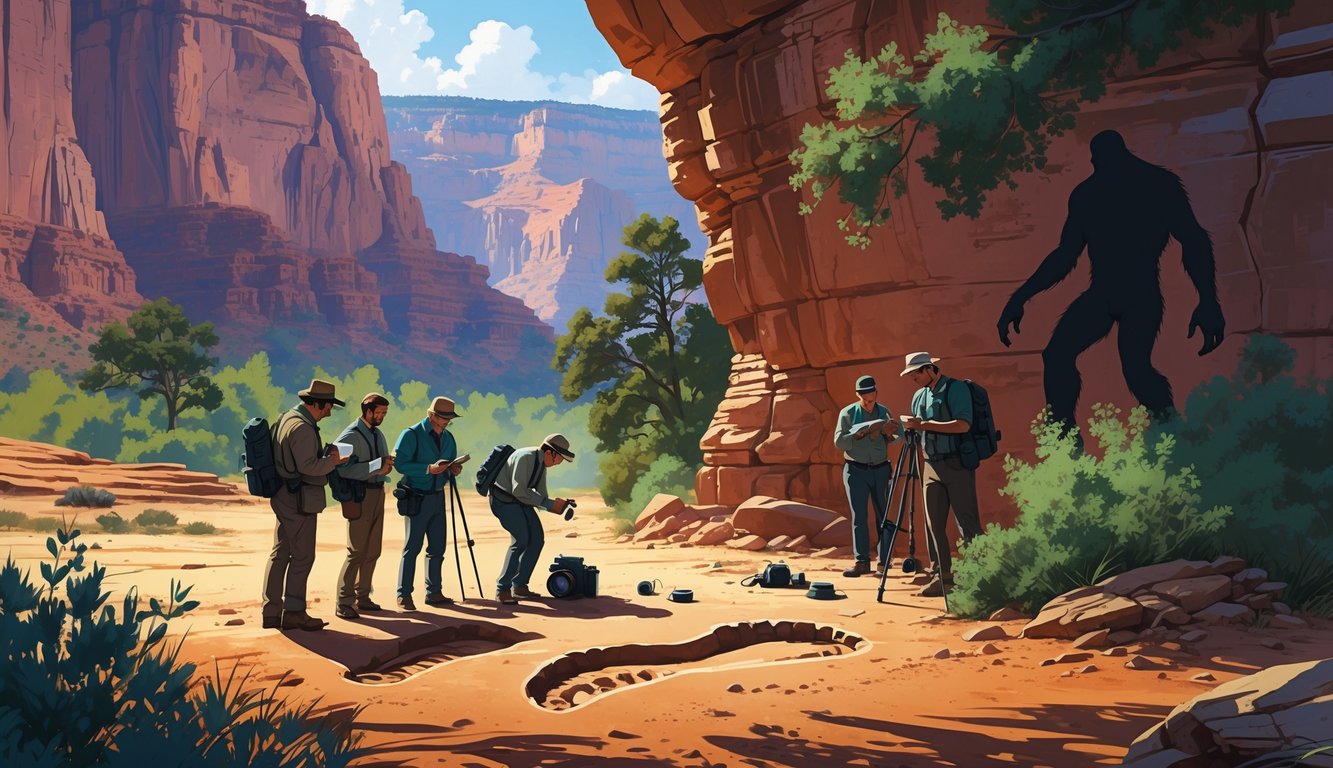
Some visitors say they have found large tracks in remote areas, recorded unusual sounds at night, or seen figures moving in the distance. Others believe hoaxes, misidentifications, and natural explanations account for these reports.
Footprints and Physical Traces
Hikers and researchers sometimes find oversized footprints along trails and riverbanks in the Grand Canyon. These prints often measure more than 15 inches long and show a wide stride pattern.
Some tracks appear in soft mud or sand, making them easier to photograph and measure. A few people have made casts showing clear impressions of toes and arches.
Experts point out that erosion, animal tracks, and human-made imprints can look like large footprints. In the 1924 Ape Canyon incident, similar prints added to Bigfoot lore, but later debates questioned their origin.
Key details often recorded include:
- Length: 14–18 inches
- Width: 6–8 inches
- Stride: 4–5 feet between steps
Audio and Visual Recordings
Several campers have recorded deep howls, wood knocks, and strange whistles echoing through the canyon at night. People sometimes compare these sounds to recordings from other alleged Bigfoot hotspots in North America.
Video sightings are usually brief and distant. Shadows, brush, and low light often make it hard to confirm what is in the footage. Some clips show upright figures moving quickly along ridges or through trees.
Researchers use parabolic microphones and night vision cameras to improve their data. Most audio and video remains open to interpretation, and many examples are explained as known animals or environmental noise.
Skeptical Perspectives
Skeptics say most physical signs have natural causes. Large footprints may come from bears, erosion, or hoaxes. Sounds could be coyotes, owls, or wind.
Some mention cases like the Ape Canyon encounter, where dramatic stories later faced scrutiny. Misidentification and storytelling can make events seem bigger than they were.
Skeptics also note that searches have not found verified biological evidence such as bones, hair with DNA, or clear photographs. They believe this lack of proof makes the claims unlikely.
Impact on Local Communities
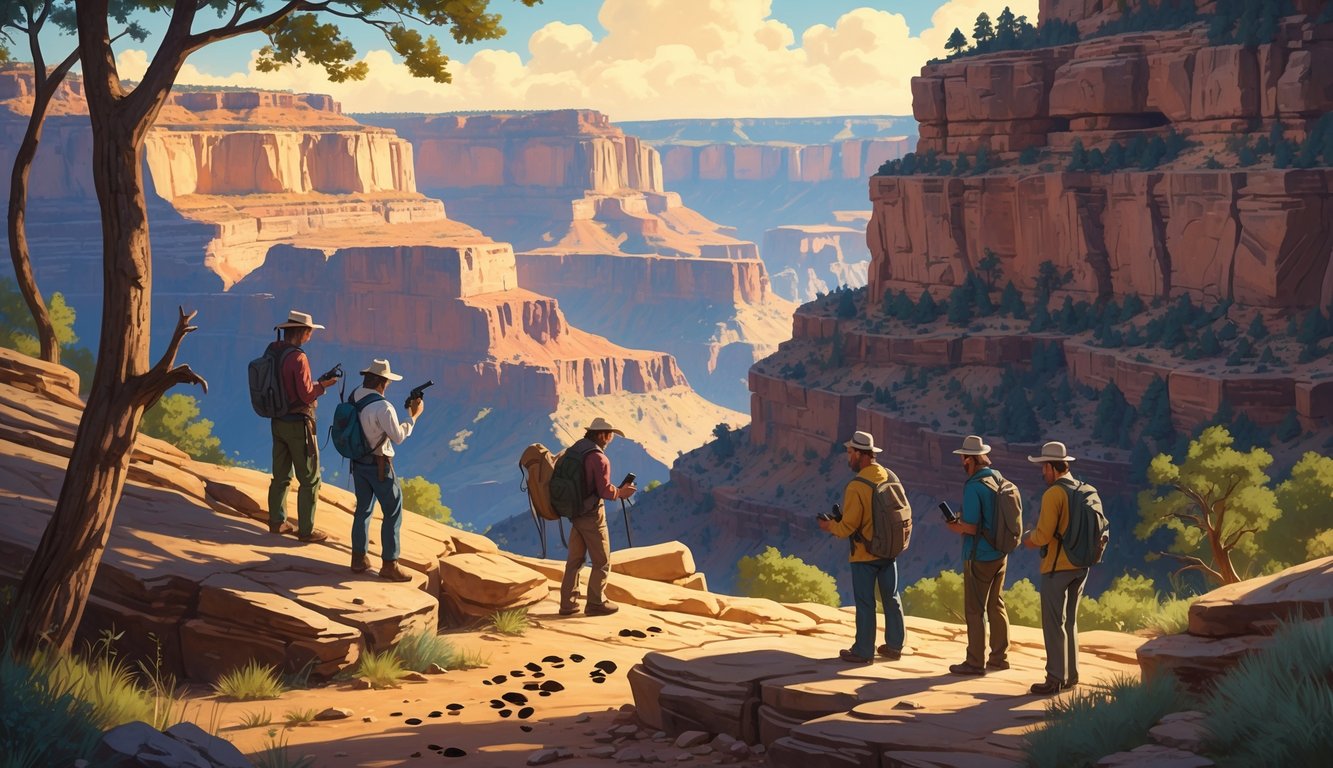
Reports of unusual sightings in remote canyon areas bring more visitors, media crews, and researchers into towns near the Grand Canyon. These changes create new business opportunities but also raise concerns about accuracy, safety, and respect for the land.
Tourism and Media Attention
Interest in Bigfoot stories has led to more guided tours and themed events. Local outfitters offer “mystery hikes” that mix scenic trails with storytelling about past encounters.
Small businesses, such as diners and souvenir shops, see higher sales during peak travel months. Some sell merchandise featuring the creature’s likeness.
Television crews and documentary teams have filmed in the area, just as Ape Canyon became a focus for Bigfoot-related media. This exposure can boost tourism but sometimes brings short-term disruptions, like road closures or restricted access to certain sites.
Not all visitors come for the legends alone. Many combine their interest in the stories with camping, river rafting, or photography, which spreads tourism benefits across different sectors.
Community Reactions
Residents have mixed feelings about the attention. Some welcome the economic boost, while others worry about outsiders misrepresenting local history or exaggerating events.
Longtime locals often stress the importance of cultural respect, especially when filming or leading tours near sacred or historically significant areas.
Community meetings address issues like littering, trespassing, and the spread of unverified claims. These discussions aim to balance curiosity with responsibility.
A few residents share personal accounts, while others prefer to keep quiet. This variety of perspectives shapes how the story is told and remembered locally.
Safety and Preparation for Explorers
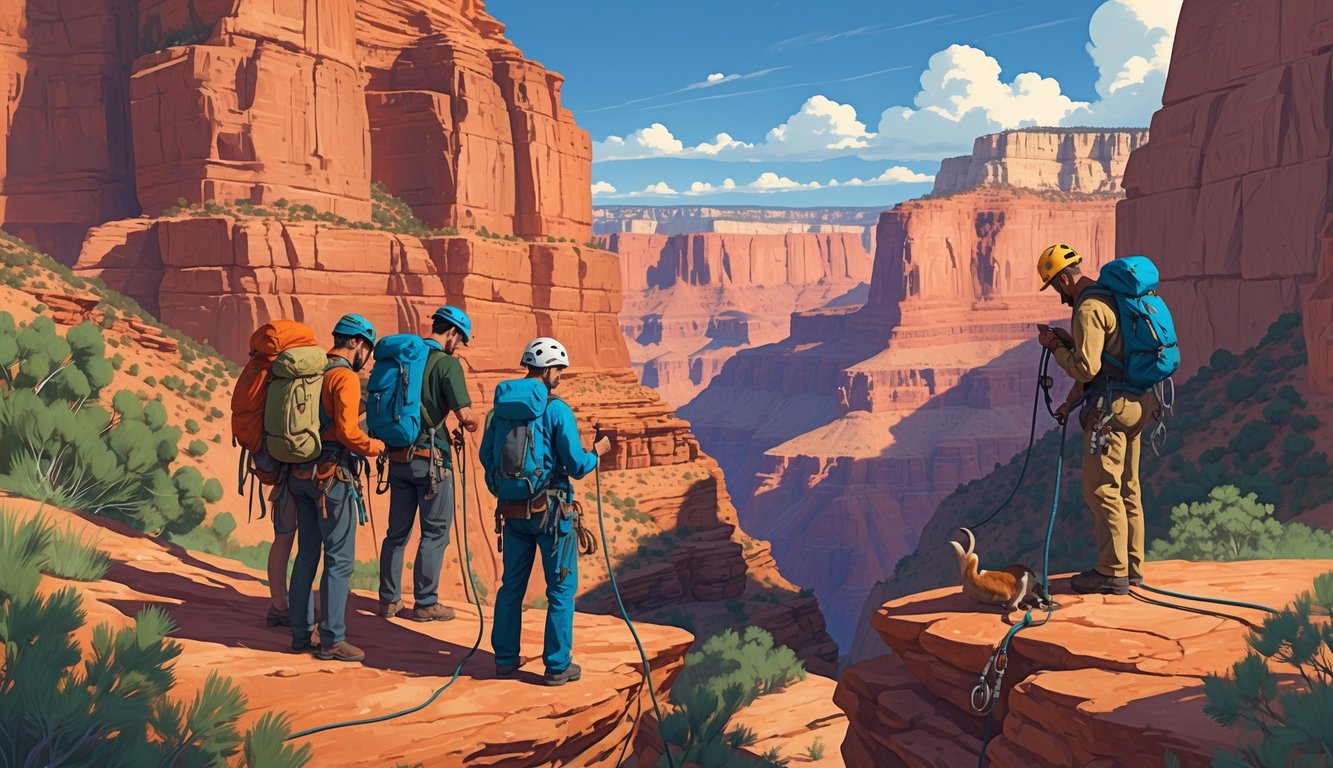
Explorers in remote canyons face steep drops, loose rock, and sudden weather changes. Limited cell service and long distances from help mean they must plan ahead and bring the right gear.
Navigating Dangerous Terrain
The Grand Canyon’s side canyons and rocky slopes can be unstable. Loose gravel often hides under a thin layer of soil, making footing tricky.
Steep cliffs require careful movement and a constant watch for falling rocks. Water crossings can be hazardous after rain.
Flash floods can happen with little warning, especially in narrow slots. Explorers need to know the nearest high ground and escape routes before entering these areas.
Dense vegetation in some sections can hide holes, uneven ground, or wildlife. Trekking poles help maintain balance, especially on steep slopes.
Those traveling in remote areas should mark their path with GPS waypoints. This helps prevent getting lost if dust, fog, or darkness reduces visibility.
Essential Gear and Tips
A sturdy backpack should carry plenty of water, high-energy snacks, and a first aid kit. In hot months, at least 3 liters of water per person is best.
Footwear with strong ankle support helps prevent injuries on uneven ground. Lightweight but durable clothing protects against sun and scrapes.
Other useful items include:
- Map and compass (even if using GPS)
- Headlamp with spare batteries
- Whistle for signaling in emergencies
- Multi-tool for repairs or basic tasks
Explorers should tell someone their route and expected return time. In areas known for wildlife activity, such as Ape Canyon or remote Grand Canyon trails, staying in a group improves safety and makes emergencies easier to handle.
Carrying a satellite communicator or personal locator beacon can save lives when far from cell coverage.
The Future of Bigfoot Investigations in the Grand Canyon
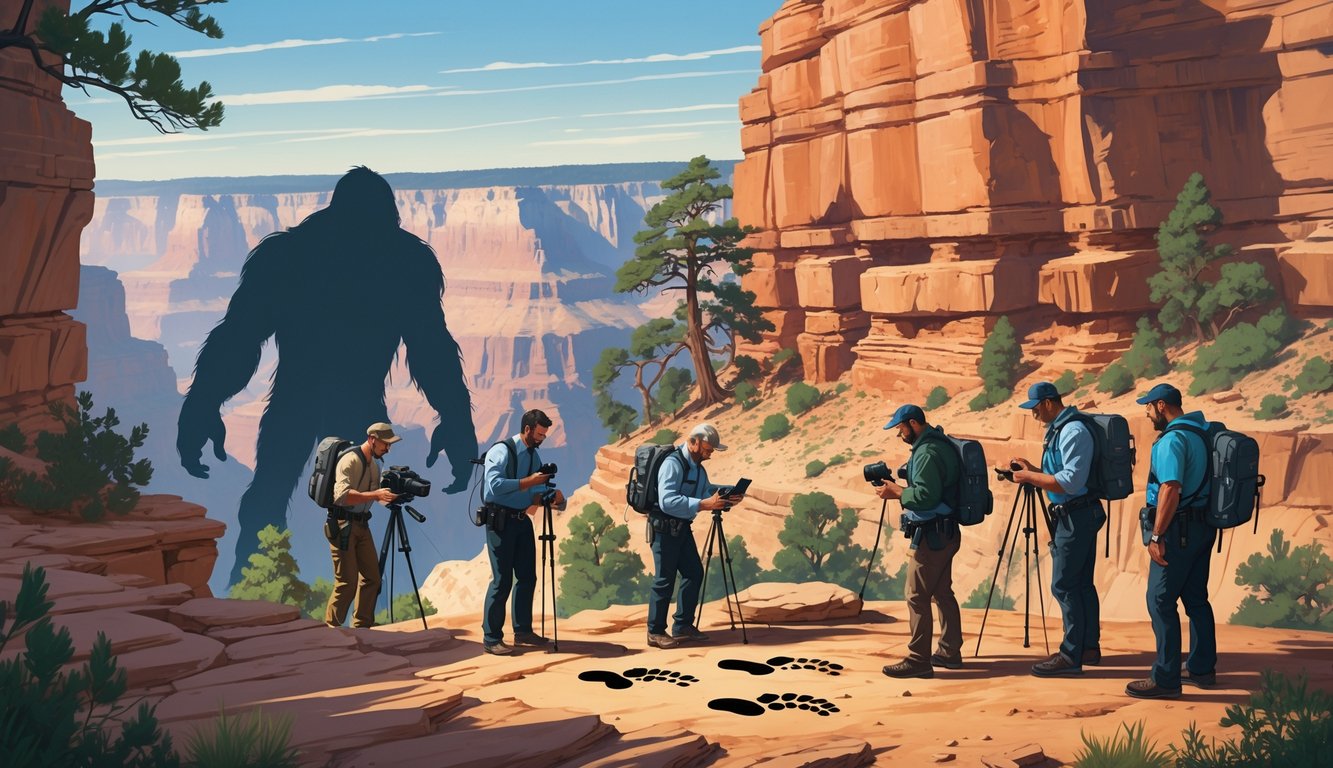
Researchers and enthusiasts track credible sightings, study physical evidence, and document local accounts in Arizona’s canyon regions. New technology and coordinated fieldwork give them better ways to collect and verify information in hard-to-reach areas.
Ongoing Research
Field teams in the Grand Canyon area use trail cameras, audio recorders, and night-vision equipment to monitor remote sites. These tools help capture possible visual or sound evidence without disturbing the environment.
Groups like the Bigfoot Field Researchers Organization keep a growing database of sightings, including reports from Yavapai County in 2025. This lets investigators spot patterns in location, time of year, and type of encounter.
Researchers also do footprint casting and hair sample collection when possible. They send samples to labs for DNA testing to see if they match known species.
Local interviews are important to the process. Residents, hikers, and park staff often share details that guide where search efforts should focus.
Potential for New Discoveries
Steep terrain and limited access make some regions of the Grand Canyon rarely visited. Explorers could find undiscovered evidence in these areas by using the right equipment and planning.
Researchers now use drone technology to map cliffs, caves, and forested plateaus from the air. Drones can reveal possible shelter sites or travel routes that match reported sightings.
Scientists and citizen investigators are working together more often. Groups studying wildlife, geology, and climate share data to help focus searches for Bigfoot activity.
Historical cases, like the Ape Canyon incident of 1924, inspire new searches in similar landscapes. Searchers now combine past records with modern tools to explore leads that were once out of reach.