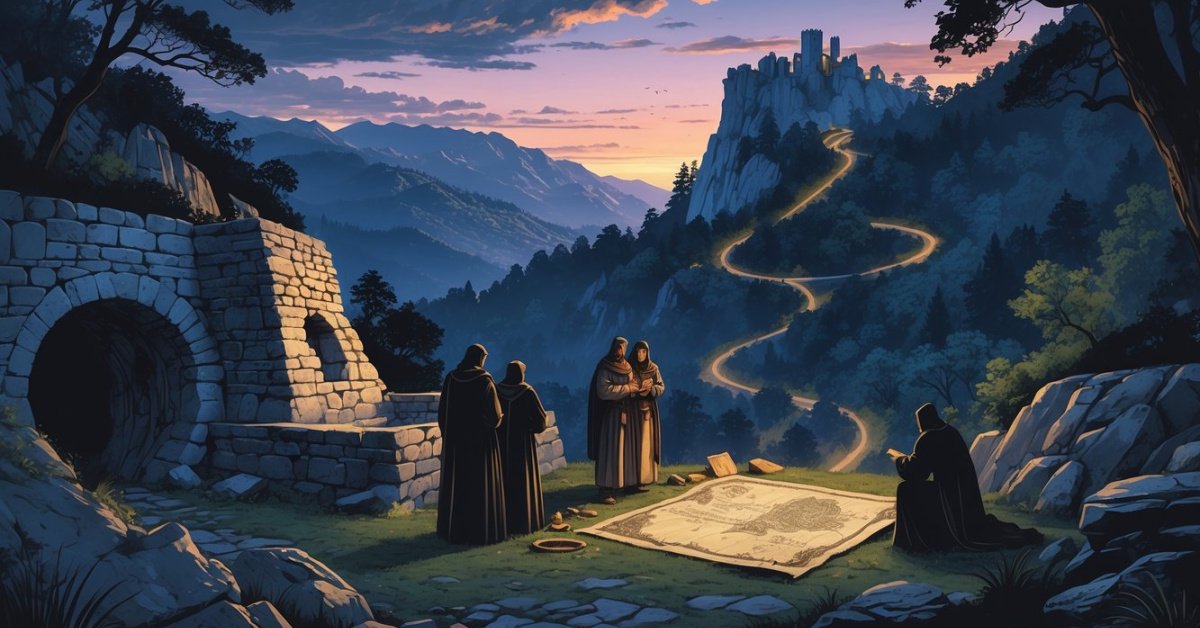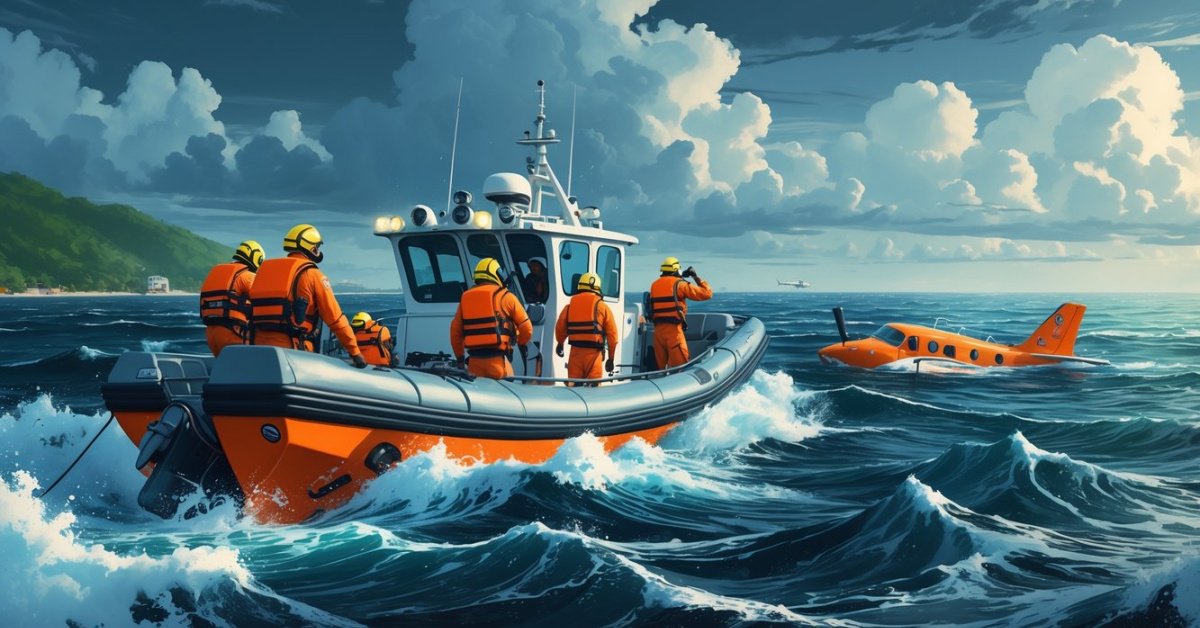
Waves crash against the hull as the search team pushes into the unpredictable waters off Puerto Rico. Somewhere beneath, the wreck of Pan Am Flight 526A, known as the Clipper Endeavor, lies hidden after a tragic ditching in 1952.
The team aims to locate and document the lost aircraft to preserve its place in aviation history.
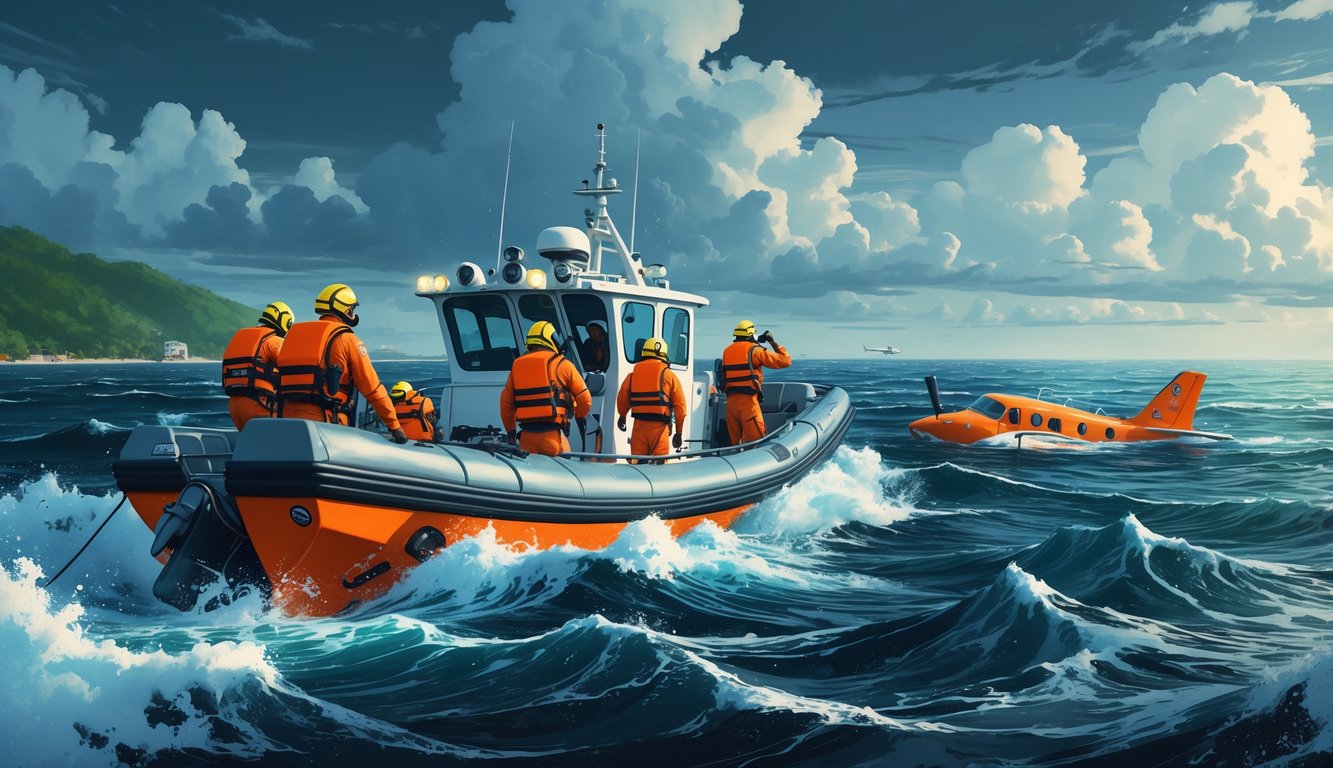
The hunt is more than a dive for wreckage. The search is a journey into a moment that changed commercial flight safety.
Modern explorers like Josh Gates and the Expedition Unknown team face strong currents, deep waters, and uncertain weather as they follow clues to the plane’s final resting place.
Each dive could reveal artifacts hidden for over seventy years. The story blends history, technology, and adventure, connecting the crash to Caribbean maritime mysteries and the ongoing fascination with lost aircraft.
The Disappearance of Pan Am’s Clipper Endeavor
Pan Am’s Clipper Endeavor was a Douglas DC-4 that crashed off the coast of Puerto Rico in 1952. The event killed dozens and led airlines to change safety procedures.
Timeline of the Crash
On April 11, 1952, Pan American World Airways Flight 526A left San Juan–Isla Grande Airport at 12:11 PM AST. The flight was headed for New York’s Idlewild Airport, now JFK.
The plane carried 64 passengers and five crew members. About 11 minutes after takeoff, the crew reported engine trouble and asked to return to the airport.
The plane ditched in the Atlantic Ocean about three miles off San Juan. Some passengers escaped into the water, but strong currents and rough seas made survival hard.
Records show that 17 people survived. More than 50 people died in the accident.
The DC-4, called Clipper Endeavor, had over 20,000 flight hours before the crash. Weather was clear that day, so mechanical failure was the main problem.
Immediate Search Efforts
Local fishing boats reached the crash site first. The U.S. Coast Guard quickly joined, sending cutters and aircraft to search the area.
Survivors clung to life vests and debris until help arrived. The Coast Guard rescued many from the water, but rough waves and the speed of the sinking made recovery difficult.
The search lasted several days. Divers and salvage crews struggled with the depth and strong currents.
Many victims were never found. The wreckage of the Clipper Endeavor stayed underwater, and people did not confirm its exact location for decades.
Modern expeditions, such as those by the Air/Sea Heritage Foundation, continue to search for the site.
Impact on Commercial Aviation
After the accident, Pan Am and other airlines reviewed emergency training for crews and passengers. The crash showed the need for better ditching procedures and faster rescue efforts.
Regulators also made stricter maintenance checks for piston-engine aircraft.
In Puerto Rico, the tragedy reminded people of the dangers of early transoceanic flights. It led to better maritime rescue infrastructure near airports.
Braving Puerto Rico’s Seas: The Search Mission
Josh Gates and his team set out to find the wreckage of Pan Am’s Clipper Endeavor, lost off Puerto Rico in 1952. Their work takes them into deep Atlantic waters with unpredictable weather and technical challenges.
Challenging Ocean Conditions
The seas near Puerto Rico can quickly turn from calm to dangerous. Strong trade winds create surface swells that make it hard to keep boats stable.
During filming for Expedition Unknown, the crew faced sudden squalls and heavy rain. These storms reduced visibility and increased the risk of equipment damage.
Saltwater spray threatened sensitive electronics. The team used protective covers and paused operations during the worst weather.
Wind, waves, and currents forced divers and remotely operated vehicles (ROVs) to be deployed carefully to avoid drifting off course.
Search Technology and Equipment
The team used a mix of modern and proven tools to scan the seafloor. Side-scan sonar created detailed images, showing shapes that might match the wreck.
They operated ROVs with high-definition cameras to get close-up visuals without risking divers in deep or rough waters.
A support vessel tracked the exact position of search equipment. This helped the team return to specific points of interest.
Josh’s crew used underwater lights to help cameras capture clear images in low-light conditions. These tools let them investigate sonar targets before deciding to recover artifacts.
Key Locations and Depths
The crash site of Pan Am Flight 526A is off San Juan, Puerto Rico, in waters about 2,000 feet deep. At this depth, only ROVs and sonar can safely search.
The team mapped search grids using historical flight data and eyewitness accounts from 1952. This narrowed the search area.
They focused on an offshore section where currents could have carried debris after the crash. Each promising sonar find was logged with GPS coordinates for later inspection.
This targeted approach balanced time, safety, and the chance of finding the Clipper Endeavor.
Josh Gates and the Expedition Unknown Team
Josh Gates leads a skilled crew into the waters off Puerto Rico to investigate the fate of Pan Am’s Clipper Endeavor. Their work combines historical research, diving, and teamwork with experts to find the wreckage.
Background of Josh Gates
Josh Gates is best known as the host of the Discovery Channel series Expedition Unknown.
He studied drama and archaeology at Tufts University. This background helps him connect with audiences and handle complex investigations.
Josh has traveled to many countries, searching for lost cities, sunken ships, and historical artifacts.
He combines on-site exploration with interviews from historians, eyewitnesses, and local experts. This approach gives each search both facts and a human story.
In Puerto Rico, his knowledge of maritime history and field investigations guided the search for the missing plane.
Role of the Team in the Search
The Expedition Unknown crew includes divers, camera operators, researchers, and safety specialists. Each person has a specific job to keep the mission running smoothly.
Key responsibilities:
- Conducting side-scan sonar surveys of the seafloor.
- Operating ROVs for deep-water inspection.
- Recording underwater footage for analysis and broadcast.
The team worked in shifts to maximize search time and keep everyone safe.
They prepared for sudden storms, which are common in the Atlantic waters off Puerto Rico.
Their combined skills allowed them to cover a large search area despite strong currents and limited visibility.
Collaboration with Local Authorities
Josh and his team worked with Puerto Rican maritime agencies and local historians.
These partnerships gave them access to official records, eyewitness accounts, and historical weather data from the crash.
Local boat operators helped navigate shallow and reef-filled areas, protecting equipment from damage.
Authorities gave safety briefings about maritime hazards and coordinated with the crew for emergencies.
By combining local knowledge with modern search technology, the expedition focused on the best areas to find the Clipper Endeavor’s wreckage.
For more about this mission, visit the Expedition Unknown: Search for Pan Am’s Clipper listing.
Uncovering Clues Beneath the Waves

Divers and remote submersibles have mapped large stretches of the ocean floor near the Puerto Rico Trench. They have documented both natural features and debris, some possibly linked to past maritime and aviation incidents.
Notable Discoveries
Explorers found scattered debris fields at depths over 8 kilometers. Some items matched the shape and size of small aircraft parts.
Near one site, sonar found a large metallic object partly buried in sediment. Its size suggested it could be part of a fuselage.
Researchers also spotted unusual cargo containers. These were near the trench’s slope, an area known for strong currents and low gravity anomalies that can move wreckage over time.
Artifacts and Wreckage
Teams recovered small brass coins from the seabed, many tarnished but still readable. Some coins had mint dates from the mid-20th century, matching the era of the missing plane.
Divers also retrieved gold chains and fragments of jewels set in corroded metal frames. These items may have belonged to passengers or crew.
A partial wing section, with faded paint and rivet lines, was lifted to the surface for study. Its construction matched techniques used in aircraft manufacturing during the 1940s and 1950s.
| Item Found | Material | Possible Origin | Condition |
|---|---|---|---|
| Coins | Brass | Passenger belongings | Tarnished |
| Gold chain | Gold | Personal jewelry | Corroded links |
| Jewel fragment | Gemstone | Decorative accessory | Chipped |
| Wing section | Aluminum | Aircraft structure | Worn, bent |
Analyzing Recovered Evidence
Marine engineers used X-ray imaging to examine the wing section. They found stress fractures that matched high-impact collision.
Metallurgists tested the coins and gold for trace elements. These tests confirmed the items were not modern reproductions.
Investigators compared serial numbers from mechanical fragments to historical aircraft records. Some numbers were incomplete from corrosion, but partial matches pointed to models that flew in the Caribbean during the mid-1900s.
Sediment samples from around the wreckage showed volcanic ash and fine sand. This suggested the debris had stayed undisturbed for decades, possibly since the disappearance.
Historical Context: Aviation Mysteries in the Caribbean
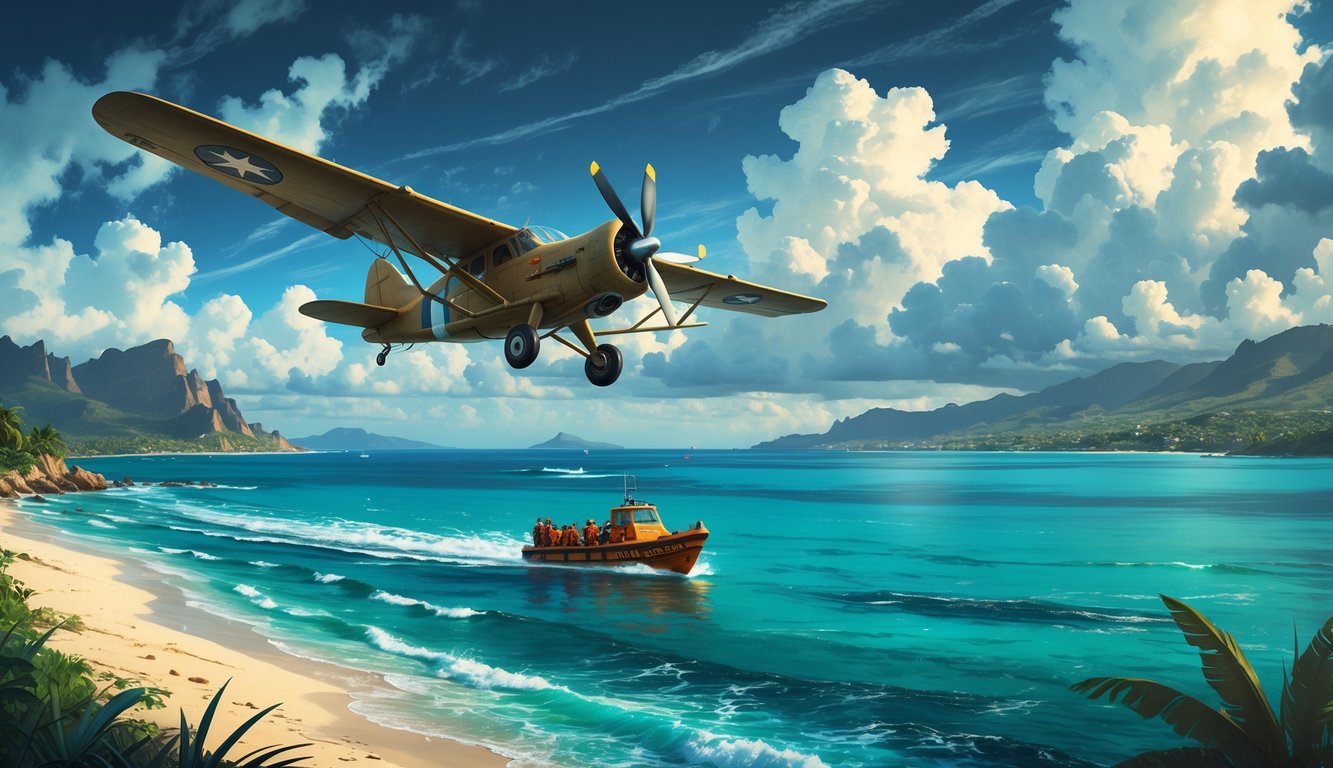
The Caribbean has seen both major achievements in flight and mysterious disappearances. Its busy air routes, sudden weather changes, and vast ocean have shaped the region’s aviation history.
Famous Lost Flights
Flight 19 is one of the most well-known cases. In 1945, five U.S. Navy planes vanished during a training mission.
The planes disappeared in the area often called the Bermuda Triangle, which stretches between Miami, Bermuda, and Puerto Rico.
Air Caribbean Flight 309 is another case tied to Puerto Rico. In 1978, the aircraft crashed while preparing to land in San Juan.
This accident had clear wreckage and a known cause, but it still left a lasting mark on local aviation history.
These events have fueled both serious investigation and public fascination. Some cases have logical explanations, but others remain unresolved due to a lack of evidence.
The Caribbean’s Role in Aviation
Puerto Rico serves as a key hub for commercial aviation in the Caribbean. Its airports, including Luis Muñoz Marín International in San Juan, connect North America, South America, and other islands.
The island has also played a role in military aviation. Bases like Ramey Air Force Base supported U.S. operations during the Cold War.
These facilities increased air traffic in the region, creating more opportunities and risks.
The Caribbean’s geography—scattered islands, open sea, and tropical climate—makes it a vital but challenging area for pilots. Sudden storms, limited emergency landing sites, and navigational difficulties have contributed to past aviation incidents.
Lessons Learned from Past Incidents
Accidents in the Caribbean have led to improvements in pilot training, navigation systems, and emergency response. Better radar coverage now helps track aircraft over open water more accurately.
Investigations into crashes like Air Caribbean Flight 309 have highlighted the importance of strict maintenance checks and adherence to safety protocols.
Legends, Treasure, and Pirate Lore
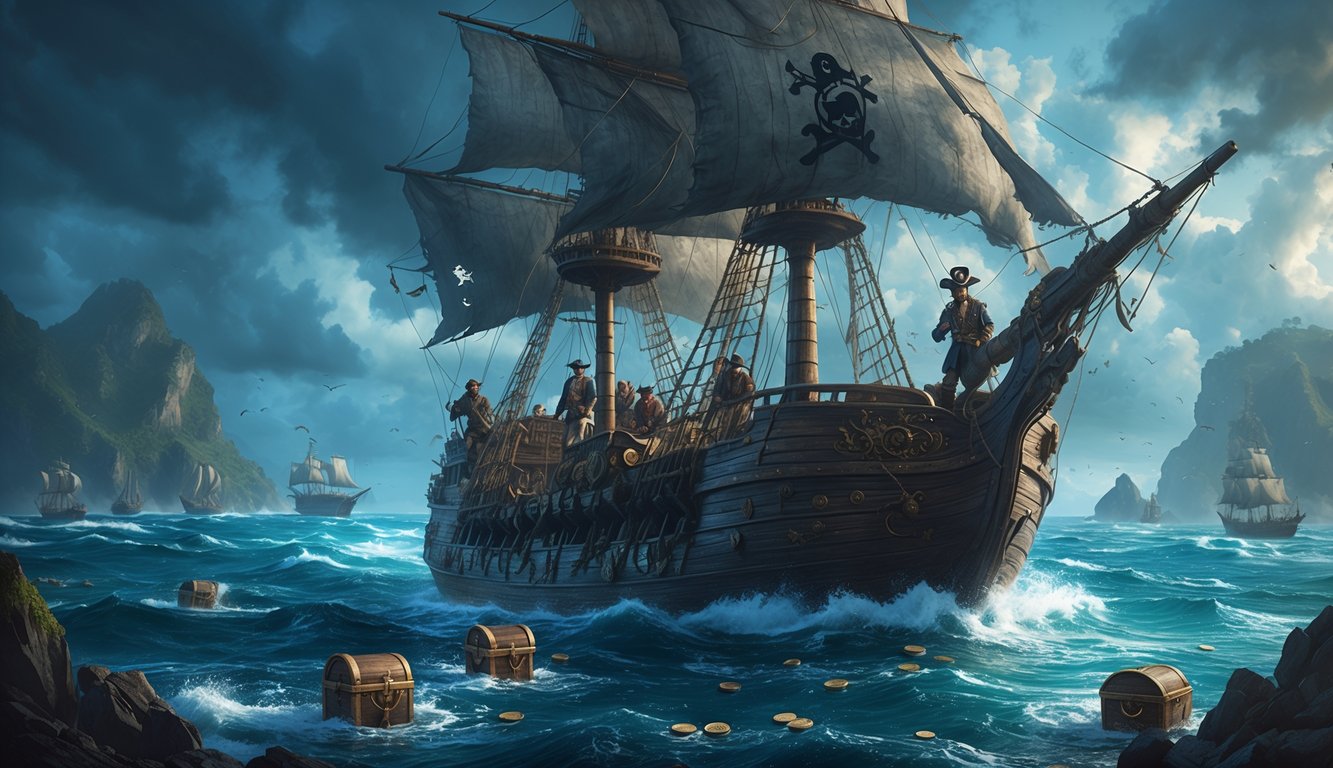
Shipwrecks along the Atlantic and Caribbean coasts have inspired stories of lost fortunes, daring captains, and dangerous waters. Some tales come from documented history, while others live on through local lore and recovered artifacts.
Black Sam Bellamy and Pirate Wrecks
Black Sam Bellamy became one of the most successful pirates of the early 1700s. He captured dozens of ships during his short career and earned the nickname “Prince of Pirates.”
His flagship, the Whydah Gally, sank in 1717 during a storm off Cape Cod. In 1984, explorers discovered the wreck and identified it as the first authenticated pirate shipwreck found in North America.
Recovered artifacts include gold coins, weaponry, and personal belongings of the crew. These finds provide rare insight into the daily life of pirates and the scope of their plunder.
Cape Cod’s Infamous Waters
Cape Cod’s waters have a long record of shipwrecks due to shifting sandbars, sudden storms, and strong currents. For centuries, these hazards trapped merchant vessels, fishing boats, and pirate ships.
The area where the Whydah Gally went down is notorious for wrecks. Local museums display salvaged items, from navigational tools to silver coins recovered from the seabed.
Historians note that the region’s geography made it both a trade hub and a maritime graveyard. Divers still explore these waters, searching for remnants of lost ships and the stories they carried.
Hidden Fortunes: Coins, Gold, and Jewels
Maritime salvage has uncovered caches of coins, gold bars, and jewels from wrecks linked to piracy and colonial trade. Pirates seized many treasures from merchant ships that never reached their intended ports.
Some finds appear in public collections, while others remain in private hands. Items like Spanish doubloons, emerald-studded jewelry, and silver ingots show the wealth moved across the seas in the 17th and 18th centuries.
In Puerto Rico and the surrounding Caribbean, legends persist about hidden pirate loot buried along remote coasts or sunk in shallow bays. Treasure hunters continue to search for these riches, blending history with the enduring allure of discovery.
Outlaws and Lost Loot: The Reno Gang Connection
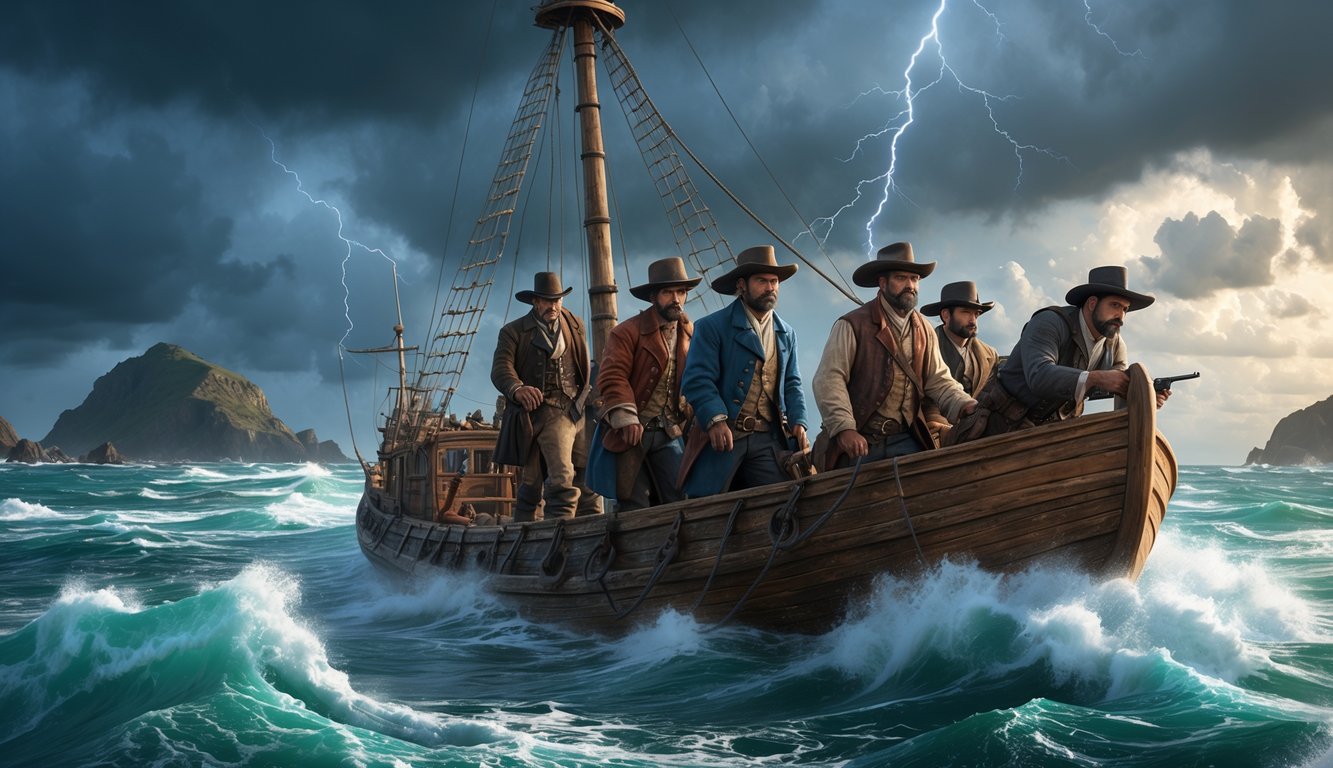
In the late 1800s, a group of brothers and their partners carried out bold robberies across the Midwest. Their stolen money and gold were never fully recovered, leaving behind rumors of buried caches and secret hideouts.
The Story of the Outlaw Posse
Brothers Frank, John, Simeon, and William formed the Reno Gang, one of the first organized outlaw posses in the United States.
They committed America’s first peacetime train robbery in 1866 near Seymour, Indiana, taking between $12,000 and $20,000 in cash. Reports say they even left behind a safe holding $10,000 in gold during the heist.
Over the next few years, they robbed banks, trains, and stagecoaches across Indiana and Missouri. Their actions drew the attention of the Pinkerton National Detective Agency, law enforcement, and vigilante groups.
After capture, several gang members, including Frank Reno, were lynched by mobs despite promises of a fair trial. The fate of much of their stolen loot remains a mystery.
Cave Hideouts and Hidden Treasures
Stories suggest the Reno Gang used remote caves and wooded areas to hide stolen goods. Some accounts describe possible cave hideouts in southern Indiana, where the gang could stash loot before moving it or burying it in more secluded spots.
These locations offered natural cover and were hard for lawmen to find. Treasure hunters still explore areas tied to the gang, including rumored burial sites of gold and currency.
Legends persist about caches hidden in the countryside, never recovered after the gang’s downfall. The lack of confirmed finds keeps the mystery alive, and each discovery of an old coin or relic sparks new interest.
How Legends Intertwine with Modern Searches
Today’s searches for missing loot often mix historical fact with local legend. Television programs and historians have retraced the Reno Gang’s path, sometimes exploring caves and rural spots linked to their crimes.
In one case, relics like a Civil War-era coin and musket ball mold were found near a suspected gang hideout. Modern treasure hunters use metal detectors, mapping tools, and old records to narrow search areas.
While many searches turn up nothing, the combination of documented history and folklore continues to inspire expeditions—some even far from Indiana—where outlaws like the Reno Gang could have hidden their loot.
Ancient Mysteries: Petra and the Scrolls
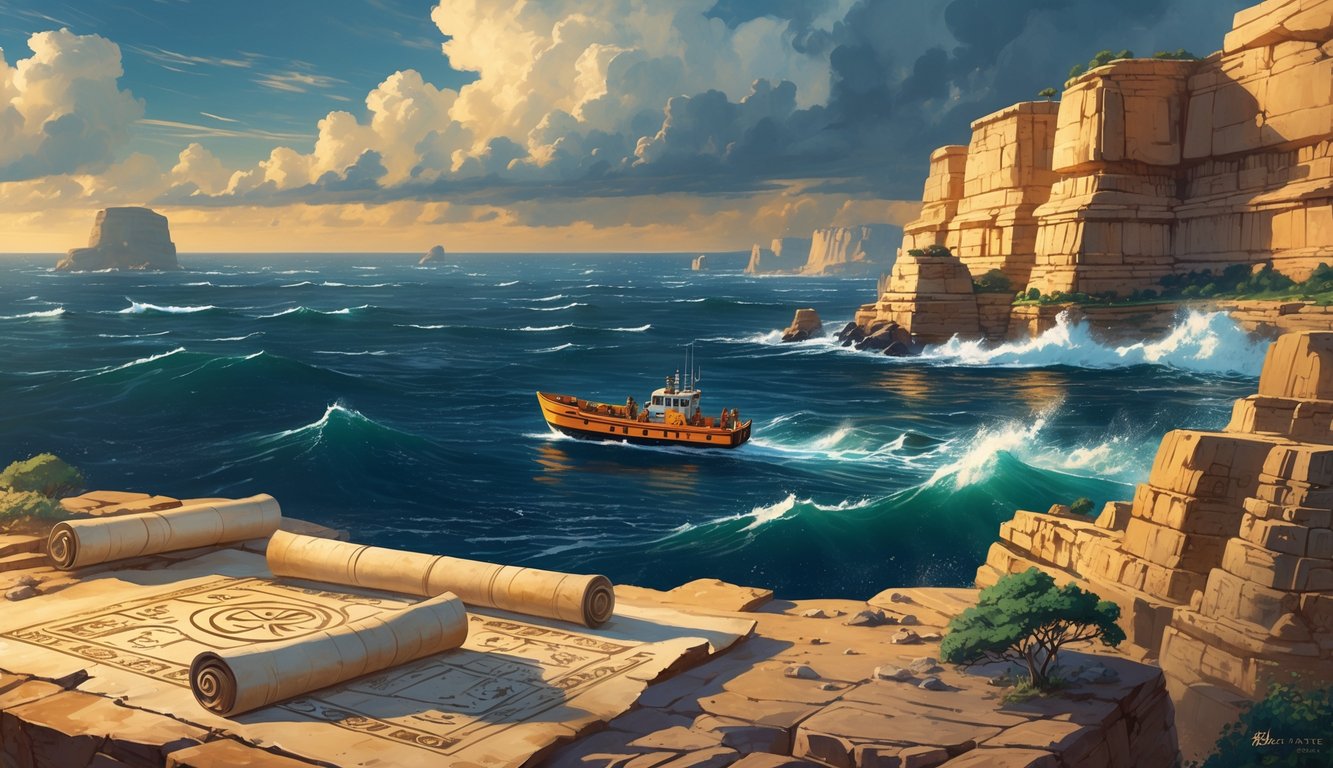
Archaeologists have uncovered burial sites, ancient writings, and advanced engineering in Petra. These finds reveal how Petra’s people lived and ruled.
Discoveries include a tomb near the city’s most famous monument and fragile scrolls that may explain political and cultural changes in the region.
The Treasury at Petra
The Treasury, or Al-Khazneh, is Petra’s most recognized structure. Builders carved it directly into rose-red sandstone cliffs, and it stands over 130 feet tall.
Researchers recently explored a hidden tomb near the building’s base. This burial chamber contained twelve skeletons, which may have belonged to a royal family of Petra.
The site’s detailed carvings and columns show strong Hellenistic influence. Visitors today can see Greek-style capitals, sculpted figures, and decorative urns that once symbolized wealth and power.
Deciphering Ancient Scrolls
Archaeologists discovered a collection of papyrus documents known as the Petra papyri. These scrolls, written in Ancient Greek, date to the 6th century AD.
They found the papyri in the ruins of a Byzantine church in 1993. Many were charred, likely due to a fire.
Specialists use multispectral imaging to read the faded ink without damaging the fragile material. The texts record legal contracts, property sales, and personal letters.
These details help historians understand Petra’s economy, land ownership, and daily life during its later years under Byzantine rule.
Archaeological Breakthroughs
Modern technology has allowed researchers to study Petra in new ways. Ground-penetrating radar and 3D scanning have revealed hidden chambers and structures beneath the city’s surface.
At the Treasury site, advanced imaging helped locate the royal tomb without heavy excavation. This reduced the risk of damaging the monument while still allowing detailed study.
Analysis of the Petra papyri has provided rare insight into the city’s decline. The scrolls suggest shifting trade routes and political instability played major roles.
Saints, Santa Claus, and DNA Discoveries
Legends, migration, and science all help explain how traditions and history change. Religious figures inspire cultural icons, and modern genetics can reveal the truths behind centuries-old stories.
The True Story of St. Nicholas
St. Nicholas was a 4th-century bishop from Myra, a town in what is now Turkey. He became known for acts of generosity, such as giving coins to the poor and helping children in need.
His reputation spread across Europe over time. Communities celebrated him on December 6, the date of his death.
His image varied by region, but the core traits of kindness and charity remained constant. Many of his stories came from local oral traditions.
These tales later influenced the modern image of Santa Claus, especially after Dutch settlers brought the “Sinterklaas” tradition to America.
From Turkey to Italy: The Journey
In the 11th century, sailors from Bari, Italy, took relics believed to be the remains of St. Nicholas from Myra. They brought them to Bari, where the Basilica di San Nicola was built to house them.
This move was partly religious and partly strategic. Bari became a pilgrimage site, boosting its influence in medieval Europe.
The relics attracted visitors from across the Christian world. Today, the basilica remains a major religious destination.
Pilgrims still visit to honor the saint, whose journey from Turkey to Italy helped spread his legend far beyond his homeland.
Modern DNA Analysis in Historical Research
Advances in genetic science give historians new tools to study the past. Researchers can examine bone and tooth samples to confirm identities or learn about ancestry.
Scientists have used DNA to study precontact Indigenous communities from Puerto Rico. This research has revealed genetic links that survived through centuries of colonization and migration.
Similar methods could be applied to relics like those of St. Nicholas. DNA testing might confirm whether remains in Bari match the historical timeline and geographic origin of the saint.
Media Coverage and Public Fascination
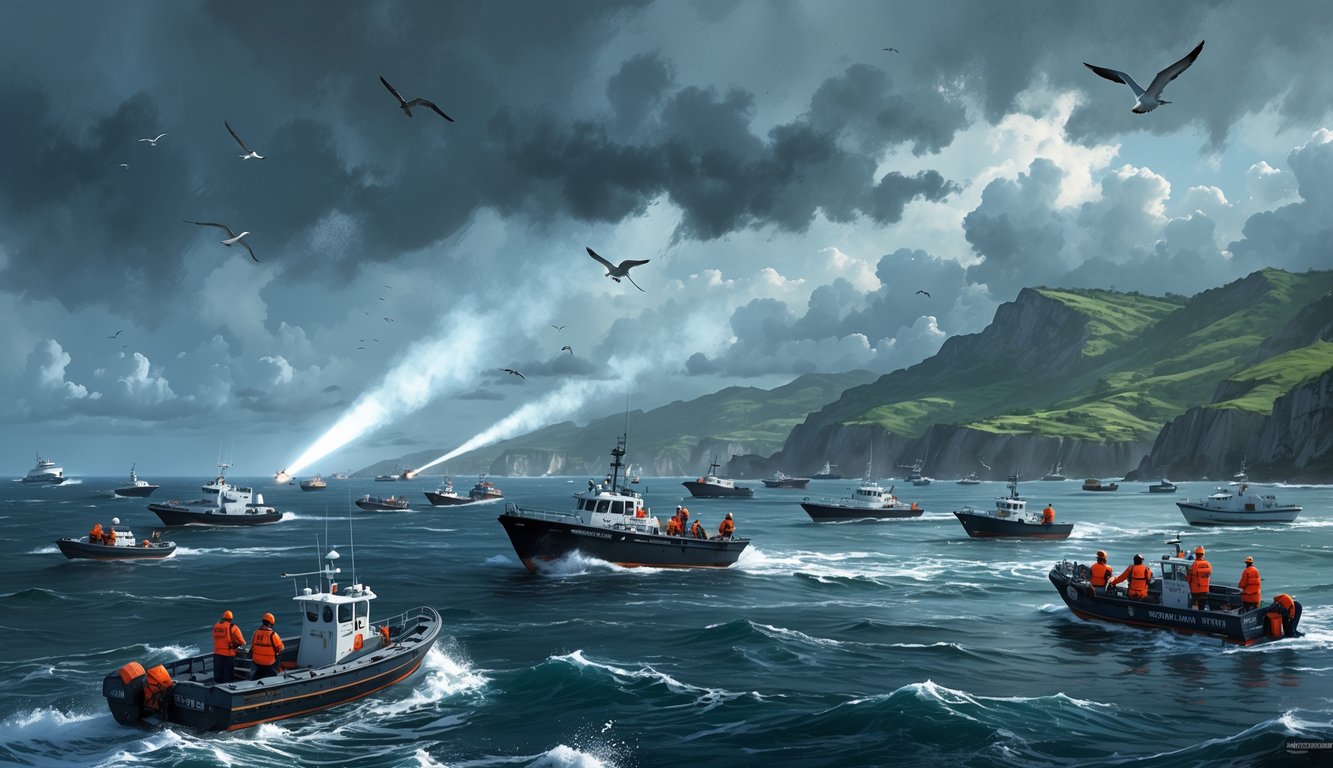
Television, online streaming, and news outlets have brought the search for Pan Am’s Clipper Endeavor to a wide audience. The mix of historical significance, challenging conditions, and modern search technology keeps people engaged and informed.
Expedition Unknown’s Impact
The TV series Expedition Unknown has played a central role in bringing the story to the public. In the episode Search for Pan Am’s Clipper, host Josh Gates and his team travel to Puerto Rico to investigate the missing plane.
They face rough seas and unpredictable weather while searching 2,000 feet below the Atlantic. This visual storytelling shows the real challenges of deep-sea exploration.
The show’s format blends history, investigation, and on-location footage. This helps viewers understand both the technical and human sides of the search.
By airing on major platforms, it reaches audiences who may not otherwise follow aviation history.
Key elements covered in the episode:
- Historical background of the Clipper Endeavor
- Details of the crash and its impact on aviation
- Modern search methods used in the hunt
Public Interest in Aviation Mysteries
Aviation disappearances often attract attention because they mix history, technology, and unanswered questions. The Clipper Endeavor’s story also draws interest.
Many viewers want to solve a decades-old mystery. The crash changed commercial aviation safety, which makes the search important.
People want to know what happened and why. Social media discussions and online forums keep the topic alive.
Fans share clips from Expedition Unknown and debate possible crash sites. Some people follow maritime tracking data to check if new expeditions start.
People who are curious about Puerto Rico’s waters also show interest. The Mona Passage and nearby seas have strong currents, making searches both dangerous and interesting.
Ongoing Efforts and Future Expeditions
Search teams explore possible wreck sites using advanced sonar and submersible technology. Expedition Unknown highlighted one expedition, but other groups investigate similar cases.
Josh Gates wants to return if new leads appear. Technology improvements, like higher-resolution imaging, could make future searches more precise.
Funding, planning, and cooperation between divers, historians, and maritime experts support these efforts. Public interest often helps secure support for these missions.