Zimbabwe holds a rich history filled with ancient wonders and hard-to-solve mysteries. From the stone walls of Great Zimbabwe to the people who vanished without much trace, Zimbabwe still puzzles experts and travelers from around the world.
These secrets stir curiosity and make people want to learn more about what really happened in Zimbabwe’s past.
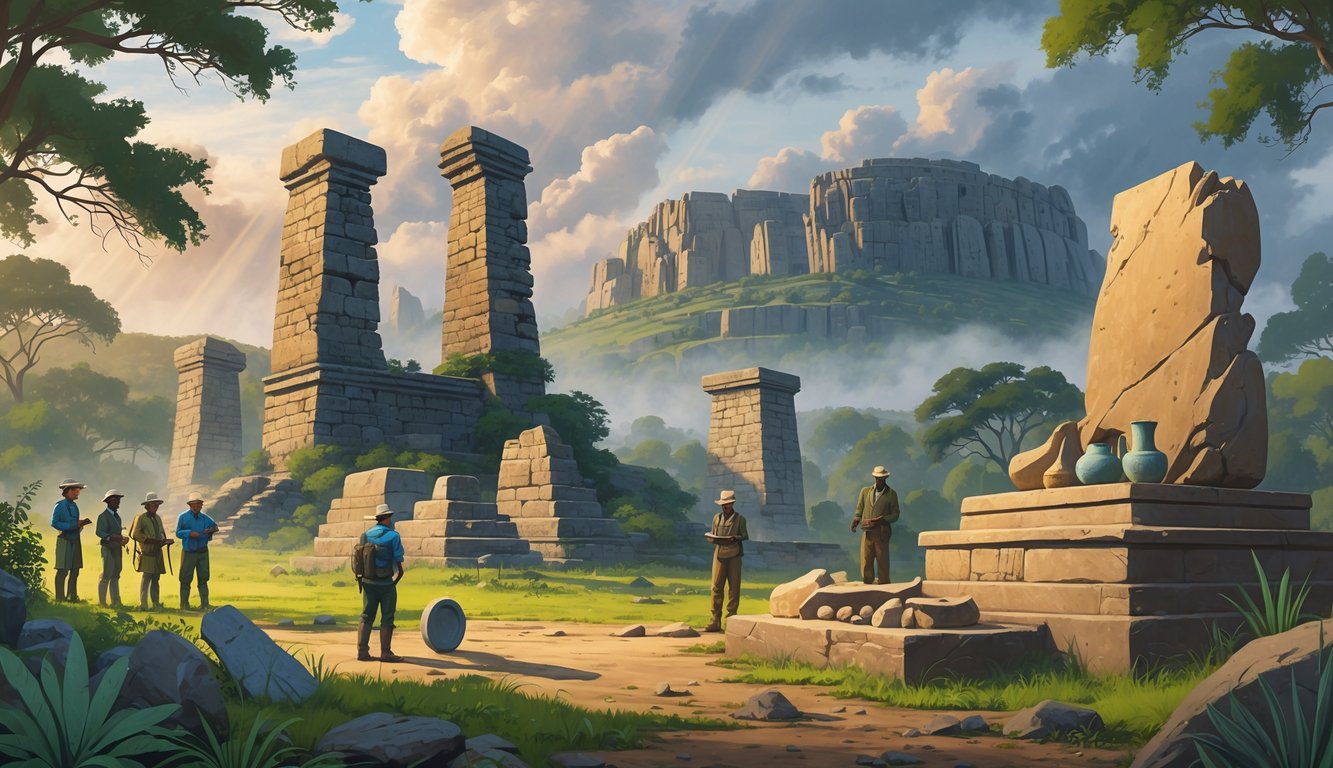
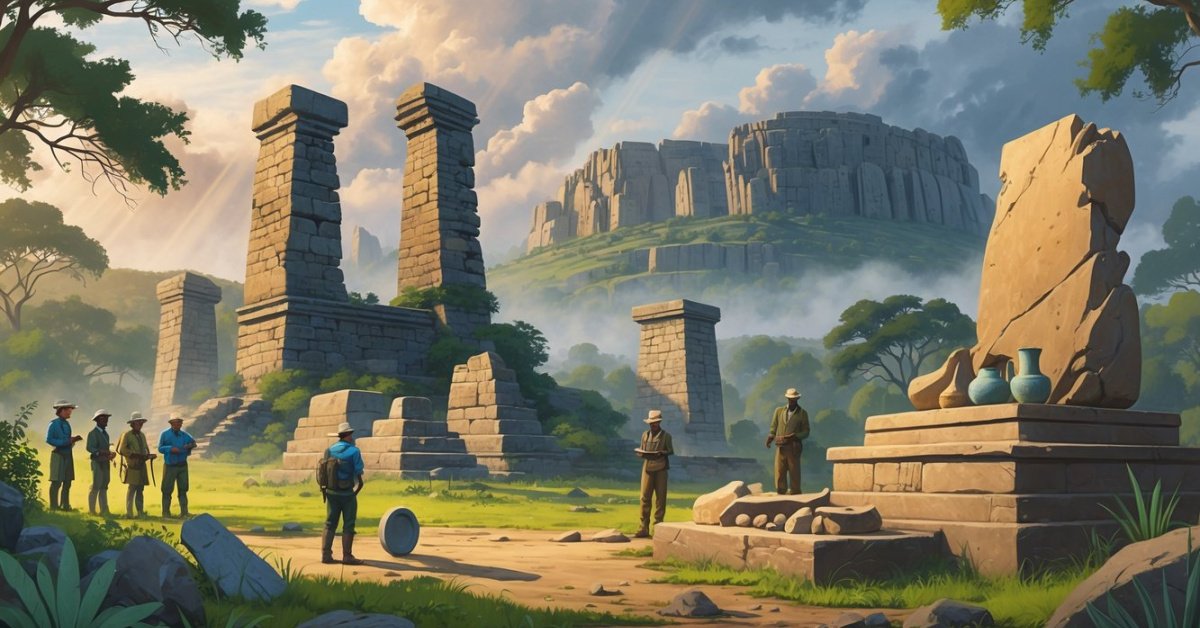
One of the most famous unsolved mysteries is the ruins of Great Zimbabwe, an ancient city built from giant stone blocks without any mortar. Historians and archaeologists still debate who built it, how they lived, and why the city was finally abandoned.
There are also many legends about hidden treasures and lost civilizations linked to these impressive ruins. Hundreds of smaller stone ruins are spread across the Zimbabwean countryside.
Each site has its own story, waiting to be uncovered. People are still searching for answers today.
The Enigma of Great Zimbabwe
Great Zimbabwe is one of Africa’s most stunning ancient sites. Its impressive stone ruins bring together mysteries of architecture, culture, and past civilizations that once thrived in southeastern Zimbabwe.
Origins of the Stone City
Great Zimbabwe was built between the 11th and 15th centuries. Historians believe the Shona people, ancestors of today’s Shona-speaking groups, were the main builders.
The city became a center for trade and politics in the region. There is still debate about exactly how and why this advanced settlement arose.
Some early explorers wrongly guessed that foreigners, rather than Africans, built the Great Zimbabwe ruins. Archaeological and cultural evidence confirm its African origins.
The city’s rise is linked to farming, cattle herding, and control over trade routes. Artifacts found here reflect connections with distant places such as China and Persia.
This shows Great Zimbabwe’s reach in the medieval world.
Construction and Stonework Techniques
The stone structures of Great Zimbabwe were built without mortar, using carefully shaped granite blocks. Ancient builders stacked stones so skillfully that the walls have survived for centuries, even through earthquakes and windstorms.
Some walls reach around 11 meters high and are 6 meters thick in places. The largest section, called the Great Enclosure, stands out for its size and design.
The builders used granite quarried from nearby hills, splitting rocks by heating and cooling them rapidly. They created tight-fitting joints so the walls would stand strong under their own weight.
Most walls curve naturally, which may help them resist damage from the elements. This construction remains an architectural enigma to researchers today.
Purpose and Function of the Enclosure
The Great Enclosure is the most famous part of Great Zimbabwe. It is a large, circular stone wall with a tall tower inside.
Archaeologists do not fully agree on what the enclosure was used for, which adds to the site’s mystery. Some think it was the royal residence of the king or ruling elite.
Others suggest it was mainly for ceremonies or served as a women’s area for people of high status. Inside, stone artifacts and pottery hint at daily life, rituals, and gatherings.
The Great Enclosure and nearby buildings show signs of planning and design. Spaces were likely separated to control who could enter, making it both a practical and symbolic structure.
The lack of written records from that time means many details remain unknown.
Secrets of the Hill Complex
The Hill Complex sits high on a rocky outcrop and is the oldest part of this ancient stone city. People likely lived there before the lower Great Enclosure was built.
It is made up of stone walls and passageways connecting small enclosures and courtyards. This part of the archaeological site likely had spiritual and political importance.
Many believe the rulers and their closest advisers lived and held meetings here. Ceremonial objects, such as soapstone birds and carvings, were found in the area, hinting at the complex’s religious and cultural roles.
The Hill Complex also offers views over the whole valley, giving added security and status to its residents. Its secrets continue to attract scholars and tourists.
The Rise and Decline of Zimbabwean Civilizations
The history of Zimbabwean civilizations is shaped by how people settled, their changing population, and what caused their cities to fall. These stories include important buildings, powerful leaders, and the effects of weather on daily life.
Growth of Population and Settlement Patterns
In the 11th century, people in Zimbabwe started building large settlements. The most famous of these is Great Zimbabwe, which was home to as many as 18,000 people at its peak.
Villages slowly grew into towns as families built stone houses and surrounded them with walls for safety. The city itself was split into different areas for living, trading, and religious activities.
Growth was possible because the land provided enough food and water, at least in the beginning. Trade helped settlements thrive.
Gold, ivory, and cattle were used for trading goods with places as far away as China and the Middle East. Over time, areas around Great Zimbabwe became crowded, leading families to move into new settlements further away.
Environmental Factors Behind Collapse
Several environmental issues led to the collapse of large Zimbabwean civilizations. As the population grew, resources like firewood, land for farming, and water became scarce.
Some scholars say overuse of the land and exhaustion of resources were big reasons why people abandoned Great Zimbabwe. Droughts also became more common, leaving people with less food and water.
Changes in climate brought famine, which made it hard to support a large population. When the gold mines became depleted and trade routes shifted, the economy suffered further.
People started moving away to find better land and water, leaving once-busy cities empty. These changes show how closely the rise and fall of these civilizations tied to the local environment and natural resources.
Social Structure and Royal Residence
Society in early Zimbabwe had a clear order. At the top were kings who ruled the land and lived in impressive stone buildings known as royal residences.
The Great Enclosure in Great Zimbabwe is a good example of this high-status architecture. Royals lived inside thick stone walls, which signaled their power over others in the settlement.
Below the king were nobles, priests, traders, and craftspeople, each with their own roles. Everyday people lived in smaller huts outside the main stone buildings.
Social class determined where people lived, what they did for work, and how much power they had. This structure helped maintain order but also made life unequal for many living outside the royal circle.
Trade Networks and Foreign Connections
Great Zimbabwe stood at an important crossroads for ancient commerce. The city’s wealth and power grew through its links to faraway places and its control of valuable resources like gold and ivory.
Ancient Trade Routes
Great Zimbabwe was built where several key trade routes met. These routes stretched from the heart of Africa to the Indian Ocean.
Traders moved goods on foot, using caravans of people and pack animals to carry heavy loads between cities and ports.
Main routes went to:
- The east towards the ports in Mozambique
- North into the interior of Africa
- South following local river systems
Great Zimbabwe became a hub for trading gold, iron, copper, and ivory with merchants from other regions. These networks boosted the local economy and brought new ideas and goods into the city.
Over time, Great Zimbabwe was recognized by regional traders and those from far-off lands. It stood at the center of a web of exchange that linked Africa’s interior with the Indian Ocean world.
Influence of Gold, Ivory, and Jewelry
Gold was one of the most important resources for Great Zimbabwe. People mined gold in nearby rivers and hills, turning it into beads, bars, and jewelry.
Ivory from elephants and crafted iron tools were also highly traded. These goods traveled along the trade routes to the coast, where people exchanged them for foreign items.
Common trade goods included:
- Gold beads and ornaments
- Ivory tusks and carvings
- Iron tools and weapons
- Locally-made jewelry
The demand for gold and ivory in countries like India, Persia, and those around the Persian Gulf made these items valuable. Local people became skilled at making art and jewelry, some of which was exported.
This trade brought wealth into the area and gave Great Zimbabwe a special place in global history.
Artifacts from Distant Lands
Archaeologists have found many foreign items at the ruins of Great Zimbabwe. These objects show how far the city’s trade connections reached.
For example, there are ancient coins from Arabia, beautiful blue and white porcelain from China, and colored glass beads that likely came from Asia or the Near East.
These discoveries include:
- A 14th-century Arab coin
- 13th-century Persian pottery
- Chinese Ming Dynasty porcelain
- Imported glass beads
Finding these items at Great Zimbabwe proves that the city’s people were part of a global trade network with links as far as China and the Persian Gulf. This mix of local and foreign artifacts helps researchers understand how trade shaped the city’s history, culture, and economy.
Archaeological Discoveries and Material Culture
Archaeologists have found important objects at Great Zimbabwe that show what daily life was like in the past. These discoveries reveal the community’s skills in craft, use of materials, and the tools and artwork they left behind.
Pottery and Everyday Life
Pottery pieces found at Great Zimbabwe show how people cooked, stored food, and shared meals. Most pots were hand-shaped using clay from nearby rivers and fired in open pits.
Some had simple geometric designs, while others were left plain. Broken pots, bowls, and storage jars are common in the area.
These items suggest that families relied on pottery for both cooking and keeping grains or water. Special pots with decorative rims may have been used on important occasions, such as ceremonies or feasts.
Pottery styles changed over time, letting experts track cultural shifts in the region. The study of these objects helps explain what people ate, how they stored food, and even their trade contacts because some pottery types have been found far from their origin.
Learn more about the material culture found at Great Zimbabwe.
Craftsmanship and Stone Carvings
The people living at Great Zimbabwe were skilled stone workers. They built tall stone walls and towers without using any mortar.
These dry-stone walls are unique because they have stood for centuries. Stone carvings and decorations appear on some buildings and are found as small artifacts.
The most famous are soapstone bird carvings, called Zimbabwe Birds. These have become a national symbol.
The carvings may have had religious meaning or showed the status of important leaders. Stone working tools, like chisels and hammers, were also found at the ruins.
The designs seen in walls, passageways, and carvings show careful planning and skillful hands. This artwork proves the community had talented craftsmen who could shape and stack stone in artistic ways.
You can see more about their stone carvings and craftsmanship.
Artifacts and Bronze Spearheads
Many different artifacts have been uncovered at Great Zimbabwe. These include iron tools, clay figurines, and items made from glass beads.
The discovery of bronze spearheads is especially important. Bronze requires advanced techniques and was not common in the region.
Bronze spearheads show that local people had access to metals and knew how to melt and shape them. These weapons may have been used for hunting, fighting, or as a symbol of rank.
Other items, like bracelets and trade beads, show that Great Zimbabwe was part of long-distance trade with other regions. These finds reveal a busy community skilled in working with many materials.
More details about artifacts and bronze finds at Great Zimbabwe give clues about the site’s historic importance.
Myths, Legends, and Lost Kings
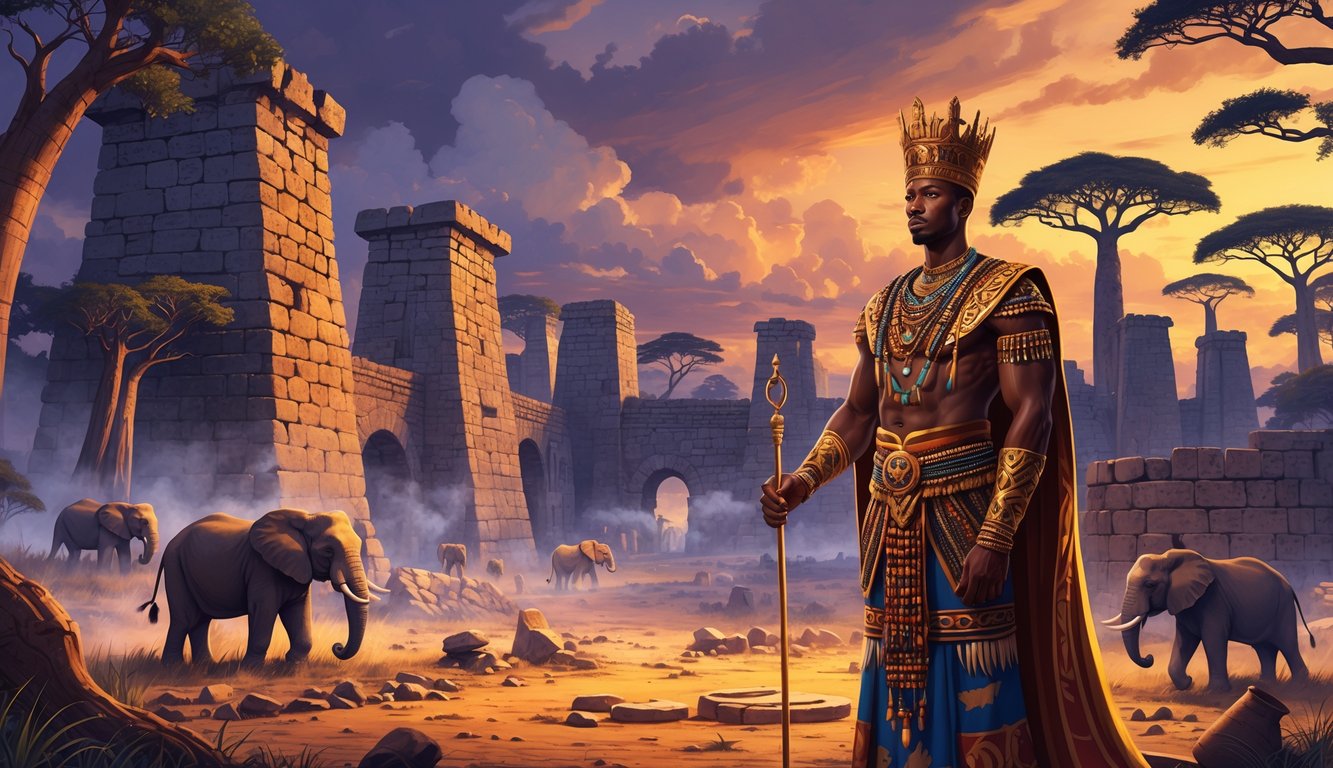
Great Zimbabwe has inspired stories about powerful rulers, ancient treasures, and sacred symbols. These tales mix real discoveries with centuries-old beliefs.
Queen of Sheba and Ancient Legends
Some legends claim that Great Zimbabwe was once linked to the Queen of Sheba. According to old stories, she was a wealthy and wise queen who possibly ruled or visited the area.
Some believe that she built or influenced the stone ruins that still stand today. Local myths often mix her story with other ancient figures, leading to questions about who once lived there.
The Queen of Sheba is mentioned in both the Bible and the Quran, where she visits King Solomon in Jerusalem. Her connection to Africa appears often in many African myths.
King Solomon and the Fabled Ophir
Stories about King Solomon often mention a place called Ophir—a gold-rich land described in the Bible. Some researchers and explorers have suggested that Ophir was actually Great Zimbabwe or nearby.
This idea grew because of Zimbabwe’s history as an ancient gold trading center. The stone ruins of Great Zimbabwe hint at a once-powerful kingdom that could have supplied gold to faraway lands.
The ties to King Solomon come from descriptions of grand architecture and wealth. Some myths say that treasures for Solomon’s temple came from this mysterious region.
Symbolism of the Zimbabwe Birds
The Zimbabwe Birds are stone carvings found at Great Zimbabwe. These carvings are among the most recognizable national symbols of Zimbabwe and appear on the country’s flag and currency.
Each sculpture stands about 16 inches tall and was carved from soapstone. There are eight birds in total, each perched on a tall pillar.
Scholars think these birds symbolized a connection between rulers and the spiritual world. Local cultures see the birds as protective ancestors or messengers from the gods.
Some legends describe them as guardians of the site’s secrets. Their importance is still felt today, as the birds remain a proud symbol of unity and heritage in Zimbabwe.
The Role of the Shona People
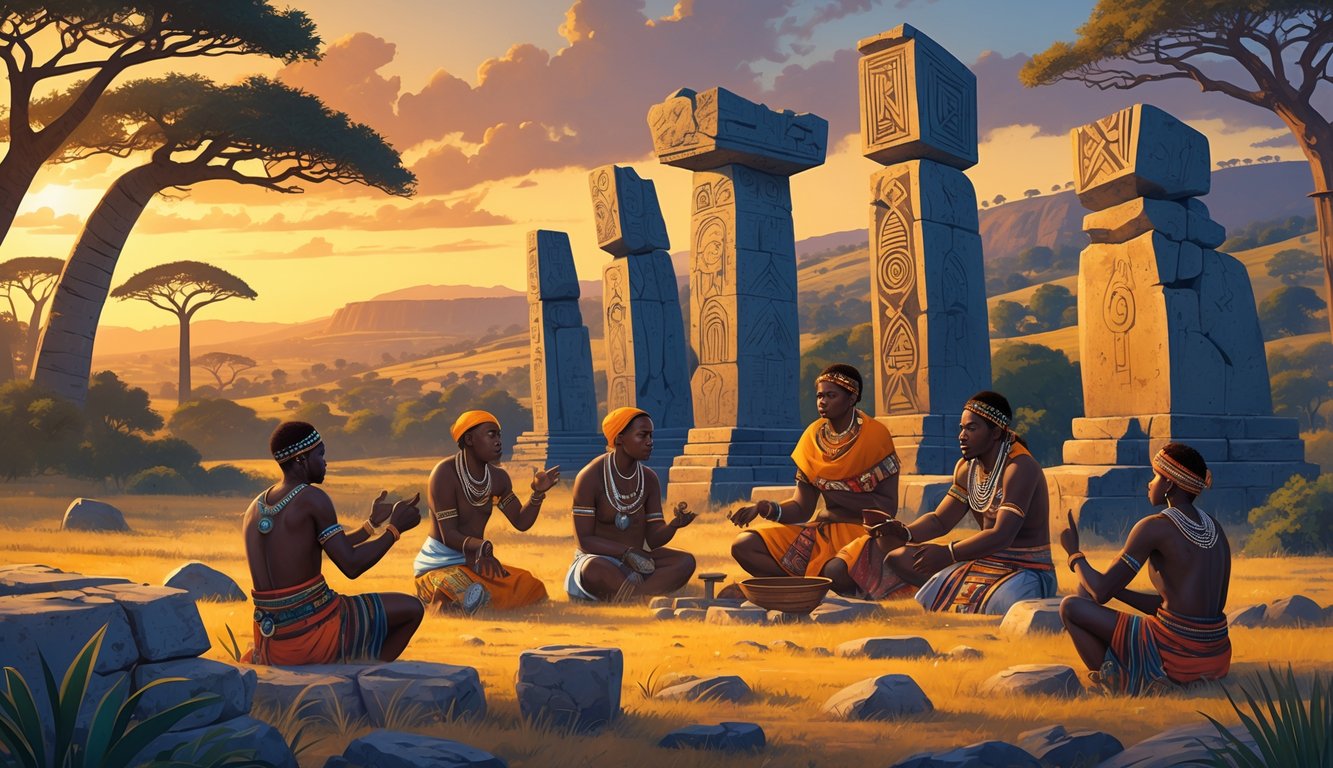
The Shona have shaped much of Zimbabwe’s history through language, culture, and early kingdoms. Their influences appear in the region’s traditions, art, and the lasting impact of their major clans.
Shona Origins and Bantu Language Roots
The Shona are a branch of the larger Bantu-speaking population in Southern Africa. They migrated to the area that is now Zimbabwe around the 10th century.
These migrations brought Bantu languages and customs that formed the base for much of the region’s culture. The Shona language is part of the Bantu language family, connecting them to many other groups in sub-Saharan Africa.
Shona-speaking people developed their own dialects but shared a root language and customs. Archaeological evidence shows these people built powerful states such as Great Zimbabwe.
Their skills in farming, metalworking, and trade continue to interest historians. For a historical overview, see Shona People: History, Culture, and Traditions.
Impact of the Karanga and Venda Clans
The Karanga are a prominent clan within the Shona. They played a major role in the construction and leadership of the Great Zimbabwe civilization.
Oral tradition links the Karanga to the royal families and priestly leaders of the old kingdoms. The Venda people, while having their own identity, have close historical ties with the Shona.
They live along the southern borders of Zimbabwe and South Africa. Interactions between the Karanga and Venda included marriage, trade, and cultural exchanges.
These clans influenced the political and religious systems seen in Zimbabwe’s ancient societies. Their shared ancestry with other Bantu people lets researchers trace old King lists, myths, and language traits through time.
For further insight, visit Understanding the Shona Tribe in Zimbabwe: Culture and Heritage.
Shona Culture and Traditions
Shona life revolves around family, ancestors, and community roles. Elders receive respect, and spirit mediums play an important part in rituals.
These ceremonies connect the living with their ancestors for guidance and protection. The Shona are also known for their stone sculpture and mbira music.
Handmade crafts and oral traditions help preserve stories and beliefs. These art forms are shared with visitors and remain symbols of Zimbabwe’s unique identity.
Festivals, such as harvest and rain-making ceremonies, are large gatherings filled with singing and dance. These traditions have survived changes brought by colonization, urban growth, and modern influences.
Unraveling the Lemba Mystery
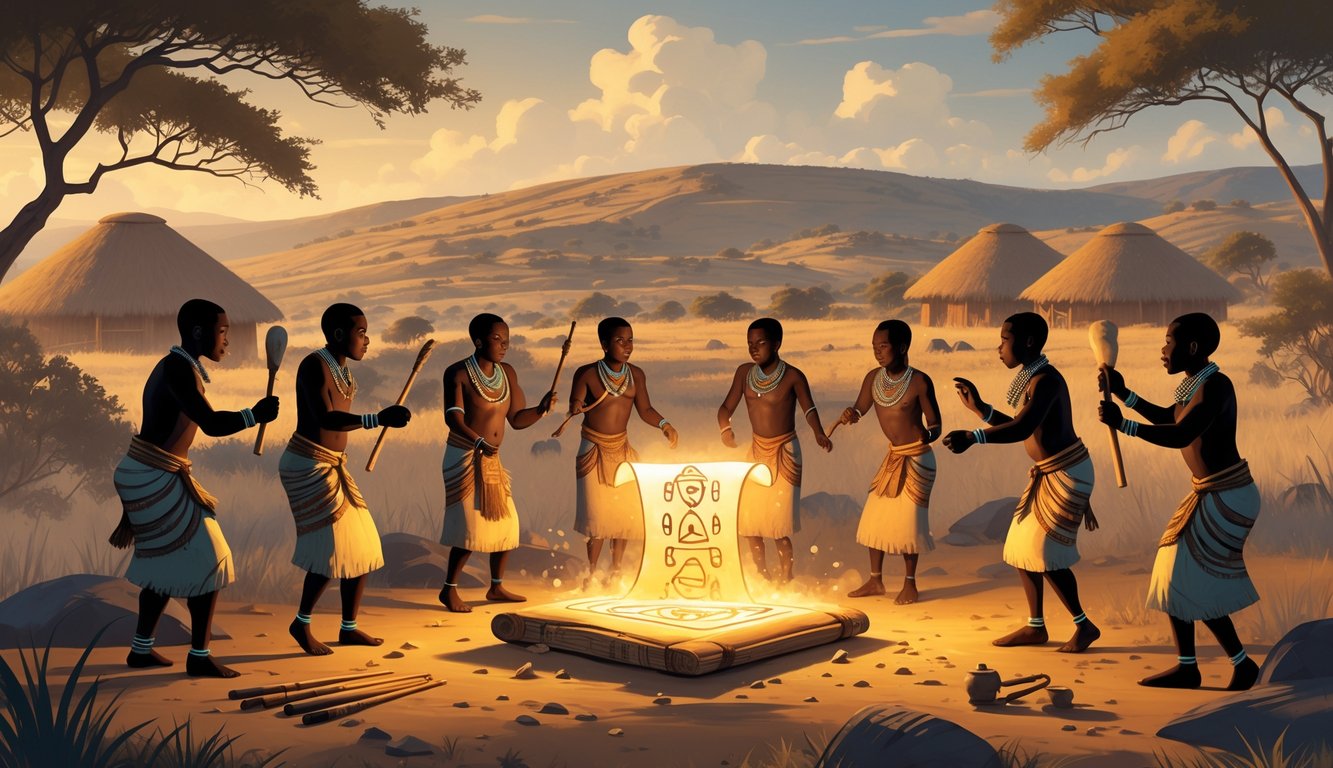
The Lemba are a group in southern Africa known for their unique traditions and surprising connections to ancient cultures. Their story includes mysterious roots and religious practices that have drawn international interest.
Lemba Ancestry and Oral History
The Lemba people live mainly in Zimbabwe and South Africa. For generations, they have told stories of ancestors who came from a faraway land to the north.
They believe their forefathers were skilled metalworkers and traders who journeyed south centuries ago. Some researchers think the Lemba may be descended from ancient Jewish or Middle Eastern populations.
This idea comes from both oral histories and DNA studies, which show some connections to groups outside Africa. The Lemba keep a clear record of family lines and traditions, which makes them stand out from other local groups.
Lemba society is organized around clans with set rules for marriage and customs. Family names and clan symbols are passed down through the generations.
These details support their claims of a unique heritage. Their story is a key part of Zimbabwe’s historical mysteries.
Religious Practices and the Temple Connection
The Lemba follow special religious practices that differ from those of their neighbors. They avoid eating pork, practice male circumcision, and follow strict rules about food preparation.
These customs are similar to old Jewish traditions. A central part of Lemba tradition is the story of a lost temple.
They believe their ancestors helped build or served at a temple in a place called Sena, which some say may connect to the ancient world described in religious texts. The Lemba also guard a sacred object called the ngoma lungundu, which many in their community compare to the biblical Ark of the Covenant.
Researchers continue to study Lemba beliefs and ritual objects for clues about the group’s past. Their temple story and practices keep drawing interest from historians and scientists who want to understand their connection to ancient cultures.
Key Figures and Historical Research
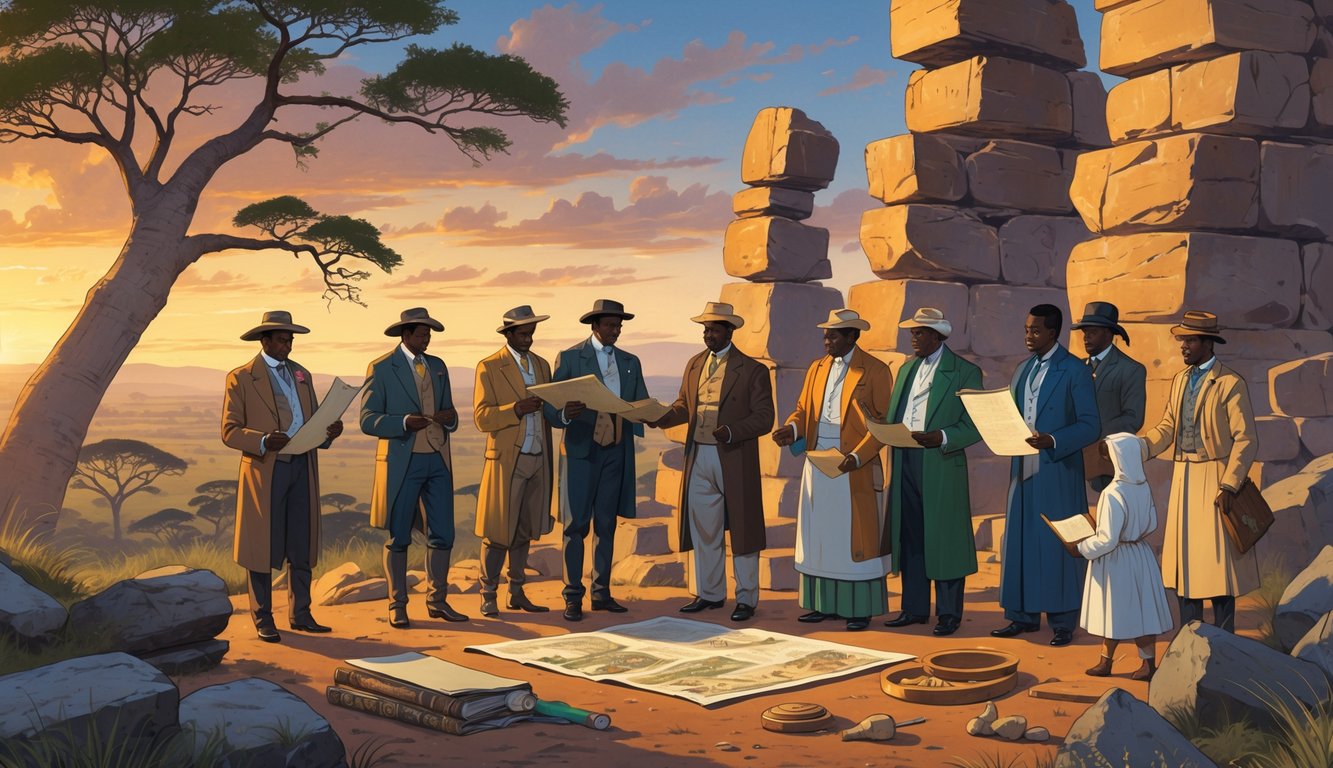
Many discoveries and debates about Zimbabwe’s past come from the work of explorers, archaeologists, and historians. Their findings shaped how people see important sites and events in the country’s history.
Gertrude Caton-Thompson’s Discoveries
Gertrude Caton-Thompson, a British archaeologist, led a key excavation at Great Zimbabwe in 1929. She was the first to use scientific methods to study the site.
Her work challenged old European stories that claimed outsiders built the ancient city. Caton-Thompson and her team carefully studied pottery, walls, and objects found at the site.
They found strong evidence that Great Zimbabwe was built by local African people, especially the ancestors of the Shona. Their discoveries included decorated pottery and ancient tools.
These artifacts fit with styles used in other southern African sites. She also mapped the ruins and compared the architecture with local methods.
Her careful research changed how people think about Great Zimbabwe’s origins. Caton-Thompson’s work helped prove that African civilizations built complex stone cities long before Europeans arrived.
Karl Mauch and Early European Explorers
In the 19th century, Karl Mauch, a German explorer, visited Great Zimbabwe. He was one of the first Europeans to describe the ruins in detail.
Mauch arrived in 1871 and wrote about the tall stone walls and towers. His reports made Great Zimbabwe famous among Europeans.
Mauch believed the ruins were linked to the Queen of Sheba and ancient cultures outside Africa. He praised the stonework but did not recognize its African origins.
His writings led to wild stories and myths about who built the structures. Other European explorers followed Mauch, often repeating these claims.
Their views shaped early research and led to misunderstandings about Zimbabwe’s history. Many of their stories have since been proven wrong by later discoveries and better research.
Contributions of Richard Wade and Vicente Pegado
Richard Wade is a modern researcher who studies the history and legends of Great Zimbabwe. He uses both written records and local oral stories.
Wade focuses on how people once lived at the site and what daily life was like. He talks with local communities to better understand their connection to the ancient ruins.
Vicente Pegado, a Portuguese trader, first reported the ruins to the outside world in the 1530s. He wrote about the “stone palace” deep in the hills.
Pegado’s early account was recorded years before most explorers arrived. His reports made Great Zimbabwe known to European traders and travelers.
Both Pegado’s and Wade’s work helps connect modern research with past stories. Their efforts add to what is known about Great Zimbabwe’s builders and the people who lived there.
Significance as a World Heritage Site
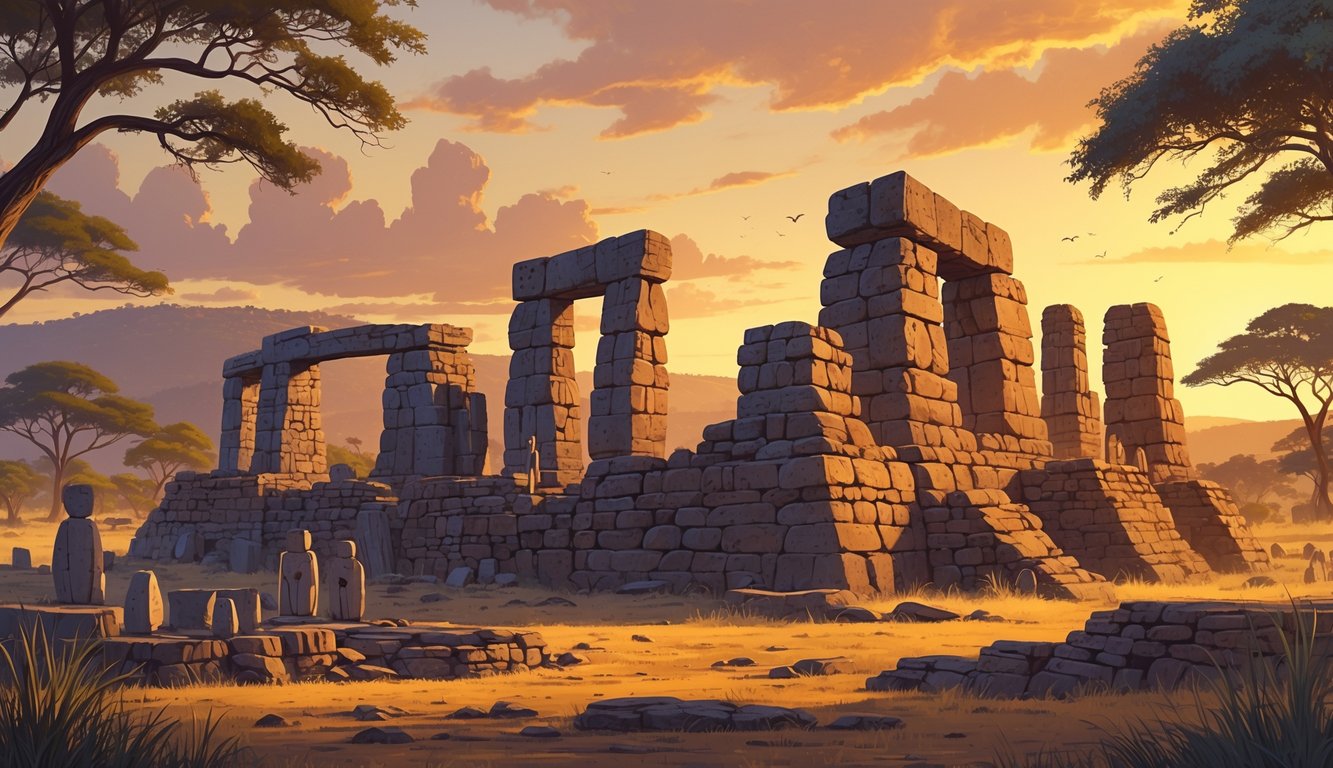
Great Zimbabwe is a unique stone ruin that stands out as a major symbol of African heritage. It draws attention for its mix of cultural importance, historical value, and efforts to protect it for future generations.
Recognition as a National Monument
Great Zimbabwe is officially recognized as a national monument and is one of the best-known archaeological sites in Africa. Its stone walls, towers, and enclosures show the skill of the early builders who lived there between the 11th and 15th centuries.
UNESCO named Great Zimbabwe a World Heritage Site in 1986. This listing highlights its global value and the need to protect its remains.
The site covers around 200 acres, making it the largest stone structure in precolonial Southern Africa. People visit to learn about Zimbabwe’s early kingdoms, trade routes, and art.
Its significance for both local communities and the country as a whole is reflected in its role as a national symbol. For more detail, visit the Legends of Lost Cities site.
Efforts by National Museums and Monuments of Zimbabwe
The National Museums and Monuments of Zimbabwe (NMMZ) manages and researches Great Zimbabwe. They organize archaeological digs and maintain the ruins.
NMMZ also educates visitors about the site’s history. They work with international and local scholars to understand the daily life, political systems, and culture of the ancient builders.
Workshops, school visits, and exhibitions teach new generations about their cultural heritage. NMMZ collaborates with local clans, including the Charumbira and Mugabe, to respect traditions and stories.
These partnerships keep the connection between the past and today’s communities strong. The Metropolitan Museum of Art offers more information on these activities.
Conservation Efforts and Tourism
Conservation teams protect Great Zimbabwe from weather, visitor impacts, and time. They use traditional techniques and new methods to repair and preserve the ruins.
Tourism raises money and awareness for conservation. Many visitors come each year, supporting local businesses and funding protection efforts.
Guided tours, clear pathways, and visitor centers help people enjoy the site safely. The site’s UNESCO World Heritage Site status encourages responsible tourism and international support.
Continuing Mysteries and Modern Studies
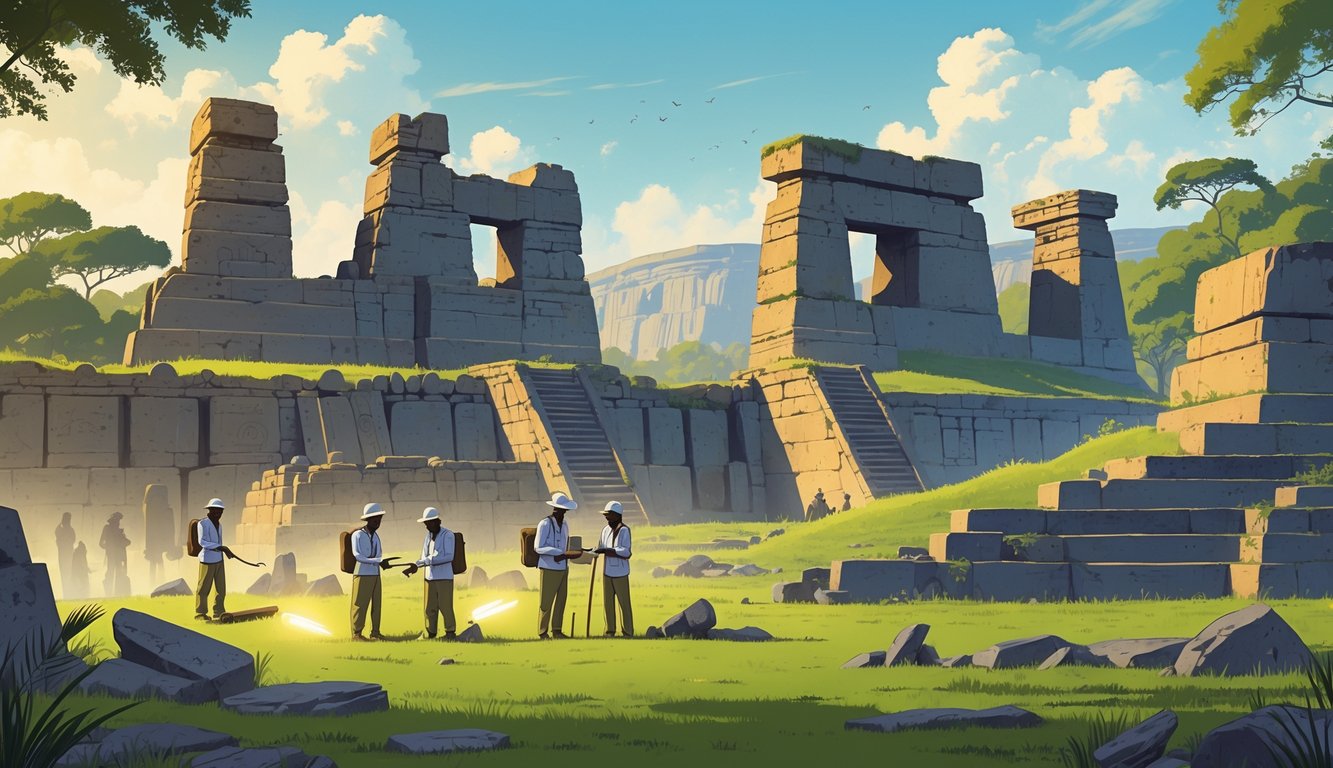
Researchers still find new clues about Zimbabwe’s past. Recent digs, old ruins, and possible ancient observatories give historians and scientists more questions.
Recent Archaeological Finds
Archaeologists work at sites like Great Zimbabwe near Masvingo. New excavations have revealed pottery, tools, and imported items.
These finds show ancient Zimbabwe traded with faraway places. Glass beads and Chinese ceramics prove these contacts existed as far back as the 11th century.
The stone walls and hill complexes at Great Zimbabwe remain central to studies. Experts debate whether the structures served as religious centers or were built for kings.
The site stands as a national monument and symbol of Zimbabwean identity. Each artifact or building style helps tell the story of the people who lived there.
List of Important Finds:
- Soapstone figures and carvings
- Gold ornaments
- Imported pottery
- Old coins and jewelry
NKWE Ridge Observatory and Ancient Astronomy
The Nkwe Ridge Observatory stands out for its possible links to ancient astronomy. Some researchers think certain stones and patterns on Nkwe Ridge were arranged to track stars, the sun, or changing seasons.
These structures are not as well-known as the ruins at Great Zimbabwe. They raise questions about whether ancient Zimbabweans tracked celestial events.
The positioning of stones could show knowledge of astronomy. People may have used the ridge for ceremonies tied to the movement of the sky.
Researchers use satellite imaging and advanced mapping to learn more about these patterns. New technology helps uncover the secrets still held by the stones.