Uzbekistan lies in the heart of Central Asia and is filled with history, old legends, and unsolved mysteries.
Some of the biggest historical mysteries in Uzbekistan include ancient cities hidden in mountains, forgotten Silk Road trading routes, and stories of haunted places that locals still talk about today.
These mysteries attract explorers and historians who want to uncover the secrets of the past.
Researchers have recently found enormous ancient cities hidden in Uzbekistan’s mountains using new technology.
Lost settlements and mysterious sites add to Uzbekistan’s reputation for superstitions passed down through generations.
From strange ruins to tales of haunted locations, Uzbekistan holds countless stories waiting to be discovered.
The mysteries and superstitions show how much is still unknown about the country’s rich past.
The Enigmas of Ancient Samarkand
Samarkand, one of the most famous ancient cities of Uzbekistan, is known for its stunning architecture and mysterious history.
Stories of undeciphered writings and legendary heroes continue to draw historians and tourists from around the world.
Undeciphered Inscriptions and Ruins
Samarkand’s ruins contain mysterious symbols and scripts that remain undeciphered.
Some old walls and artifacts near the city have writings in languages lost to history.
Archaeologists think these unknown scripts may give clues about ancient peoples who once lived here.
Visitors walking through sites like Afrasiab see strange carvings and marks that don’t match Persian or Arabic.
The meaning behind these symbols is still unknown, and experts debate whether they represent forgotten rulers, trade records, or religious beliefs.
This puzzle makes Samarkand a fascinating stop for anyone interested in ancient cities and their secrets.
The ruins also include parts of forgotten palaces, temples, and burial sites.
Researchers study many of these locations, hoping to unlock more about the city’s past.
Some historians suggest the city’s spot along the Silk Road helped mix cultures, leading to this blend of mysterious artifacts.
For more on Samarkand’s hidden historical sites, visit this guide to Samarkand’s secrets.
The Tomb of Tamerlane
One of Samarkand’s most famous attractions is the tomb of Tamerlane, also known as Timur.
The tomb, called Gur-e-Amir, stands out with its blue dome and intricate mosaics.
Historians have long debated the true story behind the tomb.
Some believe it holds not only Timur but also secrets about his rise and his empire’s reach.
Stories about a curse connected to the tomb say that anyone who disturbs it will face misfortune.
The most famous tale claims that when the tomb was opened during World War II, tragic events quickly followed.
Inside Gur-e-Amir, decorated chambers hold the sarcophagus.
Many visitors say the atmosphere feels special, with legends and mystery in the air.
Today, the site draws many tourists to Samarkand and is a symbol of its deep cultural past.
Details on the history and significance of Samarkand can help travelers understand why this ancient city means so much to Uzbekistan.
Mysteries of Bukhara: Legends and Lost Knowledge
Bukhara is one of the oldest cities in Central Asia.
It is known for its rich cultural heritage and fascinating legends.
Stories of lost treasures, ancient mosques, and unexplained engineering fill its old city streets.
These tales draw both historians and travelers.
Religious Sites with Hidden Histories
Bukhara is filled with mosques and mausoleums that hold secrets from the past.
Many locals talk about the mysterious powers of the Chashma Ayub Mausoleum.
It is known as the “Spring of Job,” and some believe its waters can heal the sick.
Stories say the prophet Job struck the ground here, causing a spring to appear.
Another important site is the Po-i-Kalyan mosque.
For centuries, its purpose and meaning have been a topic of debate.
Some legends claim ancient scripts, once stored in the mosque, have disappeared.
Religious myths about hidden tunnels beneath the old city are common.
Guides sometimes talk about underground routes used by scholars or Sufi mystics.
These tales add a layer of mystery to visiting Bukhara’s religious sites.
Unexplained Architecture of the Old City
The old city of Bukhara has buildings whose construction methods are difficult to explain.
Many structures, like the Kalyan Minaret, have survived earthquakes and centuries of wear.
Their foundations are so strong that historians say the knowledge used has been lost to time.
Narrow streets twist in patterns that confuse first-time visitors.
Some believe this maze-like design was meant to protect Bukhara from invaders.
Others think it helped keep the city cool in the summer.
Several historic homes feature unusual brickwork and hidden rooms.
Traditional travel guides mention carved wooden pillars in ancient mosques, and even experts cannot always explain their exact purpose or origin.
The mix of Persian and local designs makes the architecture of the old city one of the greatest unsolved puzzles of Bukhara’s history.
Khiva: A Maze of Secrets
Khiva stands as one of Uzbekistan’s most preserved historical cities.
Its winding streets, massive walls, and stories from the days of the Silk Road attract travelers eager to uncover ancient wonders.
Hidden Stories Within the Ancient Walls
Khiva sits deep in the Kyzylkum desert, surrounded by high mud-brick walls.
The city looks much the same as it did centuries ago.
Streets inside Ichan Kala, the old town, make a real maze, and visitors often feel they are stepping back in time.
Landmarks like the Kalta Minor Minaret and the Kunya-Ark Fortress carry hidden stories.
The Kalta Minor Minaret, with its bright blue tiles, is famous because it was never finished.
Legend says the khan wanted to see all the way to Bukhara from the top, but he died before it was completed.
Locals still tell stories about khans, slaves, and daring escapes during Khiva’s days as a major stop on the Silk Road.
The old walls have seen both great scholars and traveling merchants, as well as the tragedy of the slave trade that once shaped the city’s history.
Riddles of Khorezm
The region of Khorezm, where Khiva is located, is full of ancient ruins that hold many unanswered questions.
Ruins of lost cities such as Toprak-Kala and Ayaz-Kala rise from the desert, leaving historians to guess about the people who once lived there.
Archaeologists have uncovered old fortresses, palaces, and remains of irrigation systems.
These finds show that Khorezm once had a powerful civilization.
However, much about these early cultures and their technologies remains a mystery.
Legends speak of buried treasures, forgotten palaces, and magical events tied to Khorezm’s rulers.
These tales attract tourists who visit to learn about the city’s rich past and to explore the living museum of Khiva.
Every year, Khiva and its ancient neighbors continue to capture the imagination of people from around the world.
Legends and Myths of Uzbekistan
Uzbekistan is filled with captivating myths and legends.
These stories tell of brave heroes, mysterious ancestors, and unforgettable love that shaped culture and identity for generations.
Epic Folk Stories and Legendary Heroes
Many folk tales revolve around legendary heroes like Alpamysh, one of the most famous figures in Uzbek epic poetry.
He was celebrated for his strength, bravery, and commitment to justice, defending his people against enemies.
Another notable hero, Gorogly, is also a symbol of courage and cleverness in Uzbek folklore.
Storytelling is an important tradition.
Through epic poetry, families and communities pass down these heroic tales.
These legends teach young people values such as loyalty, friendship, and perseverance.
Some stories feature wise figures who use clever solutions to face dangers or challenges.
Fables involving magical creatures and dramatic quests are common.
In these tales, heroes often meet mythical beings, including talking animals and giants.
Each folk story reveals a small part of the ancient world, helping modern listeners feel connected to their roots.
Uzbek legends and myths remain an important part of daily life.
Uzbek Ancestors and Their Mysteries
Stories about Uzbekistan’s deep past are filled with mystery.
The ancestors of today’s Uzbeks are often described in legends as founders of cities like Samarkand and Bukhara.
These myths explain not only how important sites were built, but also why they matter.
A well-known example is the legend of Tamerlane’s tomb in Samarkand, which is said to be guarded by a mysterious curse.
Some believe that anyone disturbing the tomb will face disaster.
Other myths suggest their ancestors had magical powers or connections to the spiritual world.
These stories link today’s people to their history, offering a sense of pride.
The rich legacy of Uzbekistan myths and legends still inspires local traditions and art.
Immortal Love Stories
Timeless love stories make up a special part of Uzbekistan’s folklore.
The tale of Farhad and Shirin, a story of impossible love, is widely known.
Farhad, a talented stonecutter, falls in love with Shirin, a beautiful princess.
To win her heart, he must complete difficult tasks, including carving a canal through mountains.
Even when faced with loss, his devotion stands as an example of unwavering love.
Another moving story is the legend of Zukhra and Tahir.
Despite their true love, the couple faces family opposition and must make sacrifices.
These stories have been told for centuries and remain part of songs, poems, and celebrations.
Uzbek literature often returns to these immortal love stories.
New generations reflect on themes of loyalty, sacrifice, and fate.
The emotional depth of Uzbek folk tales and love legends still touches many hearts today.
Great Rulers and Historical Personalities
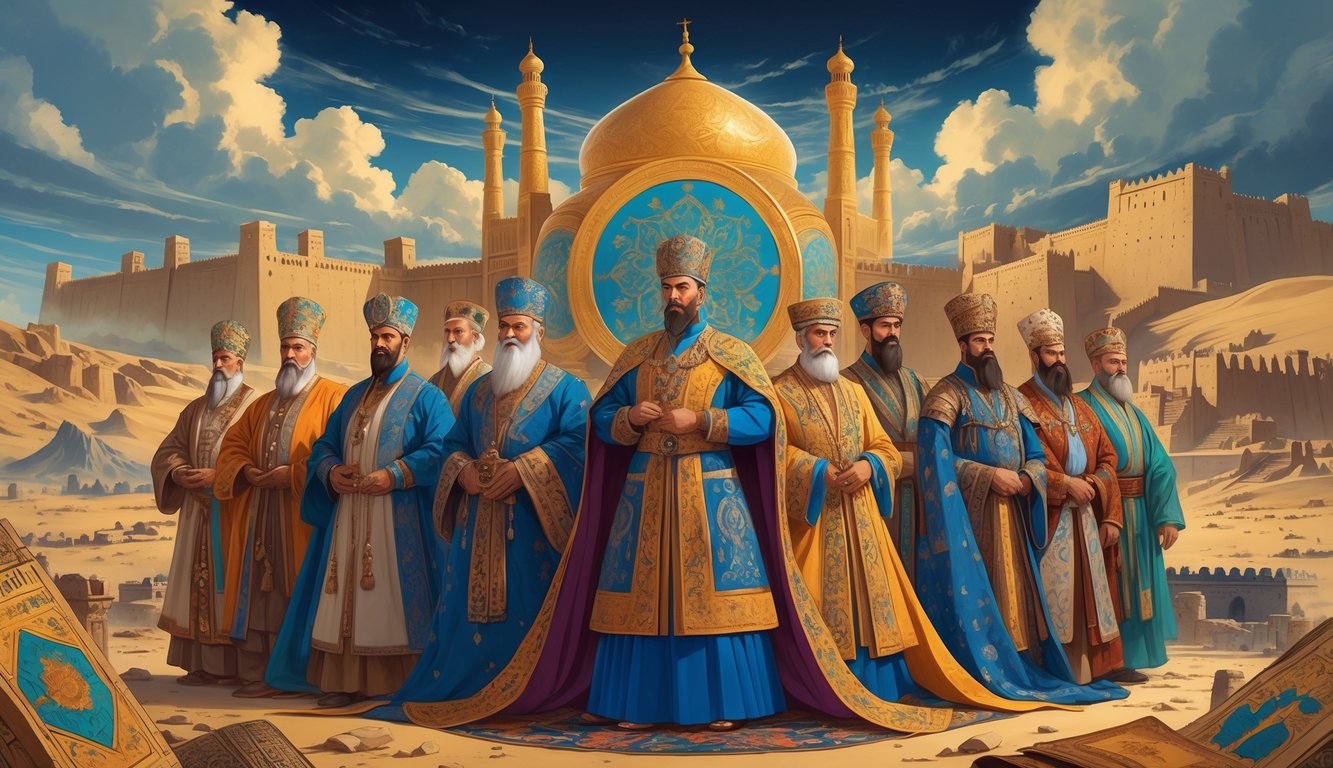
Uzbekistan’s past is full of powerful rulers and legendary leaders.
Their lives and achievements continue to inspire curiosity across the world.
The Life and Secrets of Tamerlane
Tamerlane, also known as Timur, was one of the most influential rulers of Central Asia.
He founded a vast empire in the 14th century and led military campaigns that reached from India to the Mediterranean.
Tamerlane’s rule helped shape the region’s culture, science, and architecture.
His capital, Samarkand, grew into a center for learning and art.
Many mysteries surround Tamerlane.
His famous crypt in Samarkand is believed to hold a curse.
According to some legends, disturbing his tomb brings misfortune.
Some people link this to events during World War II after his grave was opened.
Historians still debate the true nature of his rule and the secrets behind his success.
Some credit his unique tactics, while others point to the loyalty and skill of his generals.
For more details, see this page on great people in the history of Uzbekistan.
Shirak and Tomiris: Fabled Leaders
Shirak and Tomiris are legendary figures often named among the ancestors of the Uzbek people. Shirak is remembered as a brave leader during the Persian wars.
His sacrifice and clever tactics helped his people survive in tough times. Stories about Shirak highlight loyalty and courage.
Some details of his life are lost to time. Tomiris was a queen who led the Massagetae tribes.
She became famous for defeating the Persian king Cyrus the Great. Known for her wisdom and strength, Tomiris stands out as a symbol of resistance and bravery.
Her success against a powerful empire made her a role model for later generations. These stories of Shirak and Tomiris remain important parts of Uzbek heritage and national history.
Religious Mysteries and Ancient Teachings
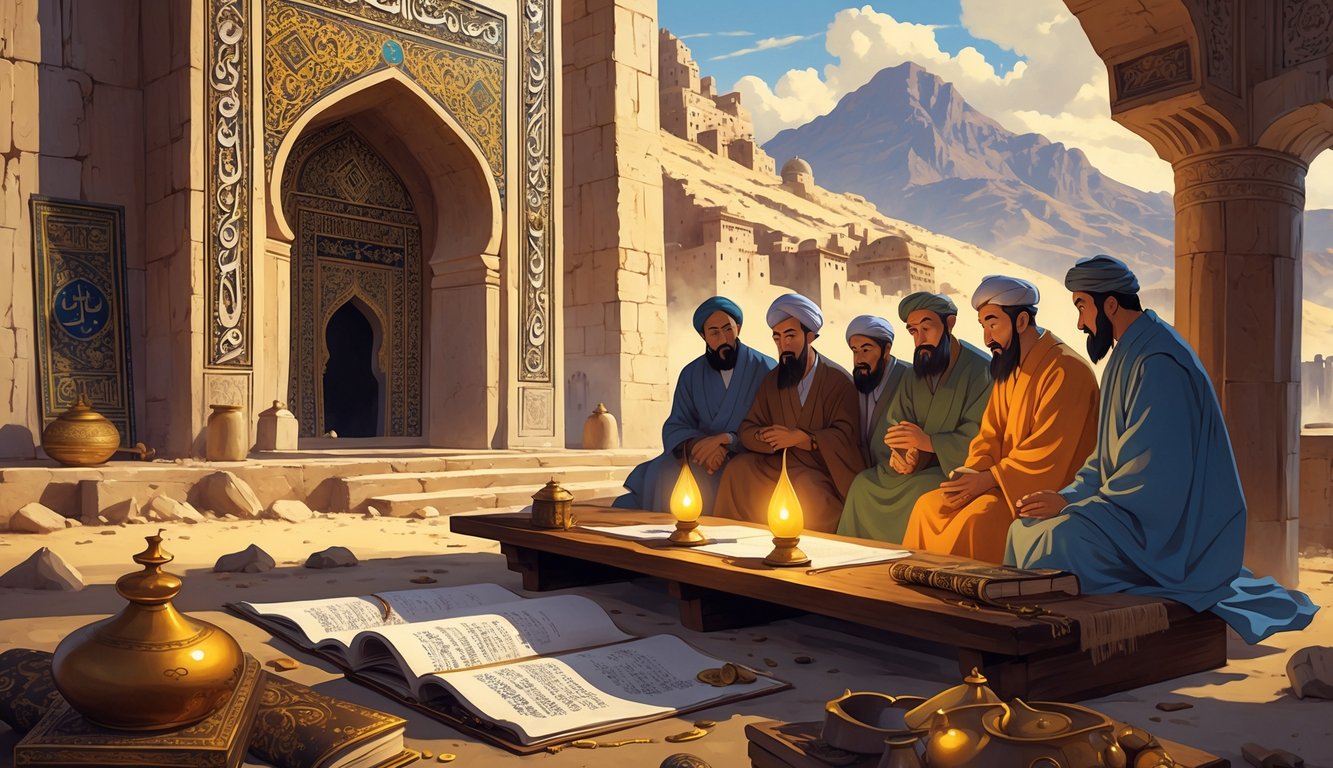
Uzbekistan is full of religious myths and stories shaped by pre-Islamic teachings and Islam. Old legends about saints, prophets, and sacred places reveal how different beliefs have mixed in Central Asia over time.
Saints and Prophets in Uzbek Legends
Stories about saints and prophets play a big part in Uzbek religious myths. Many legends describe holy men who could heal the sick, bring rain to dry lands, or protect villages from danger.
People often visit mausoleums and shrines, hoping for blessings or answers to prayers. Some tales link local heroes to important figures from Islam.
Others blend characters from earlier faiths, showing how old traditions live on. For example, stories might mix the lives of Muslim saints with ancient heroes from Zoroastrian or Buddhist backgrounds.
Lists of well-known saints often include:
- Baha-ud-Din Naqshband
- Khoja Akhmet Yassawi
- Al Bukhari
These figures are remembered for miracles and for spreading moral lessons and Islamic teachings.
Pre-Islamic Traditions and Islam’s Arrival
Before Islam reached Uzbekistan, local people believed in spiritual forces and nature gods. Many of these pre-Islamic traditions continued even after the spread of Islam.
Festivals, rituals, and superstitions often show this mixing. For example, the spring holiday Navruz has roots in old Persian beliefs but remains important in modern Uzbek culture.
Ancient symbols like fire, water, and the tree of life still appear in folk celebrations. Over the centuries, Islam became central to everyday life, but earlier customs did not disappear.
Practices blended, making Uzbekistan a place where religions of Central Asia come together. This created a society rich in both Islamic and ancient local identities.
The Mashad of Kussama
The Mashad of Kussama is one of Uzbekistan’s most mysterious religious sites. This ancient mausoleum, believed by many to be the burial place of a saint or prophet, sits in the region of Khorezm.
The true identity and story of Kussama remain unclear, giving rise to many religious legends. Pilgrims visit the site, seeking blessings or healing.
Some tales say Kussama performed miracles or protected his people from harm. The building’s old brickwork, unique design, and spiritual atmosphere make it stand out among other sacred places.
Local people and visitors continue to share stories about the Mashad of Kussama, keeping its mysteries alive for new generations. The site stands as a reminder of Uzbekistan’s long history of saints, prophets, and faith.
Legendary Sites Beyond the Silk Road
Uzbekistan holds mysteries that go far beyond its famous Silk Road cities. Ancient cities like Shakhrisabz and Termez contain some of the region’s oldest landmarks.
These places draw those interested in history and cultural tourism.
The Ancient City of Shakhrisabz
Shakhrisabz is the birthplace of Tamerlane (Amir Timur), one of Central Asia’s most famous conquerors. The city stands out for its massive palace, Ak-Saray, which once had a towering blue gate over 40 meters tall.
Only traces of this structure remain, but its scale still impresses visitors today. Travelers can also see the Dorut Tilovat complex, a set of mausoleums and mosques built to honor Tamerlane’s family.
The streets of Shakhrisabz still reflect medieval planning, giving a sense of the city’s vibrant past. Many travelers come here to walk the same routes as merchants and rulers long ago.
For those interested in historical Uzbekistan landmarks, Shakhrisabz offers a window into a time when the Silk Road shaped empires and cultures.
The Mysterious Past of Termez
Termez lies in the far south near the border with Afghanistan. This ancient city has a unique mix of Buddhist, Zoroastrian, and Islamic history.
Archaeologists have uncovered monasteries, fortresses, and ancient cave complexes that hint at its diverse past. The ruins of the Kara-Tepe and Fayaz-Tepe monasteries show that Termez was a Buddhist center before the arrival of Islam.
The city later became an important stop on the Silk Road and home to significant Islamic scholars. Sites like the Sultan Saodat Mausoleum and the Kyrk-Kyz fortress attract visitors wanting to experience the layers of history found here.
Termez remains one of Uzbekistan’s least explored spots by tourists, but it is a treasure for those who enjoy off the beaten track adventure and ancient mysteries.
Tashkent and Its Hidden Histories
Tashkent is known for its vibrant life and old streets that blend ancient traditions with modern growth. Many visitors are surprised to find mysteries in its hidden neighborhoods and unusual beliefs that still shape daily life.
Secrets from the Old City
The Old City of Tashkent is a maze of narrow streets and mud-brick homes. This area holds some of the city’s oldest mysteries, with sites that date back more than 2,000 years.
People can find places like the Kukeldash Madrasah and the Chorsu Bazaar, which have witnessed centuries of history. Some buildings in the Old City are said to have underground passages and hidden rooms.
Locals sometimes talk about lost treasures or secretive meetings tied to these ancient spots. Old mosques and monuments stand quietly behind modern stores, often missed by tourists.
These sites tell stories of former rulers and traders from the Silk Road. Tashkent was once called Chach or Shashkent.
Explorers interested in local legends find that many mysteries here remain unsolved. Visitors eager to see the less-explored side of Tashkent can walk the winding alleys or try to locate little-known places like forgotten shrines.
For more ideas, see a guide to Tashkent’s hidden historical sites.
Superstitions in Urban Life
Superstitions are still part of daily life in Tashkent, especially in the Old City. Many people believe that some corners and older buildings bring luck or misfortune.
Common beliefs include not stepping over certain thresholds, or using amulets to protect homes from evil. These traditions might seem small, but they shape how families decorate houses, where markets are set up, and how big events are celebrated.
Many residents use charms called “tumar” to guard against bad luck. Some neighborhoods even hold special festivals to honor spirits or protect their blocks from harm.
Tourists often spot blue-eye symbols or hidden offerings in shops and homes. Old superstitions and traditions add a sense of mystery to daily life, making the city unique and memorable for visitors.
Natural Wonders and Unexplained Phenomena

Uzbekistan is home to striking landscapes that spark curiosity and amazement. From high mountain ranges to vast deserts, this land offers sites that invite many questions and stories.
The Mysteries of Mountains and Deserts
The Tien Shan and Pamir mountains in Uzbekistan are surrounded by tales of lost cities and ancient tunnels. People believe that some caves are still unexplored.
These limestone caves may hold ancient fossils. Many areas remain undiscovered due to dangerous terrain and harsh weather.
The Kyzylkum Desert is another source of wonder. Large dunes shift shape with the wind, causing travelers to lose their way.
There are also stories about strange lights that appear in the desert at night. Local people have noticed these lights for generations.
Some scientists think these lights are natural gas or electrical activity, but no one has explained them fully.
Quick facts about these landscapes:
| Feature | Notable Aspect |
|---|---|
| Tien Shan Mountains | Ancient fossils, hidden caves |
| Kyzylkum Desert | Moving dunes, strange lights |
Fascinating Legends of Uzbekistan’s Natural Beauty
Over the years, people have shared many legends about Uzbekistan’s natural wonders. In the Fergana Valley, it is said that water springs appear and disappear without warning.
Locals often connect these changes to old folk tales about spirits guarding the land’s beauty. In the Nuratau Mountains, travelers talk of rare moments when hidden lakes can be seen only by those who happen to pass at the right time.
Some believe these lakes hide deep within forested areas and only reveal themselves under special conditions. These stories grow each time someone claims to witness them, keeping the mystery alive for new generations.
Tourists and researchers are drawn by both the facts and legends. Each visit reveals new details, making Uzbekistan’s natural sites a place for both discovery and wonder.
Lesser-Known Hidden Gems
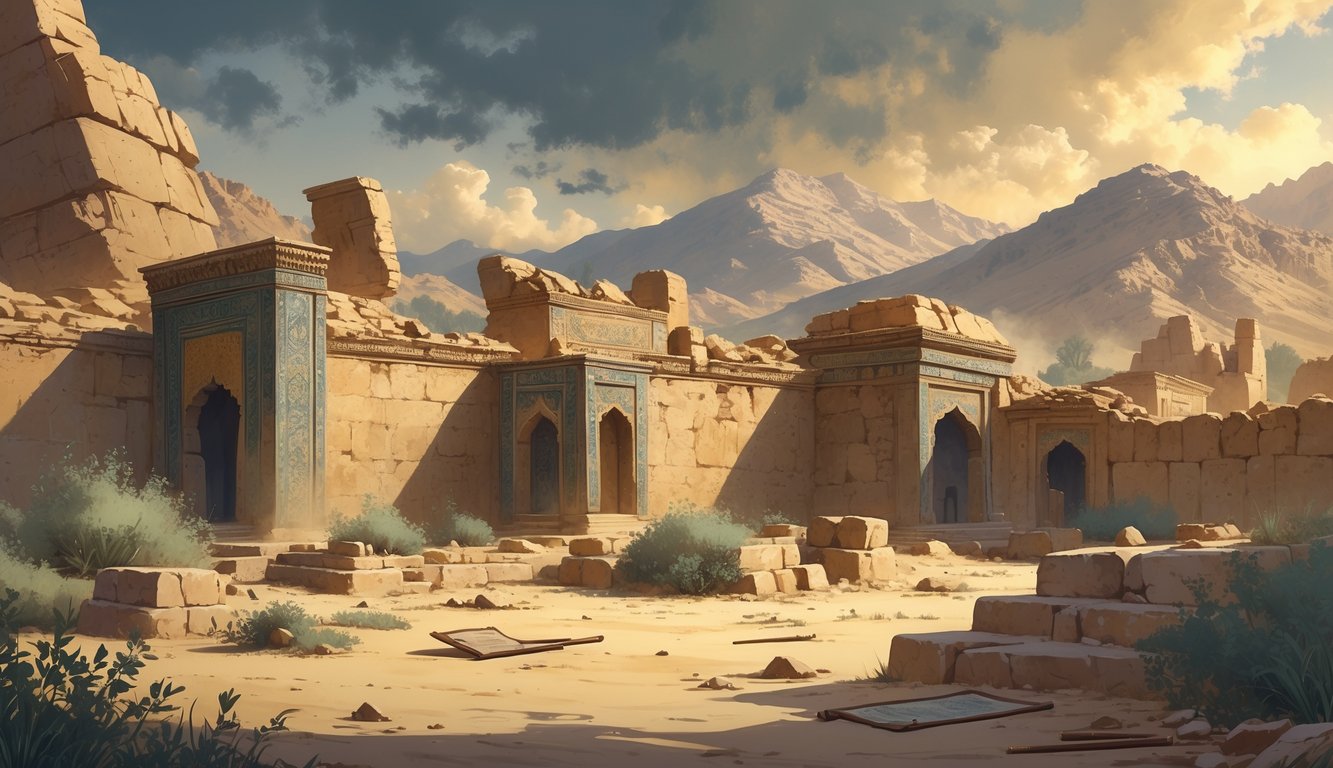
Uzbekistan has many sites that often get overlooked. These places give visitors a fresh view of the country’s rich past and unique local life.
The Puzzle of Nukus
Nukus stands out as a city far from Uzbekistan’s busy tourist routes. Located in the northwest, it is famous for the Savitsky Museum, which houses one of the world’s largest collections of banned Soviet art.
Many of these pieces were hidden away during the Soviet era. The museum is not only an art gallery but also a mystery to history lovers.
The city itself feels remote and mysterious. Travelers find themselves in an area that was once covered by the Aral Sea, now a desert.
Local markets, wide streets, and Soviet-style buildings create an atmosphere from another time. Those exploring Nukus are often surprised by its hidden cultural attractions and unexpected stories.
Resorts with Untold Stories
While many travelers know about big attractions like Samarkand, Uzbekistan’s small resorts have secrets of their own. These resorts, located in the mountains or alongside remote rivers, are great for those looking to escape the crowds.
Many once served as retreats for Soviet officials, but details about their history are still unknown or rarely shared. Guests can wander old buildings with faded murals and quiet overgrown gardens.
Some resorts are near thermal springs believed to have healing powers. Others are surrounded by stories of local heroes and poets.
A good travel guide to hidden gems can help find these lesser-known spots and uncover their untold stories. These places let travelers experience a different, quieter side of Uzbek tourism.
Uzbekistan’s Enduring Cultural Legacy
Uzbekistan is known for rich traditions that continue to shape daily life. These traditions are kept alive through storytelling, shared meals, and unique customs rooted in history and community.
Traditions Preserved Through Folk Tales
Uzbek folk tales have been passed down for centuries. They offer glimpses into ancient beliefs, mysteries, and superstitions that remain part of Uzbek identity.
Many stories describe clever heroes or enchanted places. Some tales feature unexplained events along the Silk Road.
Folktales often explain why certain customs exist. They also tell how landmarks gained their names.
Some tales focus on historical sites. Others highlight remarkable figures from the region’s past.
Children learn about respect, honesty, and courage through these stories. Elders share these tales during family events, especially at weddings or national holidays.
Plov, Customs, and Community Mystique
Plov is more than just Uzbekistan’s national dish. It symbolizes hospitality, unity, and ceremony.
Families prepare plov for special occasions. Each region adds its own twist with different spices or ingredients.
People surround cooking plov with traditions, like using specific types of rice or meat. They may also serve it in a particular order.
Local customs add a layer of mystique to the meal. For example, the eldest person at the table may serve the first helping to show respect.
In some areas, people believe that plov made for weddings or holidays brings good luck. They also think it keeps away misfortune.
Events featuring plov often include music, storytelling, and blessings. These gatherings blend food with ritual and folklore.