Tajikistan sits at the heart of Central Asia. Its history is full of secrets and wonders.
For centuries, this region was a crossroads for travelers, traders, and ideas. This gave it unique cultural heritage and deep historical significance.
Some of the biggest historical mysteries in Tajikistan include lost cities, ancient empires, and unexplained archaeological discoveries that invite curiosity and debate.
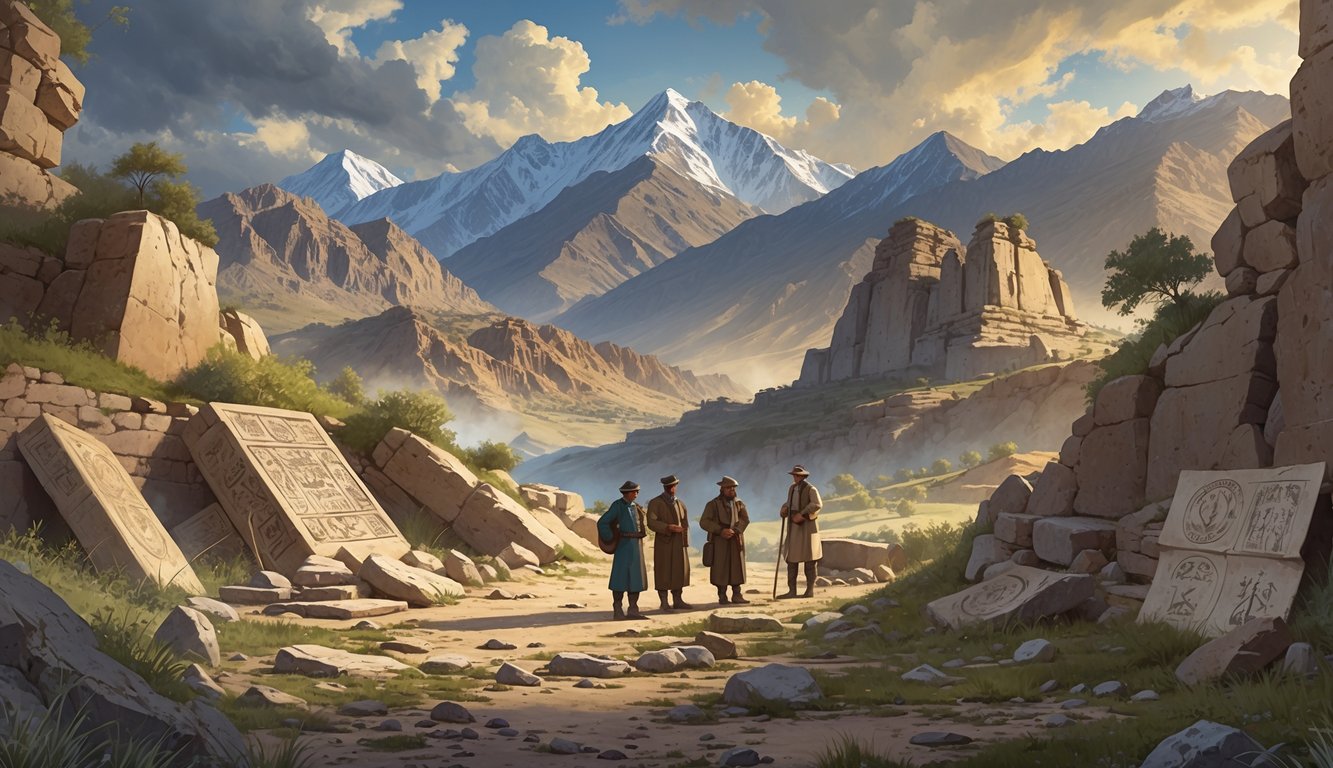
Many legendary sites dot the landscape, such as the ruins of Ajina-Tepa. Mysteries of Buddhism and abandoned temples there still puzzle experts today.
The Silk Road once ran through this land. It left behind layers of forgotten stories and treasures that continue to amaze archaeologists and history lovers.
Some recent finds, like ancient settlements in the Zeravshan Valley, shed new light on early human life in the area. These discoveries raise as many questions as answers.
The Ancient Civilization of Sarazm
Sarazm is one of Central Asia’s oldest known urban sites. It played a key role in ancient trade and technology.
Its ruins reveal early life in Tajikistan. People farmed, made metal goods, and traded with far-off lands.
Early Urbanization and Archaeological Discoveries
Sarazm began over 5,000 years ago. This makes it one of the earliest settlements in the region.
Archaeologists have uncovered signs of city life, including mud-brick buildings, homes, and large public spaces. These discoveries show that Sarazm was more than just a village.
Items found during excavations at Sarazm include pottery, tools, and the remains of workshops. Early residents grew wheat and barley and herded sheep and goats.
They also worked with metal. The variety of ancient artifacts points to a highly organized community with skilled labor.
Some of the most interesting finds include bronze objects, copper tools, jewelry, and signs of early metal production. The site also revealed painted ceramics and stone mills.
These discoveries have helped researchers learn about daily life and technology in ancient Sarazm.
UNESCO World Heritage Status
In 2010, Sarazm became a UNESCO World Heritage Site. The site is recognized for showing how city living, farming, and metalworking began in Central Asia.
No writing has been found at Sarazm. The physical remains are rich with information.
The preserved ruins cover about 90 hectares. Features such as large homes and public buildings show early city planning.
Displays at local and national museums help protect and share these finds. Being part of the UNESCO list brings more study, funding, and visitors, which supports further excavation and conservation efforts.
Trade and Cross-Cultural Connections
Sarazm played a key role in ancient long-distance trade. Archaeologists have found goods from distant places, showing the settlement had contacts with regions as far away as present-day Iran and India.
Items traded included metals, jewelry, and crafts. Traders brought in new ideas, skills, and styles.
Artifacts at Sarazm, like jewelry styles and pottery, show influences from different cultures. These cross-cultural exchanges made the site a lively hub of activity during the Bronze Age.
Imported goods and design similarities in artifacts show that Sarazm had trading partners far from Central Asia. This evidence shows ancient Sarazm was not isolated but connected to the world around it.
For more, visit details on Sarazm’s ancient trade.
Enigmas of the Pamir Mountains
The Pamir Mountains are one of the most isolated regions in Central Asia. Their steep ridges, high passes, and deep valleys have kept secrets ranging from ancient artifacts to stories passed down for centuries.
Mysterious Sites and Artifacts
Archaeologists have uncovered unusual sites scattered throughout the Pamir Mountains. Some of the most famous finds are the ancient petroglyphs—rock carvings showing animals, hunting scenes, and mysterious symbols.
These petroglyphs raise questions about who made them and what they meant. The area is also dotted with stone forts and ruins.
Some believe these could have been safe places for traders and travelers during ancient times. One specific site, the legendary Kukh-i-lal mines, likely provided rare minerals and gemstones for thousands of years.
Its long history makes it an important but still largely unexplored archaeological site.
Hikers on the Pamir Highway sometimes come across unusual stone circles and burial mounds. Local stories suggest these mounds could hide royal graves or long-lost treasures.
The mountain landscape protects many secrets still waiting for discovery.
Myths and Folklore in the Roof of the World
The Pamir Mountains, often called the “Roof of the World,” are home to deep-rooted myths and legends. Locals speak of spirits living in high valleys, powerful mountain gods, and heroes who battled giants.
These stories have been passed down for generations. Some tales explain strange natural features, like lakes that suddenly appear or disappear and rocks shaped like people or animals.
Legends of hidden cities and lost travelers also add to the region’s air of mystery. Storytelling helps connect modern people to the ancient world.
This folklore shapes how communities see the mountains today. Myths and beliefs give meaning to the difficult landscape.
Gatherings where stories are shared are an important part of local life. Many travelers find these tales just as fascinating as any historical fact.
People can read more about Pamir legends and myths that have shaped the identities of the region.
Influence on Silk Road Routes
The rugged Pamir Mountains shaped how traders moved along the Silk Road. The famous Pamir Highway follows some of these old paths.
Heavy snow, sheer cliffs, and unpredictable weather made this route one of the toughest for caravans. These conditions also made the region hard to invade.
Traders had to choose between riskier high passes or longer detours. This protected the local communities and allowed unique cultures and languages to survive.
Caravans often stopped at safe valleys or at ancient forts, exchanging goods and sharing news. The Pamir region became a meeting point for people from across Asia.
Silk, spices, and even ideas moved between East and West, but always with challenges. Modern travelers retracing these routes on the Pamir Highway still feel the pull of history as they face the same landscapes.
More details about the geography and history of the Pamir Mountains’ influence on trade can be found online.
Hidden Puzzles of the Silk Road in Tajikistan
Tajikistan played a key part in the trade routes that made up the historic Silk Road. The region is filled with ruins, old cities, and sites that offer clues about the people and markets that once thrived here.
Lost Cities and Ancient Trade Networks
Many lost cities once existed along the Silk Road in Tajikistan. These cities connected places like Bactria, Soghd, Istaravshan, and Fergana with India, Afghanistan, and China.
Some of the most well-known stops were Pendzhikent and Khujand. Travelers and traders passed through these cities with goods like silk, spices, and precious stones.
This brought cultures together and made each city unique. Archaeologists believe many sites are still buried, waiting to be uncovered.
Old roads and caravan rests have left only faint traces. Some sites—like the 15-hectare ancient ruins near the Panj River—stand as reminders of a powerful past.
Important trade goods included:
- Silk
- Spices
- Gems
- Textiles
- Metalware
Archaeological Excavations Along the Route
Archaeological teams have found many ruins in Tajikistan that reveal details about the Silk Road era. One of the most notable discoveries is at Ajina-Tepa, an abandoned Buddhist monastery.
This site helps show how trade brought new religions and customs to the region. Excavation work has also uncovered old fortresses, city walls, pottery, and coins.
These finds show that different empires once ruled or influenced the area, such as the Persian, Seleucid, and Kushan. Each layer of soil can contain evidence of another chapter in Silk Road life.
Sites like these offer a deeper look at archaeological discoveries along the Silk Road in Tajikistan.
The Secrets of Hissar Fortress
Hissar Fortress is one of Tajikistan’s most famous archaeological sites near Dushanbe. This massive stronghold draws visitors with its ancient walls, unknown stories, and mix of Islamic architecture and local tradition.
Origins and Unsolved Mysteries
People have lived at the Hissar Fortress since the Stone Age. Its strategic hilltop location between two mountain ranges made it valuable for many dynasties and empires.
Over the years, the fortress saw more than twenty attacks and was rebuilt many times. Historians still debate its original design.
Archaeologists do not agree on who first built the main stone walls or what the site looked like in its earliest years. The fortress’s blend of Islamic architecture, brickwork, and older styles shows the different cultures that passed through the region.
Today, visitors can explore the main gate, which features double arches. Many buildings inside the fortress, like the madrassah and caravanserai, have been rebuilt to show the styles of the 16th and 17th centuries.
Much about the fortress’s original builders remains a mystery. Experts still wonder about its earliest chapters.
Learn more details at this Hissar Fortress travel guide.
Legends of Inhabitants and Defenders
Many legends surround the people who once lived and fought at Hissar Fortress. Some stories tell of brave defenders who resisted invaders, while others focus on local rulers who tried to protect the valley.
Over the centuries, the fortress was home to kings, soldiers, and scholars. Hissar was not just a military base; it was a center for learning and trade with its own madrassah and regular markets.
Some believe the fortress hid valuable treasures or secret tunnels, but few have ever been found. The site now includes a museum, where visitors can see artifacts like pottery, books, and weapons.
Each discovery leads to more questions about who the fortress’s real inhabitants were and what their daily lives were like. For a closer look at the legends and history, visit this guide to exploring Hisor Fortress.
Religion and Rituals: Zoroastrianism’s Footprints
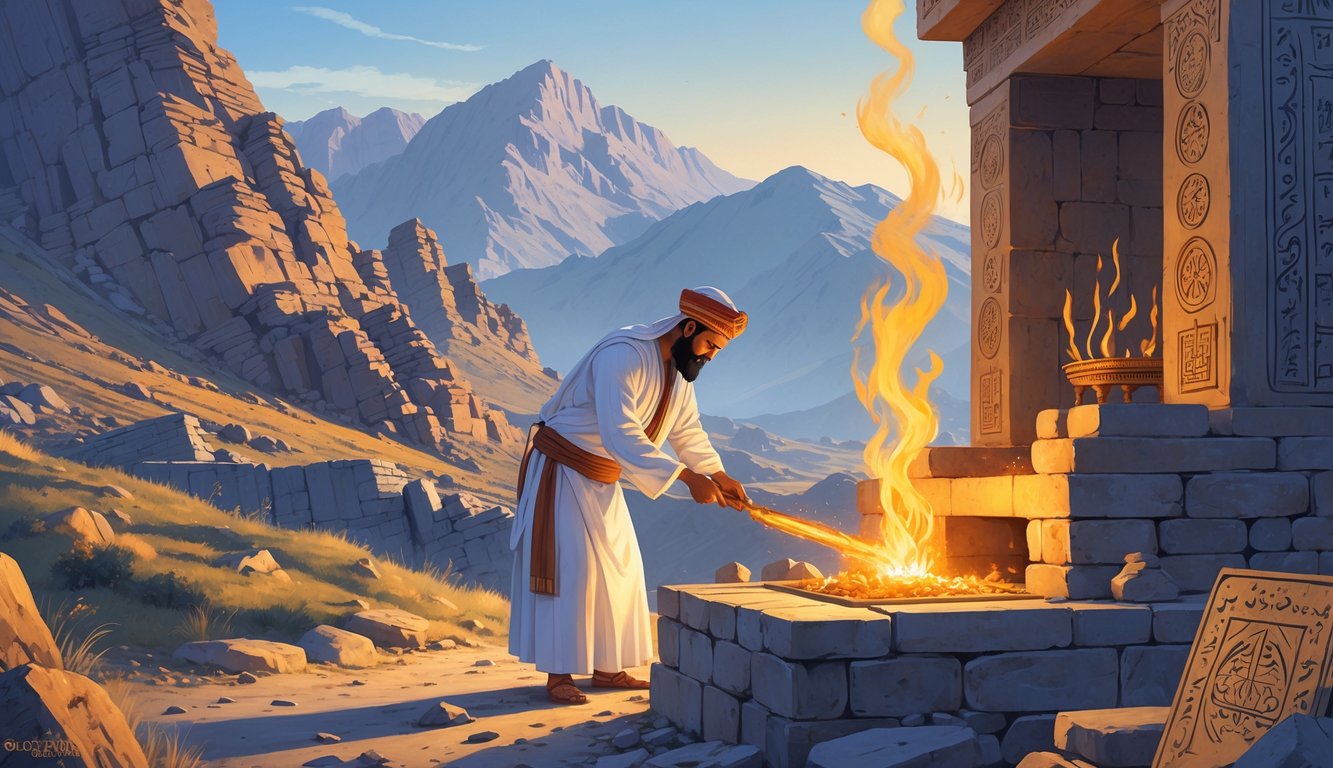
Zoroastrianism left lasting marks on Tajikistan’s cultural heritage through its ancient temples and religious symbols. Archaeological discoveries in the region show how these practices shaped local customs and beliefs.
Ancient Fire Temples and Religious Sites
Zoroastrianism was the main religion in Tajikistan before Islam arrived. One unique feature was the worship of fire as a symbol of purity.
Remains of fire temples have been found in places like Panjakent and Hulbuk. Fire temples were central to Zoroastrian rituals.
Priests kept an eternal flame burning to represent truth and the presence of Ahura Mazda, their main god. Archaeologists have found altars, ash pits, and special rooms for prayer and offerings.
Some temples had stone carvings and decorated pillars. These ruins show how communities gathered for religious ceremonies and social events.
The location and style of these temples often connect Tajikistan with other ancient cultures. This links the region to wider traditions.
Symbolic Artifacts and Cultural Impact
Artifacts from Zoroastrian times give insight into daily life and spiritual beliefs. Ceramic figurines, engraved metal plaques, and ritual vessels have been found at dig sites.
Many of these items display symbols like the Faravahar, which stands for the human soul’s journey and moral choices. These symbols appear on pottery, textiles, and jewelry.
They show how Zoroastrian ideas influenced art and personal objects. Some local customs and festivals in Tajikistan still reflect Zoroastrian beliefs, such as celebrating the new year with fire-related traditions.
Zoroastrianism shaped how people thought about nature, life, and ethics. Its legacy is visible in the blend of ancient and modern practices that define Tajikistan’s cultural heritage.
The Intriguing Mystery of Khujand
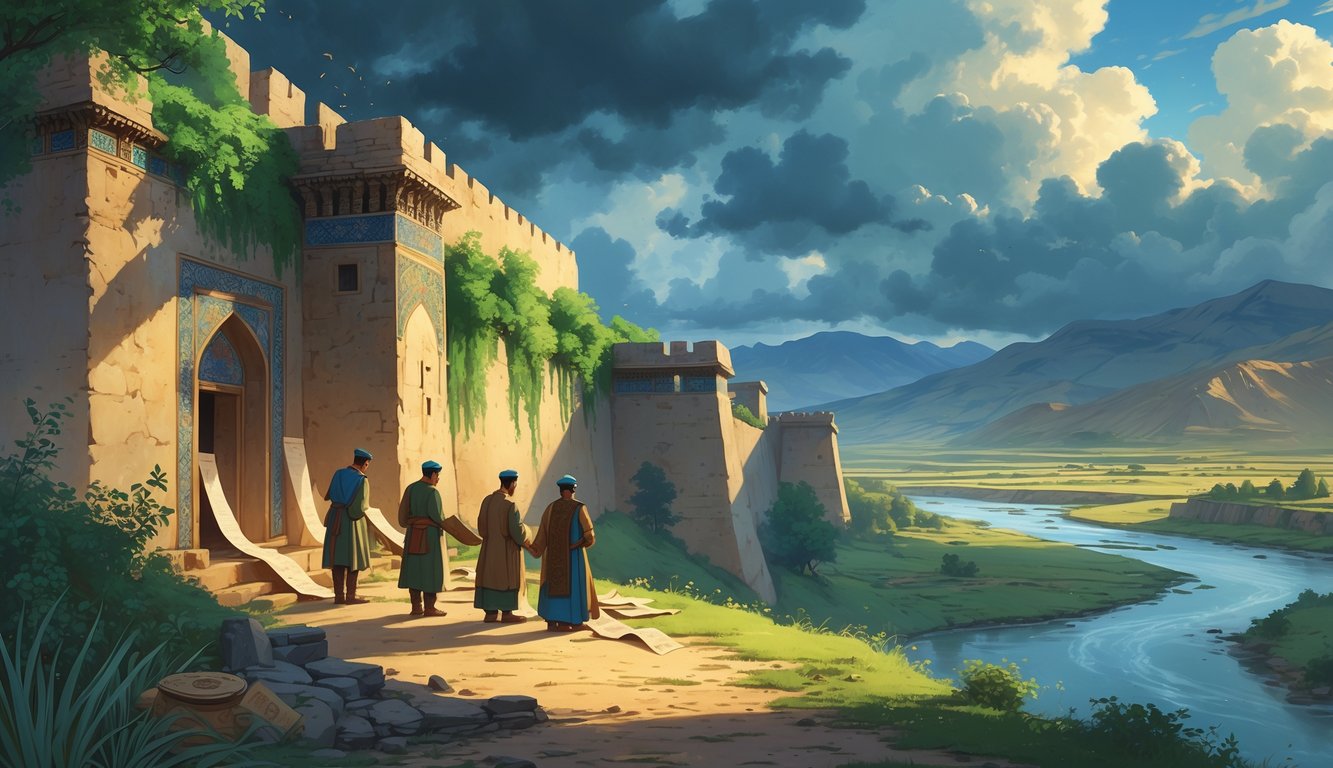
Khujand, one of the oldest cities in Central Asia, stands at the crossroads of empire, culture, and trade. Its past includes legendary treasures and enigmatic ruins that puzzle historians and visitors.
Lost Treasures of the City
Khujand is famous for stories about treasures hidden during waves of conquest. When Alexander the Great took the city—then called Alexandria Eschate—locals reportedly buried gold, coins, and precious artifacts to keep them safe.
Over time, more invasions followed, with rulers from the Arabs to the Mongols passing through. Archaeologists and treasure hunters have searched for these riches, but discoveries are rare.
Local museums display coins, pottery, and jewelry found during digs. Many locals believe vast caches are hidden in secret tunnels beneath the city.
These stories attract both experts and curious tourists. The city’s role as a major hub on the Silk Road adds to the belief that valuable artifacts remain undiscovered.
Learn more about Khujand’s history at Khujand: An Ancient Gem in Tajikistan’s Crown.
Unexplained Structures and Ruins
Khujand holds several archaeological sites with ruins that still raise questions. Parts of its ancient fortress walls remain, with some sections dating back before Alexander’s invasion.
Some bricks and foundations are so old that their true origins remain unclear. Underground tunnels and hidden chambers lie beneath old neighborhoods.
Researchers are unsure who built them or what purposes they served. Some think they were for escape during sieges, others say they carried water, and a few believe treasures are hidden inside.
Local museums have uncovered fragments of tools and ceramics. Researchers still can’t say for sure what many ruins were used for.
Explore more about the city’s archaeological wonders at the history and key sites of Khujand.
Modern Legends and Historical Connections
Tajikistan’s history contains stories that mix modern mysteries with tales from the Soviet era. Strange disappearances, icy landscapes, and remote sites still puzzle researchers and adventurers.
The Dyatlov Pass Incident’s Central Asian Links
The Dyatlov Pass incident is one of the world’s most mysterious hiking tragedies. In 1959, nine hikers in Russia’s Ural Mountains were found dead under strange circumstances.
While far from Tajikistan, the event has influenced local ideas about outdoor dangers. Many hikers see similarities between the harsh Russian climate and Tajikistan’s mountain regions.
The Pamir Highway, running through remote and icy terrain, is sometimes compared to the Dyatlov route for its risks. Stories of mysterious losses and unexplained accidents in Tajikistan often get linked to the Dyatlov tale in popular conversations.
Rumors about supernatural causes for wilderness tragedies have spread online. Stories blend local Tajik myths with Soviet-era mysteries, bringing the Dyatlov Pass incident into local lore.
These links appear in how hikers prepare for journeys, often sharing survival tips and cautionary tales.
Unresolved Stories from Soviet Exploration
During the Soviet period, Tajikistan hosted many scientific and adventure missions. The remote Pamir Mountains attracted explorers, geologists, and military teams.
Some expeditions led to unexplained disappearances, strange finds, and mysterious reports. One story involves lost Soviet hikers who vanished in thick snow and were never found.
Locals still share stories about these vanished groups. Reports mention strange structures, odd markings, and relics in abandoned Soviet outposts and tunnels.
Notable themes include:
- Secret research bases in the mountains
- Disappearances during winter storms
- Cryptic messages left in explorer journals
The gap between official reports and eyewitness stories keeps these mysteries alive. Young adventurers keep searching for clues, deepening curiosity about what happened in Tajikistan’s isolated landscapes.
Archaeological Sites Still Shrouded in Mystery
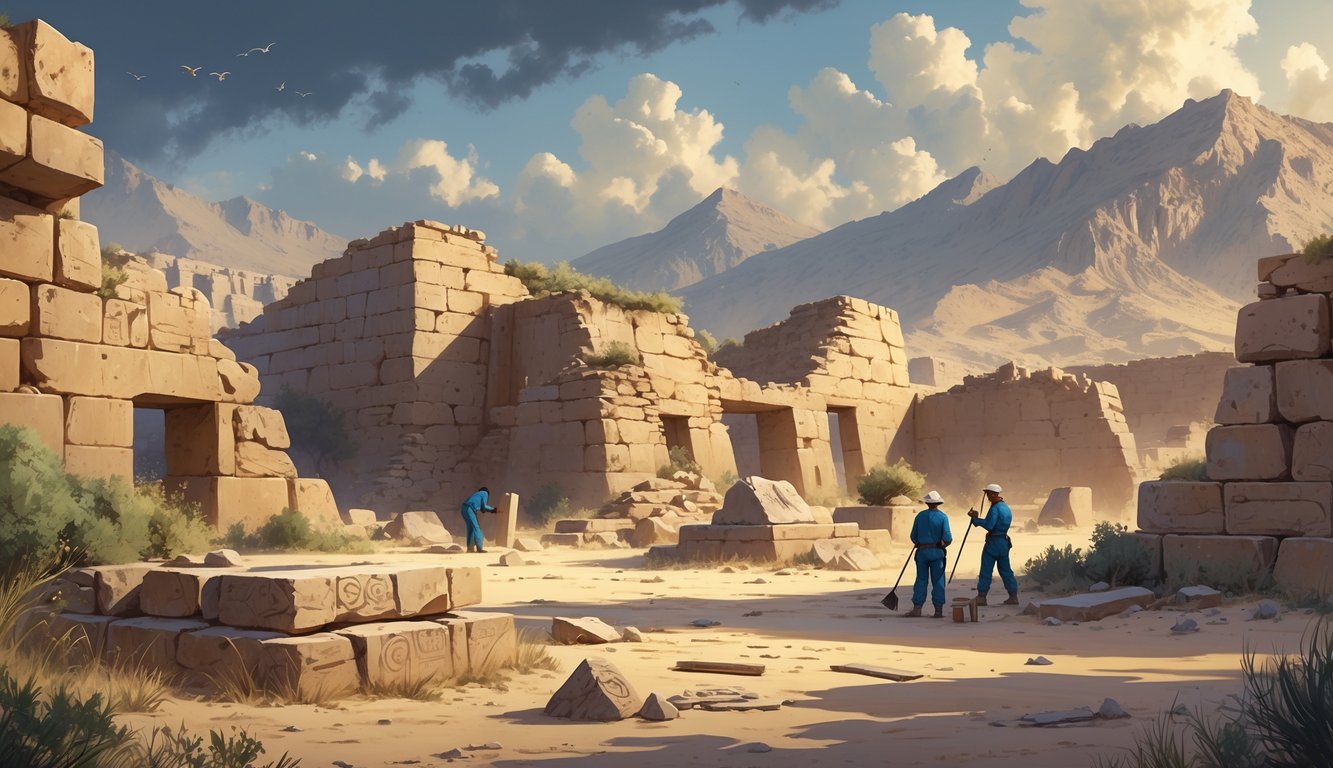
Tajikistan is home to many ancient ruins, unexplored structures, and puzzling discoveries. Sites with mysterious origins and rare artifacts spark curiosity and debate among historians and archaeologists.
Sites with Unidentified Origins
Several archaeological sites in Tajikistan remain unsolved puzzles because their builders and purposes are still uncertain. The city of Takht-i Sangin, called the “Oxus Temple,” is a key example.
Archaeologists found Greek and Persian items here, but the site’s exact origin and role remain debated. The ruins at Sarazm are another case.
This large settlement dates back over 5,000 years and shows early urban life. Still, little is known about the culture that created it or why it was abandoned.
Other sites, like the fortress at Kafir-kala, have walls and earthworks hinting at advanced engineering. There’s no clear record explaining who built them.
These places offer glimpses into forgotten civilizations. They show Tajikistan’s role in ancient trade and culture.
For more on mysterious ancient locations, see ancient ruins still shrouded in mystery.
Unique Artifacts and Their Theories
Excavations across Tajikistan have revealed unique artifacts that puzzle experts. At Takht-i Sangin, archaeologists found gold and silver pieces, coins from distant lands, and statues with mixed artistic styles.
These finds hint at a rich center of trade and interaction between cultures. In Sarazm, jewelry made from precious stones and tools from various materials suggest the area was part of a wide trading network.
The meaning of some objects, like decorated ceramics or unique seals, remains unclear. Some experts believe these discoveries show how Tajikistan served as a cultural crossroads.
Others suggest they point to unknown kingdoms or lost societies. The mysterious origins and purposes of these artifacts make each excavation in Tajikistan an exciting adventure for archaeologists and history lovers.
For more examples, visit this guide to forgotten mysteries and ancient structures.
Influence of Islamic Architecture in Early Tajikistan
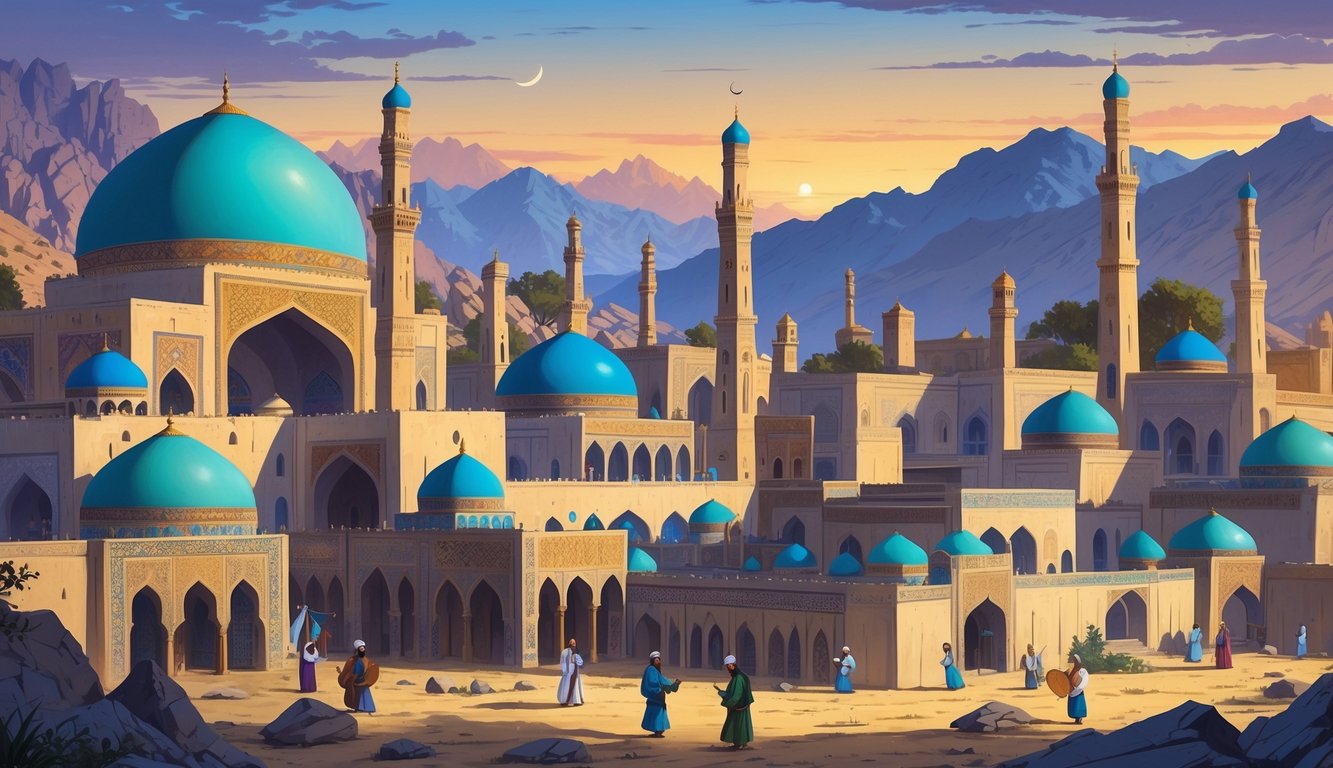
Islamic architecture began shaping Tajikistan’s urban landscape as early as the seventh and eighth centuries. These styles left lasting marks seen in brickwork, domes, and minarets in historic buildings.
Preserved Mosques and Minarets
Some of Tajikistan’s most important Islamic buildings are in cities like Penjikent, Istaravshan, and Khujand. The Haji Yaqub Mosque in Dushanbe is a popular example, with classic domes and intricate patterns.
Ancient minarets in the Hisor Fortress area stand out for their unique mud-brick construction. Visitors can see pointed arches and detailed tile work.
The preservation of these mosques shows Tajikistan’s Islamic heritage and history of architecture. Many of these buildings are still in use today.
They often serve as both religious centers and cultural landmarks. Museums in Dushanbe display artifacts from these sites, helping people connect with their past.
Significance in Cultural Heritage
Islamic architecture shapes Tajikistan’s cultural identity. These structures are more than religious sites; they represent periods of change and continuity.
Buildings like mausoleums, madrasas, and mosques are key highlights on local heritage tours. They also inspire art, crafts, and traditional design in modern Tajikistan.
Historic sites act as meeting places for communities. They foster pride and belonging by linking the past with the present.
The appreciation of Islamic design is visible in city planning, museum exhibits, and architecture across the country. This shows how Islamic influence enriches Tajik culture.
The Role of Museums in Unraveling Mysteries
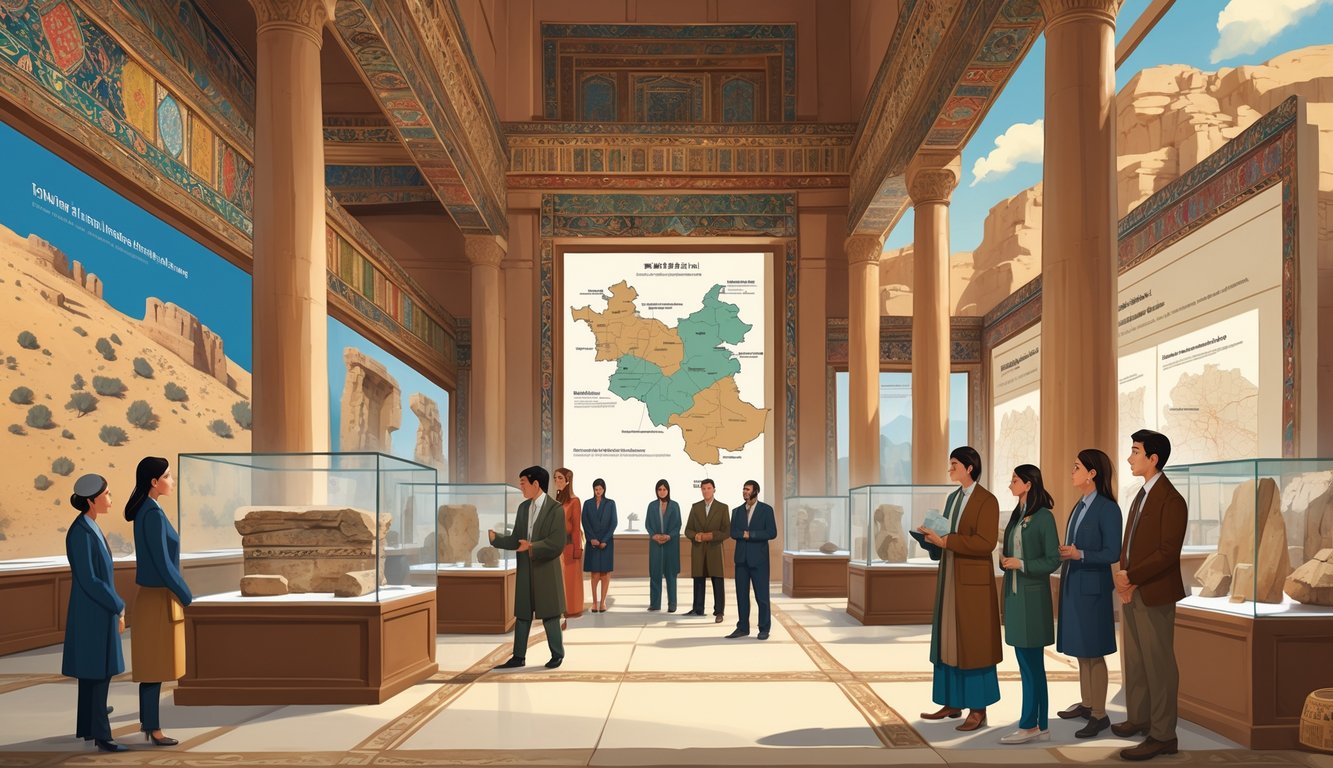
Museums in Tajikistan help people understand ancient civilizations and unexplained stories. They display artifacts and share new research.
These museums bring together history, archaeology, and cultural experiences through their collections and exhibits.
Rare Exhibits and Research Efforts
Tajikistan’s museums feature rare artifacts from sites like Penjikent and Sarazm. Many exhibits include ancient pottery, coins, and tools that show how people lived centuries ago.
Objects with unclear origins or odd designs create new questions for researchers. The country’s museums work closely with archaeologists to study these finds.
Teams use technology like carbon dating and digital imaging to learn more about old objects and structures. Local experts and visiting scholars often share ideas and discoveries.
Some artifacts are the only ones of their kind anywhere, making these museums important for researchers worldwide. These discoveries sometimes change what historians thought or open new topics for study.
By displaying these items, museums support ongoing research and let the public join in the wonder.
Museums as Cultural Ambassadors
Tajik museums do more than display artifacts. They help visitors from around the world learn about Tajikistan’s unique past.
With special exhibits and interactive tours, museums turn old mysteries into educational experiences. Museums play a key role in supporting tourism.
They attract travelers who want to see ancient treasures or learn about lost civilizations. This brings money into the local economy and encourages people to value their cultural heritage.
Staff often organize events such as lectures and workshops. These events connect local residents, researchers, and visitors, building a sense of shared history.
Museums help Tajikistan share its archaeological discoveries and mysteries with the global community. They have become cultural icons recognized far beyond their borders.
Impact on Tourism and Cultural Heritage Today
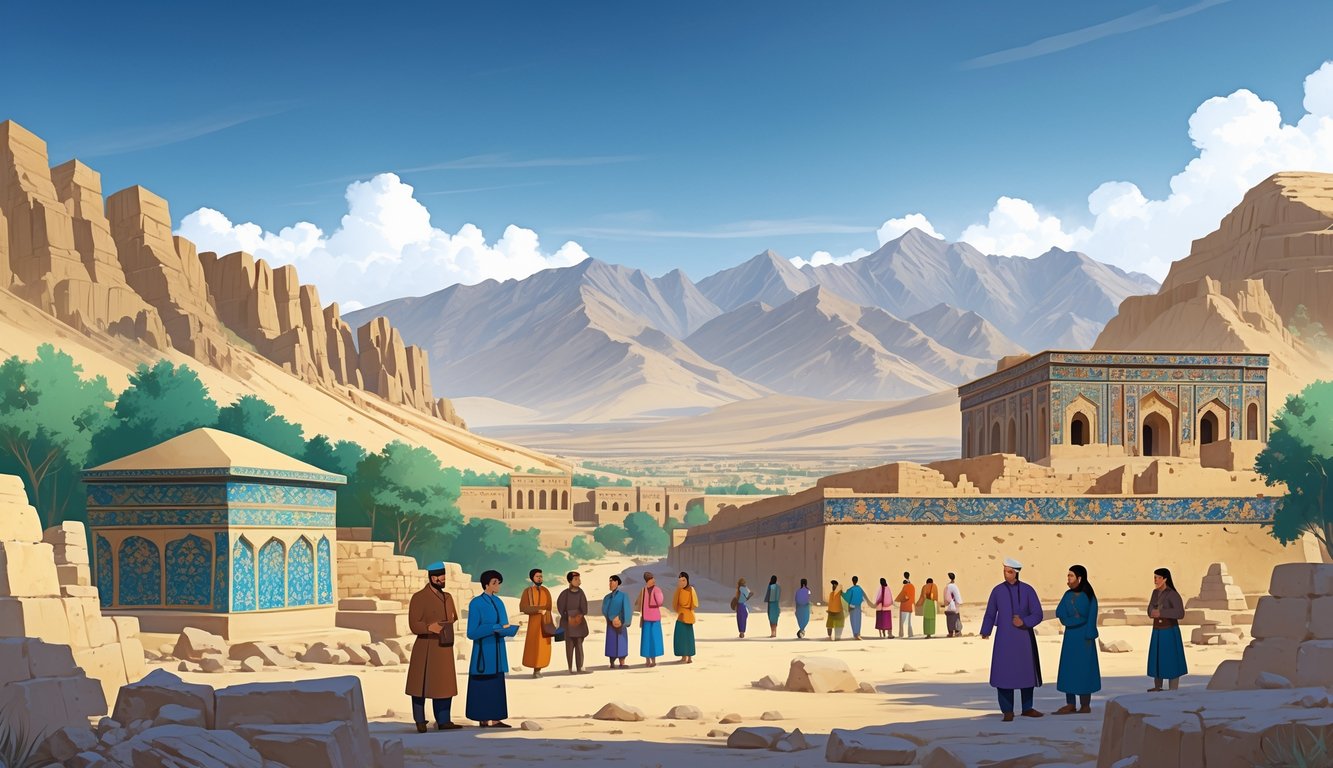
Tajikistan’s biggest historical mysteries draw travelers interested in ancient cultures and lost secrets. These sites boost local economies and help share stories about the region’s past.
Historical Sites as Tourist Attractions
Many of Tajikistan’s historical sites, such as the city of Penjikent and the Yamchun Fortress, serve as popular destinations for tourists. These sites give travelers a chance to see real artifacts and learn about Silk Road history up close.
Unesco World Heritage Sites like the Sarazm settlement amaze visitors with their age and preservation. Local guides, museums, and cultural festivals focus on sharing the historical significance of these places.
Heritage tourism in Tajikistan helps local communities by creating jobs and selling crafts. When travelers visit these sites, they become more aware of Tajikistan’s unique cultural heritage and its place in world history.
You can read more about how such sites impact tourism and cultural heritage.
Preservation Efforts and Future Exploration
Tourism brings more attention to the need for conservation and protection of historical sites in Tajikistan. Governments and local groups use funds from tourism to restore monuments.
They also improve visitor centers. Some locations limit tourist numbers during busy seasons to protect fragile structures.
Educational signs and guided tours teach visitors about preservation. These actions help keep the sites intact for future generations.
Archaeologists feel motivated by the demand for new discoveries and keep exploring Tajikistan’s ancient ruins. When they uncover new sites, officials can add them to heritage lists and open them for tourism.
Conservation teams often follow best practices used at important historic sites worldwide.