Poland has a long and sometimes mysterious history. From rumors about hidden treasures to stories of haunted castles, many secrets remain unexplained.
Some of the biggest historical mysteries in Poland continue to puzzle travelers, historians, and local people. These mysteries include places linked to war, legends about buried gold, and strange sites that attract visitors from around the world.
Stories like the lost Amber Room, secrets of underground tunnels, and locations known for ghost sightings capture the imagination. If you enjoy learning about mysterious stories, Poland offers plenty, from haunted castles to sites with strange histories.
Enigmatic Medieval Burials
Archaeologists in Poland have uncovered medieval graves with unusual burial practices and mysterious beliefs. These discoveries include odd skeleton positions and artifacts that point to local folklore and fear of the supernatural.
Sickle Graves and Vampire Legends
Some graves in medieval Poland stand out because of how people buried the bodies. In several cases, archaeologists found skeletons with sickles placed over their necks or bodies.
People believed this practice would prevent the dead from returning as vampires or other supernatural beings. On Góra Chełmska in Chełm, researchers found the remains of two children from the 13th century during a renovation.
One child was buried with a sickle placed at the throat. The sickle would likely have injured a body that tried to rise, reflecting old fears of the undead.
These “vampire burials” show what dangers people believed in and the methods they used to protect their communities. The tradition of vampire folklore in Eastern Europe explains the use of such objects.
People worried that some individuals, especially those who died in unusual ways, could become vampires. Placing sharp tools in graves was seen as a way to keep the living safe, as shown by recent discoveries in Chełm.
Unusual Skeleton Findings
Several graves show bodies buried in strange positions or with other odd features. Archaeologists report that some skeletons were found face down or had stones weighing them down.
These practices aimed to keep the dead from rising. In some cases, scientists found evidence of disease or injury, which might have made people fear the person after death.
DNA studies and detailed analysis help reveal whether these people were “outcasts” or victims of outbreaks. Folklore and fear influenced how families and communities buried their dead.
Not all burials fit normal patterns in medieval Poland. These cases offer clues about beliefs, survival, and community fears.
More information about these graves can be found in studies of medieval Poland’s burial customs.
Lost Treasures and Artefacts
Many priceless treasures from Poland have vanished over the centuries, especially during times of war and occupation. These missing items fascinate historians, treasure hunters, and the public because of their rich stories and unsolved mysteries.
World War II Hidden Riches
During World War II, people took, hid, or lost treasures and artefacts from Poland. Both the Nazis and the Soviets looted art, gold, and cultural relics, moving them across borders or hiding them in secret locations.
Adolf Hitler’s forces removed treasures from museums, castles, and churches. Some were stored in underground tunnels and bunkers, while others disappeared without a trace.
Many believe hidden caches of gold, paintings, and jewels remain buried somewhere in Poland. Local legends mention secret trains loaded with valuables, such as the famous “Nazi Gold Train” rumored to be concealed in the mountains.
Although many searches have taken place, most of these stories remain unsolved. Discoveries still happen today, like the recent find of ancient Roman coins in Poland.
The Mystery of the Amber Room
The Amber Room, a masterpiece created with priceless amber panels and gold leaf, is one of the most famous lost artefacts in history. Built in Prussia, it was moved to Russia and later stolen by Nazi troops during World War II.
In 1941, the Nazis took the room apart and shipped it to Königsberg (now Kaliningrad). After that, it disappeared.
Some think the Amber Room was destroyed in the war, while others believe it was secretly moved and hidden, possibly somewhere in Poland. Despite many searches, the original Amber Room has never been found.
Recreated versions exist, but the fate of the true room remains one of the greatest lost treasures of Europe.
The Riese Complex Conundrum
The Riese Complex is one of Poland’s most puzzling historical sites. Built during World War II, these massive underground structures leave archaeologists and researchers with many questions.
Underground Tunnels and Constructions
Project Riese, meaning “giant” in German, began under Nazi Germany between 1943 and 1945. Workers created enormous underground complexes hidden in the Owl Mountains and beneath Książ Castle in southwestern Poland.
There are seven main underground sites, with long tunnels, vast chambers, and reinforced concrete walls. Historians note the impressive workmanship for their time.
Even today, parts of the complex remain unfinished, and mysterious passages stay blocked or unexplored. Archaeologists have explored these tunnels for years.
They have found evidence of forced labor, including tools and personal items from prisoners who worked on the project. Visitors can tour some safe areas, but large sections remain off-limits due to instability and unknown dangers.
The Riese Complex covers a vast area and experts are still mapping it. Some sections might connect or have hidden chambers.
Ongoing research and discoveries continue to reveal how massive and advanced the construction efforts were during World War II. For more on the size and scope, see this overview of the Nazi underground complex.
Purpose and Origins Debate
The true purpose of the Riese Complex is still unclear. The Nazis started the project under Adolf Hitler but never finished it, and records are scarce or lost.
Researchers debate if it was meant to be a military headquarters, a weapons factory, or something else. Some believe the complex was designed to house key officials or even Hitler himself in case of emergency.
Others point to possible use for advanced weapon research or storage, noting the thickness of some walls and hidden rooms. There is also a theory that important items, including treasures, could be buried there.
Local legends and wild stories often appear in news articles and books. Most archaeologists caution against making assumptions without proof.
Ongoing digs and studies continue to bring new clues. To read about continued discoveries and why historians remain interested, check out this article on excavations and efforts at the Riese complex.
Mass Graves and War Secrets
Poland holds important evidence of World War II atrocities, especially in the form of mass graves. Archaeologists and forensic teams have worked for years to uncover the stories hidden beneath the earth.
Mystery of Unidentified Mass Graves
Many mass graves in Poland are still being discovered in forests and remote sites. Some graves, like those recently found in “Death Valley,” are linked to Nazi crimes against Poles.
Often, the skeletons found are not identified, leading to unanswered questions about who the victims were and what happened to them. Large areas around sites such as Pomerania have become infamous for these discoveries.
Archaeologists sometimes find thousands of remains in one place. In recent years, new evidence came to light about the ashes of 8,000 World War II victims found buried in mass graves.
The identities of many victims and details of their final moments are still unknown.
Forensic Analysis and Discoveries
Forensic experts use modern techniques to study these graves. They look for clues in the bones, analyze teeth, and collect DNA samples.
This careful work helps to identify victims and learn more about how they died. New technology lets teams map grave locations with aerial photos and advanced scanning.
Archaeologists often find artifacts such as clothing, personal items, and even weapons near the skeletons. These discoveries help paint a more detailed picture of the tragic events that happened during World War II.
The continued study of these mass graves has taught historians more about the scale of Nazi crimes. It also gives families hope for answers and helps close some chapters in Poland’s troubled past.
Ancient Polish Folklore Mysteries
Polish folklore is filled with captivating legends linked to real places and mysterious discoveries. Many stories feature unusual finds like ancient burials, skeletons, and supernatural creatures.
Myths Surrounding Legendary Sites
Several famous locations in Poland have legends tied to them. One of the best known is Wawel Hill in Krakow, home of the legendary Smok Wawelski, or the Wawel Dragon.
This story tells of a fearsome dragon that lived in a cave and terrorized villagers until it was finally defeated. Visitors to Krakow can see a statue of the dragon near the cave entrance.
Another site wrapped in mystery is the Białowieża Forest. People say it is home to ancient spirits and magical creatures like the Leshy, a forest guardian who could protect or mislead travelers.
Folklore from this area often involves strange discoveries, such as reports of unusual skeletons or old burial sites. These finds fuel the legends even more.
For more details, see this overview of famous Polish myths and legends.
Supernatural Tales and Historical Records
Many Polish legends blend folklore with actual historical finds. For instance, the discovery of old pagan burial grounds across Poland often goes hand in hand with stories about restless spirits or mysterious skeletons.
Tales of vampires and the undead, called upiórs, grew from the practice of uncovering bodies with stones in their mouths. This burial tradition aimed to stop them from returning.
Historical records sometimes mention these supernatural beliefs. Chronicles describe villagers using rituals to protect themselves from evil forces, especially after strange or unexplained discoveries.
These stories mix real archaeological finds and long-held superstition. To learn more about the creatures and myths from Polish folklore, see this guide to Polish mythology and creatures.
Unsolved Castle and Palace Secrets
Some of the greatest historical mysteries in Poland are hidden inside castles and palaces. Secrets often stay out of sight, locked beneath stone floors or inside aging walls.
Rumors and strange discoveries sometimes give clues to these mysteries. Legends speak of hidden treasures and secret rooms.
Tunnels Beneath Wawel Castle
Wawel Castle stands above a network of ancient tunnels and chambers. Many people wonder why these tunnels exist and how builders created them so skillfully centuries ago.
Legend says escape routes and secret passages allowed royals to flee danger. Archaeologists have found some passages, but many remain unexplored.
Explorers have documented hidden doorways and old bricked-up corridors. Some locals believe treasures or important artifacts wait to be found deeper underground, though official discoveries are rare.
A few tunnels connect with Kraków’s old city. Others seem unfinished or lead to dead ends, raising new questions about their purpose.
Not every passage under Wawel Castle has been mapped or opened.
Hidden Chambers and Legends
Stories of hidden rooms in castles and palaces continue to attract attention across Poland. Secret chambers often come to light by accident during repairs or renovations.
Some rooms are beautifully decorated, while others look unused for centuries. In places like Moszna Castle, workers have found false walls and cleverly concealed doors.
Sometimes these discoveries reveal forgotten family treasures or old documents. Other times, the space is empty, but the legend grows.
Castles such as Malbork and Książ appear on lists of Polish castles with rumored secrets. People still speculate about buried loot or hidden passages.
These chambers inspire ghost stories and motivate both historians and tourists to keep searching for answers.
Archaeological Surprises in Poland
Polish archaeologists often make surprising finds that reveal new parts of the country’s past. Sometimes they make these discoveries by accident while using new technology or studying satellite images.
Unexpected Medieval Findings
Archaeologists in Poland sometimes find medieval ruins in unexpected places. For example, an expert noticed strange marks in a Polish field from above and discovered a 5,000-year-old cemetery and a large medieval fortress.
The team found stone-lined tombs and traces of ancient structures. These finds included skeletons, pottery, and everyday items that showed how people once lived and died in the area.
These cemeteries contained barrows, which are long, earthen mounds built over graves. Some tombs had lined stones and carved tools, showing careful workmanship.
These discoveries help archaeologists learn more about who built these sites and their daily lives. Satellite imagery helped archaeologists spot outlines of buried structures without digging.
You can read more about the sprawling cemetery and fortress discovered in Poland.
Unexplained Artifacts Revealed
Teams continue to uncover artifacts that remain a mystery. At a newly found megalithic site, archaeologists unearthed dozens of tombs dating back over 5,000 years.
Artifacts from these graves include unusual ceramics, tools, and objects not seen in other regions. Some items show advanced workmanship, such as smooth stone tools and decorated pottery.
The purpose of certain objects remains unclear, leaving experts to wonder who made them and why they were buried here. Each discovery adds new questions for archaeologists.
Near the village of Dębiany, the largest megalithic cemetery yet in Poland featured these unexplained artifacts. See details about Poland’s largest megalithic cemetery discovery.
Scientists hope that by studying these pieces, they can uncover more about Poland’s ancient traditions and burial customs.
Strange Monuments and Structures
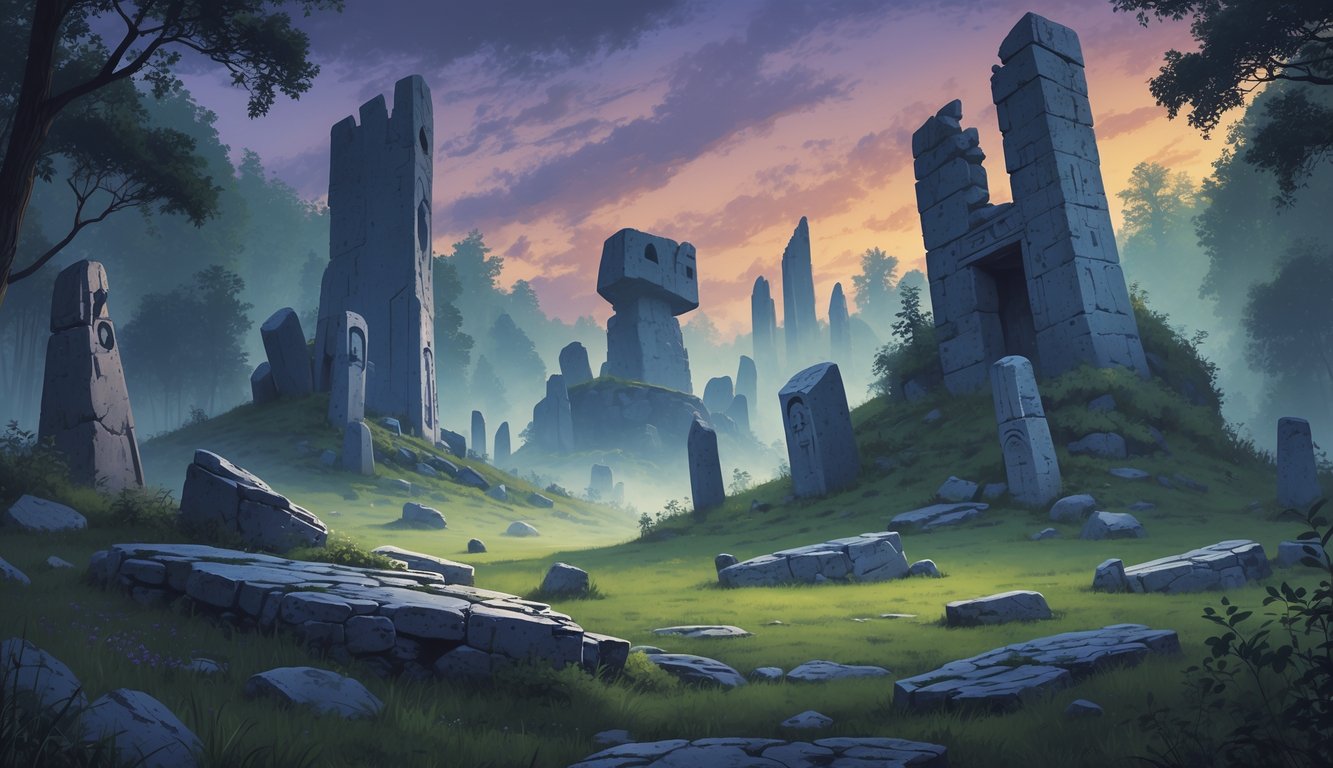
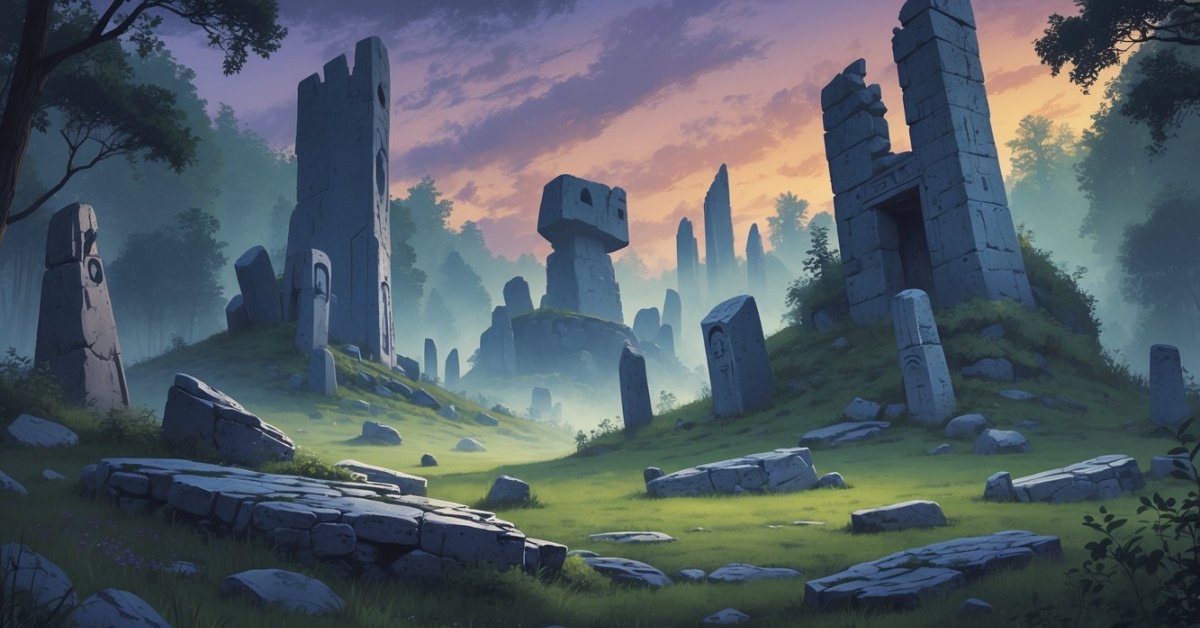
Some of the most puzzling historic sites in Poland are ancient stone circles and massive megaliths. These places stand in quiet forests or empty fields and attract both archaeologists and curious travelers.
Mysterious Stone Circles
Poland has several ancient stone circles, with the most famous at Odry and Węsiory in the north. Large stones form wide rings at these sites.
Farmers and archaeologists have discovered these circles over the past century. Many of the circles date back about 2,000 years.
Experts often link them to the Goths or other ancient tribes. Archaeologists have found burial mounds and cremation sites inside and around the circles.
Visitors can walk among the stones and imagine how people used them long ago. Some believe the circles were places for ceremonies or gatherings, while others think they marked burial sites.
To learn more about these locations, see this list of unusual architecture in Poland.
Purpose of Megalithic Sites
The purpose of megalithic monuments in Poland is still debated. Many experts think the stone circles were not just graves but also had ritual meaning.
The exact reasons remain unclear because there is little written history from that time. Some theories suggest that stones lined up with sunsets or moon rises, making them astronomical calendars.
Others believe the circles served as spiritual centers or marked tribal boundaries. Archaeological digs keep turning up new clues.
These sites remain top destinations for those looking to explore mysterious places in Poland.
Legends of Adolf Hitler’s Presence
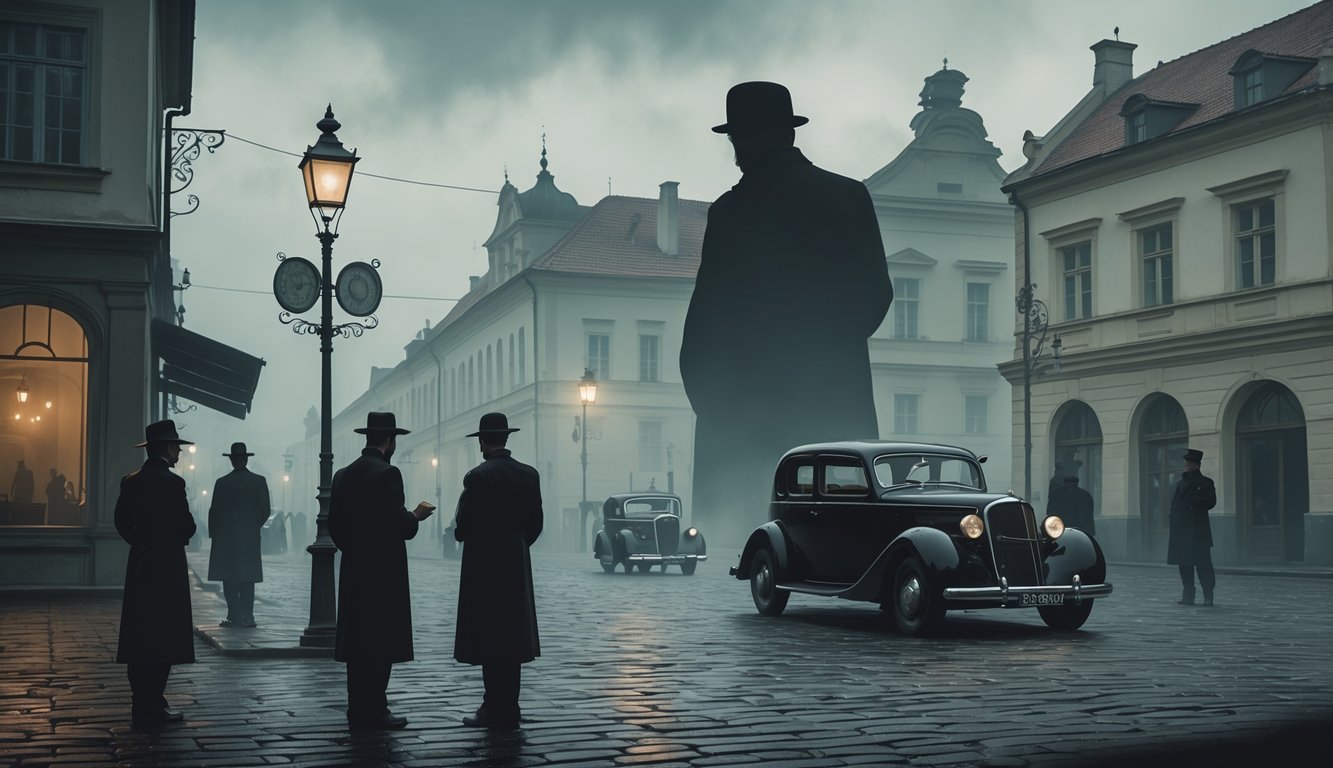
Stories tying Adolf Hitler to locations in Poland during World War II still circulate today. These mysteries often focus on hidden Nazi structures and the search for missing treasures from the war years.
Rumors of Secret Bunkers
Poland has many underground tunnels and bunkers built during World War II. The most famous is the Riese Complex in the Owl Mountains.
This massive network of tunnels and halls was built by Nazi Germany, possibly for secret military use. Locals and historians have wondered if Adolf Hitler ever visited these sites or if they were meant as hideouts for Nazi leaders.
Some believe the unfinished underground city was meant to protect Hitler from bombing raids or to house secret weapons programs. Explorers sometimes find new rooms and tunnels, but no clear proof exists that Hitler stayed in the Riese Complex.
These rumors continue to spark interest and investigation. The site remains a focus for war history enthusiasts.
Read more about these Nazi mysteries.
Hunt for Lost Nazi Artefacts
Another mystery involves the hunt for priceless items lost during the Nazi occupation. The Nazis took large amounts of art, gold, and valuable objects from museums, churches, and private homes.
Local legends claim that some treasures were hidden in secret locations across Poland, possibly inside bunkers or underground tunnels. Several searches have focused on the famous “Amber Room” and trainloads of gold believed hidden by the Nazis before the war ended.
Many expeditions have tried to find these items, but no one has recovered significant artefacts linked directly to Adolf Hitler. The mystery of the lost Nazi treasures continues to capture imaginations.
For further reading about these war-era mysteries, see Nazi mysteries you might not have heard before.
Remarkable Workmanship in Historical Finds
Finds in Poland show that the past was filled with skilled labor and unexpected materials. These objects reveal how ancient people solved problems and created lasting artifacts.
Mystifying Craftsmanship Techniques
Many discoveries in Poland surprise archaeologists with their fine workmanship. Iron Age jewelry found in the Wielbark and Przeworsk cultures displays intricate metalwork.
Techniques such as filigree, granulation, and casting appear on brooches and rings. These pieces suggest specialized tools and workshops.
The symmetry and decoration hint at skilled metalworkers who trained for years. Archaeologists also find wooden and stone tools with precise carvings.
Ancient wooden wells have tightly fitted planks. Their craftsmanship has survived for centuries underground, showing attention to detail and knowledge of materials.
Key facts:
- Item types: Metal jewelry, stone tools, carved wood
- Skills used: Filigree, carving, casting, joinery
Origins of Uncommon Materials
The source of many materials from ancient Polish finds remains unknown. Copper and amber used in necklaces came from places far from the discovery sites.
Analysis shows that amber in some graves most likely came from the Baltic coast. Copper may have traveled even greater distances.
Some artifacts include glass beads or exotic stones from regions outside Poland. This suggests that trade networks reached much farther than historians once thought.
Tracking these sources helps archaeologists map old trade routes and cultural exchanges.
A summary table:
| Material | Likely Origin | Use |
|---|---|---|
| Amber | Baltic Sea region | Jewelry |
| Copper | Carpathian Mountains, distant mines | Carvings, ornaments |
| Glass beads | Mediterranean, Middle East | Necklaces |
For more details on rare materials in major finds, see the list of rare archaeological discoveries.