Many people might not know that Eritrea, on the edge of the Red Sea in the Horn of Africa, is home to ancient secrets and unsolved puzzles.
The biggest historical mysteries in Eritrea include hidden treasures in its old monasteries and the remains of ancient humans that date back over 1 million years. These mysteries shape how people understand the country’s past and its role in early human history.
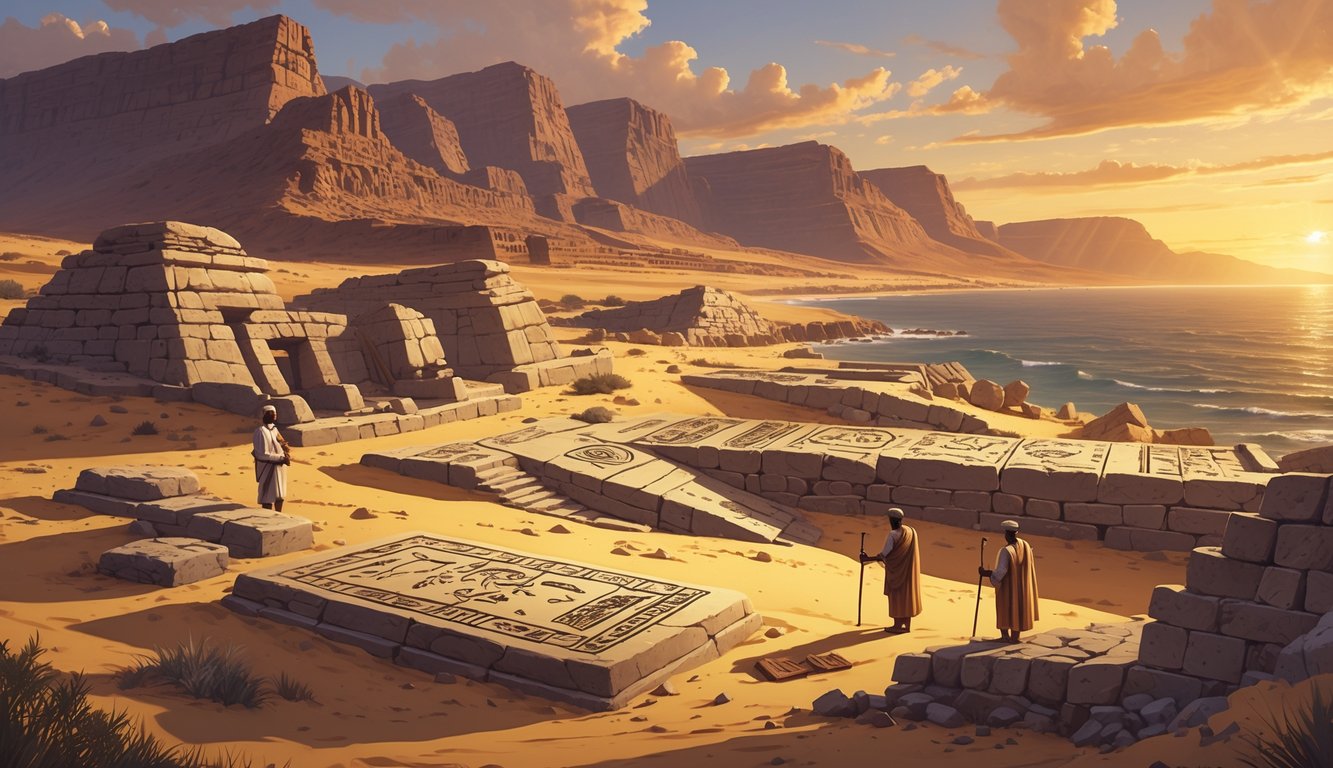
Archaeologists have found ancient skeletons in Eritrea that suggest it was once home to some of the earliest humans. These discoveries raise questions about how early people lived and traveled in this part of Africa.
There are also tales of lost kingdoms and relics from times when empires thrived along the Red Sea coast. Old monasteries built by early Christian communities are some of Eritrea’s most fascinating historical sites.
From unmarked tombs to hidden artwork, the country keeps many of its mysteries tucked away. Curious minds continue to explore them.
To learn more about these intriguing stories, read about Eritrea’s hidden treasures at the Eritrea Ministry Of Information and the ancient kingdoms and discoveries found across its land.
The Unsolved Origins of Eritrea’s Ancient Civilizations
Eritrea’s past is filled with unanswered questions about how its early societies formed and who first settled there. The region’s history goes back thousands of years, touching on prehistoric discoveries, the Aksumite Empire’s influence, and long-distance commerce across the Horn of Africa.
Prehistoric Discoveries and Early Inhabitants
Archaeologists have found stone tools, pottery, and cave paintings dating back to about 100,000 years ago in Eritrea. These findings show that humans have lived in the region since the Stone Age.
Excavations in sites like Adulis reveal evidence of ancient settlements. The daily lives and identities of these early people largely remain a mystery.
Researchers debate where the first settlers came from, what languages they spoke, and how they survived harsh climates. Archaeological work in Eritrea started late due to years of conflict.
This delay has left many gaps in knowledge. Experts are still piecing together the timeline of Eritrea’s ancient history.
The Role of the Aksumite Empire in Eritrea
The Aksumite Empire was a powerful state from about 100 CE to 900 CE that controlled much of the Horn of Africa. Parts of Eritrea, such as Adulis, were key Aksumite ports.
Gold coins, Greek inscriptions, and ruined temples show how deeply Eritrea was tied to Aksum. Unsolved questions remain about how much of ancient Eritrea was ruled from Aksum and how local cultures blended.
Some ruins and burial sites in the region do not match typical Aksumite styles. Experts wonder if smaller states or unique local groups existed alongside the empire.
The fate of Adulis, once a major port city, is also a puzzle. Its sudden decline leaves researchers searching for answers.
Mysteries of Ancient Trade Routes
Eritrea’s coastline and Red Sea ports made it a hub for traders crossing between Africa, Arabia, and beyond. Evidence found in the region includes Roman goods, Indian beads, and glassware from the Middle East.
Historians do not know all the trade routes that passed through Eritrea or how these routes shaped its ancient societies. Lists of traded items and old shipwrecks have been found, but many records are missing.
Debate continues about the rise and fall of these trade pathways and why certain cities vanished. The full picture remains an historical mystery.
Lost Kingdoms and Forgotten Realms
Eritrea’s early history features the rise and disappearance of powerful kingdoms. The kingdom of Medri Bahri stands out for its mystery, its leadership, and its influence on the politics of Northeast Africa.
The Enigma of the Kingdom of Medri Bahri
The kingdom of Medri Bahri covered much of present-day Eritrea. It began to form around the 14th century and lasted until the late 19th century.
Some legends connect Medri Bahri to ancient roots, but its true origin is still debated by historians. Archaeologists and scholars are still trying to understand how it grew and adapted over the centuries.
Many details about its rulers, daily life, and even its fall are unclear. The few writings and relics found suggest Medri Bahri had unique customs and government structures.
Tombs, old churches, and ruins are key remains that hint at a kingdom once strong and organized. The name Medri Bahri means “Land by the Sea,” reflecting its location near the Red Sea coast.
Some believe its people traded and interacted with kingdoms far beyond Eritrea, but the evidence is limited. This mix of facts and unknowns keeps researchers interested in Medri Bahri’s story.
Medri Bahri’s Influence on Regional Politics
Medri Bahri often stood between powerful neighbors such as the Ethiopian empires and the Ottoman Turks. Its leaders balanced diplomacy and force to protect the kingdom’s borders and independence.
Records from the era and old maps show shifting territories. The kingdom’s rulers built alliances through marriages and treaties with nearby states.
Sometimes, they resisted invasions. Other times, they worked with outside forces to their advantage.
Political factors that marked Medri Bahri’s role:
- Trade routes passing through its land connected Africa’s interior to the coast.
- Rulers took on titles like “Bahri Negash,” meaning “Ruler of the Sea,” to emphasize their authority.
- The kingdom acted as a buffer, blocking more powerful empires from gaining full control of the region.
Medri Bahri played a key role in shaping the balance of power in the Horn of Africa. Modern studies of the ancient kingdoms of Eritrea continue to uncover new details about Medri Bahri’s political strategies and legacy.
The Puzzle of Eritrea’s Strategic Location
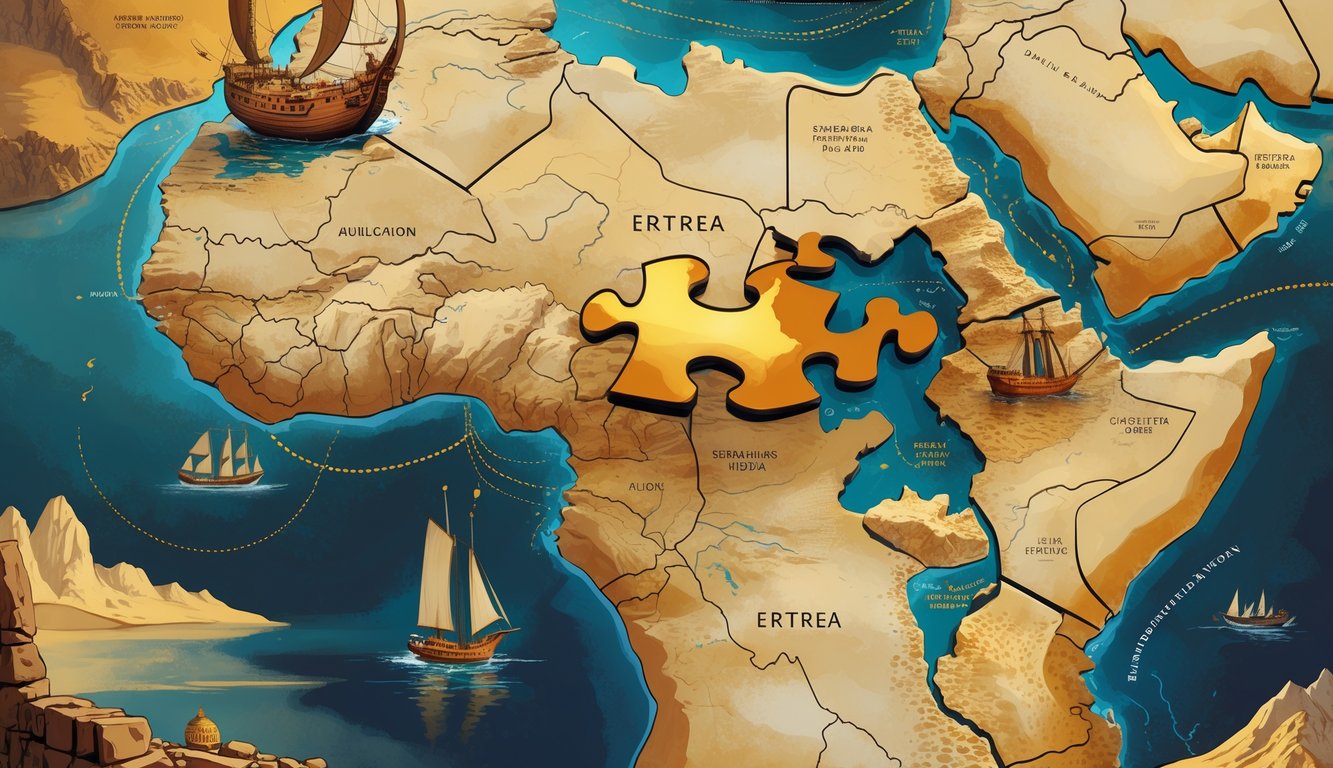
Eritrea’s geography has shaped its past in major ways. The country’s spot along the Red Sea and at a crossroads between Africa and the Middle East has made it valuable—a prize and a battleground—throughout history.
Coastal Areas and the Red Sea Corridor
Eritrea’s coastline stretches over 1,000 kilometers along the Red Sea. Its ports, including Massawa and Assab, have long been key entry points for trade and military fleets.
These harbors once allowed goods from Africa to flow to the Middle East and vice versa. Control over these coastal areas brought both wealth and danger.
Foreign powers, such as the Ottoman Empire and later European colonizers, saw Eritrea’s coast as a vital place to control Red Sea shipping lanes. The entrance to the Bab el-Mandeb strait—a narrow waterway near Eritrea—is especially important today for global shipping and oil transport.
Competition for these strategic spots has led to both development and conflict. Nations with access to the Red Sea can influence trade traveling between Europe and Asia.
Eritrea’s ports remain highly sought after for their potential in connecting continents and economies, as noted in this Eritrean geopolitical overview.
Historical Crossroads for Traders and Invaders
Eritrea’s location has made it a meeting point for many cultures and armies. In ancient times, kingdoms like Aksum rose in this region, becoming major players in trade networks that stretched to Arabia, India, and the Mediterranean.
Invaders, from the Ottomans to Italians, fought for control of Eritrea because of its unique position. These powers tried to build their own empires using Eritrea’s coast as a gateway.
The blending of African, Middle Eastern, and European presence can still be seen in Eritrea’s cities, languages, and even its architecture. Stories and artifacts from many different places have passed through Eritrea.
Its position ensured that the country was never isolated, always part of bigger forces shaping the Horn of Africa, as described in Eritrea: a Nation Forged Through Struggle.
Asmara: Architecture and Shadows of the Past
Asmara is well known for its unique city layout and modernist buildings. Its streets and landmarks also hold untold stories connected to the history of Eritrea.
Origins of Asmara’s Urban Design
Asmara began to change significantly during the Italian colonial period from 1890 to 1941. The Italians used the city as a blank canvas, bringing in architects who designed hundreds of Art Deco, Futurist, and Rationalist structures.
Many of these buildings, such as cinemas, churches, and cafes, still stand today. They show the influence of Italian architecture and planning.
Asmara’s city center, sometimes called Piccolo Roma (Little Rome), contains about four square kilometers of protected historic areas. Key features in the urban plan include wide boulevards, tree-lined avenues, and public squares.
Modernist landmarks like the Fiat Tagliero service station and Cinema Impero make Asmara one of the most visually striking cities in Africa. The layout also reflects a time when the city was meant to resemble a European capital in the Horn of Africa.
You can read more about its urban design at the Ministry of Information’s website on Asmara’s architectural treasures.
Hidden Stories Behind Cultural Heritage Sites
Behind every old building in Asmara, there are stories of colonization, resilience, and daily life in the history of Eritrea. Many sites were built by Italians, but they have since become symbols of local identity and pride.
People have adapted and used these spaces over time. Some buildings also serve as reminders of dark times.
For example, structures tied to the Italian Fascist period force residents and visitors to face the city’s complicated past. Many homes, schools, and public buildings are still used as they were intended, while others have different roles today.
Preservation efforts protect not only the look of these sites, but also the memories and cultural ties linked to them. These landmarks act as silent witnesses to decades of Eritrea’s story.
They connect today’s residents to moments of struggle and celebration. To understand more, Culture Road shares details about Asmara’s wondrous architecture and heritage.
Religious Mysteries and Sacred Traditions
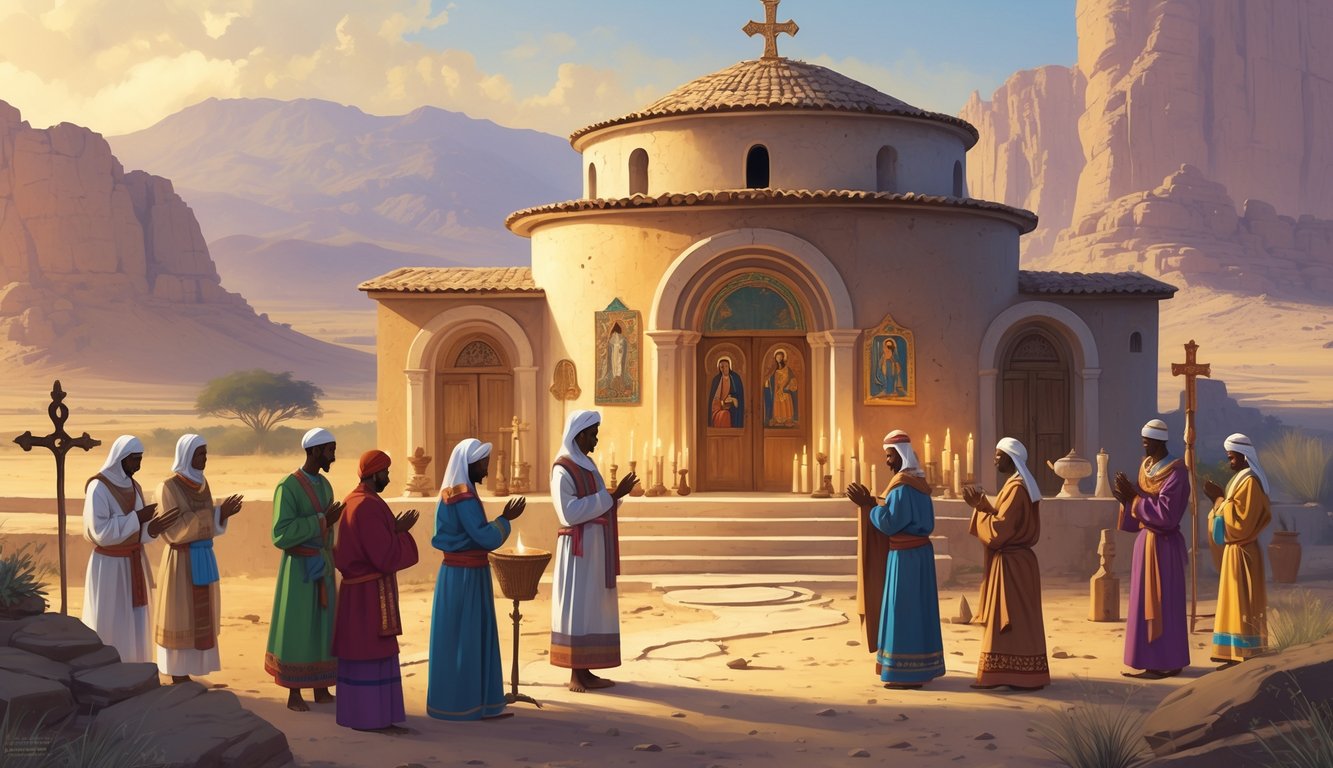
Eritrea’s religious history holds many secrets tied to ancient beliefs, lost texts, and sacred practices. These mysteries reach back to the earliest days of Christianity and stretch across centuries of cultural change and tradition.
Early Christianity’s Arrival in Eritrea
Christianity took root in Eritrea around the 4th century. The story of how the faith reached the region is not well-known and contains many unanswered questions.
Historians believe Christian missionaries may have traveled from Jerusalem or neighboring Ethiopia. Written records from that time are scarce.
Some of the oldest churches in Eritrea, especially those in the highlands, display unique architecture and symbols. These features blend local beliefs with traditional Christian designs.
Archaeological findings point to early Christian communities. However, it is still unclear how these groups organized and worshipped at first.
Ancient manuscripts hint at a vibrant faith life with influences from the Middle East and Africa. These documents sometimes mention connections to Jerusalem, but many details remain lost or undeciphered.
Traditions Passed Down Through Centuries
Religious traditions in Eritrea have passed down through stories, songs, and rituals. Major Christian holidays, such as Timket and Meskel, are celebrated with unique customs.
People gather at ancient churches wearing traditional clothing for these festivals. Incense, processions, and old hymns play important roles in these sacred days.
Some practices are as old as the earliest Christian communities and have changed little over time. Eritrean religious traditions also show regional influences and contacts with traders and travelers.
Aspects of Jewish and Islamic practices appear in certain rituals, adding more layers to the country’s faith. These customs help connect people to their shared past.
Italian Occupation and Unresolved Historical Questions
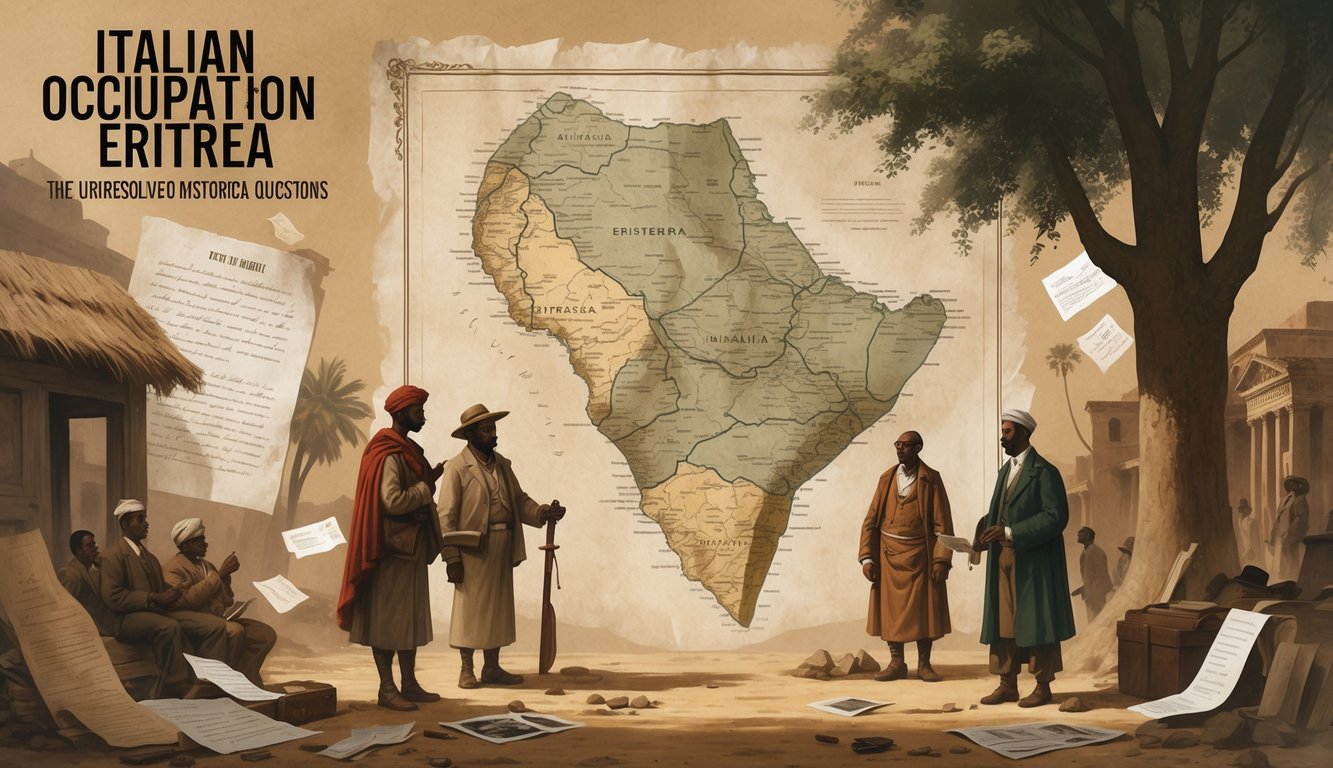
The Italian occupation of Eritrea left a deep mark on the country’s identity and landscape. Many details about how this period shaped Asmara and Eritrea’s broader history are still debated today.
Legacy of Italian Rule
Italy colonized Eritrea from the late 1800s until World War II. During this time, Italians built roads, railways, and government buildings.
These projects changed daily life and set up modern infrastructure. Many questions remain about the true effects of these changes.
Some Eritreans say the occupation helped modernize parts of the country. Others remember harsh colonial policies, forced labor, and lack of freedom.
Many records from that time are missing or hard to access, making it difficult to fully understand what happened.
Unresolved questions include:
- How much did Eritreans benefit from the new infrastructure?
- What impact did forced labor have on families?
- Why are detailed archives from this period hard to find?
Urban and Cultural Transformations
Under Italian rule, Asmara became known as “Little Rome.” The city features art deco buildings, wide boulevards, and grand cinemas built by Italian architects.
Asmara’s unique look draws visitors and fascinates historians. Italian policies often pushed Eritreans to the city’s edges and limited their access to new resources.
Cultural life was also controlled. Italian became the main language in schools and government.
Local traditions and languages sometimes lost ground. Today, people debate the lasting influence of these transformations.
- Did urban planning help or harm local communities?
- What cultural habits survived?
- How did city life change for everyday people?
Independence and Modern Historical Mysteries
After Eritrea achieved independence in 1991, many questions about its past and present remain. These mysteries include how the nation dealt with new challenges and how Eritreans shape their identity in a changing region.
Unanswered Questions Post-Independence
Eritrea became an independent nation after a long struggle against Ethiopia. The Eritrean War of Independence lasted for almost thirty years and left deep scars on society.
Even today, details about key events during the final years of the war are not fully explained to the public. Some records remain unshared and many witnesses have not told their stories.
Historians still debate how some major decisions were made during the push for independence. The role of outside support and the full extent of internal disagreements within the liberation movement are not always clear.
Questions about peace negotiations and how borders were drawn are also important but sometimes difficult to answer. Some families are still searching for information about missing loved ones from the conflict.
There are reports of secret negotiations and untold events from the transition years after 1991. These mysteries continue to shape how people view Eritrea’s history of independence.
Struggles Over National Identity
Eritrea’s road after independence has not always been smooth. The country decided to focus on self-reliance and rejected many forms of foreign aid.
Debates over national language, religion, and culture are frequent, as Eritrea is home to many different ethnic groups. Some Eritreans feel a strong sense of unity built through their shared liberation struggle.
Others face challenges with accepting a single national identity, especially as the government shapes a specific idea of what it means to be Eritrean. Disagreements continue over the recognition of different groups and their roles in the country’s modern history.
National service and government policy also play a part in identity debates. Young people asking for change sometimes clash with older generations who hold on to wartime values.
The question of how culture, memory, and diversity fit into Eritrea’s modern identity remains a key issue in daily life.
Fascinating Enigmas of Keren and Surrounding Regions
The town of Keren in Eritrea offers a mix of cultural twists and historical puzzles. Its past is shaped by waves of migration, trade, and unique local stories.
Origins and Local Lore
Keren’s origins are filled with legends that mix fact and folklore. The area became more important when Italians arrived, but long before then, it was known as a crossroads for different groups.
People from the Middle East, such as Arabs, Jews, Greeks, and Armenians, also moved to the city. Their presence influenced Keren’s identity in many ways.
This multicultural blend has led to a variety of traditions and mysteries about how the city developed over time. Local stories talk about tunnels, hidden spots, and old buildings whose origins are not always clear.
Some say that secret paths connect the market to nearby hills, though no one agrees how or when these were built. Old cemeteries and untouched sites continue to raise questions about who lived in Keren in the distant past.
The mix of real history and folklore creates an atmosphere where even everyday places may hold centuries-old secrets. For more about these traditions and the community’s colorful past, see this overview of Keren’s fascinating history.
Cultural Heritage Uncovered
Keren is known for its vibrant markets and religious sites that highlight its diverse cultural heritage. Churches, mosques, and a synagogue all stand close together, showing how different groups have lived side by side.
Families still follow traditional crafts, foods, and ceremonies passed down for generations. Many historic sites in the town are entry points for exploring deeper mysteries.
Traditional wedding parades, unique architectural designs, and lively festivals all point to Keren’s long legacy of cultural blending. Even the city’s layout, with its winding streets and mix of old and new buildings, offers clues about its past.
The combination of present-day traditions with unexplored sites makes Keren a true hidden gem for those interested in Eritrea’s unique blend of cultures, as noted in Discovering Keren: The Hidden Gem of Eritrea.
Global Connections and Unexpected Influences
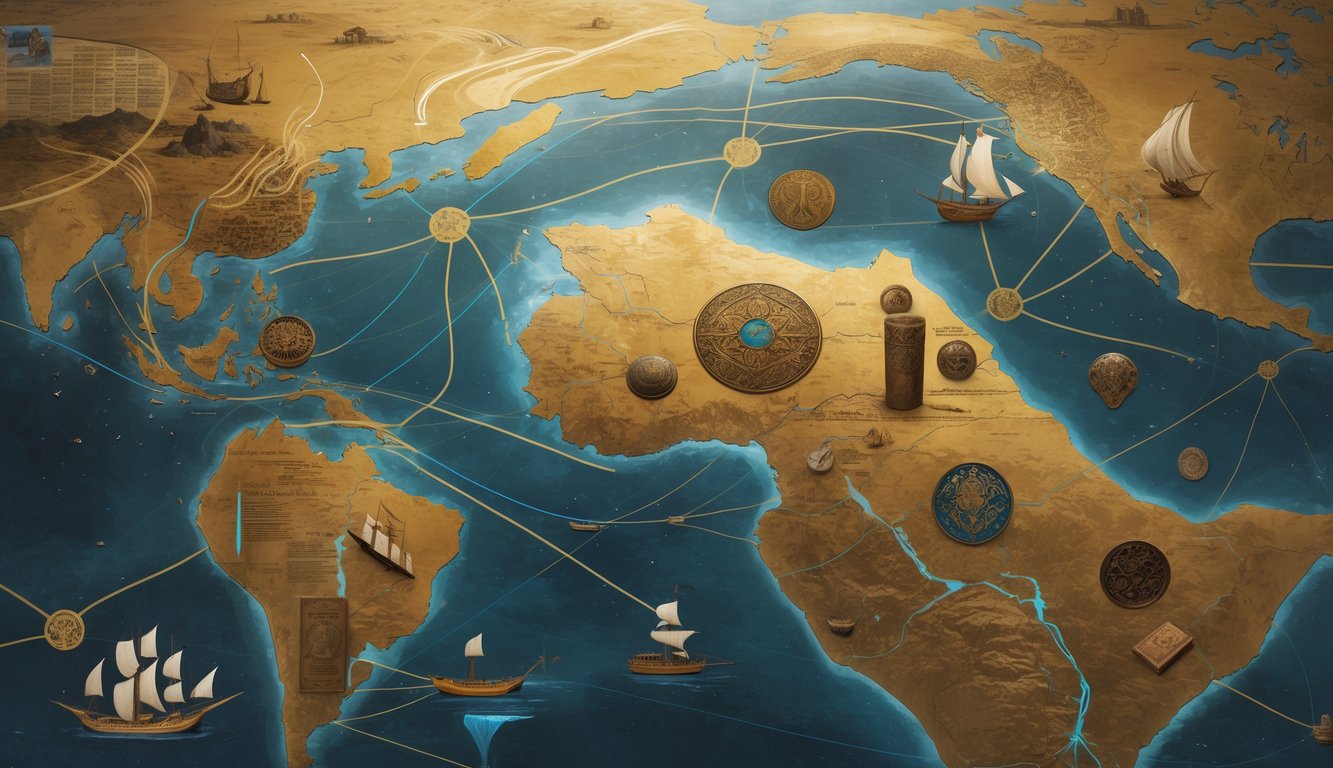
Eritrea’s history has been shaped by its interactions with distant places and surprising cultural ties. Some of the most fascinating mysteries involve stories that link Eritrea to global centers of religion and far-reaching legends that cross continents.
Links Between Eritrea and Jerusalem
Stories and traditions in Eritrea suggest historical and religious connections to Jerusalem. Some Eritrean Christian communities follow ancient rituals believed to have roots in early Christianity from the Holy Land.
This includes unique religious practices and church architecture influenced by styles found in Jerusalem. Pilgrimage is an important part of Eritrean faith life.
Many visit holy sites, and legends say that early travelers carried messages and practices back from Jerusalem. Relics, manuscripts, and old beliefs show evidence of this shared religious heritage.
The connection even appears in language, art, and music. Scholars still debate how deep these links go, but the cultural impact is clear.
Some traditions practiced in Eritrea today can be traced back to old Jerusalem-based customs. These cross-cultural connections add a special layer to Eritrea’s story and identity.
Genghis Khan and Far-Flung Legends
Another interesting story is the legend that the Mongol Empire, led by Genghis Khan, may have influenced faraway places, including Eritrea. There is no solid proof of a direct encounter between Genghis Khan’s armies and Eritrea.
However, old tales and folklore sometimes mention Mongol visitors or warriors passing through Northeast Africa. Some believe these stories grew from the fear and awe inspired by the Mongols across Asia.
As news of their conquests spread, traders along the Red Sea, including those in Eritrea, might have heard tales of the empire stretching farther than it really did. This led to legends mixing real events with imagination.
Historians point out that the physical presence of Genghis Khan in Eritrea is doubtful. However, the sharing of stories, myths, and worries about invasions show how news traveled great distances.
It reminds readers how powerful legends can influence history, even in places far beyond their origins.
The Human Evolution Story in Eritrea
Eritrea is one of the key locations in the Horn of Africa for understanding early human history. Fossils and archaeological evidence from Eritrea offer important clues about human evolution and early migrations out of Africa.
Significant Fossil Finds
Eritrea is well known for ancient hominin fossils found at sites such as Buya in the Northern Red Sea region. At Buya, researchers discovered a fossil that belongs to the species Homo erectus.
This early human lived in the area over a million years ago. The Buya fossil is one of the oldest known human fossils in East Africa.
Other discoveries in Eritrea include Middle Stone Age tools and ancient animal remains. These finds help show how early humans adapted to different environments.
Stone tools and fossils dating back hundreds of thousands of years provide direct evidence of continuous human presence and survival strategies. The region’s geology makes it easier to find and date these important discoveries.
These discoveries deepen our understanding of how humans developed in Africa’s ancient history. The evidence shows that Eritrea played a big role in human evolution, not just locally, but for all of humankind.
Eritrea’s Place in Human Migration
Eritrea’s location along the Red Sea has made it a vital route for early human migrations. Archaeological and genetic research suggests that modern humans left Africa through this area.
People may have used the Bab-el-Mandeb strait to cross to Arabia. For over 125,000 years, people have lived along Eritrea’s coast.
Artifacts found in reef terraces along the coast show that humans were present there during the last interglacial period, about 125,000 years ago. This evidence links Eritrea to important phases of human dispersal.
Scientists see Eritrea as a crossroads in the history of our species. The region connects ancient Africa to the wider world and helps explain how populations spread across continents.