The Dominican Republic is full of secrets from the past. Ancient people, lost settlements, and mysterious legends shape the island’s identity.
Some mysteries, like the forgotten pre-Arawak people and unexplained artifacts, still puzzle historians today.
Visitors can explore hidden archaeological sites. Locals share stories passed down for generations.
Uncovering these mysteries helps everyone understand the country’s unique culture. Each discovery brings new questions.
If you want to know about strange events and unsolved puzzles, this island offers plenty to explore. Dive into these mysteries and see a side of the Dominican Republic many people miss.
Unraveling the Lost Taíno Civilization
The Taíno were the first inhabitants of the Dominican Republic and much of the Caribbean. Their origins, settlements, and rich art still puzzle historians and archaeologists.
Origins of the Taíno People
The Taíno people lived in the Dominican Republic, Cuba, Puerto Rico, and Jamaica before Europeans arrived. They belonged to the larger Arawak family, who traveled north from South America thousands of years ago.
The Taíno settled in Hispaniola, now shared by the Dominican Republic and Haiti. They built villages, fished along the coasts, and grew crops like cassava and sweet potatoes.
Researchers from Harvard University and Indiana University have traced the movements of the Taíno across the Caribbean. Most agree that the Taíno arrived by boat and spread throughout the islands long before Columbus reached Hispaniola in 1492.
To learn more about their early history, visit this guide on Taíno in Dominican Republic.
Enigmatic Taíno Sites and Stone Tools
Many Taíno archaeological sites are scattered across the Dominican Republic. These include caves, ancient villages, and ceremonial plazas.
Archaeologists have found hundreds of stone tools, which give clues about Taíno life. Common tools include axes, scrapers, and grinding stones.
Some tools were used for daily life, while others had religious or symbolic meanings. Excavations have also uncovered pottery and bones, helping experts date when and how the Taíno lived.
Several important sites in the Dominican Republic have been explored. New discoveries happen each year.
If you want to see what has been uncovered, visit this page on Taíno archaeological excavations.
Petroglyphs and Symbolic Artifacts
Taíno petroglyphs, or rock carvings, are some of the most fascinating remains. You can find them in limestone caves and along riverbanks.
Many petroglyphs show faces, animals, or strange symbols. Some researchers think these carvings are linked to Taíno myths and religious beliefs.
Caves like Pomier contain hundreds of these ancient images. Other symbolic artifacts, such as stone collars and three-pointed stones called “zemís,” have also been found.
The Taíno used these objects in ceremonies to honor gods, ask for good harvests, and mark important events. To discover more about their art and meaning, visit this overview of Taíno legacy, culture, and heritage.
The Founding and Secrets of Santo Domingo
Santo Domingo is one of the oldest cities in the Americas and a UNESCO World Heritage Site. Its long history is filled with unanswered questions about its city design and underground features.
Mysterious Early Urban Layout
Don Bartolomé Columbus founded Santo Domingo on the Ozama River’s west bank in the late 15th century. Historians are still unsure of the exact founding year, but most believe it happened between 1496 and 1498.
The city’s plans included wide, grid-like streets, which was unusual compared to European cities at the time. No one knows exactly why the founders chose such a modern-looking design.
Some believe it helped with defense, while others say it made trade and movement easier. Key landmarks like the Alcázar de Colón and the Catedral Primada de América were placed deliberately within this layout.
The design later influenced colonial cities across the Americas, but its original purpose remains uncertain. For more on the founding of Santo Domingo and its historical impact, see this resource.
Unexplained Underground Tunnels
Explorers have found a network of underground tunnels beneath Santo Domingo’s Colonial Zone. Their age and purpose still puzzle experts.
Some tunnels connect important sites, like Fortaleza Ozama, to outlying areas. These could have served as escape routes or secret pathways for soldiers and officials.
Residents share stories about hidden rooms and passages below the city’s oldest buildings. Few maps or records confirm their full extent.
Researchers continue to study these tunnels, hoping to discover why they were built and how they shaped the history of Santo Domingo.
The Disappearance of the Samaná Peninsula People
The Samaná Peninsula has puzzled experts for years because of its ancient communities. The story of its earliest inhabitants, possibly predating the Taíno, reveals gaps in the island’s history.
Sudden Vanishing of Inhabitants
Archaeologists discovered that the Samaná Peninsula was one of the first areas in the Antilles settled by humans. These ancient people, sometimes called the “Samanese,” appeared nearly 5,500 years ago.
They made a home along the shores, leaving behind tools and pottery as clues to their daily lives. Over time, these early inhabitants seemed to disappear with little explanation.
Unlike the Taíno, who were seen by Spanish colonists in the 15th century, the earlier groups left almost no clear trace. Evidence from the Cabo Natural Monument dig confirmed their early arrival but also deepened the mystery of why they vanished.
Historians note that there are no strong signs of war or disaster leading to the disappearance. The settlements did not seem to be destroyed suddenly, and no graves with evidence of mass trauma were found.
Theories Behind the Disappearance
Several theories try to explain what happened to the Samaná Peninsula’s early people. One idea is that climate changes may have altered food and water supplies.
Shifts in weather could have forced the inhabitants to move or split up in search of better conditions. Another idea is that new arrivals, including the ancestors of the Taíno, may have slowly mixed with or replaced the earlier groups.
The process could have been peaceful, through marriage and exchange, or more abrupt if resources were limited. Some scholars mention the spread of diseases brought by new settlers as a reason for the decline.
Even small population movements in ancient times could introduce new illnesses. Other researchers look at migration patterns across the Caribbean, suggesting these people may have moved elsewhere, blending into other island groups.
Archaeological evidence remains limited. Many questions are still unanswered about these early settlers and how they shaped the wider history of the Dominican Republic.
Hidden Mysteries of Colonial Treasures
Christopher Columbus and early Spanish settlers left behind secrets and hidden objects during the colonial era. Many of these mysteries remain unsolved.
The Search for the Lost Cannons
Spanish explorers brought large cannons to defend their settlements. Over time, many of these cannons disappeared from forts and shipwrecks along the coast.
Treasure hunters and historians still look for these missing pieces today. Some believe that these lost cannons could give clues about old battles, trade, and the life of settlers.
A few cannons have been found, but most are still hidden. The search continues near Santo Domingo’s forts and old harbor.
People hope that finding these lost cannons will help solve colonial mysteries in the Dominican Republic.
Colonial Era Artifacts and Looting
The Dominican Republic is filled with artifacts from the time of Columbus and the Spanish colonists. Items like coins, pottery, weapons, and jewelry hide in old colonial buildings, sunken ships, and underground tombs.
Looting has been a big problem. Many valuable objects have been taken or sold illegally, making it harder for historians to study this important time.
Looters sometimes destroy the sites where artifacts are found, causing damage that cannot be repaired. Museums and experts work to protect and display the remaining treasures.
Visitors can see collections of colonial artifacts in museums in Santo Domingo or read about these lost treasures here.
The Dominican Restoration War’s Unsolved Puzzles
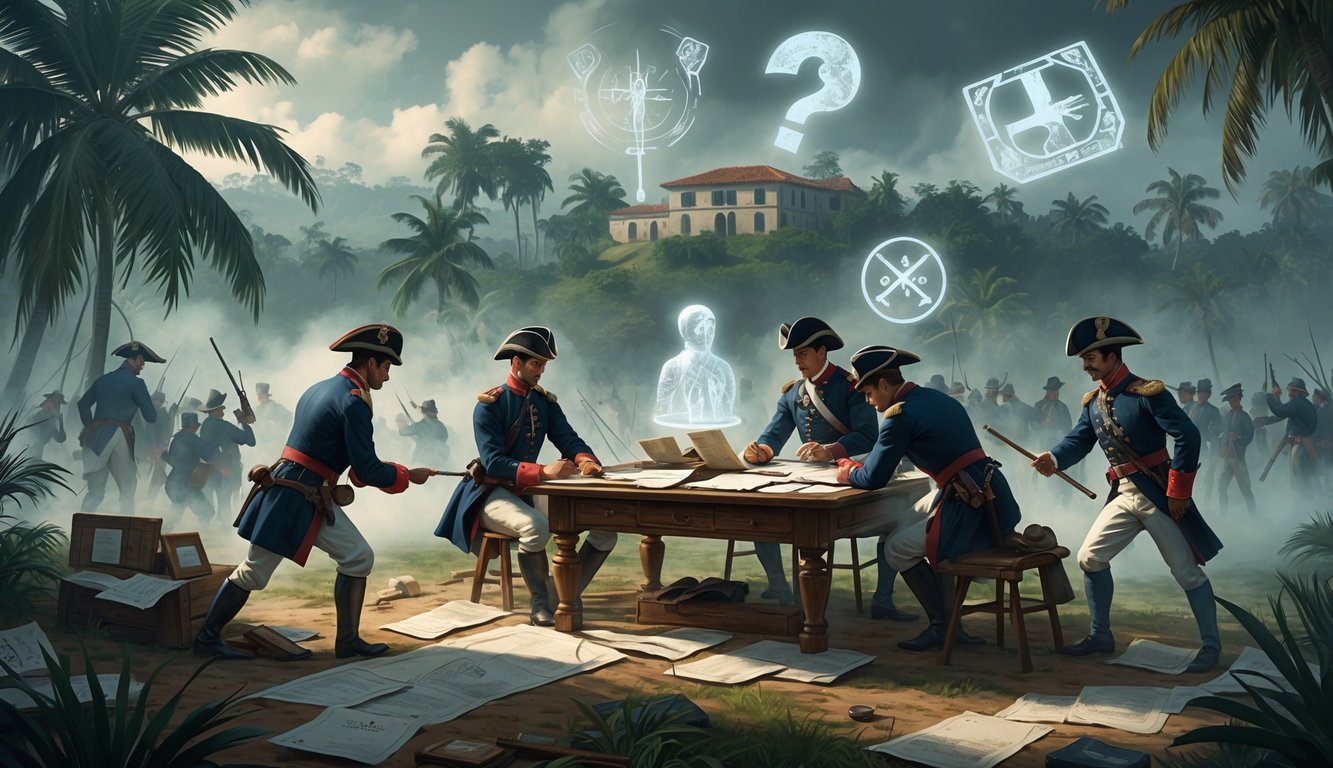
The Dominican Restoration War marked a turning point in the country’s history, leading to its second independence from Spain. Some mysteries from this period remain, leaving historians with unanswered questions about key figures and lost records.
Unknown Fates of Leaders
Many people know about the famous generals who led the fight for Dominican independence, like Gregorio Luperón and Santiago Rodríguez. There were also lesser-known leaders whose ultimate fates are still debated.
Some officers disappeared during battles. Others were last seen heading into Spanish-controlled regions.
Official records did not document the final moments of some freedom fighters. Historians rely on folk stories, family accounts, and scattered journal entries that sometimes contradict each other.
Families in the Dominican Republic still search for answers about their ancestors. The lack of clear records from this time keeps the mystery alive and makes it harder to honor everyone who played a role in the Dominican Restoration War.
Missing Historic Documents
Historians believe that many important documents from the Restoration period disappeared or were destroyed. Some papers vanished during Spanish retreats.
Others may have been hidden on purpose to protect sensitive information about supporters or military plans.
Key documents believed to be missing include:
- Letters between Dominican leaders
- Spanish army communications
- Early drafts of independence proclamations
Researchers have found a few clues in church records and private collections. However, major gaps remain in the written record.
Finding even one missing letter or battle plan could change what is known about the history of the Dominican Republic’s independence.
Natural Disasters that Changed History
Natural disasters have shaped the lives of people in the Dominican Republic for centuries. Storms, earthquakes, and sudden geological changes have affected cities and economies.
These events have even changed the course of history.
The Great Earthquake of Santo Domingo
In 1842, a powerful earthquake struck Santo Domingo on the island of Hispaniola. Many buildings in the old capital collapsed, including churches and government offices.
Hundreds of people died, and the city’s famous stone structures suffered damage beyond repair. For years, families rebuilt using new materials and styles.
Some historians believe the quake helped shape the modern face of the city.
Earthquakes still threaten the region, as the Dominican Republic is located in a seismically active area.
Key effects of the earthquake:
- Loss of infrastructure and historic landmarks
- Increased migration from the capital
- New building codes and construction practices
Hurricanes and Mysterious Sinks
The Dominican Republic faces frequent hurricanes, which often surprise people with their force. In 1998, Hurricane Georges caused massive destruction, bringing over $1 billion in damages and more than 380 deaths.
Thousands of homes flooded or blew away. Entire communities had to start over.
After big hurricanes, residents sometimes discover sinkholes formed when underground water sweeps soil away. These sudden, deep holes add danger after storms.
Some locals tell stories about lost buildings or animals swallowed by these sinks, blending fact with rumor.
Faro a Colón: Mystery of Columbus’s Remains
Faro a Colón in Santo Domingo draws interest for its size and shape. The story of Christopher Columbus’s remains adds to the intrigue.
There are still questions about whether Columbus is really buried inside this mausoleum in the Dominican Republic.
Conflicting Claims and Evidence
The question of where Christopher Columbus’s body rests has led to much debate. Two main places claim to hold his remains: Seville, Spain and the Columbus Lighthouse (Faro a Colón) in Santo Domingo.
Both sites have tombs and records that seem to support their claims.
Researchers have asked Dominican authorities to allow DNA testing of the bones kept in Faro a Colón. So far, the Dominican Republic has not allowed DNA analysis on their collection.
The true resting place of Columbus remains a mystery.
Key Points:
- Spain and the Dominican Republic both claim to have Columbus’s remains.
- DNA comparison has not yet been possible due to lack of access.
- The mystery adds to the allure and controversy of the Lighthouse.
Symbolism of the Lighthouse Monument
The look and meaning of the Faro a Colón go beyond being just a mausoleum. The monument, built in Santo Domingo Este, is shaped like a cross and stretches over 240 meters.
Its powerful searchlights project a cross into the sky at night.
The builders finished it in 1992, marking the 500th anniversary of Columbus’s landing in the Americas. The design and size honor both Columbus’s legacy and the Dominican Republic’s connection to the Age of Discovery.
Many people visit to learn about the country’s past as the “gateway to the New World” and to pay their respects.
Features of the lighthouse:
- Cross-shaped architecture
- Powerful lights projecting skyward
- Memorial plaques from different countries
- Place for international ceremonies and events
Secrets of the Caribbean’s Oldest Structures
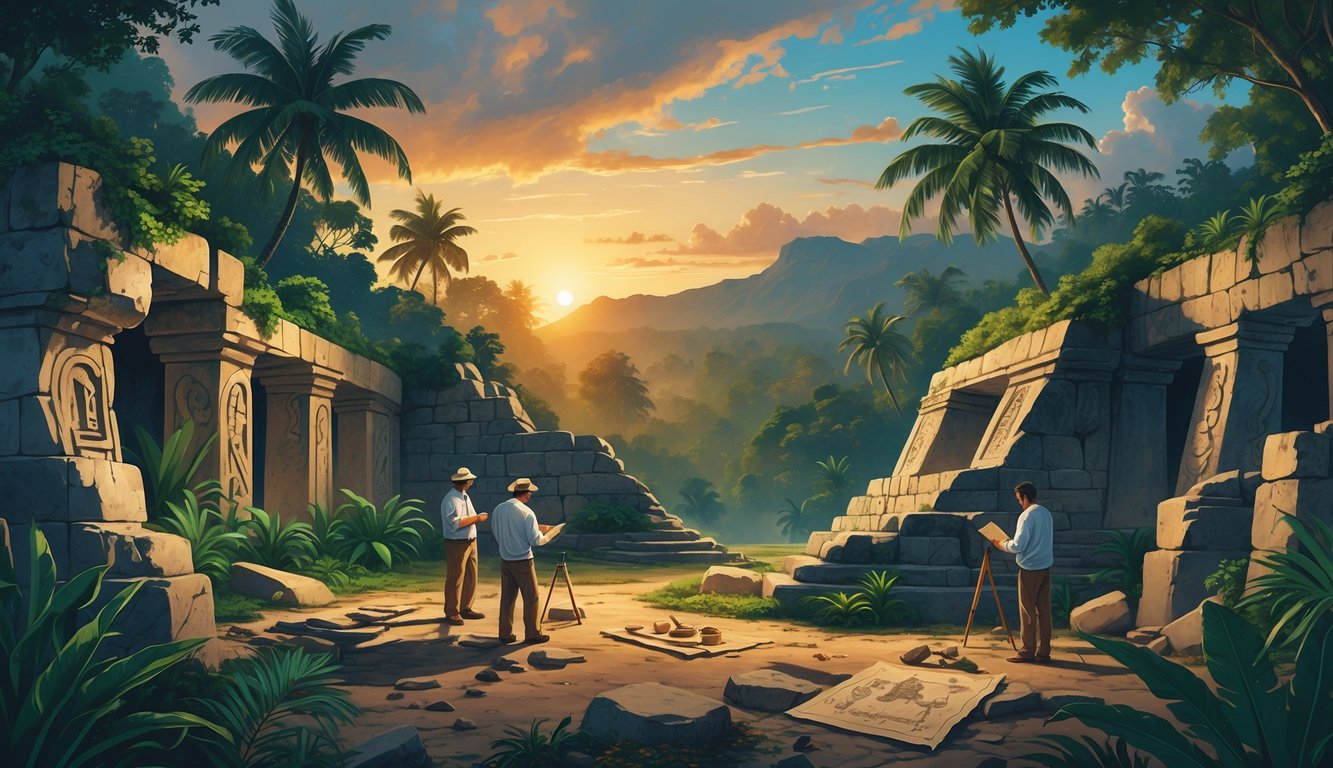
The oldest landmarks in the Dominican Republic tell stories of Spanish colonization and life in the early Americas. These buildings show how people built long-lasting stone structures with basic tools.
They left marks that still draw attention today.
Construction of Fortaleza Ozama
Fortaleza Ozama is one of the oldest military buildings in the Americas and a UNESCO World Heritage Site. The Spanish built it between 1502 and 1508.
This fortress sits at the entrance to the old city in Santo Domingo. Its design combines medieval European and Caribbean influences.
Workers used local limestone and simple, strong construction methods. The thick walls and rounded towers protected against attacks.
Fortaleza Ozama has seen pirates, invaders, and even imprisoned Christopher Columbus. The fortress played a big role in guarding the colonial city for centuries.
Today, visitors see the mix of Spanish architecture and Caribbean history on the fortress walls. Details like slits for cannons and steep stone steps remind people of its defensive purpose.
To explore more about the site’s history and how colonial times shaped the region, check out this article on Fortaleza Ozama.
Unveiling Catedral Primada de América
The Catedral Primada de América is the first cathedral in the Americas. Construction started in 1512 and finished in 1540.
It stands in the heart of the Colonial Zone of Santo Domingo, right by the famous Plaza Mayor.
Builders used coral limestone to create thick, solid walls. Its Gothic and Baroque styles appear in the arched doorways, vaulted ceilings, and carved stone decorations.
Artisans from Spain and the Caribbean worked together to create the cathedral’s unique look.
The building is still used for church services today. Many people visit the Catedral for its art, tombs of early bishops, and as a symbol of early Catholic presence in the New World.
The site is a key part of the UNESCO World Heritage Site listing for the Colonial Zone of Santo Domingo. It is a must-see for anyone interested in early colonial history.
Ancient Legends and Unexplained Phenomena
Many parts of the Dominican Republic are full of mysteries that continue to spark wonder. Strange artifacts and local legends make this region of the Caribbean a place where the past feels magical and unsolved.
Folklore of Enchanted Sites
Hispaniola has long been home to stories about enchanted locations. Locals often talk about the “Ciguapa,” mysterious forest spirits with backward feet.
Sightings are usually linked to dense forests and caves, adding to their riddle.
In some parts of the island, especially near hidden caves or waterfalls, people speak of places where time seems to slow down or visitors get lost. Tales of sudden disappearances, whispered voices, and glowing lights are common in these areas.
Notable locations with these legends include:
- Damajagua Waterfalls
- Los Haitises National Park
- El Pomier Caves archaeological site
These sites are loved for their beauty and their connection to stories passed down for generations. Many visitors report feeling an unusual calm or energy, fueling beliefs that these areas hold supernatural secrets.
Unidentified Artifacts Across Hispaniola
Archaeologists have found strange objects in the Dominican Republic that remain unexplained. Pottery shards and tools sometimes do not match known local cultures.
This raises questions about who made them and why.
For example, carved stones found near La Isabela display symbols not seen elsewhere in the Caribbean. Some artifacts appear to predate the arrival of the Taíno people, the main pre-Columbian group on Hispaniola.
A few discoveries hint at contact with distant groups, but solid proof is lacking. These findings have led historians to wonder if other early cultures may have visited the island, as explored in ancient mysteries that still puzzle historians.
Every new find adds to the mystery. Local archaeological sites attract both scientists and curious visitors searching for clues about past civilizations.
Modern Archaeological Endeavors and Controversies
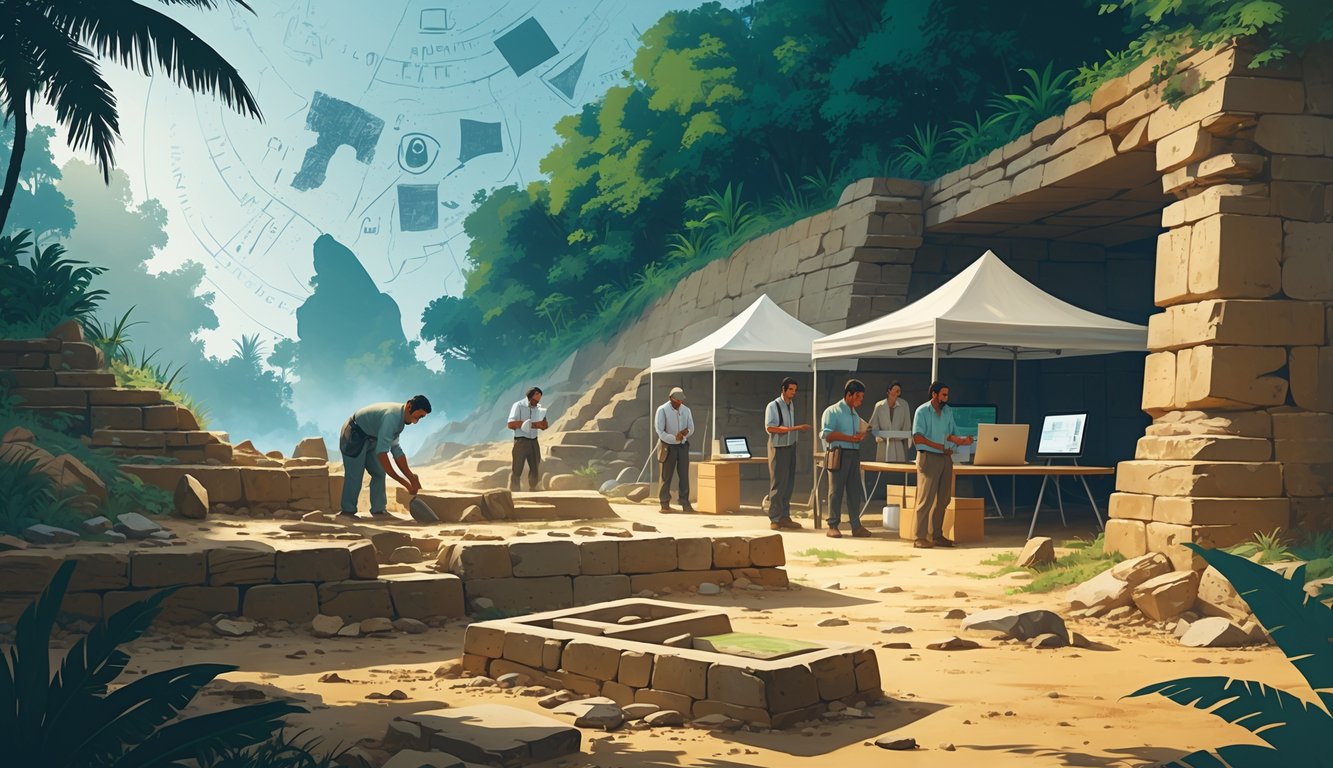
Archaeological work in the Dominican Republic has gained international attention. Teams uncover clues about ancient Caribbean cultures.
However, these projects often face big challenges. Protecting sites and handling ethical debates remain difficult.
International Research Initiatives
Many well-known institutions, including Harvard University and Indiana University, have sent researchers to the Dominican Republic to study its rich history. Their work helps map ancient settlements and understand the movement of Caribbean peoples.
International teams often use modern technology like Lidar and 3D modeling. These tools let them find artifacts without disturbing delicate areas.
This careful study has led to discoveries that challenge old ideas about early Caribbean societies.
Collaborative projects are common. Dominican and foreign scientists work side by side.
They aim to piece together the island’s past in a way that is accurate and respectful of local traditions. Because the Dominican Republic is an important part of Caribbean archaeology, international efforts here are closely watched.
Ethical Challenges and Site Protection
One of the main issues facing archaeologists in the Dominican Republic is looting. People take ancient items from remote archaeological sites and sell them illegally.
This damages sites and erases important clues about past cultures. Protecting historic sites is difficult.
Some sites are close to tourist areas. Others are hidden in forests.
Local communities help guard these places. Limited resources make full-time protection hard.
Visitors and developers sometimes cause harm. They may do this by accident or for profit.
There are also ethical debates about who owns artifacts. Researchers from outside the country may want to study or display relics, but local groups push to keep history within the Dominican Republic.