Dominica, a lush Caribbean island known for its mountains and rainforests, holds more than just natural beauty. The island is filled with old stories and unsolved mysteries that are a big part of its identity.
Dominica’s history includes tales of hidden treasures, pirate secrets, and ancient legends that still have people guessing today.
Some mysteries come from the days when pirates sailed the Caribbean. People search for clues and treasure along the island’s coastlines.
Myths and stories from Dominica’s indigenous cultures add another layer of curiosity and wonder. From secret caves to unexplained landmarks, Dominica is full of puzzles waiting to be uncovered.
If you are interested in legends, myths, or real-life mysteries, Dominica offers a mix of all three. Anyone who loves a good mystery will find the island’s history fascinating, from pirate tales and hidden treasures to ancient cultural secrets passed down through generations.
Unexplained Pre-Colonial Settlements
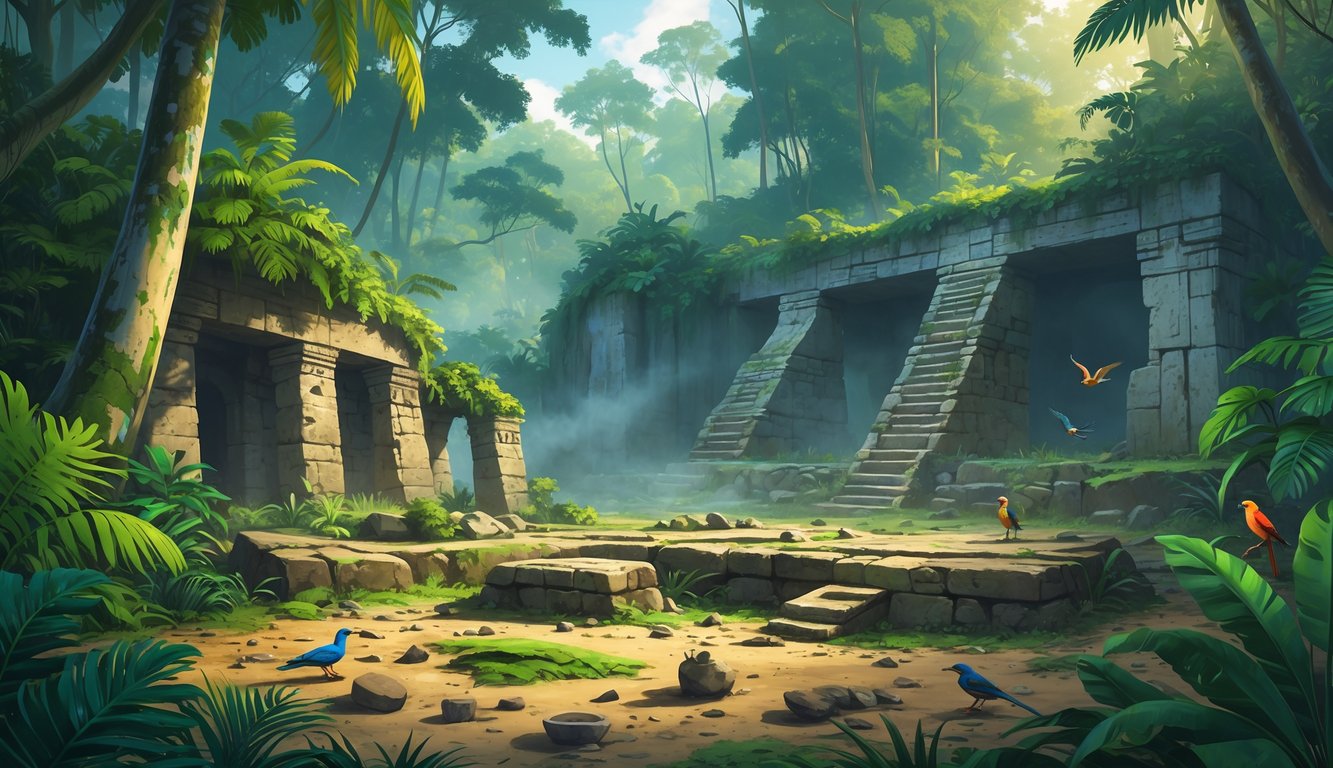
Dominica has a long history shaped by its pre-colonial societies. Many aspects of early life on the island remain unsolved.
Archaeologists are still working to piece together the story behind its oldest communities.
Mysteries of the Kalinago People
The Kalinago, also called Caribs, lived on the island long before Europeans arrived. They were skilled in fishing, farming, and building canoes.
Their villages spread along the coast, but the reasons for choosing certain settlement spots remain unclear. Many legends about the Kalinago involve their defensive skills and ability to travel between islands.
Historians often debate details about their social structure and leadership traditions. The Kalinago left unique pottery styles and artifacts across Dominica.
Today, the Kalinago work to preserve parts of their cultural heritage. Researchers still puzzle over their daily life, burial customs, and early migration patterns.
Legacy of the Caribs
The Caribs, another name for the Kalinago, developed a distinct identity that set them apart from groups on other Caribbean islands. Their language, crafts, and beliefs helped form Dominica’s national identity.
Early European explorers described the Caribs as fierce defenders of their land. Written accounts often conflict with archaeological findings.
Tools, weapons, and jewelry recovered from old Carib sites show advanced knowledge and complex trade. Key elements of their legacy, such as traditional dwellings called “ajoupas” and ceremonial objects, remain important symbols.
Preservation efforts highlight how the Caribs shaped Dominica’s landscape and traditions.
Archaeological Sites Yet to Be Deciphered
Several archaeological sites in Dominica are still under study. These sites include shell middens, burial grounds, and petroglyphs hidden by forest growth.
Researchers carefully preserve and record artifacts found at these locations. Some items, such as stone tools or pottery designs, do not match known Kalinago styles.
This suggests contact with other cultures or the presence of earlier groups.
Key questions remain:
- Who built certain stone structures?
- Why were some settlements abandoned?
- What daily practices left behind the oldest remains?
For a look at how other ancient mysteries puzzle researchers, visit this overview of unsolved historical mysteries.
Lost Colonial Records and the Enigma of Early European Contact
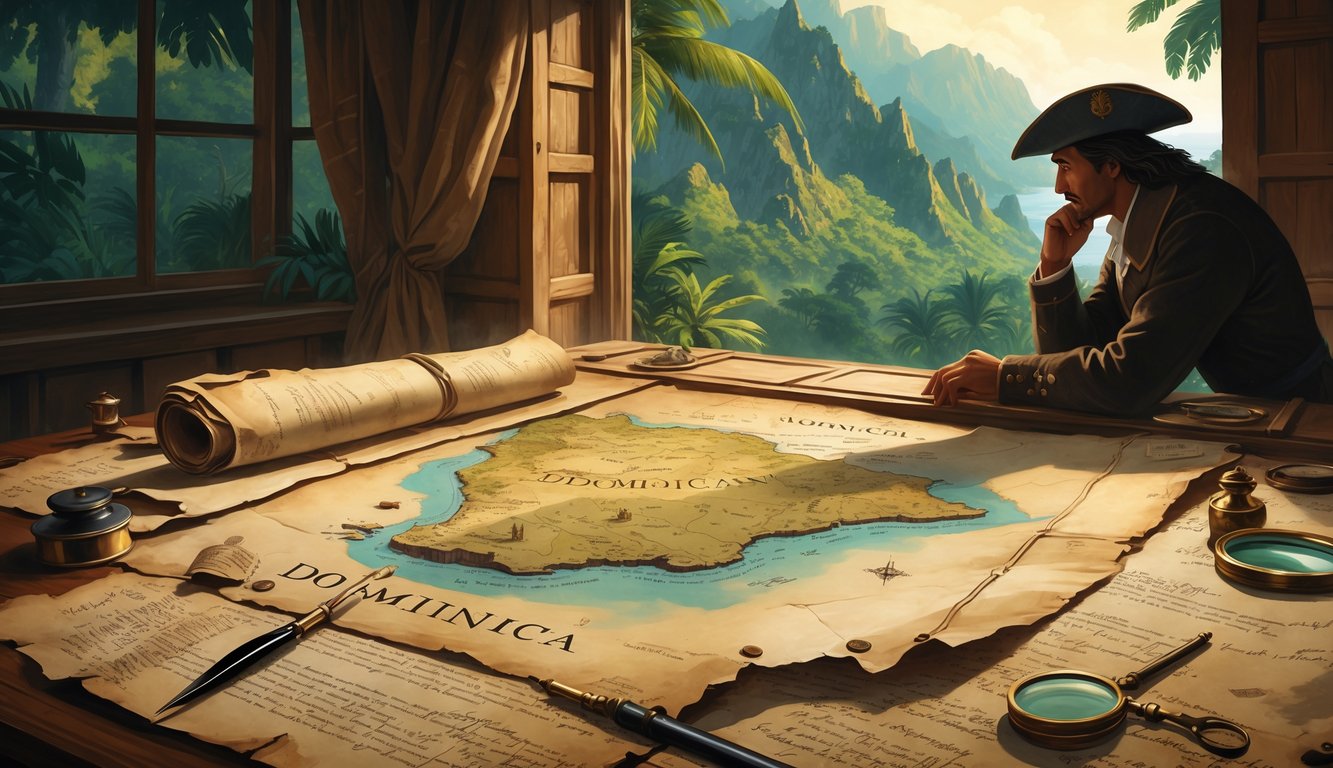
Many details about Dominica’s earliest contact with Europeans remain hidden. Sparse records, conflicting testimonies, and lost documents leave gaps in the story of the island’s colonial past.
Role of Christopher Columbus
Christopher Columbus first spotted Dominica on November 3, 1493. He named the island for the day of the week, “Sunday,” in Latin.
Columbus saw Dominica but did not land, mostly because he feared the rugged coastline and resistance from the native Kalinago people. Most information about this first contact comes from Columbus’s letters and reports.
These writings are few, and some are missing or incomplete. Historians rely on secondhand accounts that sometimes conflict.
Some accounts mention the Kalinago fiercely defended their land, making it difficult for early Europeans to settle. Small artifacts and clues from European explorers have been found, but many details about these early visits are still unknown.
This lack of records leaves historians puzzled about how much direct contact Columbus and his crew had with the island.
Secrets of European Colonization
The European scramble for Dominica began in the 16th and 17th centuries. The French and British both claimed the island, but official documents from these periods are scarce or missing.
Many settlements were temporary, and the island stayed under loose European control for over a century. The lack of colonial records means much is unknown about settlers’ daily life and their interactions with the Kalinago.
The French began colonization attempts in the late 1600s, but they faced resistance and difficulties due to the island’s terrain and climate. British forces often contested their presence, leading to brief occupations and withdrawals.
Lost journals and government papers have left gaps in the timeline. Other regions in the Caribbean also struggle with historical mysteries that may never be solved, especially due to lost or incomplete documentation.
Disputed Boundaries and the Treaty of Paris
After decades of conflict, the Treaty of Paris in 1763 gave control of Dominica to Britain. The island’s boundaries and government structures stayed unclear for years.
Ambiguous treaty language and scant colonial paperwork caused disagreements over land division. This uncertainty affected settlers, the Kalinago, and future generations.
Some land records were destroyed or lost during uprisings and the fight for independence. These missing documents still affect land ownership and local disputes today.
Boundary disputes continued for years, shaping Dominica’s politics and society long after colonization. The lack of reliable records from this era adds to the confusion.
The Disappearance of the Maroons
The Maroons of Dominica were powerful symbols of resistance. Their stories show how the island’s steep, forested terrain helped shape both their survival and their mystery.
Untold Stories of Resistance
Maroons were enslaved Africans who escaped British plantations in Dominica. They made secret communities deep in the island’s wild interior.
Led by figures like Chief Jacko, these fighters launched raids and protected their freedom for decades. Their struggle is sometimes overshadowed by other parts of history.
They played a huge role in shaping Dominica’s national identity. Teachers highlight how Maroon groups forced colonial authorities to build more forts and patrols.
Schoolchildren learn that their spirit still lives on during events remembering Maroon history and their fight for freedom from slavery.
Key facts about Maroon resistance:
| Aspect | Details |
|---|---|
| Leaders | Chief Jacko, other Maroon chiefs |
| Methods | Ambushes, hit-and-run raids |
| Impact | Delayed British control |
Escape Routes in the Mountainous Terrain
Dominica’s landscape made it possible for Maroons to hide and survive. The mountains, thick rainforests, and deep valleys gave them natural protection.
Secret pathways and hidden camps allowed quick escapes from soldiers. Hikers and historians sometimes find old lookouts or cave shelters used by Maroons.
Many believe some routes remain undiscovered today, showing how well Maroons used the land. The preservation of these natural sites has become important for local heritage groups.
Protecting these routes helps keep the story of the Maroons alive for future generations. Dominica’s mountainous interior remains vital to its history and culture.
Natural Phenomena That Puzzle Scientists
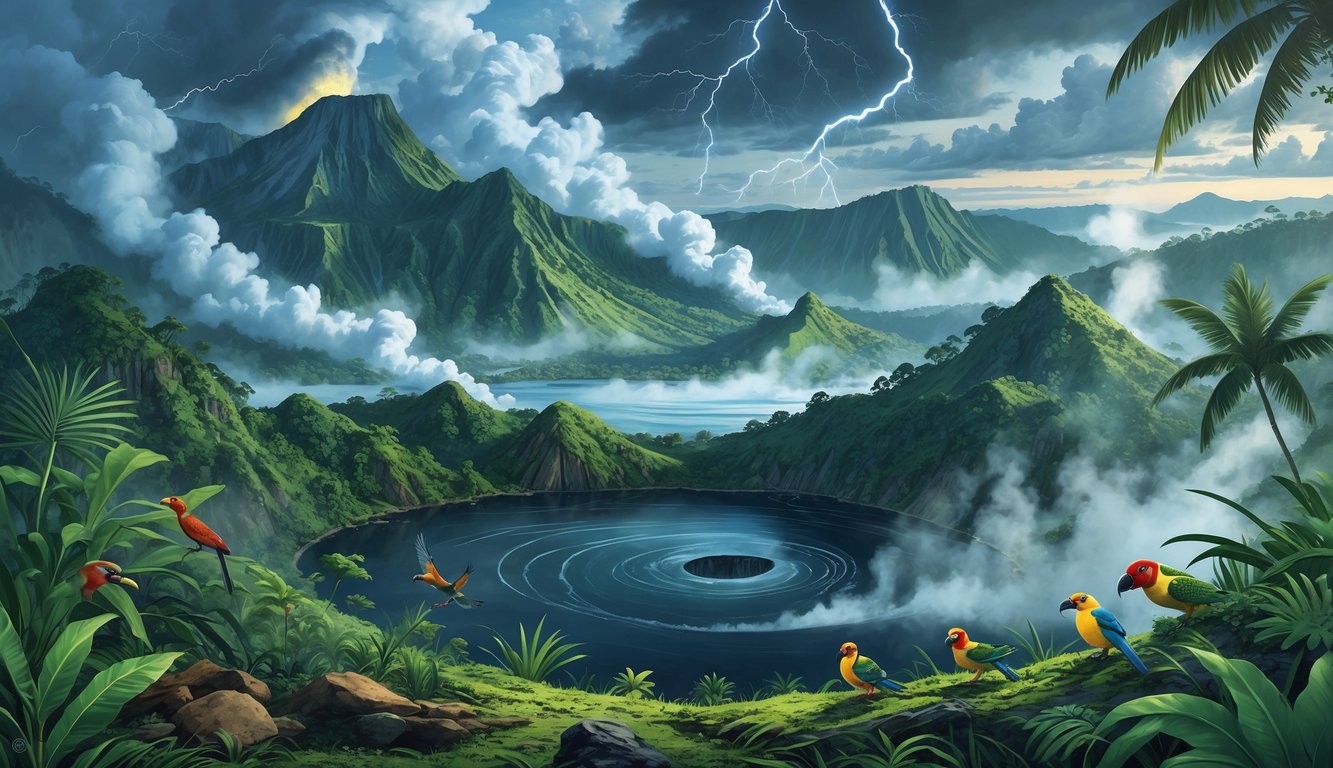
Dominica’s wild landscapes are full of rare features and extreme environments. These natural wonders lead scientists to new discoveries about volcanic activity, unique habitats, and the strange behaviors of local plants and animals.
The Bottomless Boiling Lake
The Boiling Lake in Dominica is one of the world’s largest hot lakes. Volcanic gases heat the lake as they escape through cracks in the Earth’s surface.
Clouds of steam rise above its waters almost every day, making it look mysterious and dangerous. Temperature readings often top 90°C near the edges.
No one knows exactly how deep the lake is. People have tried to measure it using ropes and equipment, but the boiling water and dangerous gases have stopped all efforts.
The changing water levels also make it hard to study. Scientists wonder how life survives here.
Microbes, moss, and even some insects have adapted to the harsh environment. The area around the Boiling Lake shows how volcanic energy shapes unique ecosystems and biodiversity.
Volcanic Peaks and Uncharted Caves
Dominica’s mountain range includes several volcanic peaks. These mountains, like Morne Trois Pitons and Morne Diablotin, are covered with rare ferns, orchids, and mosses.
On clear days, hikers see panoramic views of the island’s forests and wild rivers. Some peaks have deep valleys and networks of caves beneath them.
Many of these caves remain uncharted, hidden among thick rainforest.
Table: Notable Volcanic Peaks
| Peak Name | Height (meters) | Interesting Fact |
|---|---|---|
| Morne Trois Pitons | 1,342 | UNESCO World Heritage Site |
| Morne Diablotin | 1,447 | Highest in Dominica |
Inside these caves, scientists find bats, rare beetles, and fungi that don’t exist anywhere else. The lack of sunlight and strange mineral deposits create a hidden world.
Researchers believe that exploring these places could reveal more secrets about Dominica’s unique flora and fauna.
Dominica’s Endangered Symbols and Legends
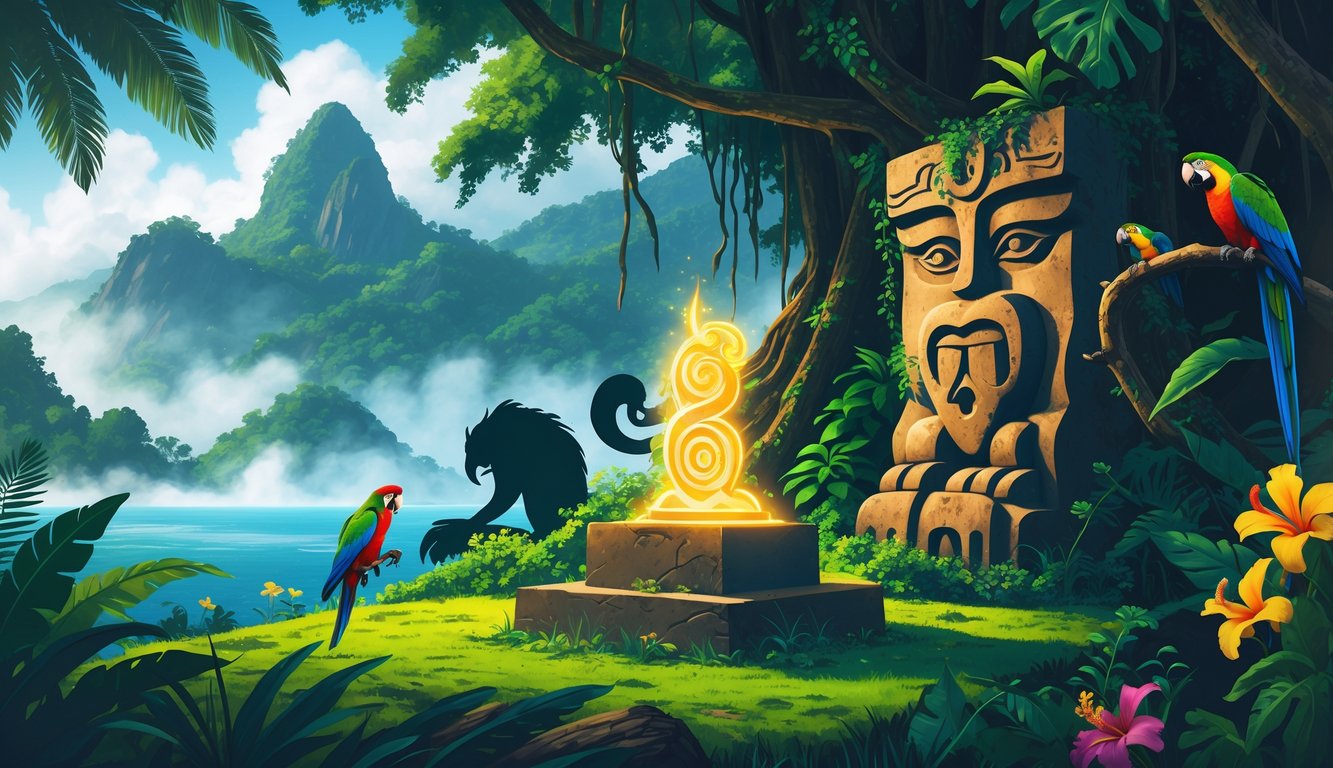
Dominica, known as the “Nature Island,” is home to rare creatures and fascinating stories. Its national symbols and unique wildlife are under threat, making their survival uncertain.
The Sisserou Parrot: Alive or Lost?
The Sisserou parrot, also called the Imperial Amazon, is one of the rarest birds in the world. It lives mainly in the mountains of Dominica’s Morne Trois Pitons National Park, a UNESCO World Heritage Site.
The Sisserou appears on the Dominican flag and coat of arms, showing it is a proud national symbol. Hurricanes and habitat loss have caused its numbers to drop.
Conservation groups and the island’s community work hard to protect the Sisserou. Despite these efforts, sightings are rare, and some fear it could vanish forever.
For many people, the Sisserou is not only a real bird but also a legendary creature that represents strength and hope.
Key facts:
- Color: Rich green and purple feathers
- Habitat: Only in Dominica’s wild forests
- Status: Critically endangered
Learn more about the cultural importance of the Sisserou parrot among Dominica’s national symbols.
Mystery of the Mountain Chicken
The mountain chicken is not a bird but a large frog called the “crapaud” by locals. Once common, it was a favorite local dish.
Today, a deadly fungus and habitat destruction have caused the mountain chicken’s population to collapse. Now, people rarely see it in Dominica’s rainforests.
The mountain chicken has become part of island folklore. Elders often link it to rain and farming legends.
A few conservation projects now breed mountain chickens in protected areas. Some people hope these efforts will save the frog from disappearing.
More about the mysteries of Dominica’s cultural heritage shows why animals like the mountain chicken still matter to the island’s identity.
Unsolved Catastrophic Events
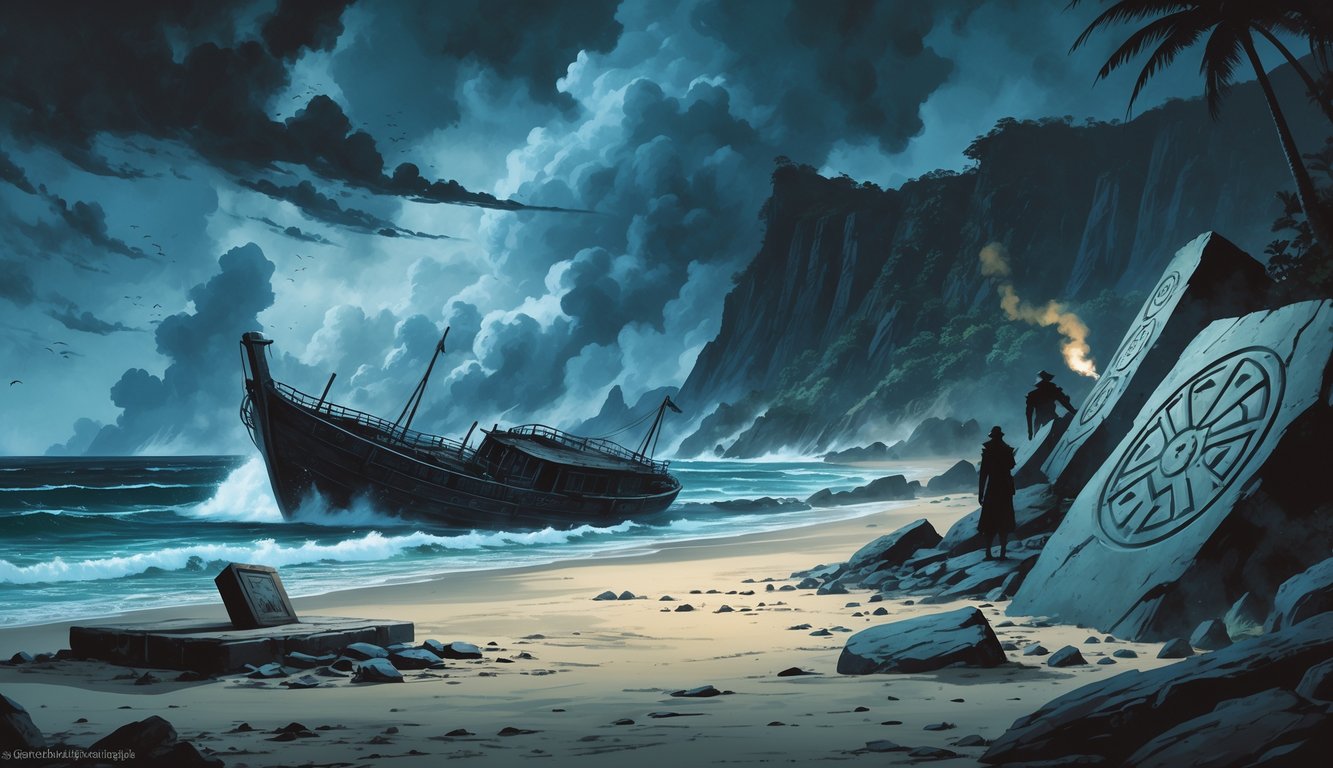
Some of Dominica’s most devastating disasters remain unexplained. These events left lasting marks on the island’s people, environment, and history.
The Aftermath of Hurricane Maria
Hurricane Maria struck Dominica in September 2017 as a Category 5 storm. Winds over 160 mph tore through homes, schools, and forests.
Almost every building on the island suffered some form of damage. Entire rivers changed course, and thousands of landslides occurred.
Scientists still puzzle over the exact impact on native plants and wildlife. They continue to find species lost or struggling to return.
Some remote villages were cut off for days. This made it hard to document what happened in those areas.
Many wonder if certain endemic plants and historic artifacts were lost forever. Water sources and old records were also destroyed.
Preservation efforts have become especially difficult. More information can be found on the Natural Disasters Timeline – Dominica Library and Information Service.
Legacy of Hurricane David
Hurricane David hit Dominica in August 1979 with fierce force. Like Maria, this storm changed lives and landscapes across the island.
It flattened buildings and uprooted centuries-old trees. Many historical records and cultural treasures disappeared in the chaos.
Churches, schools, and homes that held family documents and island history were wiped away. Survivors carried only what they could grab before fleeing.
Lists of missing items and stories have surfaced over the years. The full scope of the loss remains unclear.
Historians are still searching for clues and missing archives. For a detailed list of events, visit Historical Disasters – Dominica.
Hidden Meanings in Traditional Music and Festivals
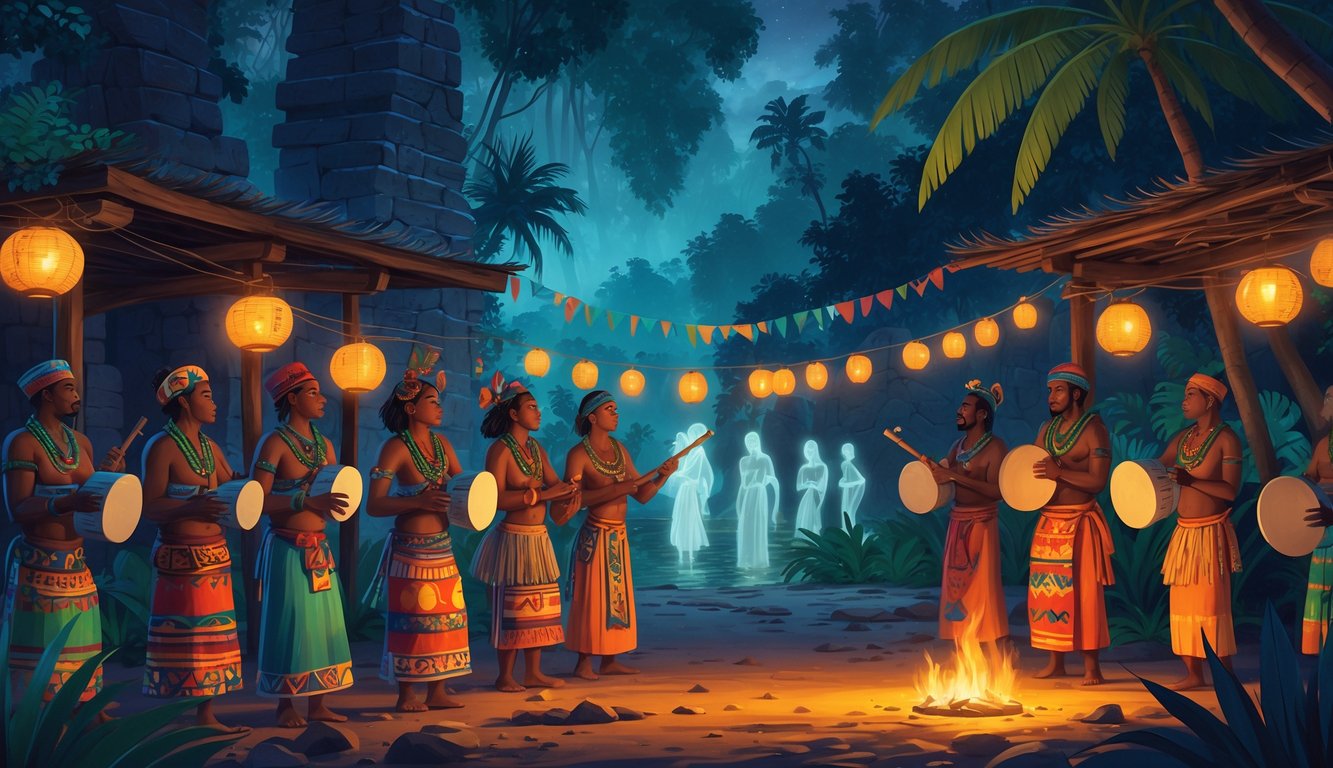
Traditional music and festivals in Dominica shape the island’s cultural heritage. These events help people connect with their history and build national identity.
Enigmatic Origins of World Creole Music Festival
The World Creole Music Festival began in 1997. Its main goal was to celebrate and protect Creole culture through music and performance.
The event soon became a major highlight on the cultural calendar. Organizers timed the festival to match Dominica’s Independence, making it part of a larger national story.
Music, dance, and stories shared on stage reflect generations of folklore. These performances show the roots of island life.
Local legends often become part of the festival’s traditions. Traditional instruments and costumes help pass down these stories to new generations.
Many locals see the festival as a living link to their communal past. It draws visitors eager to explore Dominica’s unique heritage.
Symbolism in Traditional Music
Traditional music in Dominica uses drums, bamboo, and creole rhythms to tell stories from the island’s past. These sounds express shared hopes, struggles, and victories.
Each beat or instrument can stand for something important. Drums imitate the heartbeat and symbolize unity.
Lyrics in Creole keep endangered languages alive. They help build community pride.
The music often brings up images of harvests, celebrations, or resistance to outside rule. These themes appear in local festivals, where music connects families across time.
For many, the rhythms and songs are a vital part of Dominica’s cultural heritage. Elders pass them down to the youth.
Mysterious Disappearances and Local Legends
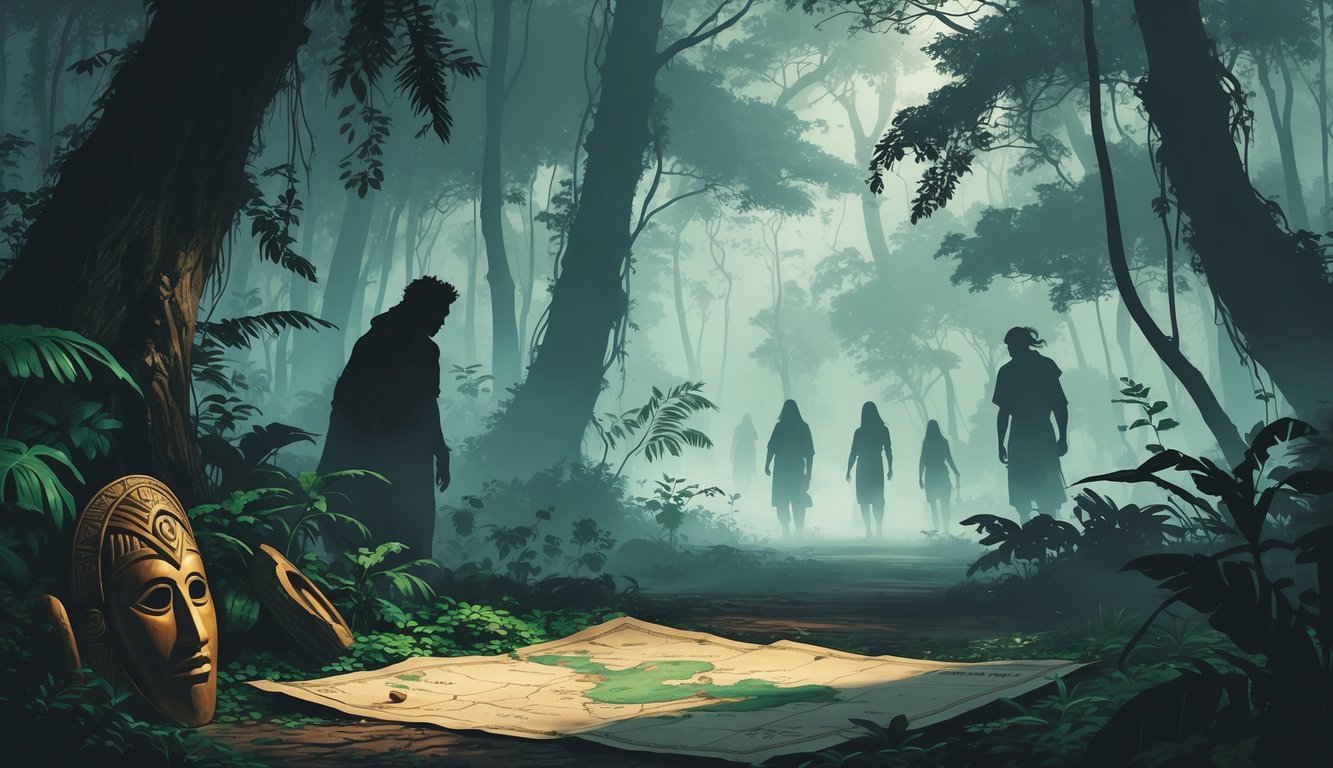
Dominica, nestled in the Eastern Caribbean, is home to unsolved disappearances and strange tales. Locals and visitors share stories that mix adventure, fear, and curiosity along the wild coastlines.
Unexplained Vanishings in the Eastern Caribbean
Throughout history, the eastern Caribbean has seen people disappear without a trace. Fishermen have set out in calm weather and never returned.
Abandoned boats sometimes drift along the shore. Some believe powerful currents and hidden reefs off Dominica’s coast are to blame.
Others whisper about sudden storms or supernatural causes. Stories circulate about the dense rainforests swallowing travelers who stray from known paths.
In some cases, searchers later found strange symbols or footprints leading into the thick trees. They never found any bodies.
Residents also talk about mysterious lights floating above the ocean. A few claim these glowing orbs appear right before someone vanishes.
This detail worries many night fishermen and fuels debate in the community. More local disappearances and unsolved cases appear in accounts of Caribbean mysteries.
Haunting Stories Along the Caribbean Sea
Dominica’s myths and legends add to its mysterious reputation. One famous tale describes the Ciguapa, a magical creature with long hair and backward-facing feet.
The legend warns travelers, especially at dusk, to avoid following strange figures near rivers and caves. Villagers along the Caribbean Sea often share ghost stories at night.
Some speak of haunted places, old plantations, and empty colonial ruins. People have seen shadows and heard whispers after dark.
Local explorers report cold spots and sudden fear when they visit these places. There are spots on the island where locals refuse to walk after sunset.
For those interested in the supernatural, Dominica’s legends and haunted places offer a glimpse into the island’s storytelling tradition. Adventurers sometimes organize trips to visit these sites and listen to first-hand tales from residents.
The Riddles of Roseau’s Historical Sites
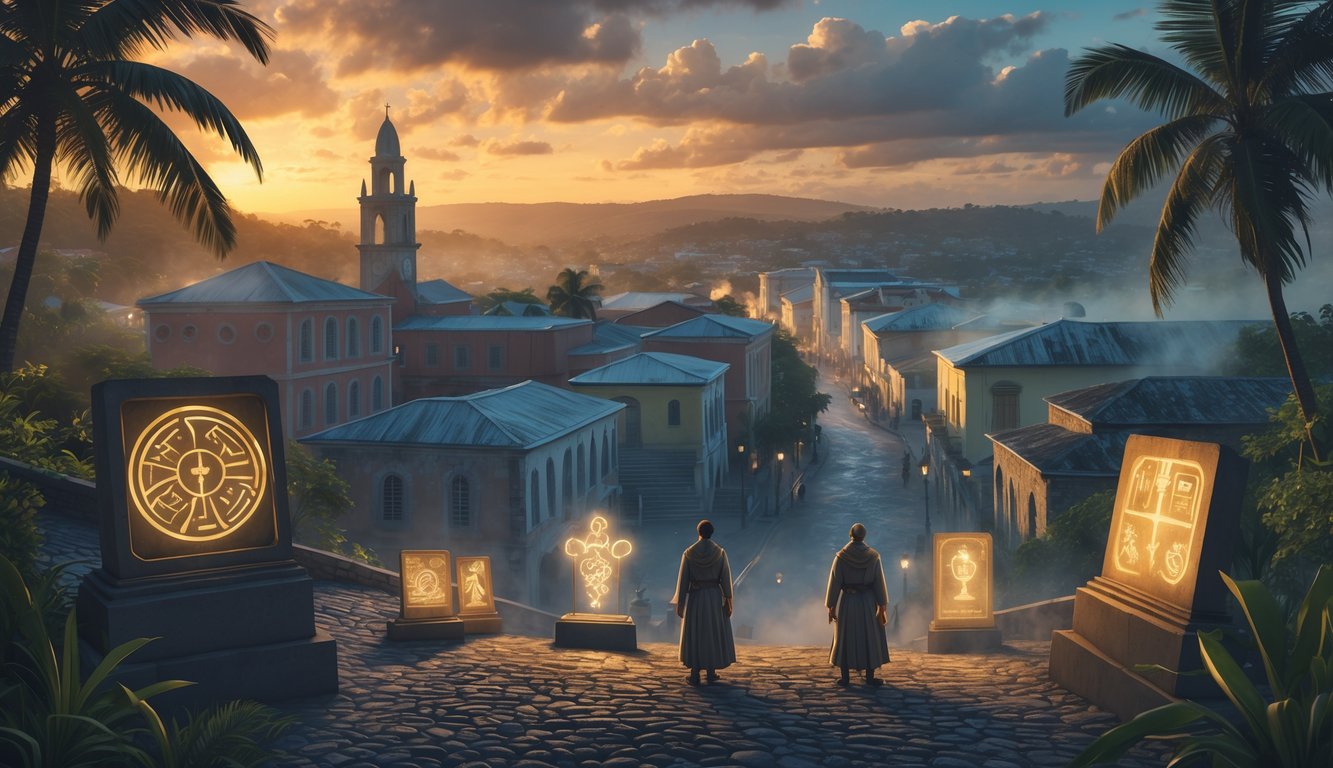
Roseau’s past holds questions that residents and historians have tried to answer for years. Its old buildings and city layout keep secrets, making each visit exciting for history fans.
Hidden Underground Tunnels
Rumors about underground tunnels beneath Roseau fascinate both locals and visitors. Some believe colonial builders created these passageways.
They may have used them for moving goods, offering secret exits, or hiding during conflicts. People sometimes find unexpected underground walls or passages during construction projects.
Experts and history fans want to map and preserve these tunnels before weather or building destroys them. Old maps rarely mention these features.
Certain areas—like near the Old Market Square—keep turning up stories of hidden rooms or bricked-up entryways. No official survey has been done yet.
Some think further digging might reveal more about Roseau’s history. The mystery of these tunnels continues.
Secret Artifacts and Lost Treasures
Several historical sites in Roseau have produced surprising finds. Workers and historians have found coins, broken relics, and rare pottery pieces.
These objects may come from the city’s early days under French and British control, or even from before European arrival. Local museums and the Roseau Public Library keep the best artifacts safe.
Stories of undiscovered treasures buried under old homes or public spaces still circulate. Many believe artifacts could be hidden around the Old Market Square, a spot famous for trade and as a slave market.
Preserving these treasures is important for Roseau’s cultural memory. Finding and protecting more items helps everyone understand the city’s rich and mixed heritage.
Conservation, Biodiversity, and Ongoing Mysteries
Dominica’s wild landscapes hold unexplored habitats and unique wildlife. Conservation efforts balance protecting nature with growing tourism.
Questions remain about unknown species and how best to keep the island’s ecosystems healthy.
Uncharted Ecosystems
People often call Dominica the “Nature Island” because nearly two-thirds of its land is covered by forests and mountains. The island is home to Morne Trois Pitons National Park, a UNESCO World Heritage Site known for its boiling lakes, dense rainforests, and waterfalls.
Some parts of the forests and river systems are still hard to explore. Scientists believe unknown plants, insects, and small animals might live in remote valley forests or deep caves.
Locals tell legends of mysterious creatures and rare birds that few outsiders have ever seen. Researchers keep finding new species of orchids, frogs, and bugs.
Dominica’s true biodiversity may still be hiding in plain sight.
Preservation Efforts and the Role of Tourism
Dominica works to preserve its fragile habitats through environmental laws and community-led projects. The government limits logging, controls fishing, and keeps certain areas free of development.
Tourism is a big part of the economy. The island markets its clean rivers, hiking trails, and diving spots to eco-tourists.
Many local guides teach visitors how to respect wildlife and fragile habitats. Balancing growth and nature is hard.
Heavy storms and hurricanes have damaged forests and coral reefs. Ongoing support for preservation remains important.