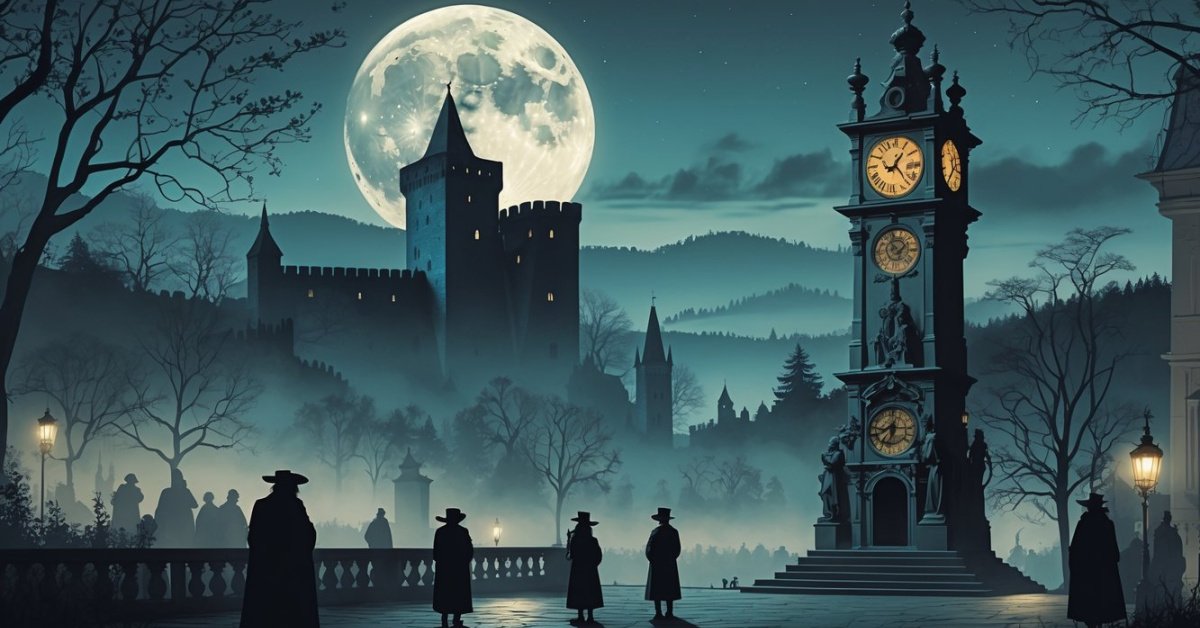
The Czech Republic holds many secrets within its castles, forests, and old towns. Some of the biggest historical mysteries in Czechia include unexplained legends about castles, strange ancient artifacts, and unsolved events that have puzzled both locals and historians.
These stories have been passed down through generations. They continue to spark curiosity today.
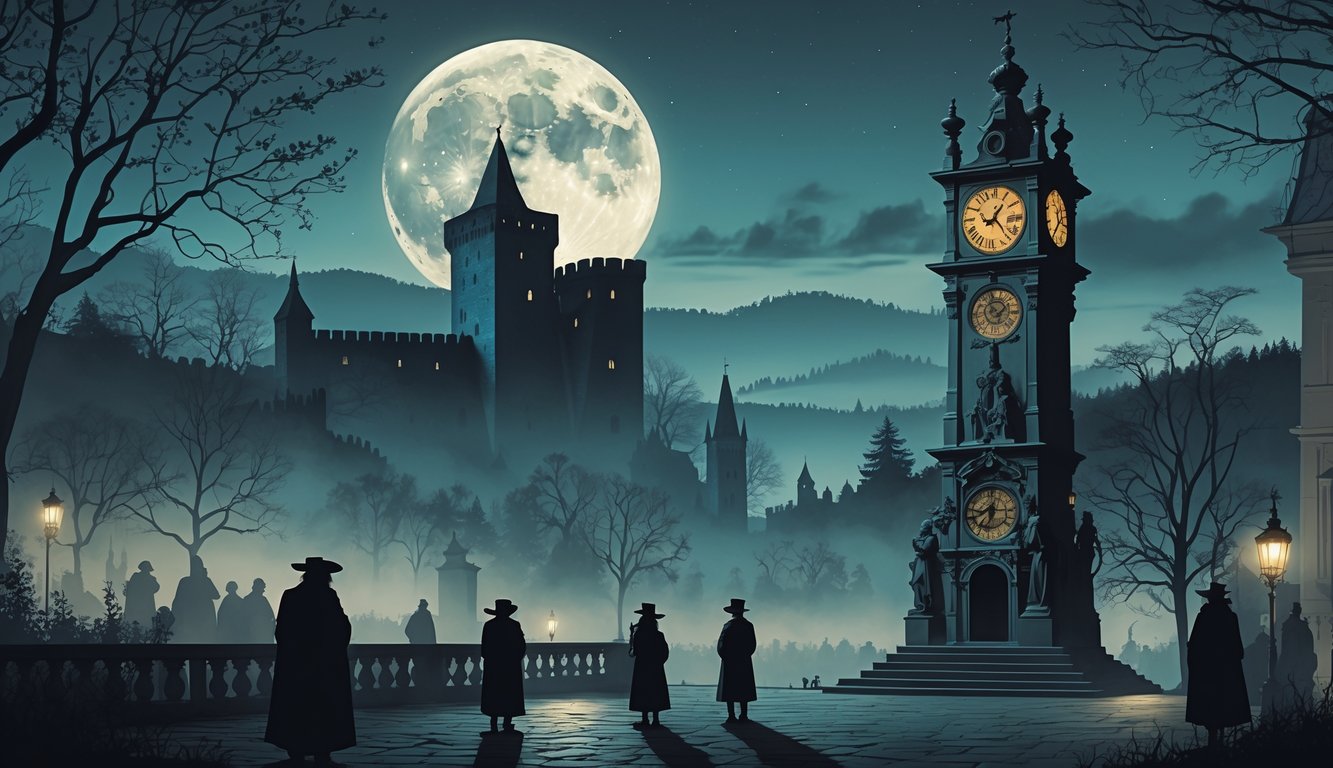
From the eerie legends of Houska Castle, which some believe hides a “gateway to hell,” to secret tunnels beneath Prague’s Old Town, the country is full of stories waiting to be explored. Mysteries like hidden treasures in ancient châteaux and dark tales from the past make Czechia fascinating for anyone who loves history and adventure.
People visiting or learning about the Czech Republic often find themselves drawn in by these unanswered questions. These mysteries add intrigue to the country’s landscapes and historical sites.
The Mysterious Origins of Bohemia
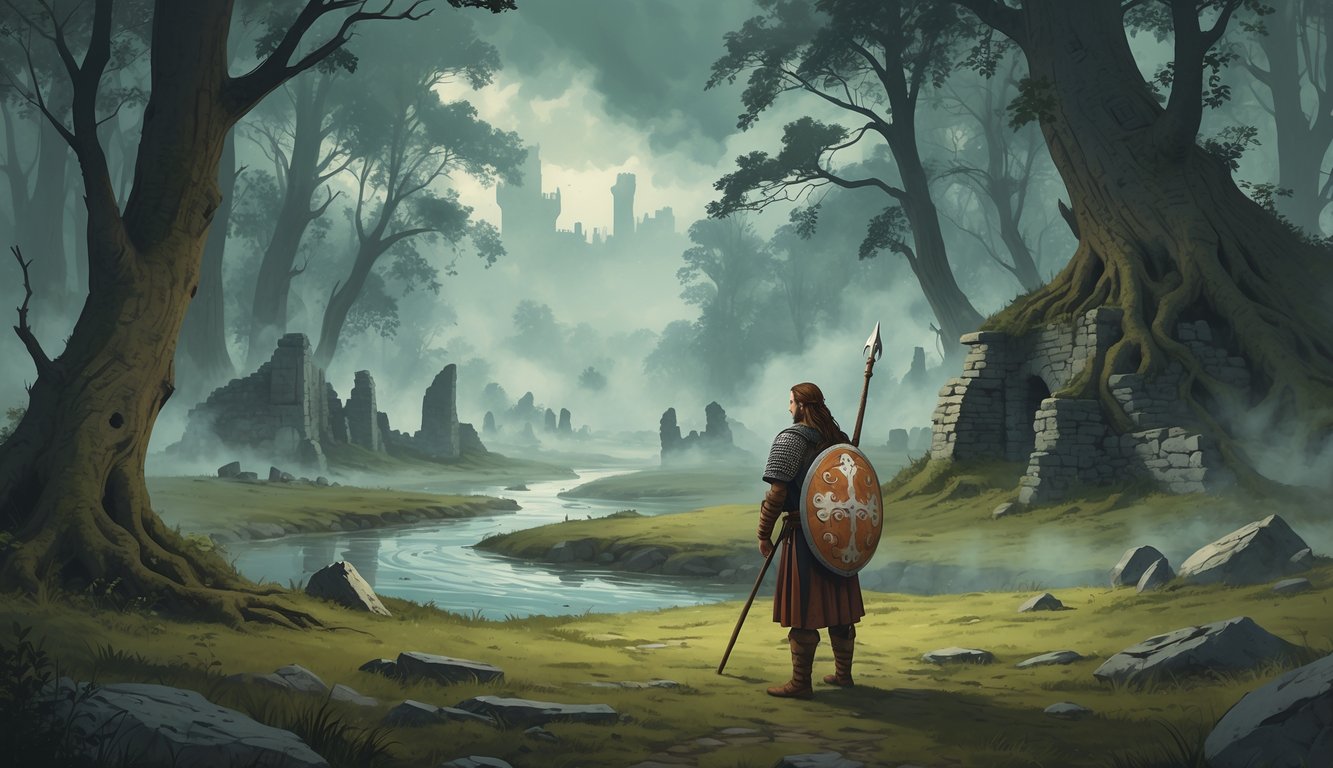
Bohemia’s beginnings include archaeological finds, shifting tribes, and unique traditions. Ancient peoples and later arrivals shaped the land now known as Czechia.
Ancient Tribes and the Boii
The earliest known group in Bohemia was the Celtic tribe called the Boii. They settled in the region around the 4th century BC.
Their presence was so important that the name “Bohemia” comes from them. The Boii left behind coins, tools, and pottery.
Archaeologists still find their hillforts and settlements. Their culture influenced the land before Roman times.
Later, Germanic tribes passed through or stayed for a period. After the Celts, the area saw many migrations, making early history hard to untangle.
Bohemia became a crossroads. Its story only gets clearer with the next wave of settlers.
For more about the Boii and ancient Bohemia, visit key articles about Bohemia’s Celtic roots.
Early Slavic Settlements
By the 6th century AD, Slavic people began to settle in Bohemia. They brought their customs, language, and farming methods.
These early Slavs formed small communities, often near rivers. The Slavs gradually mixed with people still living in the region.
Over time, larger groups and leaders appeared. Clans united, building stronger societies and wooden hillforts.
Archaeological discoveries show changes in pottery, burial styles, and homes. These changes mark the difference between the older Celts and the newer Slavic settlers.
This shift brought in the Slavic language, which would become central to future Czechs. The movement and growth of these groups is one of Czechia’s great historical mysteries.
Emergence of Czech Identity
In the 9th century, united groups led by local rulers began to rise. The most famous early leader was Borivoj I, the first known duke of Bohemia and founder of the Přemyslid dynasty.
Written records like the Annales Fuldenses mention Borivoj and help historians connect real events with legends. The Slavic people under these rulers started to call themselves Czechs.
Prague began to grow as a key city. This period saw the shift from scattered tribes to a distinct Czech identity connected by language, customs, and leadership.
Over the centuries, this identity became the foundation of modern Czechia. To learn more, see the story of Borivoj I and the Premyslid dynasty.
Legendary Castles and Enigmas
Czechia is home to castles wrapped in legends, secret rooms, and puzzling tales. These places mix stunning architecture with stories that are still debated and explored today.
Secrets of Karlštejn Castle
Karlštejn Castle is one of the most famous fortresses in Bohemia. Charles IV built it in the 14th century to keep royal treasures, including the crown jewels.
Some believe the castle hides secret passageways and rooms designed to protect both the king and his valuables. Local legends say no woman could stay overnight in the main tower because of mysterious rules set by Charles IV.
Today, this story is still talked about on tours. The chapel inside the castle, filled with semi-precious stones and gilded walls, adds to the sense of mystery.
Ghost tales are common here. Some guests and staff claim to have seen strange shadows or heard whispers at night.
Learn more about the myths tied to Karlštejn Castle from articles like Secrets and Mysteries of Castles and Château.
Český Krumlov Castle Mysteries
Český Krumlov Castle is a UNESCO World Heritage site and a highlight for many travelers. The castle stands on a hill overlooking the old town and features both Renaissance and Baroque styles.
Stories from this castle often mention hidden treasures and forgotten tunnels under its walls. In the past, secret societies and alchemists were rumored to meet in shadowy corners of the complex.
One famous mystery is the tale of a “White Lady” ghost. She is said to walk through the hallways at night and appears before any major event in the Rosenberg family.
Visitors can spot paintings and old documents that hint at this legend. Read about its background at The mystical castles and chateaus of the Czech Republic.
Unsolved Stories of Ancient Castles
Across the Czech Republic, many ancient castles share mysterious, unsolved stories. Prague Castle, one of the largest fortresses in the world, has hidden rooms and ancient artifacts with unclear origins.
Sometimes workers find old carvings or tunnels that raise new questions about who built them and why. Castles in Bohemia are especially rich in enigma, with secret deals and power struggles hidden behind centuries-old walls.
Some places show clear Renaissance or Baroque influences, but their original purposes remain unclear. Rumors of secret societies, guarded treasures, and unexplained events are common in these old structures.
Tour guides love to share local mysteries, making each visit unique and thought-provoking. Explore more about the wonders and legends of Czech castles at The most beautiful and best-preserved castles in the Czech Republic.
Prague’s Enduring Puzzles
Prague is filled with stories that blend history, architecture, and the supernatural. Its most famous sites are surrounded by mysteries that continue to capture the imagination of visitors and locals.
Unexplained Legends of Prague Castle
Prague Castle is one of the largest castle complexes in the world. Over the centuries, it has become a symbol of Czech power, but its origins are steeped in myth and legend.
One famous story tells of the castle’s foundation stone, which some say was placed at a spot chosen by a prophetic vision. Another legend speaks of treasure hidden deep beneath the castle, protected by mysterious forces.
The corridors and old stone walls echo with tales of alchemists, secret passages, and ghostly sightings. Prague Castle’s mix of Gothic and Renaissance style makes its atmosphere even more mysterious.
Ghosts and Demons of the Old Royal Palace
The Old Royal Palace, located within Prague Castle, holds its own collection of chilling stories. It was a seat of kings and witnessed both royal celebrations and dark plots.
Several rooms are said to be haunted by spirits. People report seeing shadowy figures or feeling a sudden chill when alone.
There’s a persistent legend about demons that once haunted the palace grounds. In old Czech beliefs, spirits and demons could influence the fate of rulers and the prosperity of the land.
These stories became a part of local folklore. Tourists often come searching for a glimpse of these ghostly presences.
The Enigma of Charles Bridge
Charles Bridge, finished in the 15th century, connects Prague’s Old Town and the Lesser Town. It is famous for its statues and beautiful Gothic architecture.
The construction of the bridge is surrounded by rumors and strange tales. One story claims that eggs were mixed into the mortar to make the bridge stronger.
Another legend concerns mysterious events that have taken place on foggy nights, when people claim to see ghostly processions on the bridge. Some believe that hidden symbols in the statues reveal secrets only understood by ancient architects.
Charles Bridge remains a key place for stories and Prague legends. It mixes real history with deep-rooted myths.
Architectural and Artistic Marvels
Czechia has many buildings and monuments with unique stories and mysteries. Some of these places are famous for their hidden symbols, bone decorations, and puzzling UNESCO heritage status.
The Hidden Symbols of St. Vitus Cathedral
St. Vitus Cathedral stands as a major example of Gothic architecture in Prague. Construction started in the 14th century but lasted nearly 600 years.
This long history allowed different art styles and ideas to mix into the design. Visitors often notice carvings, stained glass, and statues that have unclear or secret meanings.
Some experts believe these symbols hint at old royal secrets or religious beliefs that were important during the Middle Ages. The famous rose window, for example, has a complex pattern filled with shapes and images that many people think are symbolic.
Guides point to certain statues tucked in corners or gargoyles that may represent protectors or warnings. People still debate what some of these artworks really mean.
The mix of legend and fact keeps visitors curious every time they enter this famous church. You can read more about the cathedral’s place in Czech history at Uncovering the Architectural Marvels of the Czech Republic.
Sedlec Ossuary: The Mystery of the Bone Church
The Sedlec Ossuary, also called the Bone Church, is a small chapel in Kutná Hora. What makes it mysterious are the thousands of human bones used to decorate the inside.
No one is sure exactly why so many bones were stacked and shaped into art. Historians think the bones came from people who died during the Black Death and wars in the 14th and 15th centuries.
Inside, you will see bones shaped into chandeliers, coat of arms, and even pyramids. The chandelier is especially famous because it is said to contain at least one of every bone in the human body.
The meaning behind this style is still discussed today. Some believe it was meant as a reminder of life’s shortness, while others think it was a way to pay respect to the dead.
For more details on this architectural wonder, see Explore These Must-Visit Architectural Marvels of the Czech Republic.
UNESCO Heritage Mysteries
Czechia has many sites on the UNESCO World Heritage list that are surrounded by intrigue. Český Krumlov Castle is one such site.
Set in Southern Bohemia, it has a winding layout and secret passages that date back centuries. Litomyšl Castle and the historic center of Telč are also UNESCO sites known for their unique artistic and architectural choices.
Scholars often question who came up with the original designs and what some details are meant to represent. Old Town Square in Prague presents another puzzle.
Its Astronomical Clock draws crowds, but experts still puzzle over its design and the meaning of some of its parts. Some decorations reflect city legends, while others may have astronomical or magical roots.
These heritage sites remain popular not just for their beauty but for the questions and mysteries that remain unsolved.
Unexplained Figures and Royal Mysteries
Czech history features rulers and thinkers who shaped the country in remarkable ways. Their untold stories and the mysteries around them continue to fascinate historians and locals.
Wenceslas I and His Legacy
Wenceslas I, also known as Saint Wenceslas, is one of the most famous kings from early Czech history. He ruled in the 10th century and stands as a symbol of justice and Czech identity.
He died young under mysterious circumstances. Some say his brother, Boleslaus the Cruel, murdered him, but the full details and motives remain debated.
Legends grew about his life and death, mixing facts with myths over time. His figure inspired songs, including the carol “Good King Wenceslas.”
Key Details:
| Name | Title | Era | Mystery |
|---|---|---|---|
| Wenceslas I | Duke/King | 10th c. | Cause of death, legacy as a saint |
Charles IV: Secrets of a King
People often call Charles IV the “Father of the Czech Nation.” He ruled as King of Bohemia and Holy Roman Emperor in the 14th century.
Charles IV founded Charles University, which became a lasting part of Czech culture. Questions remain about his political decisions and private life.
Some records about his alliances and religious relics are missing or unclear. Many buildings from his reign, like Karlštejn Castle, have rumors about secret rooms and lost treasures.
Historians research how his religious beliefs shaped his rule and the empire. His balancing of power and family ties are still debated.
Important Aspects:
- Founded Charles University (1348)
- Reigned as King of Bohemia and Holy Roman Emperor
- Linked to unexplained historical mysteries in buildings and royal secrets
Jan Hus and the Unknowns of Reform
Jan Hus was a Czech priest and reformer who influenced Czech society and early Protestant movements. He taught at Charles University in Prague and challenged church practices.
Hus’s sermons and debates gained wide support but also fierce opposition. He was burned at the stake in 1415, yet questions persist about the full content of his lost writings.
His supporters, known as Hussites, started wars that changed Czech history. Historians still search for Hus’s original manuscripts and details about his final days before execution.
Historical Events That Remain Unsolved
Some moments in Czechia’s past are still shrouded in mystery. Historians and locals continue to wonder about lost kingdoms, religious shifts, and disasters that left many clues but few answers.
The Fate of Moravia
Moravia was once a powerful region in Central Europe. Its history stretches back to the days of the Great Moravian Empire.
The empire was most influential in the 9th century before suddenly fading from the records. No one knows exactly why Moravia declined so quickly.
Some say invasions, such as by the Magyars, destroyed its cities and scattered its people. Others believe changes in trade or climate played a role.
Written evidence is rare. Archeologists continue to find pottery, weapons, and coins.
Today, there is still debate about what caused the empire’s sudden collapse. Experts look for clues in ancient burial sites and ruined hillforts. For a timeline of major events in Czech history, including Moravia, researchers study these remains.
How Christianity Changed the Land
Christianity arrived in what is now Czechia during the early medieval period. Missionaries Cyril and Methodius brought the religion to Moravia.
The process of converting from traditional Slavic beliefs to Christianity was slow and uneven. Many old religious sites disappeared or were rebuilt as churches.
Not all villages accepted Christianity right away, and some kept older customs in secret. This mix of beliefs left behind a patchwork of artifacts and ruined temples.
Historians still search for reasons why the new religion overtook the old ways quickly in some places but much slower in others. Written records are rare, so mystery remains over how Christianity’s rise changed daily life. Learn more about key religious shifts in Czechia’s history.
Fire and the Transformation of Bohemia
Bohemia has a long history of cities destroyed by fire. In medieval times, huge blazes often resulted from war, lightning, or accidents in busy markets.
The Great Fire of Prague in the 17th century is just one example. After fires, people rebuilt cities with new layouts.
Stone and brick slowly replaced wood, changing how towns looked and worked. The causes behind some of the biggest fires remain unknown.
Was it arson, war, or bad luck? Records were sometimes lost in the very blazes they described.
Because evidence is thin, researchers argue about the real reasons fire forced Bohemia to rebuild its cities. These events changed the identity of entire regions, leaving a legacy pieced together from the ruins.
Twentieth Century Shadows
The twentieth century in Czechia saw political secrets, surprising decisions, and brave resistance. Major events left behind unanswered questions and stirred debate.
Sudetenland and Secret Decisions
The Sudetenland was a heavily German-speaking region in Czechoslovakia. In 1938, it became the center of international deals without the Czech government’s agreement.
The Munich Agreement let Nazi Germany take over the Sudetenland. French and British leaders were involved, but Czech officials were left out.
Many still wonder about the private talks and pressures that led to the agreement. Rumors claim that secret promises were made behind closed doors.
These decisions hurt Czechoslovakia and raised questions about loyalty between European countries. The impact is still studied today, with background and maps available in the Czech Historical Atlas Portal.
Czechoslovakia’s Mysterious Dissolution
On January 1, 1993, Czechoslovakia split into the Czech Republic and Slovakia. This “Velvet Divorce” happened peacefully, with almost no public vote or unrest.
Most citizens did not vote on the matter, and even today, some question how the leaders managed it with so little resistance. Key decisions happened in closed meetings between top Czech and Slovak politicians.
There is still debate about why leaders made these choices and if outside forces played a role. The lack of clear information fuels theories about private deals and missing records, as shown in timelines of major events in Czech history.
The Hidden Truths of Charter 77
In 1977, a group of Czechoslovak citizens formed Charter 77. They wanted the government to respect human rights and signed an open letter.
Security forces quickly pressured and silenced many signers. Details about how Charter 77 survived—through secret meetings and coded messages—remain hidden.
The government kept many responses and reports classified. Charter 77 played a big role in pushing for democracy in what is now the Czech Republic.
Its true impact might never be fully clear, but its influence is remembered as a key mystery of the Czech twentieth century.
World War II and the Holocaust’s Untold Stories
World War II left a lasting mark on Czechia. Many secrets from this time—hidden camps, coded operations, and unsolved events—still influence how people see Czech history.
The Puzzles of Terezín
The Terezín (Theresienstadt) ghetto served as both a prison and a “show” camp for the Nazis. On the surface, they presented Terezín as a model community to visitors from the Red Cross and abroad.
Behind these staged scenes, families were separated, and thousands died or were sent to worse camps. Some documents from Nazi officials went missing, leading to unanswered questions about daily life and real conditions in the camp.
Not all stories of escape attempts and underground resistance are fully understood, as many survivors left no records. The fate of some prisoners is still unknown.
Lists with the names of prisoners—including children, artists, and scientists—sometimes appear even today. These bring more questions about who survived and why certain people were moved or spared.
Researchers continue to search for hidden evidence and personal accounts to better understand what happened in Terezín.
Reinhard Heydrich’s Enigma
Reinhard Heydrich was a main architect of the Holocaust. He came to Prague to control the occupied Czech lands.
In 1942, Czech resistance fighters assassinated Heydrich. His murder started mass reprisals, including the destruction of entire villages like Lidice.
Some puzzles still surround Heydrich’s role in the Czech Republic. Not all records related to his security plans, secret collaborators, or Nazi intelligence work have been found.
It is unclear how deeply he influenced daily life or who helped him maintain control. Historians try to piece together his network by studying captured paperwork and eyewitness accounts.
New files and findings sometimes appear, but pieces of the full picture remain missing. The case of Reinhard Heydrich’s rule in Czechia shows how important documents and testimonies may still be lost or destroyed. For a deeper look at the hidden parts of World War II events, explore these thought-provoking documentaries and mysteries.
Enchanting Towns with Cryptic Pasts
Some Czech towns are not just beautiful—they hide secrets in their stones and rivers. Travelers come for scenery and to wonder about legends and mysterious happenings that remain unsolved.
Unsolved Tales from Český Krumlov
Český Krumlov sits in the south of Czechia. The town is known for winding streets and a castle overlooking the Vltava River.
The whole town looks like a fairy tale, but its past is filled with secrets. One of the biggest mysteries is the story of the “White Lady,” a ghost said to wander the castle halls.
Some believe she once lived in the castle and now protects it. Locals have shared stories of her sightings, especially during quiet nights or foggy mornings.
Underground tunnels add another layer of mystery. The tunnels run beneath the old town, and their full purpose remains unknown.
Some believe they were escape routes; others think they hide treasures lost during wars. The town’s popularity as a UNESCO World Heritage Site draws crowds, yet many visitors leave with more questions than answers.
Mysteries of Kutná Hora
Kutná Hora, another UNESCO gem, became rich in the Middle Ages through its silver mines. But not all in the town was as it seemed.
The Sedlec Ossuary, also called the Bone Church, is decorated with the bones of thousands. No one knows exactly why so many were buried there or how the idea to create art from bones began.
Some say it was to honor the dead. Others believe the bones were arranged to protect the town.
In the church of St. Barbara, hidden symbols appear in stained glass and carvings. Some historians wonder if miners or monks left secret messages in these symbols.
Kutná Hora’s eerie beauty and unsolved stories keep visitors curious. Many feel a little cautious as they explore its narrow lanes.
Czech Culture, Myths, and Folklore
Czech culture has deep roots in storytelling, superstitions, and local traditions. Myths, spirits, and legends still shape both rural life and national identity.
Demons and Spirits in Rural Traditions
Czech villages have long believed in water-dwelling creatures like the Vodník. According to legend, the Vodník lives in ponds and keeps the souls of drowned victims in porcelain cups.
Stories of the Polednice or “Noon Witch” warn children to behave at midday. Parents often used these tales to scare kids into good behavior.
These rural tales also include spirits that protect homes or fields. Helpful goblins assist in household chores if respected but cause trouble if angered.
Community festivals revive these stories through costumes and puppetry. This helps keep the tales alive for younger generations.
A detailed overview of these demons and their impact on Czech folklore appears in discussions about Czech myths and supernatural creatures.
Legacies of Fire and Festival
Fire plays a central role in many Czech traditions. The springtime festival of Čarodějnice (Walpurgis Night) is famous for bonfires where people burn effigies of witches.
People celebrate the end of winter during this event. Old beliefs held that fire could ward off evil spirits.
Other festivals use fire as a symbol of renewal and hope. During Masopust or carnival time, villagers wear masks, dance, and light lanterns.
These customs mix Christian and pagan traditions. Czech culture has blended old beliefs with newer ones.
Festivals showcase colorful costumes, music, and dances handed down through families. Many traditions have been adapted, but their roots remain strong in rural parts of the country.
Carpathian Legends
Northeastern Czechia borders the Carpathian Mountains. This region is filled with legends of supernatural creatures.
The Carpathians are famous for tales about wolves, witches, and shapeshifters. Shepherds and villagers once told stories of werewolves roaming the forests.
They also spoke of spirits that guarded mountain passes. The Carpathian region has legends of lost treasures and haunted castles.
Some people claim to see mysterious lights on certain nights. Locals say wandering souls create these lights.
These mountain legends differ from those in the lowlands. This shows the rich variety within Czech folklore.
You can explore more about Czech traditions connected to the countryside and the Carpathians in resources on Czech folklore and fairytales and folklore creatures.