Botswana is filled with ancient sites and stories that still puzzle experts. It is home to places like the mysterious Tsodilo Hills, where sacred caves and old paintings show life from thousands of years ago.
Many secrets remain hidden about who created these sites and why. Botswana’s biggest historical mysteries are linked to its land, people, and hidden artifacts that continue to baffle historians.
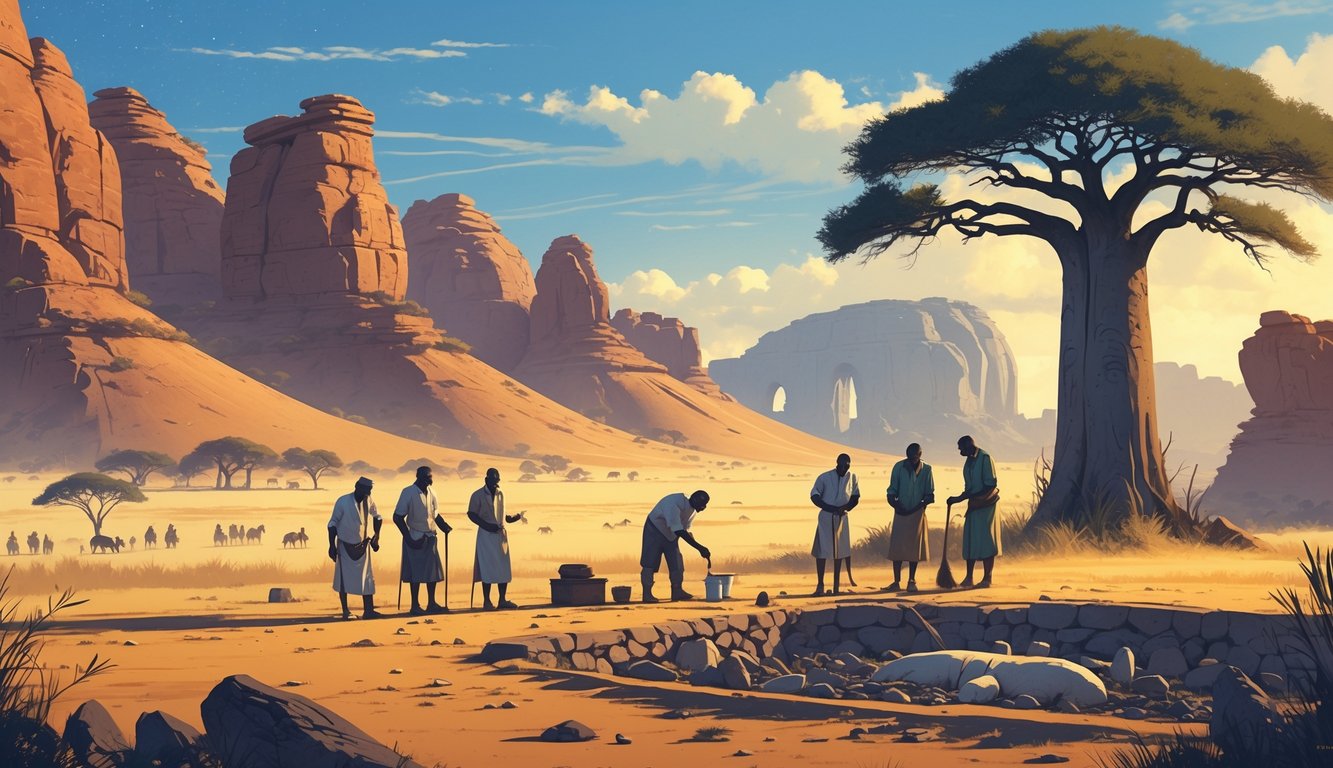
From lost traditions of the Tswana people to unexplained carvings and legends, Botswana has many questions that remain unanswered. Some stories come from before the country gained independence or even from ancient cultures that lived in the region long ago.
Explorers, archaeologists, and locals keep searching for clues about Botswana’s past. Those interested in old civilizations and hidden history will find plenty to discover, especially in dramatic landscapes like the Tsodilo Hills.
Ancient Mysteries of Tsodilo Hills
The Tsodilo Hills in northwestern Botswana are among southern Africa’s oldest and most spiritually important places. The area is well-known for its ancient rock paintings and deep connections to the lives of hunter-gatherers.
The Enigmatic Rock Paintings
Tsodilo Hills are famous for thousands of rock paintings covering the cliffs and caves. These artworks are over 20,000 years old and offer a glimpse into early human history.
The images show animals like giraffes, cattle, and humans, painted using red, white, and black pigments. Many researchers call the hills the “Louvre of the Desert” because of the huge variety of rock art.
The paintings reveal the skills and beliefs of the people who lived and traveled through this area. Some panels tell stories, record animal migrations, or mark important events.
Local San guides interpret some images based on oral tradition. The art connects the past and present, helping people study ancient beliefs and daily life.
Legends of the Sacred Spot
For many locals, Tsodilo Hills are more than a collection of rocks. The hills are considered sacred, surrounded by stories and legends passed down for generations.
The San people, also called Bushmen, believe that spirits live in the rocks and caves. One legend says Tsodilo is where the first people came into existence.
Another story says the hills formed when a great ancestor’s wife and children followed him as he traveled the land. Each hill has a special meaning: the largest is “Male,” a smaller one “Female,” and two smaller ones are “Children.”
People still visit Tsodilo for spiritual reasons. Some make pilgrimages to the site, leaving offerings or stopping to pray for health and good fortune.
Hunter-Gatherer Traditions
For over 100,000 years, humans have visited and lived at Tsodilo Hills. Archaeologists have found ancient tools, pottery, animal bones, and ash from old campfires.
These discoveries help experts learn about the hunter-gatherer traditions of southern Africa. The San people are known for their tracking abilities and deep knowledge of plants and animals.
Much of their lifestyle was shaped by the landscape around Tsodilo. They hunted antelope, gathered berries, and used natural shelters in the cliffs.
Traditions passed down by elders focus on respect for the land, animals, and spiritual places. Some San groups work to protect Tsodilo so future generations can learn from their ancestors’ way of life.
The Secrets of Execution Rock
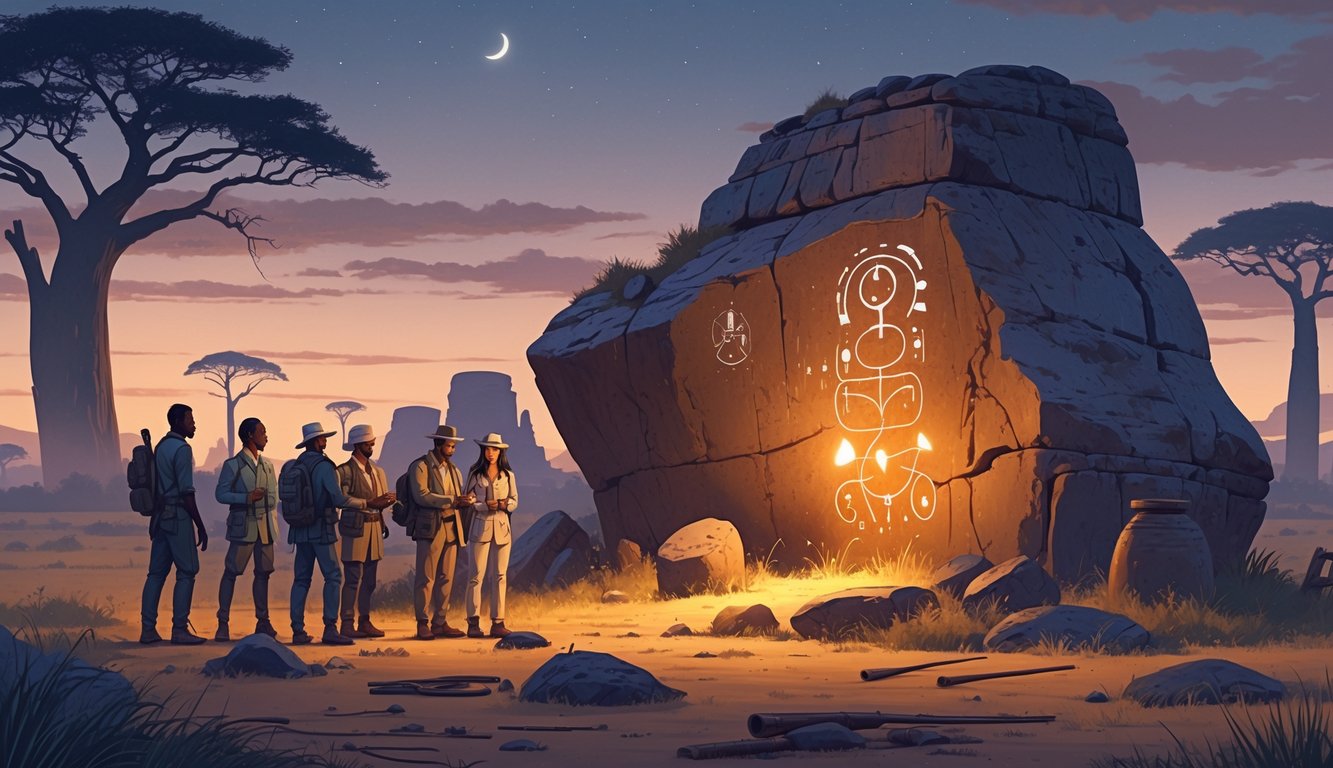
Execution Rock near Molepolole is known for its strange stories and local legends. This site has a reputation linked to fear, mystery, and old beliefs still discussed by locals and visitors.
Superstition and Black Magic
Many people in the area say Execution Rock once played a role in punishing those accused of practicing black magic. Local folklore tells how villagers believed the rock was used as an execution site for such people.
The Bakwena tribe and others living near Molepolole have long viewed the site with suspicion. Some say the cave that overlooks the village was perched high on the hills to keep dark rituals hidden from the public.
Stories share that those found guilty of witchcraft or sorcery were supposedly pushed off the rock as punishment. This earned it the nickname, “Execution Rock.”
Today, people visit the rock and nearby caves to learn about the region’s old customs. The mix of rumor and myth keeps the tale alive. To read more about these local legends, this article from Heritage Watch Botswana gives deeper insight.
Witches and Evil Spirits
Execution Rock often comes up when people talk about witches and evil spirits in Botswana. Many older stories warn that the hill and caves are haunted by the souls of those accused of witchcraft.
Some tales say local people avoided the place at night, fearing spirits linked to past executions. Ancient beliefs in Molepolole suggest these spirits lingered because the accused never received a proper burial or forgiveness.
Some versions say the rock echoes with strange noises at certain times, which villagers blamed on restless souls and witchcraft. Even now, some residents say visiting Execution Rock at night brings bad luck or strange feelings.
People treat the place with respect and often avoid making jokes about it. For more on the area’s supernatural connections, Ancient Origins discusses the history and legends of Kebokwe’s Cave.
Legendary Botswana Tribal Histories
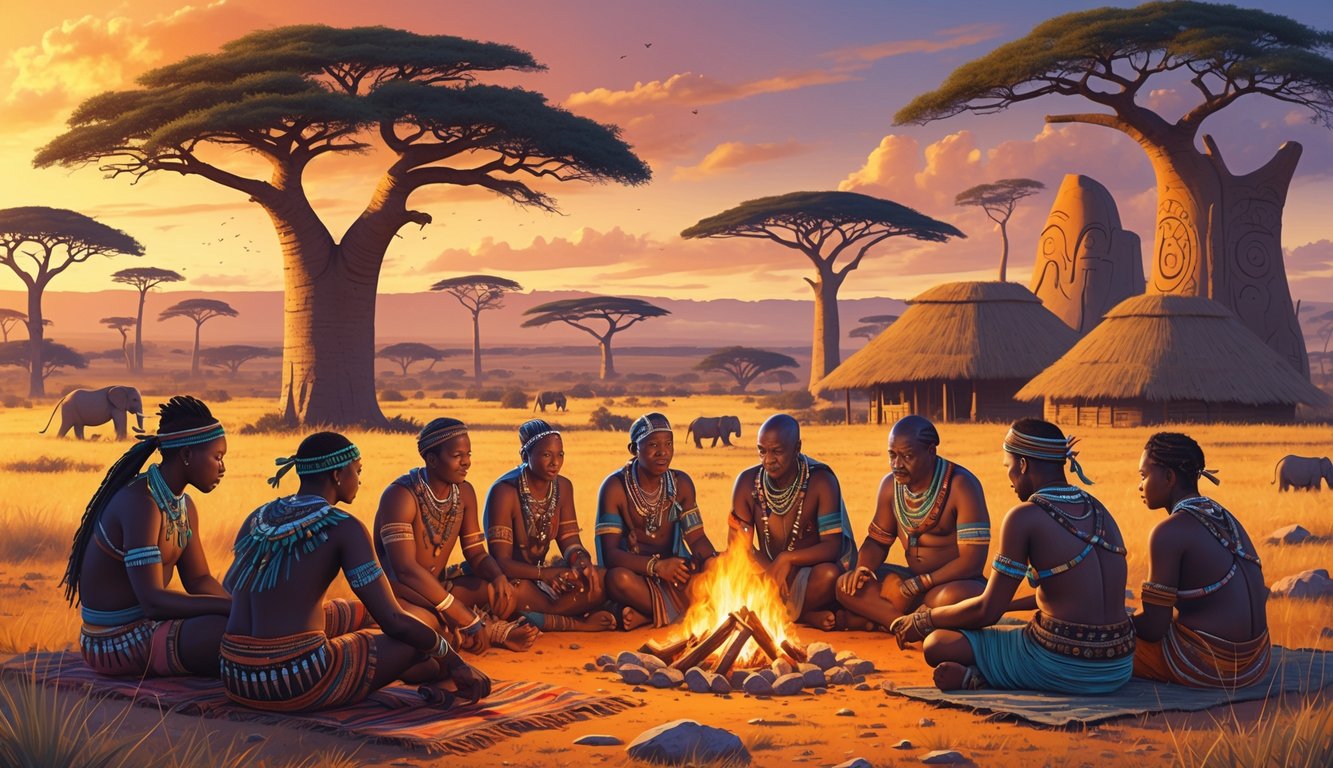
Botswana’s tribes have deep roots, with unique histories and customs passed down for generations. Some stories blend fact and legend, shaping how people see their ancestors and homelands.
Mysteries of the Bakwena Tribe
The Bakwena are one of the oldest and largest tribes in Botswana. Their main settlement is in Molepolole, also known as the “capital” of the Bakwena.
Some stories say that the Bakwena’s ancestors migrated from the north and settled in the area hundreds of years ago. One important part of Bakwena history involves Kobokwe’s (or Kebokwe’s) Cave, which is surrounded by myths and was once thought to be a place of witches and evil spirits.
Today, many visitors come to the cave, and local Christians see it as a sacred spot. The story of the cave, along with the tribe’s traditional culture, shows how old beliefs mix with modern life in Botswana.
To learn more about this story, visit information about Kebokwe’s Cave and Bakwena beliefs.
Batswana Oral Traditions
Oral traditions play a key role in how the Batswana pass on their history and teach young people about their customs. Elders tell stories about how the tribes grew, faced challenges, or clashed with each other.
These tales are shared at family gatherings, festivals, and other important community events. Common landmarks like Molepolole and Mochudi are often included in these stories.
Oral narratives help explain where important customs started and why they matter. Through these traditions, the Batswana preserve details about heroic leaders, early migrations, and connections with other tribes.
For more on Tswana narratives and their importance, see this look at the myths of the Tswana people.
Historic Pilgrimage Sites and Spiritual Legends
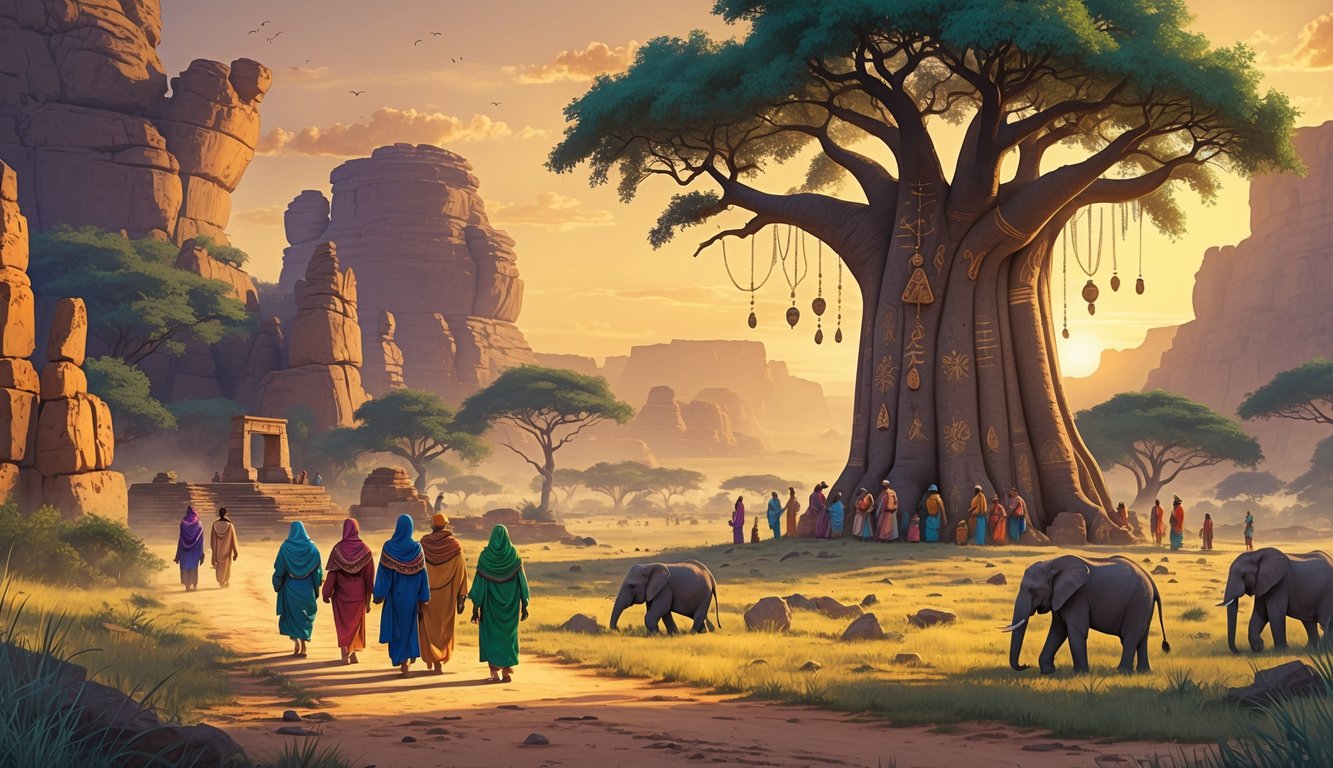
Botswana’s landscape includes sites with deep spiritual meaning and important historical journeys. Some places have become key destinations for Christian pilgrimage and for tourists curious about legends and sacred stories.
Christian Pilgrimage Traditions
Kebokwe’s Cave has a complex history. Once feared for its link to witches and evil spirits, it now stands as a respected Christian pilgrimage site.
Today, visitors travel to this sacred spot for prayer, reflection, and spiritual healing. The site is in a Botswana Heritage Park and is protected for its cultural and historical value.
Christians see it as a place to connect with their faith through quiet gatherings. The cave also attracts tourists interested in its mix of ancient legends and modern worship.
Stories about spiritual events are common at Kebokwe’s Cave. Many people, including locals and travelers, share tales of mysterious experiences while visiting.
David Livingstone’s Passage
David Livingstone, the famous explorer, left a mark in Botswana’s history with his journeys through the area. Many believe he passed near Kebokwe’s Cave, and local accounts often mention his visits.
Livingstone used the area as a stopping point during his travels. His work as a missionary and explorer links him closely to Botswana’s religious past.
Some travelers follow his route today, stopping at sites where Livingstone once walked. Local stories connect Livingstone’s journey to the rise of Christian faith in Botswana.
For many, his presence adds meaning to visiting places like Kebokwe’s Cave and other heritage parks across the country.
Unsolved Mysteries in Botswana’s Wildlife

Botswana’s wildlife history includes creatures once found in large numbers and stories passed down for generations. Some mysteries remain unsolved, leaving researchers and locals with many questions.
The Disappearing Hippopotamus
In parts of southern Africa, the hippopotamus was once a common sight along rivers and floodplains. In recent years, their numbers in some regions of Botswana have dropped sharply.
This change has puzzled wildlife experts and those who manage game reserves. Possible reasons include habitat loss, climate changes that affect river patterns, and illegal hunting.
Diseases carried by water or other animals have also been blamed. No single cause fully explains where so many hippos have gone, and some areas have seen hippos vanish nearly overnight.
Conservationists now study water levels, track animal movements, and work to protect the remaining hippo populations. The lack of clear answers has made the disappearing hippos one of Botswana’s most notable wildlife mysteries.
For more on the region’s animal history, see this detailed account of Botswana’s big game.
Wildlife Superstitions
Many people in Botswana and southern Africa believe that some wild animals have special powers or bring luck, both good and bad. These beliefs are strong around certain animals, such as the hippopotamus, elephant, and leopard.
Local legends say the hippopotamus can control the weather or affect water levels in rivers. In some villages near game reserves, residents share stories of seeing strange animal behavior before big events, like floods or droughts.
Some communities use charms or rituals to protect themselves or their livestock from wild animal spirits. These superstitions are part of daily life for some families and shape how people interact with Botswana’s wildlife.
They have been passed down for many generations. They add meaning to the landscapes and creatures of the Kalahari and Okavango regions.
To read more about the local culture and hidden sanctuaries, try this list of hidden wildlife sanctuaries in Botswana.
Kalahari Desert Mysteries
The Kalahari Desert covers much of Botswana. It is a landscape of sand, grasslands, and scrub.
The Kalahari is well known for ancient stories about missing civilizations. Local hunter-gatherers hold unique spiritual beliefs about the land.
Vanished Peoples of the Kalahari
For over a century, explorers and researchers have searched for evidence of a “lost city” in the Kalahari Desert. An explorer named “Great Farini” claimed to have found mysterious ruins and unusual stone formations in 1885.
Many people soon wondered if a lost civilization once lived here. Despite many searches, no one has found clear proof of a grand, missing city.
Archaeologists have found ancient settlements and signs that people lived in the region for thousands of years. Sites like Kweneng and Ditsobotla in Botswana show evidence of early villages.
Most scientists agree that the Kalahari’s harsh conditions made building large cities difficult. The area was home to small groups of hunter-gatherers, especially the San people.
The San learned to live in balance with the desert and used its resources wisely.
Bushman Spiritual Beliefs
The San people, also called Bushmen, are among the oldest hunter-gatherer societies in southern Africa. Their spiritual beliefs are closely tied to the Kalahari landscape.
They believe in a world full of spirits connected to animals, plants, and natural forces. A central idea in Bushman spirituality is the power of the trance dance.
During this ritual, men and women sing, clap, and dance for hours. Some reach a state called !kia, where they believe they can heal sickness and talk with the spirit world.
Rock art across the Kalahari gives more clues about their beliefs. Paintings often show animals like elands and scenes from the trance dance.
These images show that the San viewed the desert as filled with life and mystery. Their stories and art continue to share the secrets of the Kalahari with each new generation.
Enigmas in Botswana’s Heritage Parks
Botswana Heritage Parks surprise visitors with ancient sites, unusual landscapes, and local legends. These places are special not just for their natural beauty but also for stories and mysteries that fascinate both locals and tourists.
Untold Stories of Botswana Heritage Park
Botswana Heritage Parks are home to places filled with mystery, like Kobokwe’s Cave. This cave stands out for its rocky environment, which is uncommon in Botswana’s mostly flat scenery.
Local folklore tells that Kobokwe’s Cave was once feared because people believed spirits haunted it and that supernatural events happened there. Now, the Bakwena tribe uses the cave for rituals and prayers.
Some visitors and locals believe special powers are present here. They share stories of unusual sounds or lights in the cave.
Lists of important cultural spots, like this cave, highlight how history and legend come together at these parks. Today, these parks protect the sites for future generations.
More about Kobokwe’s Cave can be found in this detailed exploration of its supernatural and sacred status.
Tourist Encounters with the Unknown
Tourists visiting these parks often come seeking a unique adventure. They are drawn to places with stories of the unexplained, hoping to see or experience something out of the ordinary.
Many share experiences of feeling an unusual chill, spotting odd shapes, or hearing whispers near historic spots. Local guides are key to these encounters.
Guides share legends and point out places where people have reported strange things. Sometimes tourists take photos or videos, hoping to capture proof of these mysteries.
The mix of history, mysterious sites, and living folklore turns visits to Botswana Heritage Parks into memorable journeys for travelers looking for something more than a simple tour.
Gaborone: Urban Legends and Mysteries
Gaborone is full of stories that mix old traditions and new city life. Local folklore shapes the city, and tales from nearby places like Mochudi add depth to Botswana’s history.
Hidden Stories in Mochudi
Mochudi, a village close to Gaborone, is well known for its traditional legends. Some stories come from caves and hills around Mochudi, where people believe spirits once lived.
An example is Kobokwe’s Cave, which is linked to tales of a witch who was said to practice black magic. Villagers talk about the cave being haunted by evil spirits and how the area changed when explorers like David Livingstone visited.
Today, some locals still avoid parts of these hills and caves at night. The legends serve as a way for families to pass along traditions and warnings to younger generations.
Table: Legends of Mochudi
| Location | Main Tale | Key Characters | Beliefs |
|---|---|---|---|
| Kobokwe’s Cave | Witch who used dark magic | Witch, explorer | Haunted lands, evil spirits |
For more about the legend of Kobokwe’s Cave and its connection to explorers, see detailed stories at Kobokwe’s Cave.
Modern Myths in the Capital
Even as Gaborone has grown into a large city, modern myths spread across the capital. Stories often feature mysterious events that people share in markets and on social media.
Some tales center on strange sightings, such as unexplained shadows along city streets or odd happenings after dark. A popular book series, “The No. 1 Ladies’ Detective Agency,” has introduced more people to the city’s sense of mystery.
The books are set in Gaborone and follow Mma Precious Ramotswe as she solves local cases, drawing from Botswana’s rich storytelling traditions. These stories highlight how, even in busy city life, folklore and mysteries remain important.
See more on Gaborone’s unique blend of fact and fiction at Why the Name: Gaborone?.
Botswana in Literature and Detective Fiction
Botswana is well known in books for its vivid landscapes and unique mysteries. Several authors have set their detective stories here, combining crime-solving with local culture and history.
No. 1 Ladies’ Detective Agency’s Mysteries
Alexander McCall Smith writes the famous “No. 1 Ladies’ Detective Agency” series. He introduces readers to Precious Ramotswe, Botswana’s first female private detective.
Ramotswe uses her practical wisdom and strong sense of justice to tackle everyday mysteries in Gaborone. The series is not just about crime; it explores life, tradition, and values in Botswana.
The books describe real places and local customs, making the country come alive for readers. Many fans enjoy Ramotswe’s thoughtful style and the gentle pace of the investigations.
Stories range from missing persons to family feuds, all wrapped in the charm of southern Africa’s landscapes and communities. For more on these books, see this list of books set in Botswana.
Detective Kubu and Other Literary Puzzles
Michael Stanley is the pen name for two authors, Michael Sears and Stanley Trollip. Their Detective Kubu series stars David “Kubu” Bengu, a police detective in Botswana.
Kubu’s cases are darker, often featuring murder and corruption. The books dive into legal systems and cultural complexities in modern Botswana.
Detective Kubu is very smart, using both modern forensics and local knowledge to solve mysteries. Other authors, like Unity Dow and Frederick Ramsay, have also set mysteries in Botswana.
New detectives, such as Samantha Khama, bring even more variety. These stories give readers a broader look at the roles of crime and justice across southern Africa and show how local traditions meet new influences.
Contemporary Legends and Ongoing Investigations
Botswana’s history is not just ancient—it also includes stories and legends that have developed in recent years. Locals still grapple with modern mysteries and old superstitions that shape daily life and beliefs.
Modern Folklore and Urban Mysteries
Modern folklore in Botswana often merges local traditions with new urban legends. Stories of haunted places, unexplained disappearances, and magical beings are told in many towns and villages.
For example, myths about “tokoloshe” spirits—small, mischievous creatures—continue to circulate, especially among the youth in southern Africa. In the city, urban legends involve stories about mysterious cars appearing at night or sightings of ghostly figures in abandoned buildings.
Online platforms and community pages help share these tales. These stories reflect local fears, social changes, and reminders of older beliefs.
Folklore is alive in today’s Botswana. Some of the most popular legends, like those surrounding Botswana’s haunted sites, can be explored in the Gritty Legends: Botswana’s Urban Legends and Myths Uncovered series.
Supernatural Beliefs Today
Superstitions and supernatural beliefs still play a big role in Botswana’s culture. Many people visit places thought to have supernatural powers, like Kobokwe’s Cave.
This cave was once feared for witchcraft and dark magic. Now, it serves as both a tourist attraction and a sacred site for prayer.
Some families still perform rituals for protection against evil spirits or misfortune. Communities discuss witches, curses, and mysterious illnesses as part of daily conversation.
These beliefs affect customs, social gatherings, and even local laws. Rituals and ceremonies blend old traditions with new influences.
Supernatural beliefs shape choices about health, community safety, and spiritual practices. The transformation of Kebokwe’s Cave into a sacred place of worship shows how these beliefs continue to influence life in Botswana.