Barbados is famous for its sunny beaches and vibrant culture. The island also holds unsolved secrets from the past.
Some of the biggest historical mysteries in Barbados include unexplained events, strange legends, and mysterious sites that still capture people’s imagination today. These puzzles show there is much more to this Caribbean island than meets the eye.
Stories like the eerie tale of the Chase Family Vault highlight how history and legend mix in Barbados. Locals and visitors have long wondered about ancient burial grounds and legends passed down through generations.
The island’s mysterious sites invite curious minds to dig deeper and discover the unknown behind the beauty. From hidden burial sites to strange happenings by old churches, Barbados offers a look at the unexplained side of Caribbean history.
The Moving Coffins of Barbados
The Chase Vault in Barbados is famous for reports of coffins that moved by themselves. This case involves the burial site of the Chase family and unexplained activity in the crypt.
Origins of the Chase Vault Mystery
The Chase Vault is an old stone burial crypt in the cemetery of Christ Church Parish Church near Oistins, Barbados. Builders constructed it in the late 18th century as a family tomb for the Chase family.
The first person buried in the vault was Thomasina Goddard in 1807. Her coffin was made of wood, while later coffins were heavier and made from lead.
The Chase family soon faced tragedy. Dorcas Chase and her father Colonel Thomas Chase were both laid to rest there within a short span.
Quick timeline inside the Chase Vault:
| Year | Person Interred |
|---|---|
| 1807 | Thomasina Goddard |
| 1808 | Dorcas Chase |
| 1808 | Colonel Thomas Chase |
| Later | Samuel Brewster, James Elliot |
Each time, workers sealed the crypt tightly with a heavy stone slab. No one suspected anything unusual until the reports of moving coffins began.
Accounts of the Supernatural Events
In 1812, when the vault was reopened for another burial, people discovered the coffins out of place. Some were turned upside down or leaning at odd angles.
These coffins, especially the heavy lead ones, seemed too difficult for any person or animal to move alone. Every time someone entered the Chase family vault after that, the coffins had moved again.
The wooden coffin of Thomasina Goddard was often damaged and pushed aside. The others, made of heavy metal, were scattered around the crypt.
Reports from the time described the scene inside as always chaotic. Many in Barbados believed supernatural forces were involved.
Stories spread of unexplained phenomena and ghostly activity haunting the Chase family vault. The crypt gained a reputation as one of the Caribbean’s most unsolved mysteries.
Investigations into the Phenomenon
Officials decided to investigate the strange events. They inspected the crypt for flooding, earth tremors, and tampering, but nothing explained how the heavy coffins could move.
Investigators spread sand on the floor to catch footprints, but found no evidence of people entering. Local authorities and even the governor took part in the investigations.
They sealed the stone slab carefully each time and found it undisturbed from the outside. Theories ranged from hidden floods shifting the coffins to pranksters sneaking in, but no proof ever surfaced.
Despite many attempts to find an answer, the mystery of the moving coffins remains unsolved. The Chase Vault now stands empty, and guides and historians still tell its story throughout Barbados.
The Chase Family and Their Vault
The Chase family was well-known in early 1800s Barbados. They owned a famous burial vault at Christ Church Parish Cemetery.
The family’s story is closely tied to strange events involving moving coffins and mysterious incidents in the vault.
History of the Chase Family
The Chase family were plantation owners who lived in Barbados during the 18th and 19th centuries. Colonel Thomas Chase was the most prominent member, known for his strict and harsh management of his estate.
Many people disliked him, and his reputation for cruelty was well-known among both locals and his own workers. The family acquired the stone burial chamber called the Chase Vault in 1808.
This vault, located in the Christ Church Parish Cemetery near Oistins, had originally been built about 80 years earlier. Before the Chases took over, only one person, Thomasina Goddard, had been buried there.
When the Chases began using the vault, it was not only for direct family members but also sometimes for close friends or associates. The vault gained attention for the mysterious reports that the heavy wooden coffins inside were found moved or overturned whenever it was opened for a new burial.
Notable Burials and Figures
Several members of the family and others connected to them were buried in the vault. Thomasina Goddard was the first to be interred before the Chase family’s involvement.
Later, Dorcas Chase, one of Thomas Chase’s daughters, was buried there after passing away at a young age. Dorcas’s death was tragic; some stories suggest she died from grief or heartbreak.
Colonel Thomas Chase himself was added to the vault in 1812. After his burial, reports of the moving coffins increased.
Another individual linked to the vault is James Elliot, who served as a caretaker and witnessed the strange events. Each burial led to another inspection and more reports of displaced coffins.
These unexplained incidents have made this vault one of the most talked-about historical mysteries in Barbados.
The Role of Christ Church Parish Church
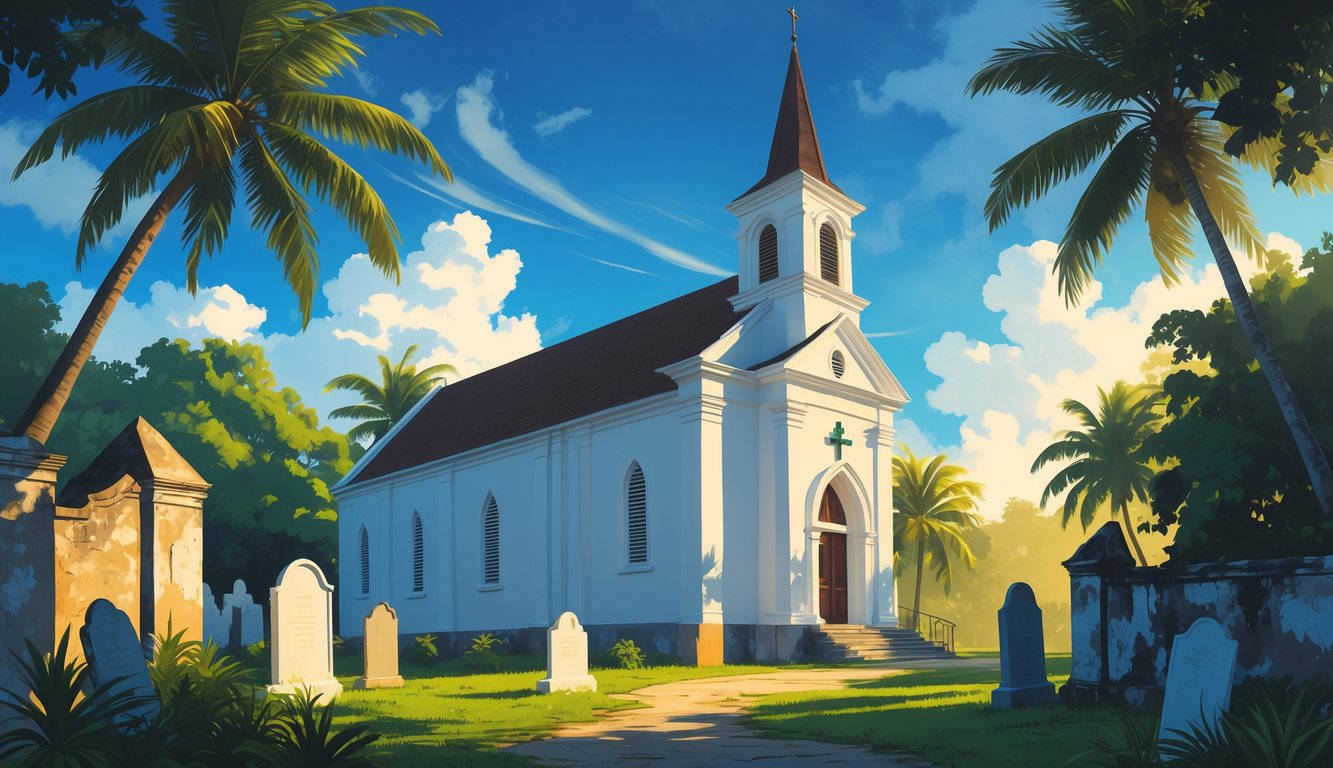
Christ Church Parish Church in Barbados has stood for centuries as both a spiritual and historic landmark. Its cemetery and the church building hold stories important to the island’s past, especially surrounding unique mysteries and burial customs.
Historic Significance
Builders first erected Christ Church Parish Church around 1629, making it a key part of early religious life in Barbados. The original building was a simple wooden structure near the coast of Dover.
In 1669, flooding destroyed the church, and the sea washed it away. The church was rebuilt several times and remains active today.
The grounds feature several family vaults dating back to 1672. It is one of the island’s oldest places for Christian burial.
The church became famous not only as a worship center but also as the location of mysterious events—like the Chase Vault mystery that drew attention to moving coffins.
The church has often been at the center of community events, weddings, funerals, and major milestones.
Burial Traditions in Christ Church
The cemetery at Christ Church Parish Church is known for its old burial vaults. Many are family tombs lined up side by side.
These stone vaults often hold generations of one family in a single structure. Families used heavy slabs to seal the vaults, a style passed down through the years.
Some of the vaults date back to the late 1600s. In the early 1800s, the church gained attention because coffins inside the Chase Vault appeared to move on their own.
This led people to wonder about ghosts, natural disasters, or even secret tunnels. Families in Christ Church Parish Church’s cemetery often marked graves with elaborate carvings, names, and dates.
These customs show the importance of remembering ancestors and keeping traditions alive. Burial customs at Christ Church reflect both European influences and local Barbadian identity.
Supernatural Theories and Folklore
Barbados is known for its mysterious stories and unique folklore. Many of these tales feature unexplained events and supernatural forces that have shaped the island’s history and culture.
Local Legends Surrounding the Vault
The Chase Vault in Christ Church stands out as one of Barbados’ most puzzling mysteries. According to local legend, the heavy coffins inside this family tomb moved on their own, even though a massive stone sealed the entrance.
Each time the vault was opened for a new burial, people found the coffins shifted out of place—sometimes stacked oddly or turned over. Residents whispered that spirits or supernatural forces were disturbed by something in the area.
Some believed that the limestone around the vault held strange powers, or that the dead were not at peace. Others said these movements were warnings or messages from beyond.
These stories passed down from generation to generation became part of the island’s rich folktale tradition. People gathered to share their own theories about what really happened in the Chase Vault.
Influence on Modern Paranormal Tales
Stories about the moving coffins have inspired new ghost stories and legends across Barbados. They often appear in books, films, and local storytelling events.
Many modern tales twist the Chase Vault mystery into fresh stories about restless spirits and unexplained mysteries. Paranormal investigators and tourists visit the vault, hoping to find signs of supernatural activity.
Some visitors claim to feel chills or sense something strange nearby. The Chase Vault story is now part of the broader folklore that includes other mysterious creatures and tales, such as the Heart Man and ghostly figures.
These legends continue to influence how people in Barbados see the unknown. They keep old mysteries alive and add new twists, blending history with imagination.
Scientific and Historical Explanations
Researchers and historians have spent years looking into the strange events at the Chase Vault in Barbados. Theories about the moving coffins and other unsolved mysteries still spark curiosity and debate.
Natural Causes Evaluated
Many believe natural forces could explain the moving coffins in the Chase Vault. Some have blamed earthquakes for shifting the heavy burial boxes.
However, records show that no other tombs in the cemetery were disturbed during the same time. Others have suggested flooding as a possible reason.
They argue that water may have entered the vault, causing the coffins to float and move. But investigators found no signs of water damage or cracks allowing floodwater inside the sealed space.
Researchers also examined the local environment, such as humidity and unstable ground. These ideas cannot fully explain the repeated strange events found only in this one vault.
People remain puzzled and continue looking for answers to these historical mysteries.
Skeptics’ Theories
Skeptics offer several explanations rooted in human activity and logic. They often question if the moving coffins were part of a prank or trick played by local people or cemetery workers.
Since the Chase Vault was opened and closed many times, some think secret tampering could have happened when no one was watching. Others think the story may have grown over time as people retold it.
Memories fade, and details change, making the events sound stranger than they really were. Some even believe the whole tale might be an exaggerated legend instead of a real event.
The mystery of the moving coffins and other unsolved mysteries in Barbados continue to spark investigation and fascination.
Other Notable Historical Mysteries in Barbados
Barbados is filled with stories that have puzzled both locals and visitors for years. Some tales focus on hidden riches, while others involve secret passages and unknown history beneath the island’s towns.
The Lost Treasures of Bridgetown
Bridgetown, the capital of Barbados, is rumored to be the hiding place of lost treasures from centuries ago. When pirates and privateers sailed the Caribbean, Bridgetown was an important port.
Stories claim that some of these outlaws buried gold, silver, or old coins in or near the city. Several old maps and ship logs mention items going missing at the port.
Over the years, treasure hunters have searched beaches, warehouses, and even family gardens. However, no large stash has ever been officially found in Bridgetown.
Local legends add to the mystery. Some say treasure is hidden beneath old buildings or buried near the Careenage.
Rumors sometimes surface about found coins or artifacts, keeping hope alive for anyone searching for Barbados’s historical treasure. The excitement around these stories draws curious explorers to the city even today.
The Secret Tunnels of Oistins
Oistins is a historic fishing town on the southern coast, best known for its lively market and Friday fish fry. Another lesser-known fact is that people have whispered about secret tunnels underneath Oistins for hundreds of years.
Some researchers believe smugglers or escaping slaves used these underground passages. Others think British soldiers built them to move safely between gun batteries and coastal forts.
Many houses near the waterfront have old cellars that hint at possible tunnel entrances. Despite many stories, no full map of these alleged tunnels exists.
Occasionally, locals discover a bricked-up passage or vent during home renovations. The idea of hidden routes beneath Oistins continues to capture imaginations.
Explorers still hope to uncover what really lies below the town. Local guides sometimes mention these tales during tours, making the mysteries of Oistins an interesting topic for visitors and residents alike.
Enigmatic Sites and Architectural Wonders
Barbados is home to rare architectural sites and centuries-old mysteries. Rich stories surround its Jacobean mansions and signal stations.
St. Nicholas Abbey
St. Nicholas Abbey is one of only three original Jacobean mansions in the Western Hemisphere. Built in the mid-1600s, its distinct architecture includes curving gables, ornate fireplaces, and intricate woodwork.
The abbey’s deep history features tales of sugar cane farming, stories of enslaved workers, and family legends. Inside, visitors find a working rum distillery, antique furniture, and documents dating back hundreds of years.
Many wonder about the hidden rooms and underground tunnels rumored to exist on the estate. Some claim the abbey is haunted, adding to its sense of mystery.
Events and archaeological discoveries continue to reveal new details about its past. You can find more details and photos of this site at the Seven Wonders of Barbados.
Gun Hill Signal Station
Gun Hill Signal Station stands high on a hill with sweeping views over Barbados. Built in 1818, it was part of a network that used signal flags to warn the island about approaching ships or danger.
The architecture is simple but sturdy, designed to withstand strong winds and attacks. The site features a restored signal station, a historic stone lion statue, and old barracks.
Many visitors wonder about possible tunnels beneath Gun Hill and the secret messages sent from here during wars and revolts. The panoramic view lets you see the island’s unique geography and other historical sites scattered across Barbados.
Discover more about Gun Hill Signal Station and its role in the island’s history at The Top Historic Sites to Visit in Barbados.
Legacy of Sugar Plantations and Their Secrets
Sugar plantations transformed Barbados, shaping the island’s land, people, and economy. Many stories tied to these estates remain unsolved, especially about who owned the plantations and how the hidden buildings operated.
Hidden Histories of Plantation Owners
Plantation owners held great power in Barbados for centuries. These individuals were often wealthy Europeans who bought land to grow sugar cane and, at times, cotton.
Some plantations started small, but as sugar became more profitable, owners began to buy up neighboring lands and created enormous estates. Families often kept these lands for generations, passing down both wealth and secrets.
Records from this period can be hard to find or understand. Some owners changed their names or sold land secretly.
Marriage, inheritance disputes, and hidden partnerships often kept true stories out of public records. Sometimes, land deeds and old letters hint at family feuds, lost fortunes, or connections to events beyond Barbados.
Exploring the private lives of plantation owners helps people better understand the complex social history of sugar plantations and the impact their choices had on the island.
Mysteries of Sugar Production Facilities
The process of turning sugar cane into sugar was long, dangerous, and mostly hidden from outsiders. Sugar plantations often featured large factories with heavy metal rollers, boiling houses, and tall chimneys.
Many workers—especially enslaved Africans—kept the system running, often in brutal conditions. Some factories and estate buildings remain standing today.
Many secrets about how these places operated are still unsolved. For example, some plantations had underground rooms or hidden passages used for storage or escape.
Equipment from the 1600s and 1700s has been found buried on these lands, giving clues to the methods once used. Historians are still investigating how sugar production developed and why certain techniques were kept secret from competitors.
The layouts of old sugar estates sometimes reveal strange features, like locked cellars or walled-off rooms. People wonder what took place behind closed doors.
Historic Grounds and UNESCO Heritage Sites
Barbados is home to historic places that show the island’s long and complex past. Some of these sites are protected by international groups and draw visitors who want to learn more about Caribbean history.
Garrison Savannah and St. Ann’s Fort
The Garrison Savannah is a unique area in Barbados known for its role during the British colonial period. It once housed troops and protected the island.
Today, the wide open field is famous for horse racing and community events, but its roots are much deeper. Within the Garrison, St. Ann’s Fort stands out as the heart of the site.
Built in 1705, the fort was once the headquarters of the British West India Regiment. Its thick stone walls can still be seen today.
The fort included a parade ground, barracks, and other buildings, all part of what helped the community grow around it. Visitors can explore the grounds to see historic cannons, military artifacts, and the National Armoury Museum.
This area helps explain why the Garrison district is a key part of the island’s story. For more on its history and current sites, visit this guide on top historic sites in Barbados.
The Impact of UNESCO Recognition
The Garrison district, including St. Ann’s Fort, received the important status of UNESCO World Heritage Site. This means it is recognized internationally for its cultural value and for protecting Barbados’s colonial past.
UNESCO recognition brings attention to the need to preserve these historic buildings and grounds. With this status, the site gets more support for conservation, draws more visitors, and shares the story of Barbados worldwide.
Local schools, historians, and tourists use the UNESCO title as a way to learn and teach about the island’s history. The global acknowledgment also encourages better protection of other cultural sites in Barbados.
For more information, see the official list of World Heritage Sites in Barbados.
Influence on the Wider World
Some of Barbados’s most puzzling historical events have inspired stories far beyond the island. These events have caught the interest of writers, filmmakers, and mystery lovers worldwide.
Media and Literary Interpretations
The history of Barbados has appeared in many books, movies, and articles. Famous writers like Sir Arthur Conan Doyle, creator of Sherlock Holmes, showed interest in the island’s mysteries and strange stories.
Doyle was fascinated by Barbados ghost tales and unusual cases, often sharing them in his public talks and writings. Barbados’s stories of haunted places, such as the moving coffins of the Chase Vault, have appeared in documentaries and mystery books.
These stories often show up in travel magazines and television specials, drawing people to visit the sites in person. Lists and features on “top mysteries” highlight Barbados for its unique blend of folklore and real-life puzzles.
Many readers are especially interested in how the past connects to present-day culture and tourism in Barbados.
The Case of Lord Combermere
One of the island’s most famous mysteries involves Lord Combermere, a British soldier who served as governor in the early 1800s. After his death, people reported strange things in the family’s burial vault.
The stories became famous worldwide, especially through detailed, historic accounts of the incident. Some believed these reports were connected to the secret movement of coffins inside the vault.
News about the case even reached Europe, where scientists and people interested in the supernatural discussed it. Today, the Lord Combermere case is remembered as an example of how unusual events in Barbados have captured attention and sparked debate.
It remains a major topic in books and shows focused on unsolved mysteries.
Natural Wonders and Their Mysteries
Barbados is home to unique natural sites that spark curiosity and wonder. These places are known for their beauty, unusual rock formations, and stories passed down through generations.
Harrison’s Cave and Its Legends
Harrison’s Cave is one of the most famous natural landmarks in Barbados. It features streams, deep pools, and amazing limestone stalactites and stalagmites.
People have always wondered about the real depth of the cave. Many believe secret tunnels remain unexplored.
Some stories claim hidden treasures lie inside, left from old times. Tour guides often share local tales about strange echoes and shadowy corners.
The cave’s mix of science and legend attracts anyone interested in nature’s mysteries.