The Lost Colony of Roanoke is one of the most puzzling stories in early American history. In 1587, over 100 English settlers landed on Roanoke Island to start a new life.
When supply ships returned three years later, the entire colony had vanished. The only clue was the word “CROATOAN” carved into a post.
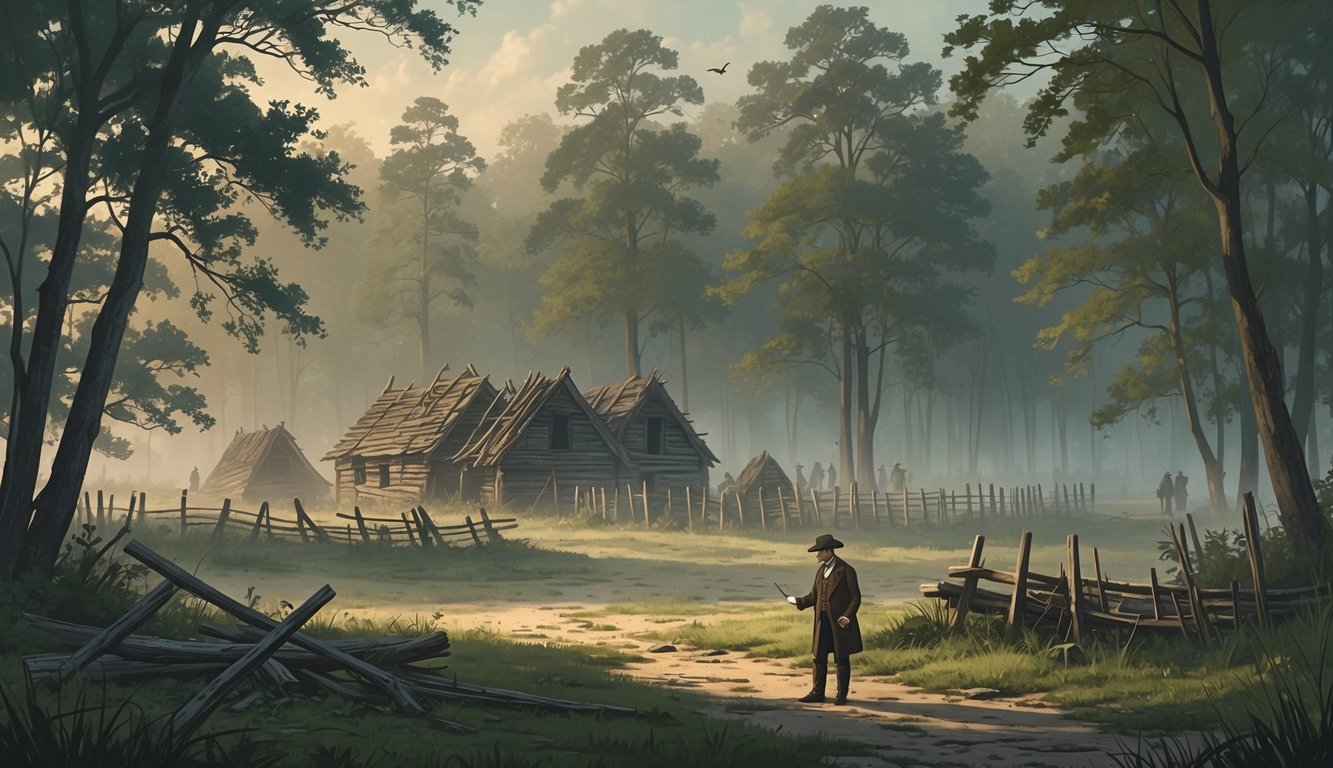
This event became known as America’s first missing-persons case. Archaeologists, historians, and TV explorers like those in Expedition Unknown’s Roanoke episode have searched for answers.
From abandoned fort sites to Native American oral histories, each discovery adds clues but never solves the mystery.
The story of Roanoke is more than a mystery. It shows the challenges, dangers, and cultural encounters of early colonial life.
By looking at the disappearance, the people involved, and the evidence left behind, we learn about the fate of the settlers and the start of English America.
The Disappearance of the Lost Colony
In 1587, over 100 English settlers built a small community on Roanoke Island, in present-day North Carolina. Within a few years, the settlement vanished, leaving only a few clues and a lasting mystery.
America’s First Missing-Persons Case
The Roanoke Colony was supposed to be England’s first permanent settlement in the New World. Governor John White led the group, which included men, women, and children.
In late 1587, White sailed back to England to get supplies. The Anglo-Spanish War delayed his return, and he could not come back until August 1590.
When White returned to Roanoke Island, he found no sign of the settlers. There were no signs of a battle or mass death.
The entire population—about 115 people—had disappeared. Historians call it America’s first missing-persons case.
Some believe the colonists joined nearby Native American tribes. Others think they moved inland or died from disease or hunger. No one has proven any of these ideas.
Discovery of the Abandoned Settlement
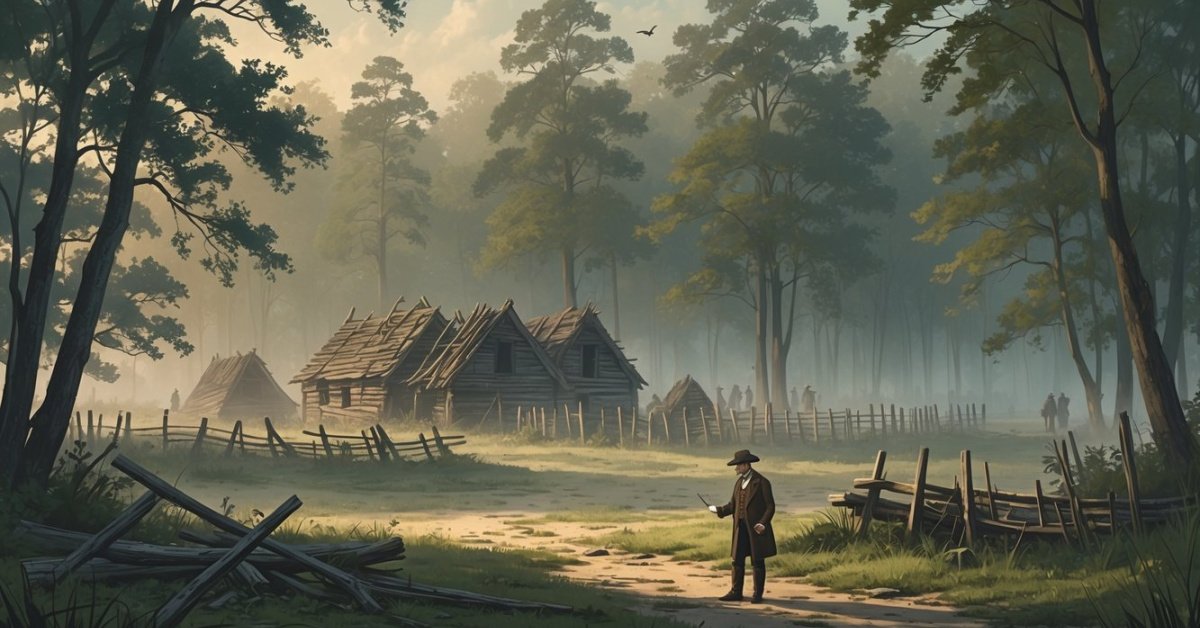
When the rescue party reached the site, they found the settlement deserted. The colonists had dismantled houses and defensive structures in an orderly way.
White saw that the settlers left behind personal items, which made him think they planned to return or left quickly. There were no bodies, no signs of struggle, and no clear direction of travel.
Archaeologists and researchers, as reported by Britannica, have found some artifacts possibly linked to the colonists. Still, no one has confirmed what happened to them.
The lack of evidence has kept the mystery alive for over four centuries.
The CROATOAN Inscription
The most famous clue was a single word carved into a wooden post: CROATOAN. This was the name of a nearby island, now called Hatteras Island, and the home of the Croatan people.
White had told the settlers to carve a cross if they were in danger, but he found no such mark. He believed the colonists had moved by choice.
Bad weather and few supplies stopped White from searching Croatoan Island. He never saw the settlers again.
Modern historians and archaeologists, such as those cited by PBS North Carolina, still try to find out if some survivors joined the Croatan or other tribes. The CROATOAN carving remains the most direct clue, but it has never been proven.
Roanoke Island: The Setting of the Mystery
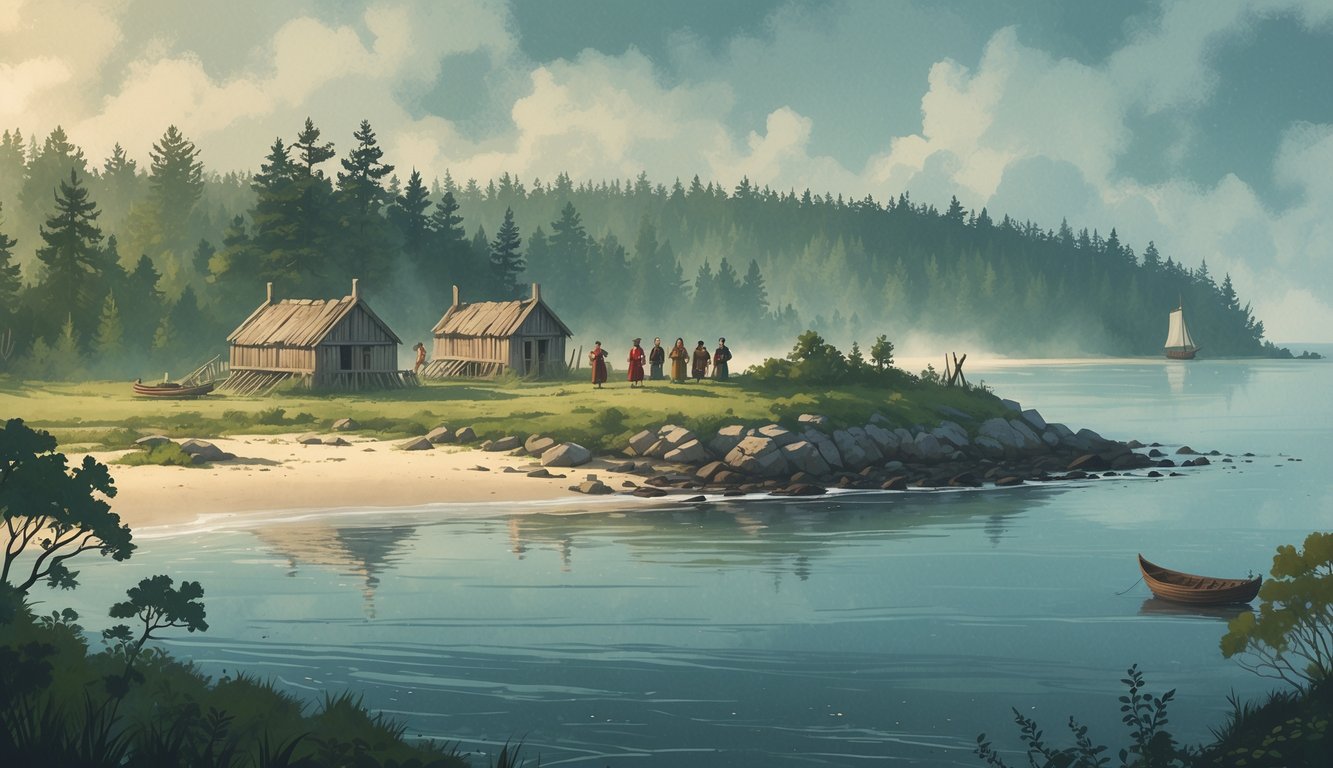
Roanoke Island is off the coast of today’s North Carolina, in the Outer Banks. Its location, natural resources, and waters shaped the settlers’ chances for survival.
Geography and Location
Roanoke Island sits between the North Carolina mainland and the barrier islands along the Atlantic. It is about 8 miles long and 2 miles wide, with marshes, forests, and sandy shores.
The island is surrounded by the Albemarle and Pamlico Sounds, which gave shelter to small ships. Shifting sandbars and shallow inlets made navigation hard, especially for bigger ships.
The climate is humid and warm for most of the year, with mild winters. These conditions allowed farming but also brought mosquitoes and storms.
The island was both a refuge and a risky place for a colony.
Significance to English Settlers
For the English in the late 1500s, Roanoke Island was more than just land. It was their first base in the New World and a possible center for trade and exploration.
The location let them watch shipping routes along the coast. They were also close to Native American communities, which could be friends or threats.
Sir Walter Raleigh sponsored the settlement to expand England’s reach. The island’s sheltered waters and distance from Spanish forces made it appealing, even though supplies from England took months to arrive.
Early Exploration and Settlement
The first English attempt to settle Roanoke Island happened in 1585, led by Ralph Lane. This was a military outpost, not a permanent town, and the settlers left after less than a year because of food shortages and conflicts with local tribes.
In 1587, about 115 settlers arrived under Governor John White to start what became the Lost Colony of Roanoke. This group included families.
White went back to England for supplies, but when he returned in 1590, the settlement was empty. The only clue was “CROATOAN” carved into a post.
Key Figures of Roanoke Colony
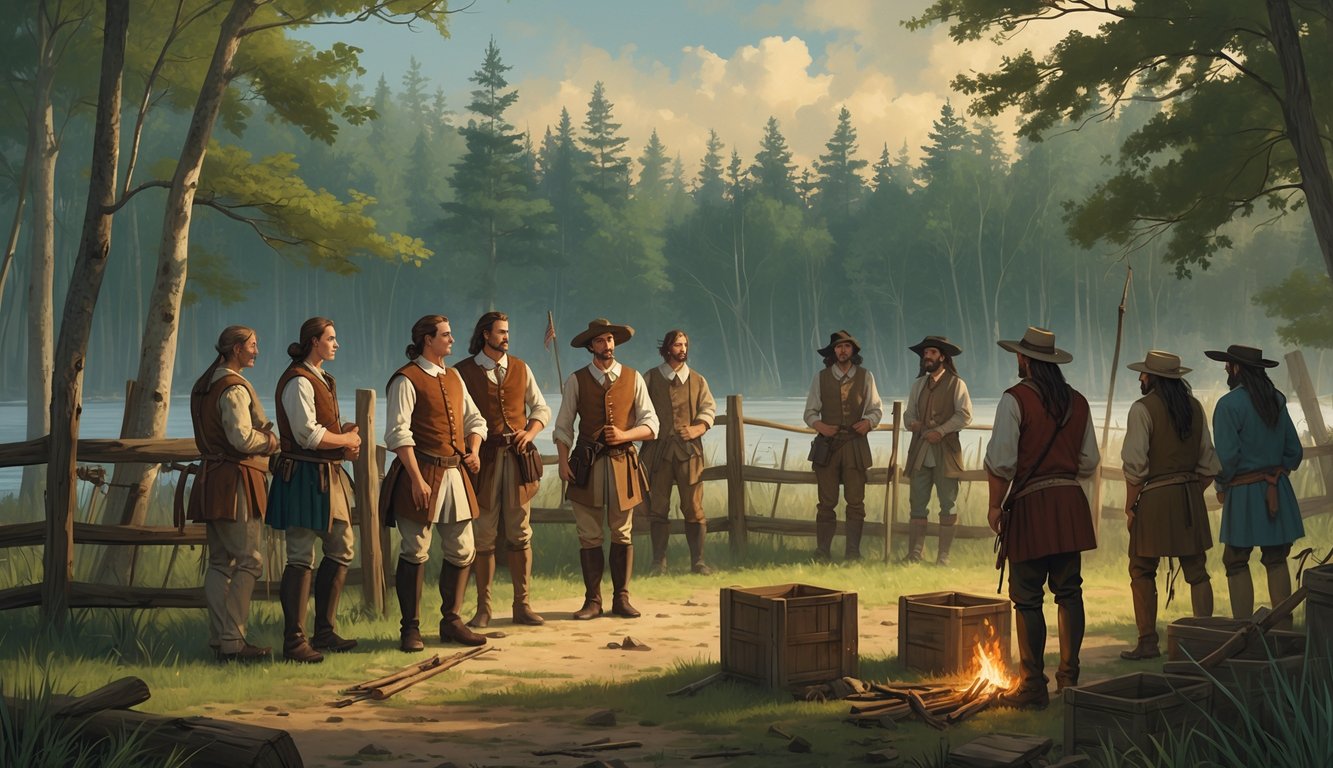
Several people stand out in the history of the Roanoke Colony because of their leadership or symbolic importance. Their stories help us understand England’s first try at a permanent settlement in North America.
John White: Governor and Artist
John White served as the governor of the 1587 Roanoke Colony expedition. He was also an artist who made detailed maps and watercolors of the New World.
Sir Walter Raleigh chose White to lead the settlers. He traveled with them to Roanoke Island to build a new settlement.
In late 1587, White sailed back to England for supplies. The war with Spain delayed his return until 1590. When he came back, the colony was deserted, with only “CROATOAN” carved into a post.
His maps and drawings still help historians understand the land, people, and wildlife of the region. You can read more about him in the Roanoke Colony history.
Virginia Dare: America’s First English Child
Virginia Dare was John White’s granddaughter and the first English child born in North America. She was born on August 18, 1587, soon after the settlers arrived.
Her birth gave the colonists hope for a new life in America. She disappeared with the rest of the settlement by 1590.
Virginia Dare’s name became part of American folklore. People have used her story in legends and advertising. While we know little about her life, she remains a symbol of the colony’s mystery. Read more in the Lost Colony account.
The English Settlers
The Roanoke settlers included men, women, and children. Many were artisans, farmers, and tradespeople, hoping to build a permanent community.
They faced limited supplies, new land, and tense relations with local Native American groups. Both cooperation and conflict shaped their daily lives.
Notable members included Ananias Dare, Eleanor Dare, and key assistants to Governor White. Most of their names appear in lists like the roster of colonists, but what happened to them is still unknown.
Timeline of the Roanoke Colony
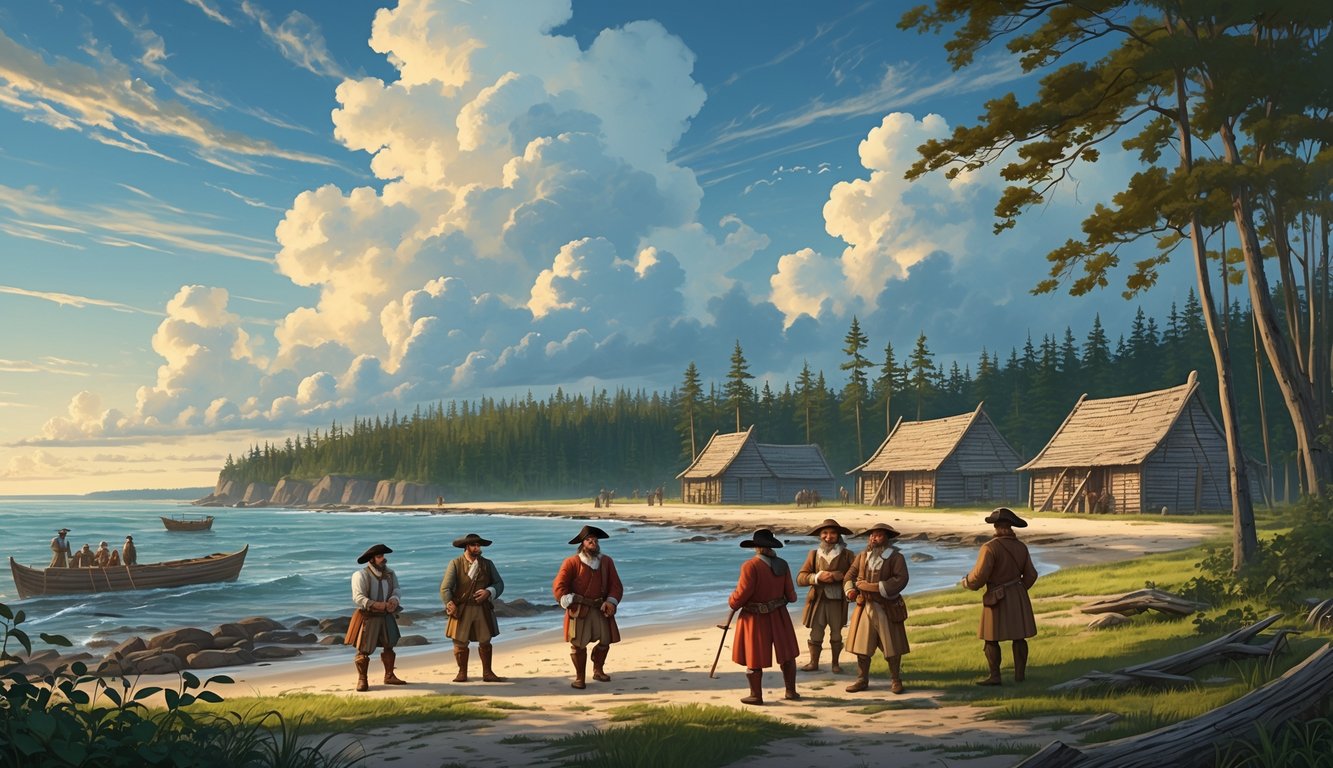
The Roanoke Colony marked England’s first effort to create a permanent settlement in North America. It involved two main expeditions, long delays in resupply, and ended with the settlers’ unexplained disappearance.
The 1585 and 1587 Expeditions
In 1585, Sir Walter Raleigh sent the first English colony to Roanoke Island. This group, mostly soldiers and explorers, tried to set up a military outpost. Harsh conditions and poor relations with local tribes made them leave within a year.
A second group arrived on July 22, 1587. Governor John White led 117 settlers, including women and children. They planned to settle near the Chesapeake Bay but were left at Roanoke instead.
The settlers repaired old structures and planted crops. Early tensions with nearby tribes caused problems. Within weeks, George Howe was killed while crabbing alone.
The group depended on supplies from England, so resupply trips were crucial.
John White’s Return to England
In late summer 1587, food and tool shortages threatened the colony. The settlers asked John White to return to England for supplies.
White reached England as war with Spain grew worse. The Spanish Armada in 1588 forced the English to keep ships at home, delaying his return.
By the time White could travel back, almost three years had passed since he left the colony. The settlers had to survive multiple winters without help from England.
The 1590 Discovery
In August 1590, John White finally returned to Roanoke Island. When his party arrived, they found the settlement deserted.
Houses had been dismantled, and there were no signs of struggle or human remains. The only clue was the word “CROATOAN” carved into a post and “CRO” carved into a tree.
White believed the settlers had moved to Croatoan Island, now called Hatteras Island. Bad weather and damaged ships stopped a search.
The settlers were never found. Their fate remains one of history’s longest-running mysteries. Learn more from the Roanoke Colony timeline.
Clues and Evidence Left Behind
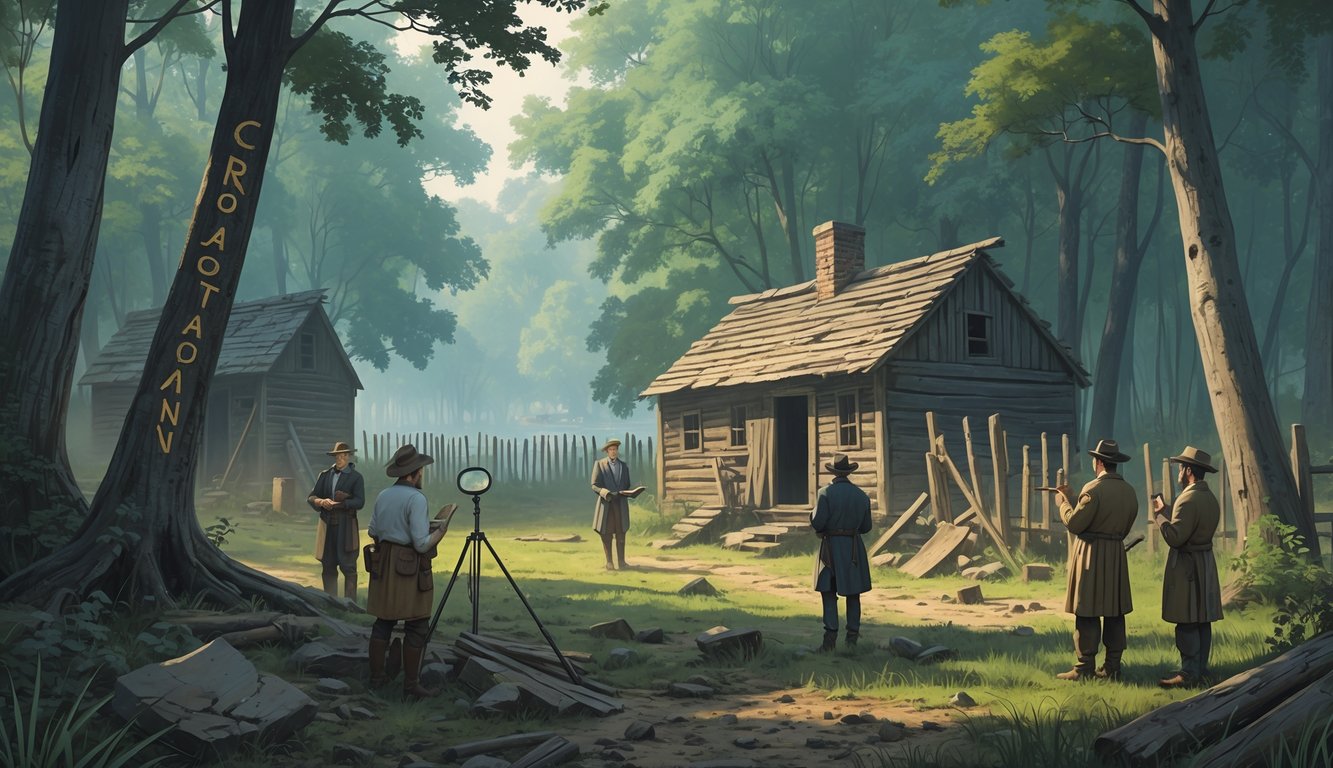
When the English returned to Roanoke Island in 1590, they found no colonists, no bodies, and no signs of a fight. Instead, they found only a few physical clues that hinted at where the settlers might have gone.
Later archaeological work has added more pieces to the puzzle.
The CROATOAN Carving
Governor John White found the word CROATOAN carved into a wooden post at the abandoned settlement. He also saw another carving, “CRO,” on a nearby tree.
Before leaving in 1587, White and the colonists agreed that they would carve a location name if they moved. They would also carve a cross if they left under threat.
White did not find a cross, so it seemed the colonists left willingly. The name referred to Croatoan Island, now called Hatteras Island, where a friendly Native American tribe lived.
This clue led many to think the settlers joined the Croatoan people. However, no direct records show anyone saw them there.
Archaeological Discoveries
Modern archaeologists have studied Roanoke Island and nearby areas for decades. Teams from groups like the First Colony Foundation found postholes, tools, and household items from the late 1500s.
On Hatteras Island, some digs uncovered European objects mixed with Native American artifacts. These finds suggest contact and possible integration between colonists and local tribes.
Excavations at a mainland site called “Site X” revealed 16th-century English items, such as metal fasteners and weapon parts. These may have belonged to Roanoke settlers and support theories that the colony split into smaller groups.
Artifacts and Pottery Shards
Artifacts provide small but important clues about the colonists’ fate. Pieces of border ware pottery—a type made in England in the 1500s—have turned up on both Hatteras Island and inland sites.
Some shards show signs of long-term use, meaning people kept them for years after the colony vanished. Other items, like copper rings and iron tools, suggest trade between English settlers and Native Americans.
Researchers have mapped where these artifacts appear. Many items cluster near Native settlements, supporting the idea that some colonists lived with local tribes.
For example, recent excavations uncovered English pottery next to Native-made items, hinting at shared households or blended communities.
Native American Relations and Influence
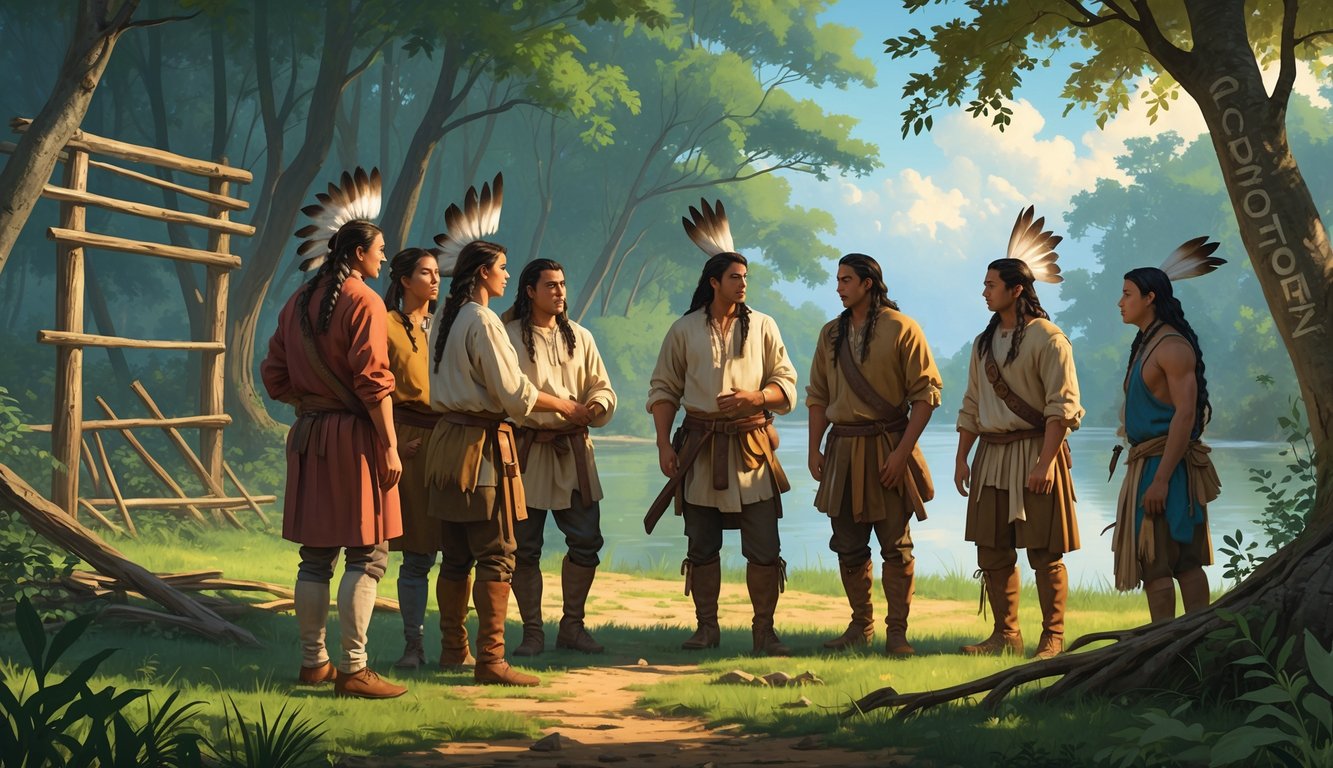
In the late 1500s, English settlers depended on nearby Native American groups for food, trade, and survival knowledge. These relationships shaped daily life and influenced the choices settlers made about where to live.
The Croatoan Tribe and Hatteras Island
The Croatoan lived on what is now Hatteras Island. They were skilled fishers, farmers, and hunters who knew the coastal environment well.
Historical accounts show periods of cooperation between the Croatoan and the English. The settlers received corn, fish, and advice on local resources.
English tools and artifacts later found on Hatteras Island may have come from the Roanoke colonists. Recent archaeological work uncovered iron flakes and other European items.
Researchers believe these finds could mean some colonists joined the Croatoan community. This supports ideas that the so-called Lost Colony may have assimilated instead of vanishing.
Interactions with the Secotan
The Secotan lived on the mainland near Roanoke Island. Their relationship with the English was more strained than with the Croatoan.
Early visits included some trade, but tensions grew over food shortages and cultural misunderstandings. Explorers described disputes over land use and resource control.
The Secotan relied on seasonal farming and hunting, and English demands sometimes upset these patterns. In some cases, mistrust led to violence.
These conflicts may have pushed settlers to seek safer alliances, possibly with the Croatoan. The Secotan’s guarded approach reflected the risks Indigenous groups faced during European expansion.
Impact on Indigenous Communities
The arrival of the Roanoke settlers changed Native American societies. Trade brought metal tools, cloth, and other goods, but also caused new dependencies and competition.
European diseases likely caused population loss among both the Croatoan and Secotan. Even limited contact could spread illness to communities with no immunity.
Cultural exchange went both ways. Some English settlers learned farming and fishing from Native Americans. Indigenous groups also adapted certain European items into their daily lives, blending them with traditional practices.
These changes reshaped life on the Carolina coast for generations.
Theories About the Colony’s Fate
Clues left at the Roanoke settlement, like the word CROATOAN carved into a post, have led researchers to explore possible outcomes for the settlers. Archaeological finds, historical accounts, and tribal histories offer ideas about what happened to the people who vanished.
Integration with Local Tribes
Some historians think the colonists joined nearby Native American communities, such as the Croatoan on Hatteras Island or the Secotan on the mainland. They base this on the lack of signs of struggle at the site.
Later English explorers described Native people with European features, which may show intermarriage or cultural blending. Archaeological digs on Hatteras Island have found European tools and artifacts in Native settlements.
These items may have been traded, but they could also point to direct contact or cohabitation. John White, the colony’s governor, had a friendly relationship with the Croatoan before leaving for England.
The settlers may have joined them for safety and resources.
Starvation and Disease
Food shortages threatened early colonies. The Roanoke settlers arrived late in the growing season and had limited supplies.
If supply ships ran late, the settlers may have relied on local food sources. Poor harvests or tense relations with tribes could have brought famine.
Disease was also a danger. European settlers had little resistance to new illnesses in America, and Native communities suffered from European diseases.
Hunger and sickness together could have quickly reduced the colony’s population. Survivors might have scattered in search of food or help, leaving the settlement empty.
Spanish Hostilities and War
In the late 1500s, Spain and England competed for control of the Americas. Spanish forces attacked other English outposts before.
Some researchers suggest Spanish ships from Florida may have sailed north to destroy the Roanoke settlement. This would have helped Spain remove English influence from the region.
No direct records confirm a Spanish raid on Roanoke, and there are no battle remains or burned structures. This makes the theory harder to prove.
Still, the political climate and military tensions of the time make it possible.
Splintering and Relocation
Some believe the settlers split into smaller groups to improve their chances of survival. Some may have moved inland to live with the Secotan or other tribes.
Others might have tried to reach Chesapeake Bay, where they had planned to settle. With too few people to defend or maintain the colony, the remaining structures likely fell apart.
Later English accounts mention Native groups who knew about Europeans living among them. This suggests some settlers may have relocated rather than died on Roanoke Island.
For more, see the major theories of the Lost Colony from the National Park Service.
Modern Investigations and Discoveries
Archaeologists have found physical evidence that may explain where members of the Lost Colony went after leaving Roanoke Island. Excavations and artifact analysis have revealed pottery, tools, and other items in areas linked to possible survivor movements.
These findings connect to both inland sites and coastal locations such as Hatteras Island.
Recent Archaeological Digs
In recent years, teams have focused on areas identified through historic maps and soil surveys. Excavations in Bertie County, North Carolina, uncovered pottery fragments that match the style used by English colonists in the late 1500s.
Some shards appeared alongside Native American artifacts. This suggests contact or integration between the colonists and local tribes.
Researchers used ground-penetrating radar to find buried features like postholes and fire pits. These features show human activity in places not previously linked to the colony.
The work is careful and slow. Teams catalog, photograph, and compare each artifact with items from known colonial sites to confirm its origin.
The Role of the First Colony Foundation
The First Colony Foundation has led many important digs related to the Lost Colony. This nonprofit works with historians, archaeologists, and local governments to find and study possible settlement sites.
One major project involved re-examining a 16th-century map drawn by John White. Researchers found hidden markings under patches on the map, which pointed to inland locations worth exploring.
The foundation works with landowners to access private property for excavation. This cooperation lets them explore areas that had never been studied before.
Their efforts have produced artifacts such as gunlock mechanisms, copper aglets, and European ceramics. Many of these items match the time period of the Roanoke settlers.
Findings on Hatteras Island
Hatteras Island, once called Croatoan, has been a focus for investigation. Archaeologists have recovered items there that suggest some colonists may have relocated to live with the Croatoan people.
Discoveries include Elizabethan-era metal tools, glass trade beads, and weapon parts. These turned up in layers alongside Native American pottery.
Some experts think the island’s location made it a logical refuge. It offered fishing grounds, fresh water, and established trade networks.
Excavations continue in several areas of Hatteras Island. Each dig adds new clues to the puzzle of the colony’s fate.
The Lost Colony in Popular Culture
The story of the Lost Colony of Roanoke has inspired television, historical fiction, documentaries, and live performances. It appears in modern entertainment, education, and tourism, blending research with public curiosity.
Expedition Unknown and Josh Gates
The Travel Channel series Expedition Unknown, hosted by Josh Gates, explored the fate of the Lost Colony in a special episode. Gates and his team visited key archaeological sites, including Roanoke Island and Hatteras Island.
They interviewed historians and archaeologists and examined artifacts that may suggest the settlers moved inland or joined local tribes.
The episode presented historical evidence and modern theories in a clear, step-by-step way. Viewers saw maps, excavation footage, and on-site analysis, making the mystery more accessible.
By combining field exploration with expert interviews, Gates introduced the Roanoke mystery to a wider audience. The show balanced entertainment with factual reporting.
Literature and Media Representations
The Lost Colony has appeared in novels, nonfiction books, and documentaries. Many works focus on the disappearance, while others explore life in the colony before it vanished.
Historical fiction often reimagines the settlers’ final days, using real figures like Governor John White. Nonfiction accounts, such as those in detailed historical overviews, rely on primary sources and archaeological findings.
Television has also used the mystery. Some series, like American Horror Story: Roanoke, use the colony as a horror backdrop, while documentaries aim to educate.
These portrayals vary in accuracy, but they keep the story alive in public memory. Mixing fact and creative interpretation helps the colony’s history reach many different audiences.
Commemorations and Festivals
On Roanoke Island, people remember the disappearance through live performances and annual events. Since 1937, local actors have staged the outdoor drama The Lost Colony every summer.
The cast wears period costumes and performs against a coastal backdrop. They recreate the colony’s founding and disappearance for both tourists and local residents.
Festivals include educational exhibits and craft demonstrations. Guides lead tours of historical sites.
These events help visitors learn about the colony. They also support local culture and tourism.
Legacy and Historical Significance
The disappearance of the Roanoke Colony left many questions. It also changed how England planned future settlements.
Roanoke influenced colonial planning and inspired generations of research. It remains a lasting part of American culture.
America’s Enduring Mystery
The lost colony of Roanoke is often called America’s first missing-persons case. In 1587, more than 110 settlers, including Virginia Dare, vanished without clear evidence of their fate.
Governor John White found only one clue in 1590: the word CROATOAN carved into a post. This detail sparked many theories, from relocation to Croatoan Island to integration with local tribes.
Historians and archaeologists continue to investigate. Excavations on Roanoke Island and nearby areas have uncovered possible artifacts, but no one has found definitive proof.
Impact on Colonial History
The failure of the Roanoke Colony taught England important lessons about settlement. Poor supply lines, weak defenses, and limited cooperation with local tribes led to its collapse.
Later colonists, such as those at Jamestown in 1607, focused more on resupply, fortification, and alliances with Native peoples.
Sir Walter Raleigh sponsored Roanoke and showed the risks of private colonial ventures. The loss discouraged some investors but did not end England’s ambitions.
Instead, planners became more cautious and increased royal oversight in future expeditions.
Cultural Memory and Symbolism
The Roanoke Colony holds a unique place in American cultural memory. Virginia Dare became a symbolic figure, representing both hope and fragility for early English settlers in the New World.
Her story appears in books, plays, and local legends. Communities in North Carolina hold annual events to honor her and the settlers.
People often use the colony’s disappearance as a symbol when they discuss cultural blending and the challenges of colonization.