Argentina is a country filled with fascinating stories and deep mysteries. From ancient legends of lost cities in the mountains to unanswered questions about secret societies, this land holds secrets that still puzzle historians and travelers today.
Some of the biggest historical mysteries in Argentina involve everything from hidden art thefts to mysterious islands and tales from its colonial past.
People in South America often share strange stories that blend real events with myths passed down for generations. In the Parana Delta, locals still talk about “The Eye,” a mysteriously moving island that has captured the imagination of many explorers and scientists.
Other mysteries include lost treasures, forgotten civilizations, and curious crimes that remain unsolved, like the country’s largest-ever art robbery involving ancient paintings and daring thieves.
The mix of indigenous traditions, colonial encounters, and strange disappearances makes Argentina an exciting place to discover the unknown. For anyone interested in hidden secrets and intriguing tales, this country offers plenty to explore, from its remote landscapes to the heart of its cities.
The Disappearance of the Grandmothers’ Grandchildren
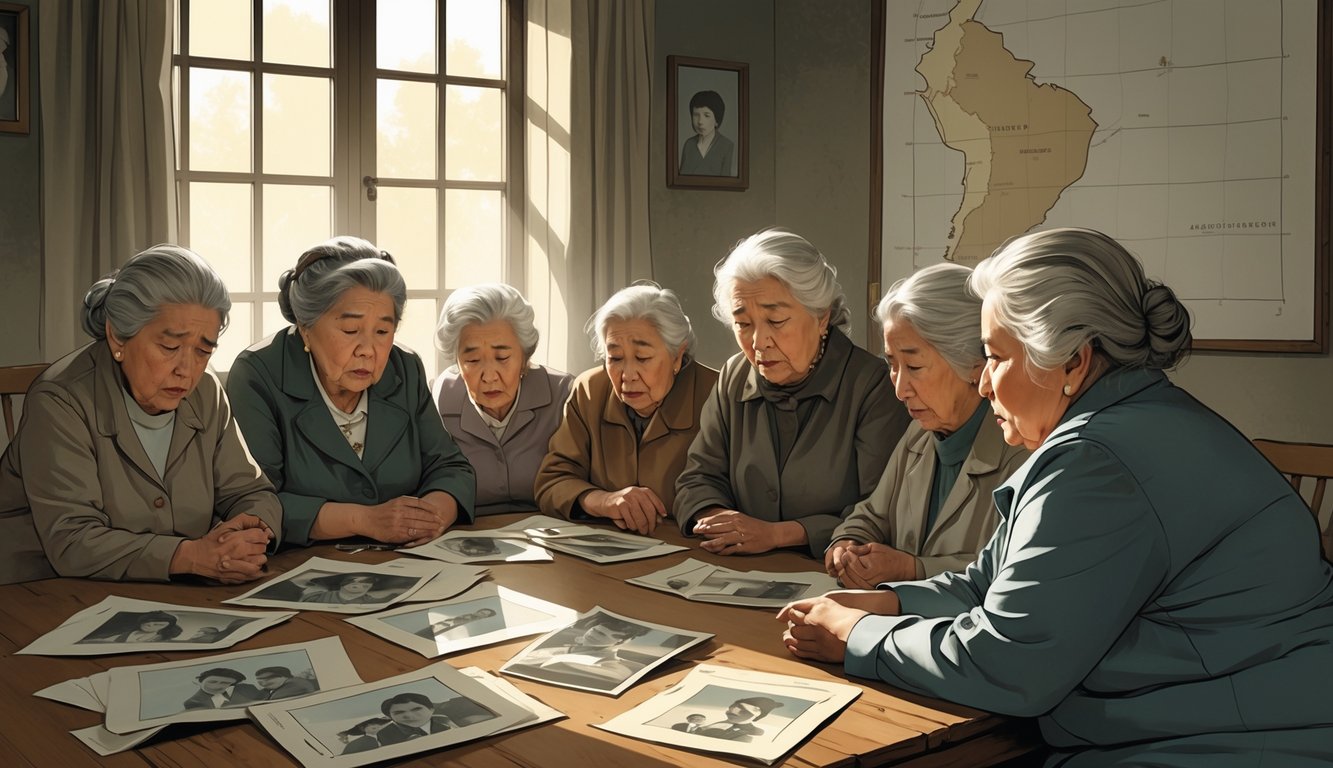
Between 1976 and 1983, hundreds of children were abducted in Argentina. Many families are still searching for answers about what happened to their loved ones.
Child Abductions During the Military Dictatorship
During Argentina’s military dictatorship, thousands of people went missing, including many children. The government’s campaign against opposition groups included capturing and secretly detaining citizens.
Many pregnant women were held in secret centers. After giving birth, these women were often separated from their babies.
Officials then illegally adopted the newborns. Most of these actions took place in and around Buenos Aires, but they affected families across the country.
The families of the disappeared, especially the grandmothers, began to suspect that their grandchildren were alive but living under false identities. The scale of the disappearances and child abductions makes this one of Argentina’s biggest human rights crises.
Modern Efforts to Reunite Families
The Grandmothers of the Plaza de Mayo formed in 1977 to seek justice and find their missing grandchildren. Their main goal was to identify and recover children stolen during the dictatorship.
They worked closely with scientists and developed new genetic testing methods to confirm biological relationships. As of 2002, authorities had identified and returned over sixty grandchildren to their real families.
This effort continues today as groups and families still hope to learn the truth. Efforts often include public marches, genetic databases, and education about the search for stolen children.
DNA tests have played a large part in reuniting families even decades after the events took place.
Legacy of Human Rights Investigations
The search for the disappeared children changed human rights investigations in Argentina. The Grandmothers’ struggle led to stronger laws about enforced disappearances and illegal adoptions.
Their work influenced both national policies and international attention to similar crimes. Human rights organizations continue to investigate new cases and support families.
The search for answers helps Argentina confront its past. The fight for justice started in Buenos Aires but spread to the rest of the world, offering hope to families facing similar tragedies elsewhere.
The Legend of Nahuelito: Lake Nahuel Huapi’s Sea Monster
Nahuelito is a famous lake monster from Argentina’s Patagonia region. The story mixes local folklore, eyewitness descriptions, and scientific curiosity about what might live in the deep waters of Lake Nahuel Huapi.
Early Sightings and Descriptions
Stories about Nahuelito have been told for more than a century. Some of the first known mentions came from the Mapuche people, who described a creature called “cuero” living in the lake.
In 1910, George Garret, who managed a nearby shipping company, claimed to see a strange animal swimming in the water. This sighting sparked even more interest.
Most descriptions say Nahuelito looks like a sea serpent or a creature similar to a plesiosaur, with a long neck, a big body, and sometimes several humps along its back. Locals and visitors have made many reports since then, with some saying the animal reached up to 15 meters long.
Some who believe in Nahuelito compare it to Scotland’s Loch Ness Monster, although sightings tend to be brief and hard to prove. For more details on these reports, see Nahuelito – Wikipedia.
Scientific Expeditions in Patagonia
Throughout the years, the legend of Nahuelito has sparked scientific interest. Several expeditions have tried to search Lake Nahuel Huapi for evidence.
Most teams used boats and cameras to check for large animals beneath the surface. Sometimes sonar technology helped explorers look for solid objects underwater.
Some teams reported odd shapes and sudden waves, but no one has found clear proof of a lake monster. Biologists and geologists have suggested that many sightings could be caused by logs, wave patterns, or groups of animals like otters or giant fish.
Some researchers still think the vast, deep waters of Patagonia could hide unknown species. Readers can learn more about local efforts to study Nahuelito at Uncovering the Mystery of Nahuelito.
Cultural Impact on Local Communities
Nahuelito has become a big part of local folklore in Bariloche and across the Patagonia region. The creature appears in stories, artwork, and even some festivals.
Many businesses in the town use Nahuelito’s image for decorations and souvenirs, such as t-shirts, keychains, and signs. Tour guides often share tales about Nahuelito with visitors.
Some families have passed down stories about Nahuelito for generations. The legend draws tourists to Bariloche, who come not just for the views but also for a chance to spot the lake monster themselves.
Nahuelito’s fame in Argentina remains strong, helping connect past stories with new experiences at Lake Nahuel Huapi. For more on the local legacy, visit Argentina’s Loch Ness Monster Lurks Beneath a Patagonia Lake.
Buenos Aires’ Underground Tunnels and Secret Passages
Beneath the busy streets of Buenos Aires lies a network of mysterious tunnels and secret passages. These underground paths have sparked curiosity about the city’s history, ties to colonial trade, and unresolved mysteries that still intrigue locals and visitors.
Origins of the Subterranean Maze
The underground tunnels of Buenos Aires were first discovered beneath historic neighborhoods like San Telmo. Many believe construction began in the early colonial period, possibly during the 1700s.
The tunnels run beneath old houses, churches, and businesses, forming a maze below the city. Early settlers used these tunnels for basic drainage and to protect against frequent flooding.
Over time, more paths were dug and expanded. Some passageways even led to hidden cellars and secret meeting spots.
Today, places like El Zanjón de Granados allow visitors to explore parts of this maze first-hand. The tunnels show how Buenos Aires’ residents solved problems and adapted to the city’s constant changes.
Connection to Colonial Smuggling
There are many stories about why so many tunnels were built under Buenos Aires. During the colonial era, Spain taxed trade heavily and controlled almost all legal imports and exports.
Because of this, smugglers looked for ways to avoid the officials. Some historians say the tunnels helped move goods secretly from the river port to the center of the city, hidden from the Spanish authorities.
This system let traders and merchants avoid tariffs and keep more profit. The underground passages were also thought to be excellent hiding places for stolen or illegal goods.
Recent excavations suggest that these smuggling routes may have played a bigger role in the city’s growth than once believed. Visitors on guided tours today still hear tales of secret deals made in the shadows.
Ongoing Theories and Unanswered Questions
Many questions still remain about the full purpose and size of Buenos Aires’ tunnels. Some parts have never been mapped or explored, and new sections are sometimes found by accident during construction or renovation.
Local legends often claim the tunnels were used for escaping danger, storing treasure, or even holding prisoners. Archaeologists and experts keep debating how much these underground networks really helped the city’s early defense or trade.
There are also mysteries about how the tunnels connect to the city’s forgotten rivers and waterways. As research continues, the fascination with Buenos Aires’ underground world grows, inspiring more tours and studies.
Every year, new discoveries bring more details—and more questions—about these secret spaces to light. If you are interested in hidden history or urban archaeology, the mysterious tunnels beneath Buenos Aires offer a unique look at Argentina’s past.
The Mystery of Peronism’s Enduring Influence
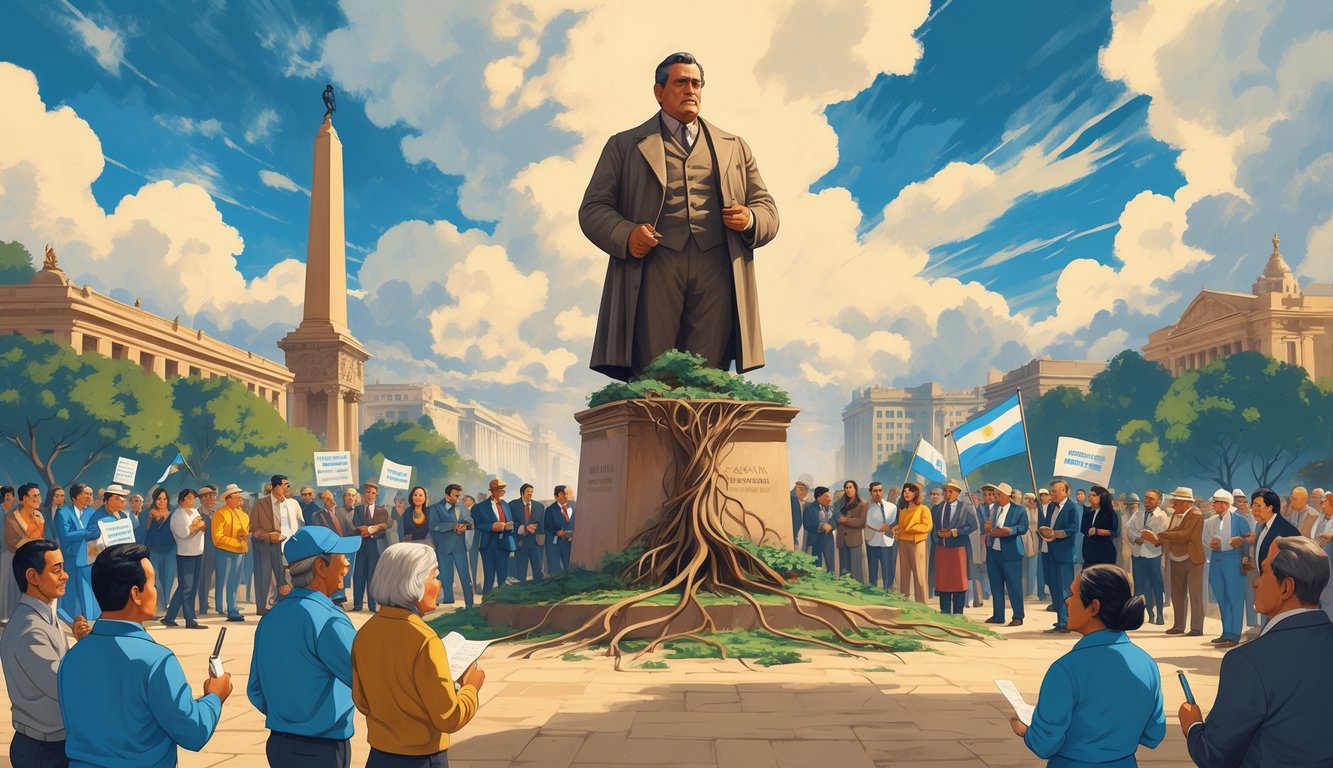
Peronism continues to shape modern Argentina. Its deep roots affect politics, culture, and society even decades after Juan and Eva Perón’s era.
This history holds unanswered questions about lost artifacts and the secrecy of its leaders.
Eva Perón’s Missing Body
Eva Perón, known as “Evita,” was one of Argentina’s most beloved public figures. After her death in 1952, her embalmed body became a symbol of Peronism.
When Juan Perón was overthrown in 1955, military rulers secretly hid her remains for over 15 years. People wondered why the body was moved so many times and who ordered these actions.
Some believed the authorities feared her memory would fuel protests and keep Peronist passion alive. Others pointed to possible political plots behind the scenes.
For years, many did not know her resting place. Eva’s body eventually traveled across continents, from Argentina to Italy, before returning home.
Stories still circulate about the final condition of her remains and what happened during those years of disappearance.
Secrets of the Peronist Regimes
The Peronist regimes of the 1940s and 1950s changed Argentina’s government, economy, and society. Yet questions remain about how power was kept and maintained—and at what cost.
There are tales of secret police, strict controls on media, and the silencing of opposition. Researchers have found evidence that Peronist leaders tightly managed information.
Many documents from that time were either destroyed or kept hidden, making it hard to uncover the full truth. Even today, historians argue about their motives and what was really happening behind closed doors.
Peronism’s legacy is visible in current politics, as leaders inspired by Juan Perón’s ideas still win elections and shape government policies. These ongoing mysteries are discussed in modern cultural and historical studies and continue to interest people both in Argentina and around the world.
Strange Disappearances in the Forests of Patagonia
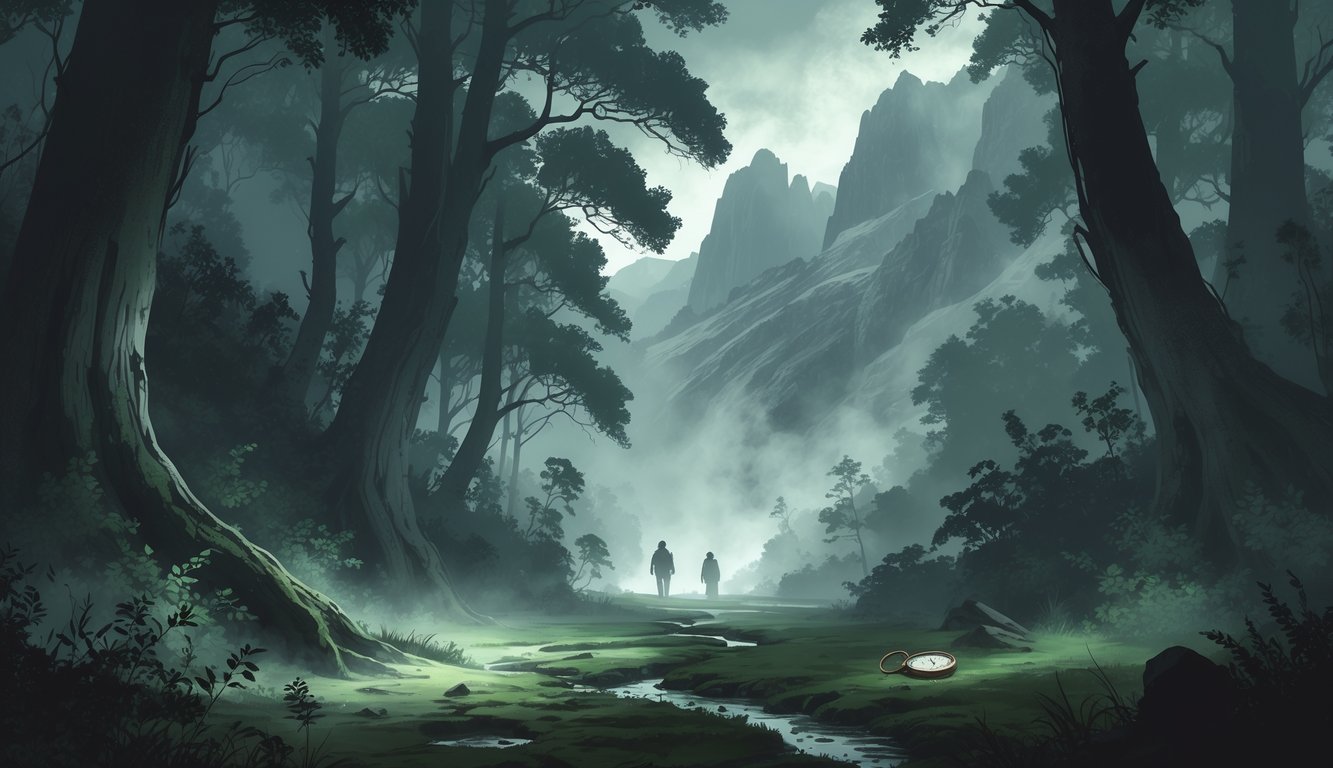
Patagonia’s dense forests have seen many people disappear under unusual circumstances. These cases have stirred both real concern and wild stories throughout local communities.
Unsolved Cases and Local Legends
In the forests of Patagonia, people have vanished without a trace. Hikers, settlers, and even groups have gone missing in regions with harsh weather and thick wilderness.
Some disappearances connect to larger stories, such as the lost Swiss village in Patagonia. In the 19th century, Swiss settlers moved to the area, but the entire colony eventually vanished, becoming an enduring Patagonia mystery.
Local legends add another layer to these mysteries. Tales often mention travelers who entered the forest and never returned.
Families have searched for years, but many cases remain unsolved. Community members sometimes organize yearly remembrance walks or small memorials.
Key facts:
- Disappearances happen in areas with difficult terrain.
- Some cases date back over a hundred years.
- Local groups share and retell these stories, helping keep the mysteries alive.
Possible Explanations from Native Folklore
Indigenous stories from Patagonia offer unique ideas about why people might vanish in the forest. The Tehuelche people, who lived in Patagonia long before European settlers, believed that spirits watched over some parts of the woods.
These spirits, according to stories, could lead travelers astray or hide paths, making return impossible. In Tehuelche folklore, mysterious beings protect the land.
These beings can take many forms, including giants or shadowy creatures.
Common themes in the folklore:
- Supernatural guardians of the forest
- Magical fogs and sudden storms
- Warnings to respect the land and move carefully
Even today, some locals use traditional warnings when heading into the wilderness. These beliefs still influence daily life and views on disappearance.
El Pombero and Argentina’s Shape-Shifting Shadow
El Pombero is a famous figure in northern Argentina’s folklore. Many locals describe him as a mystical forest spirit who protects the wild.
People say this being can change shape to confuse travelers. El Pombero is known for playing tricks but also for guarding nature.
Origins of El Pombero Legend
The Guaraní people, one of the oldest groups in South America, created the legend of El Pombero. Stories say El Pombero lives deep in the forest, especially in the Misiones Province of Argentina.
People describe him as short, hairy, and sometimes invisible. In Guaraní mythology, El Pombero is the “guardian of the forest.”
He can copy animal sounds and move quietly, making him hard to spot. Many old stories say he watches over trees and birds, punishing those who harm nature.
Adults pass down warnings about respecting the forest and its creatures through stories. Sometimes seen as a trickster, El Pombero brings both fear and fascination.
The legend continues to grow as new stories spread through songs and local celebrations. These tales shape the worldview of many rural families.
More details about the Guaraní legend of El Pombero can be found here.
Reported Encounters and Sightings
Residents in Argentina, Paraguay, and Brazil often claim to see or hear El Pombero at night in rural areas. People describe feeling watched in the forest or hearing strange animal calls.
Locals report unusual footprints, lost objects, or sudden noises in the bush. Some say El Pombero sneaks into houses, moving things around or making strange sounds.
There are tales about babies swapping cribs or livestock being released from pens. Believers often leave offerings like tobacco or rum near the forest edge to keep him happy.
Although scientists do not support these encounters, many villagers swear by their experiences. These stories create a sense of mystery that brings people together.
Videos and reports about El Pombero sightings are even shared online.
Cultural Significance in Rural Communities
In small towns and villages near the forest, El Pombero plays a big part in daily life. Parents sometimes warn children to behave or El Pombero will visit at night.
The folklore teaches respect for the environment and local traditions. Community events may include tales or plays about El Pombero’s tricks and lessons.
Markets sell charms and figures meant to honor or protect against him. For many, believing in El Pombero helps explain strange events or noises in the wild.
The legend strengthens community bonds and keeps old traditions alive. It also reminds people to care for the forests and creatures around them.
Learn more about El Pombero in Argentine folklore.
Mysterious Curses and the Full Moon’s Role in Argentine Legends
Argentina’s folklore features tales of curses and supernatural beings. Many legends warn of danger when the full moon rises, sparking fear and curiosity among locals.
Notorious Cases of the ‘Full Moon Curse’
One well-known legend is that of El Lobizón, believed to be a cursed seventh son who transforms into a werewolf whenever the full moon appears. This story has roots in both European and indigenous traditions.
Families once worried so much about this curse that special laws were made. Some presidents became godfathers to seventh sons to protect them from the supposed curse.
During full moon nights, people avoided certain places, believing that bad luck and danger were more likely. Some legends speak of night spirits or witches who gain power under the full moon, shaping how people behave once the sun sets.
These stories show how seriously some people have taken the idea of the full moon’s influence in Argentine culture. Learn more details on Argentinian mythology.
How Folklore Shapes Argentine Nightlife
Folklore about curses and the full moon still affects life in Argentina, even in modern cities. Popular tales remind families to stay indoors or avoid traveling at night during a full moon.
Many people hold small gatherings to share stories or practice rituals for protection. This tradition is especially strong among older generations who grew up hearing these legends from their grandparents.
Some local festivals and events feature folk performances that honor these myths. The stories make the full moon both frightening and exciting, influencing music, art, and even television.
People often remember the old legends during nighttime events. Folklore around the full moon and curses is still very much alive in Argentina today.
Read more about these myths and customs in this guide to Argentine folk tales.
Unexplained Events During the Last Military Dictatorship
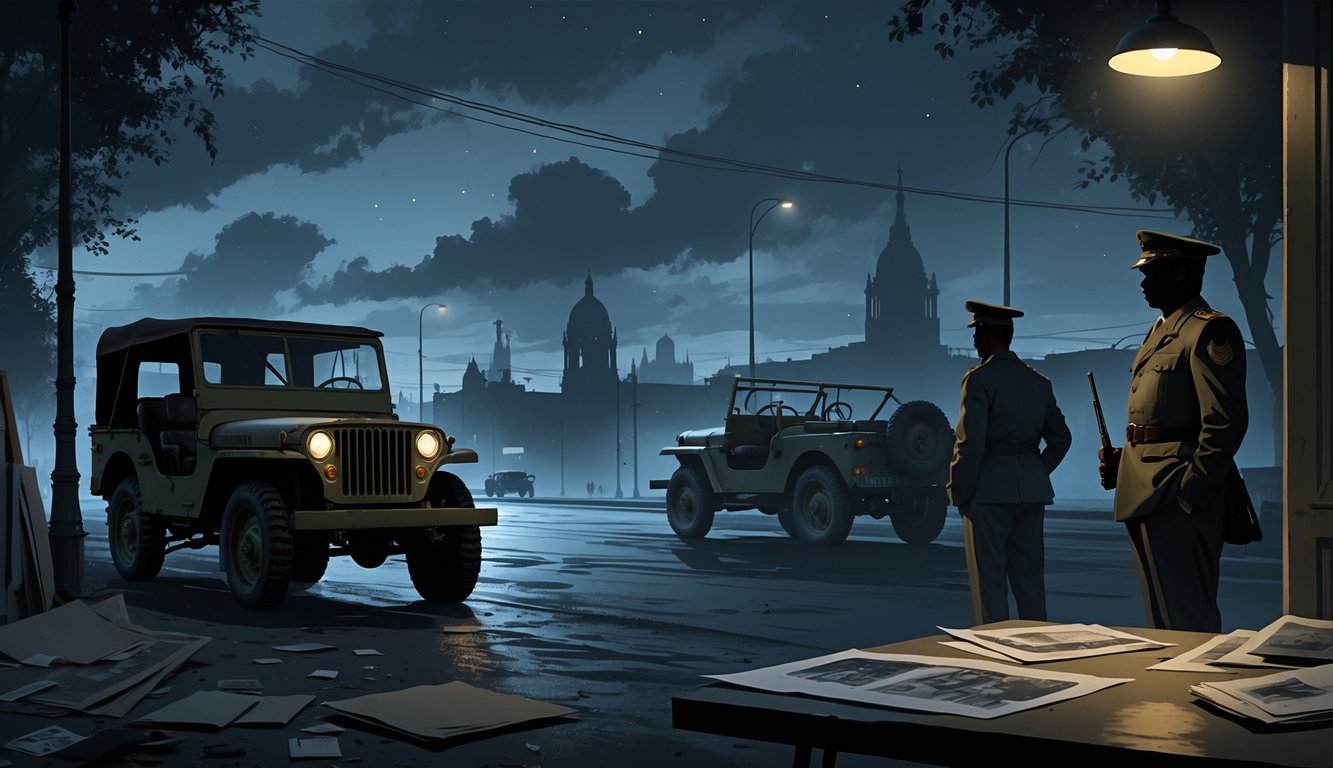
Argentina’s military dictatorship from 1976 to 1983 brought forced disappearances, widespread torture, and secret detention centers. Many families in cities like Buenos Aires still search for answers about loved ones who vanished during these violent years.
Enforced Disappearances in Buenos Aires
During the dictatorship, armed groups tied to the government took thousands of people from Buenos Aires and across the country. Most were suspected of opposing the regime, but many were innocent.
Families received no information about their loved ones’ fate. The government denied involvement and rarely left any official records.
In Buenos Aires, abductions sometimes happened in broad daylight, creating an atmosphere of fear throughout the city. Organizations like the Mothers of the Plaza de Mayo gathered to demand answers and keep the memory of the missing alive.
The mystery of where many victims ended up remains one of Argentina’s most pressing unsolved questions. Learn more about these abductions at the disappeared victims of the Dirty War.
Secret Detention Centers and Torture
The dictatorship set up a network of secret detention centers, some hidden in plain sight within Buenos Aires. Authorities kept detainees in poor conditions and denied them legal rights.
Families did not know where their relatives were held. Torture was common in these centers.
Many people suffered physical and mental abuse to force confessions or information. Survivors reported being blindfolded, deprived of sleep, and even subjected to electric shocks.
Some victims were never seen again, while others were released but deeply traumatized. These detention centers played a key role in the regime’s strategy of terror.
The exact number and locations of all centers is still not fully known. More can be read about the system of secret prisons and human rights violations at this Human Rights Watch report.
Patagonia’s Enigmatic Rock Art and Lost Civilizations
Patagonia is home to one of the most intriguing archaeological sites in Argentina. Ancient cave paintings and mysterious artifacts have inspired many theories about the history of early civilizations in South America.
Theories About the Cave of the Hands
Cueva de las Manos, or the Cave of the Hands, features thousands of stenciled handprints on cave walls. Many of these artworks date back over 8,000 years.
Experts believe hunter-gatherers who traveled through Patagonia’s harsh landscape created these images. Some researchers think the paintings served as ancient messages, passing down vital survival information through generations.
New research shows these symbols could have helped share knowledge across about 130 human generations. The artwork includes not only handprints but also animal figures and hunting scenes, giving clues about daily life and beliefs.
For deeper reading, see details on the Patagonian rock art’s age and possible meanings.
Artifacts Still Unexplained by Historians
Archaeologists have found several objects in Patagonia that they cannot fully explain. Among them are unusual carved stones and tools that do not match styles from neighboring regions.
Some artifacts suggest that other, lesser-known cultures may have lived in Patagonia before or alongside the people who made the cave art. Their true purpose is still debated.
Other items, such as pigments used in paintings, show advanced preparation techniques that puzzle experts. The survival of some materials in Patagonia’s climate is unexpected and raises more questions about early technology in this part of South America.
Further discoveries may offer new insights into these ancient mysteries.
Rare Folklore Creatures Beyond the Well-Known Legends
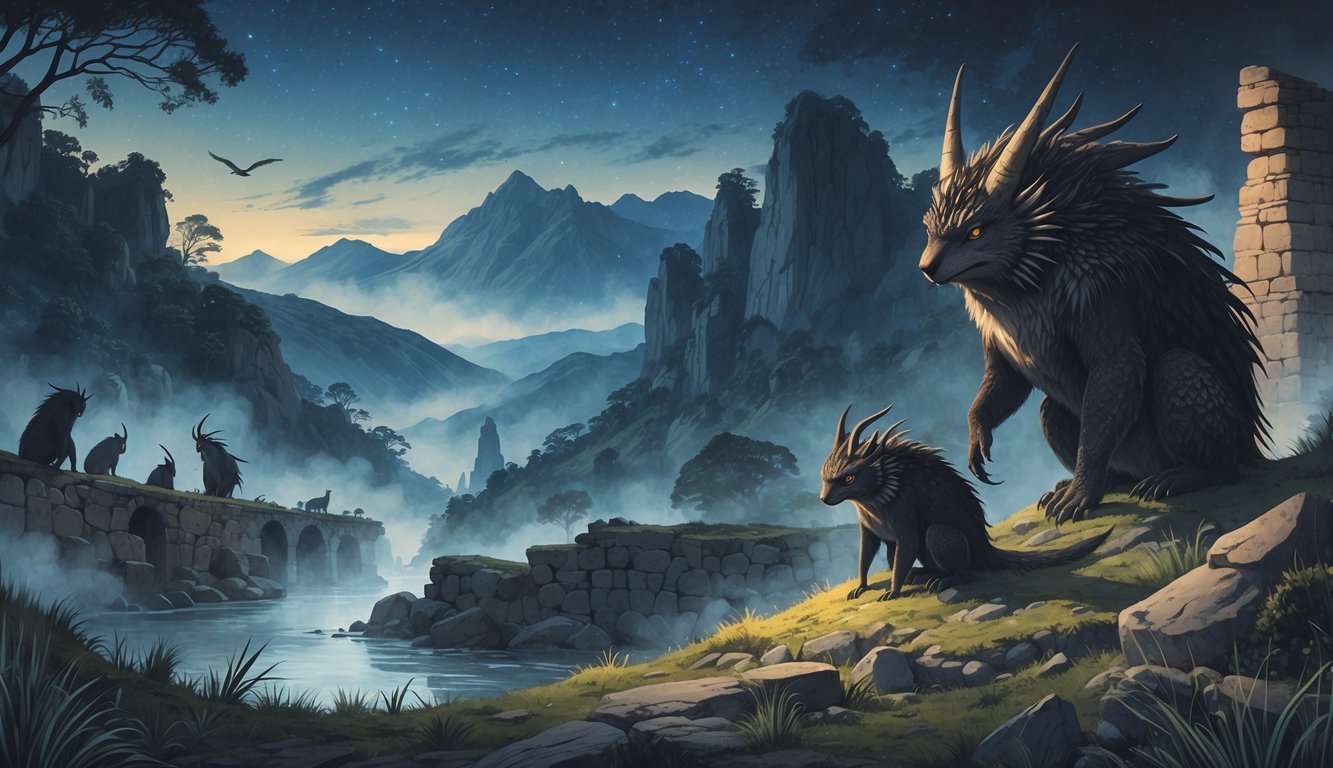
Argentina is home to unique mythical creatures that are not as famous as some global legends. Many of these beings come from the remote Andes and the deep, ancient forests of Patagonia.
Monsters of the Andes
The Andes Mountains hide stories about rare monsters that both frighten and fascinate locals. One creature is the Ucumar, a large, ape-like beast said to roam high mountain valleys.
People say it makes loud, haunting calls and leaves giant footprints behind. Another legend points to the El Basilisco, a lizard-monster sometimes called the king of snakes.
This creature is believed to turn anyone who sees it into stone with only a glance. Farmers in Andean towns sometimes talk about finding animals dead without clear reason and blame the Basilisco.
Some reports claim the Lobisón, similar to a werewolf, haunts the foothills. People say seventh sons can turn into this beast on full moon nights.
The legend still shapes rural customs, such as adopting seventh boys to protect them from the curse.
Stories From the Ancient Forest
Deep in the forests of Patagonia, old tales tell of spirits and odd beings. One example is the El Chonchón, a creature with a human head and large ears that fly like wings.
People in Patagonia often claim to hear its eerie cries at night. The Nguenechén is a forest spirit respected by the Mapuche people.
This guardian protects the land and animals from harm. Locals honor Nguenechén in rituals.
They hope for luck and safety while hunting or traveling in wild places. There are also stories about Puelche dwarves, short forest-dwellers who can help travelers in need or lead them astray.
These beings show how Patagonian forests inspire both fear and wonder.
For more about these hidden legends, see examples of lesser-known mythical creatures and hidden myths from folklore.