Togo is a small country in West Africa with a long and rich history. Over the years, it has been the center of trade, culture, and puzzling events that still make people wonder today.
Some of the biggest historical mysteries in Togo include unexplained ancient sites, lost artifacts, and little-known stories behind important places like the Togoville slave trade fortress.
People visit Togo for its beaches, wildlife, and historic landmarks. The country also holds secrets that historians and travelers are still trying to solve.
These mysteries give a unique look into Togo’s past and show how complex its story is. There are still questions about ancient tribes, old ruins, and events that shaped the region.
Learning about these mysteries helps people see why Togo stands out from neighboring countries. Whether interested in archaeology, lost cultures, or historical puzzles, the unsolved secrets of Togo offer many reasons to keep exploring.
Overview of Togo’s Enigmatic Past
Togo’s history stretches back hundreds of years. Waves of migration, powerful ancient kingdoms, and the blending of cultures shaped the land.
Diverse ethnic groups live in Togo, each with its own customs and stories. These traditions still influence daily life across the country today.
Early Inhabitants and Ethnic Groups
Archaeological studies show that people lived in what is now Togo thousands of years ago. Early communities left behind pottery and tools, but much about them remains a mystery.
From the 11th to the 16th century, several major groups moved into the region, including the Ewé, Mina, and Gun peoples. The Ewé are among the largest ethnic groups in Togo.
They settled in the southern region and played a big role in shaping the area’s history and society. Many ethnic groups in Togo have their own languages and customs.
This creates a rich mix of cultures. Historical kingdoms and powerful dynasties ruled parts of Togo before colonial times.
Recent research highlights the strong influence of these groups. Questions still surround their origins and relationships.
The history of Togo remains complicated due to limited early written records and ongoing discoveries.
Cultural Legacy and Traditions
Togo has many traditions and cultural practices that date back centuries. These include music, dance, festivals, and craftsmanship.
The Ewé people are known for their storytelling and kente weaving. Many rituals and social customs are shared across ethnic groups, but each group adds its own style.
Markets are central to community life and bring people from different backgrounds together. Festivals often involve drumming, dancing, and bright costumes.
French is used as an official language due to colonial history. Many local languages are spoken every day.
Artifacts, oral histories, and local customs continue to shape the Togolese identity. This keeps alive the cultural legacy that began long before Togo became a modern nation.
Unsolved Mysteries of Ancient Togoland
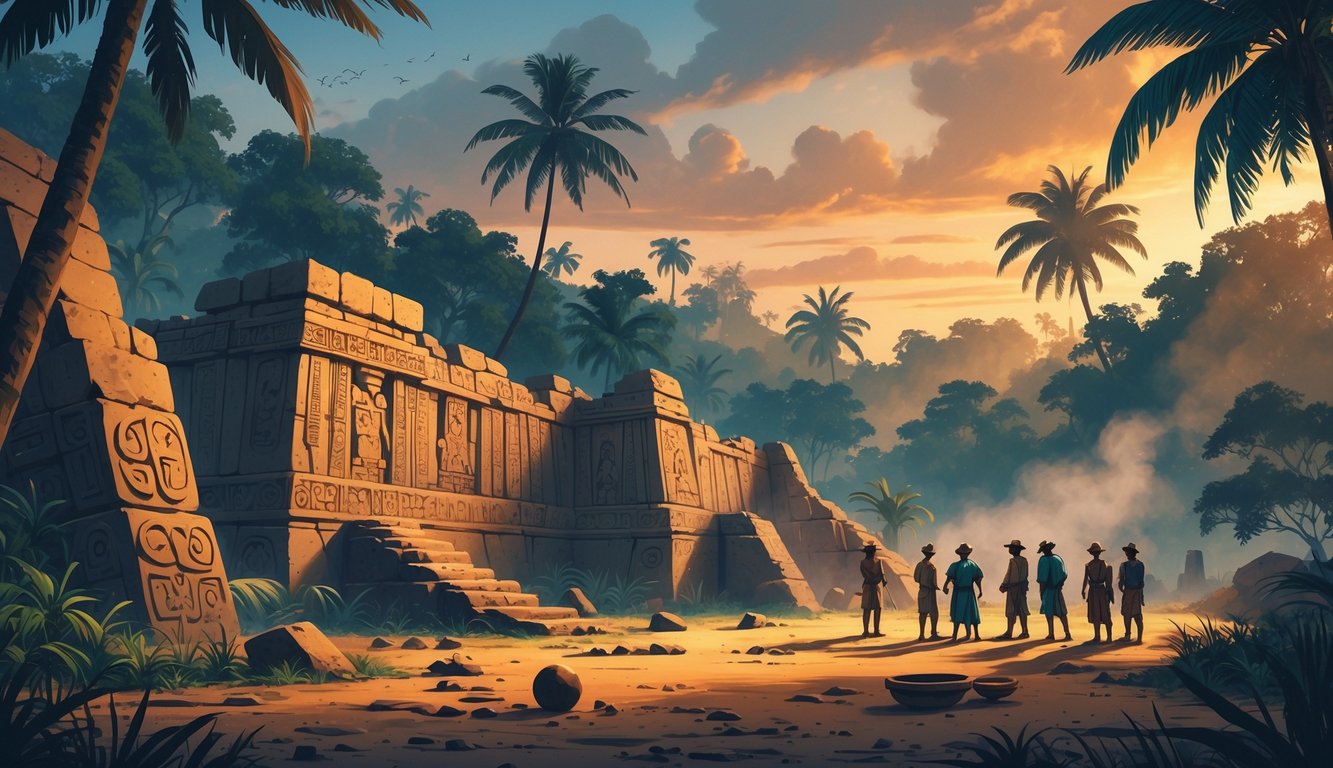
Togoland, a region in West Africa, holds ancient secrets that still puzzle researchers today. Ruins, strange markings, and forgotten settlements have led historians to many questions.
The Disappearance of Early Settlements
Several ancient settlements in Togoland have vanished without clear reasons. Excavations show that people once lived in organized communities, building with stone and clay.
Archaeological finds include pottery shards, tools, and signs of small structures. Historians wonder why some of these villages were left empty.
Theories include climate changes, disease, or conflicts with nearby groups. Oral traditions sometimes mention sudden disasters, but details are often lost or mixed with myth.
Key Details:
- Location: Many lost settlements are near rivers and hills.
- Finds: Clay objects, carved stones, and fire pits.
- Possible Causes for Disappearance: Drought, migration, outside threats.
Despite studies and digs, the real reasons for their sudden abandonment remain uncertain. This absence of solid answers continues to spark curiosity about Togoland’s ancient history.
For more on unresolved ancient mysteries, visit this collection about unsolved ancient mysteries.
Hidden Symbols and Unknown Scripts
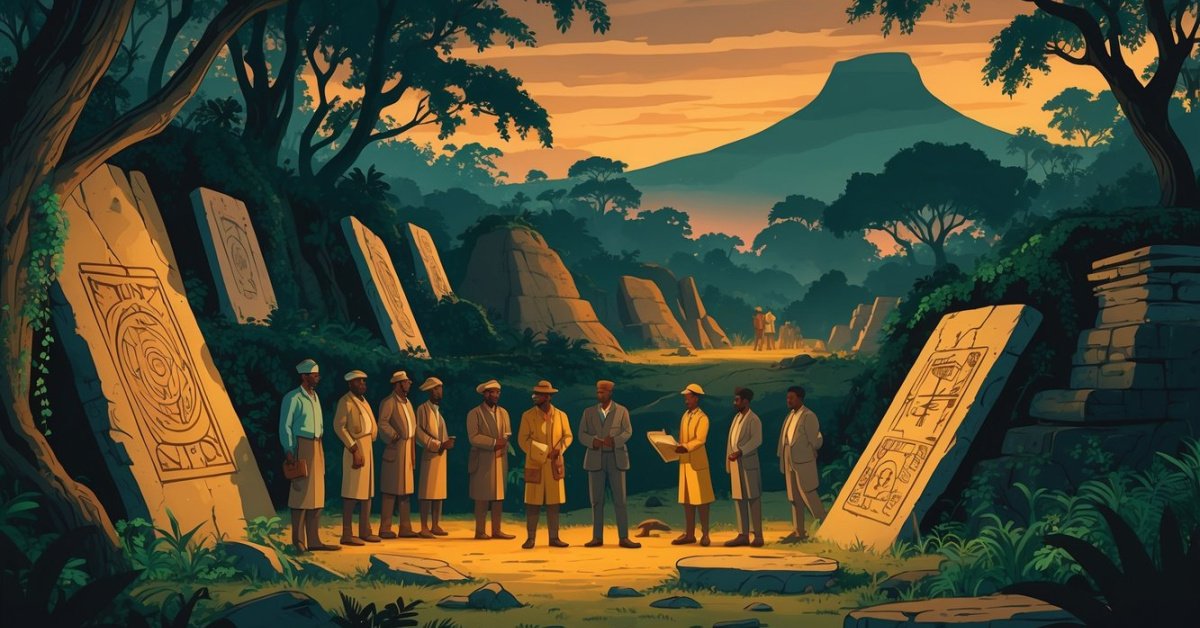
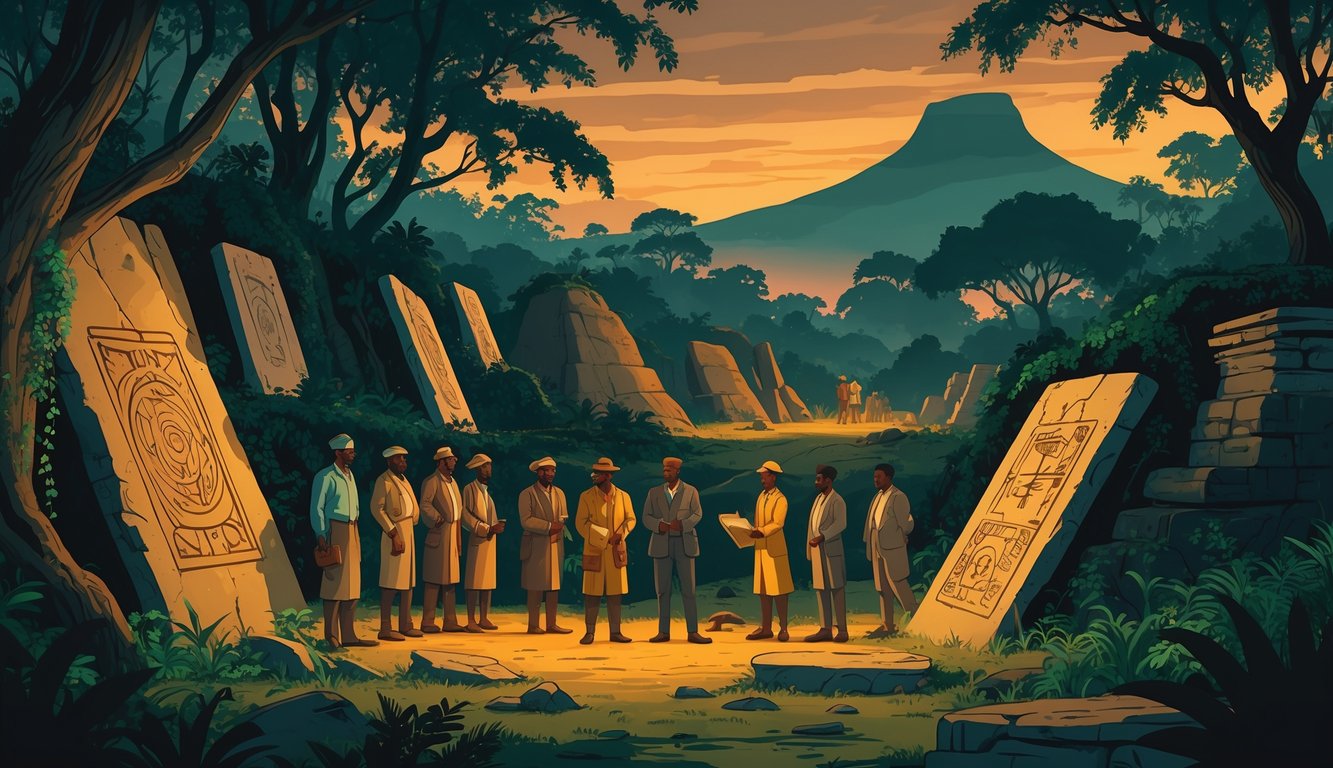
Researchers have discovered mysterious symbols carved into caves and rocks across Togoland. Some of these markings appear to be an early form of writing, while others are strange geometric shapes.
The true meaning of many symbols remains unknown. Experts have tried to match these marks to known languages in West Africa, but they do not always fit.
Some think these could be local scripts used for storytelling or rituals. Others suggest the symbols marked sacred spots or boundaries.
A few patterns repeat in different places, raising questions about ancient links between communities. The symbols may hold clues about trade, migration, or spiritual life in ancient Togoland.
Deciphering these marks could change what people know about the region’s history. Until then, they remain an open puzzle.
Curious readers can explore additional examples of historical mysteries from around the world.
The Impact of the Slave Trade on Togo’s History

The slave trade deeply changed Togo’s landscape and culture. Entire towns vanished, and many artifacts from that era are still missing or hidden today.
These changes left a long-lasting mark on the people and history of Togo.
Vanished Villages Along Slave Routes
During the Atlantic slave trade, Togo was part of the “Slave Coast.” This region was a main area for shipping enslaved Africans.
Many villages were located along key slave routes near the coast and rivers. Over time, a number of these villages disappeared.
Some villagers ran away to avoid capture or were forced to leave their homes. Others were taken by traders, and their communities never recovered.
Stories say that whole settlements, once full of life, vanished in a matter of weeks or months. The town of Aného, once called Little Popo, became one of the largest slave centers in West Africa.
Rebel groups sometimes tried to fight the trade, but many villages simply faded away. Today, ruins and place names are all that remain of some of these lost communities.
Key facts:
- Slave routes ran west to east across Togo.
- Entire populations were displaced or sold.
- Some villages became ghost towns almost overnight.
Lost Artifacts from the Transatlantic Era
Many items from Togo’s slave trade era are still missing. These include personal belongings, ceremonial objects, and tools used during that time.
Some were taken to Europe or the Americas. Others were lost due to fires or neglect.
The Woold House in Aného is a reminder of this period. Local rulers and foreign traders ran it, holding enslaved people before shipping them overseas.
Artifacts from places like this are rare, often hidden, or their locations remain unknown today. According to historical records, objects tied to the illegal trade from sites like the Wood House had special value.
Families in Togo still search for lost heirlooms, such as carved items, jewelry, and religious objects taken during raids.
Important details:
- Many artifacts have never been recovered.
- Local museums work to trace stolen or missing items.
- Some items still surface in foreign collections or auctions.
Secrets Surrounding Sylvanus Olympio’s Assassination
The mysterious death of Sylvanus Olympio, Togo’s first president, remains an important moment in the country’s history. His assassination in 1963 left questions about who was involved and why it happened.
People still talk about the theories behind it today.
Timeline of Events
Sylvanus Olympio became the first president of an independent Togo in 1960. He worked to build the young country and tried to avoid close ties with former colonial powers.
On the night of January 12-13, 1963, strange noises woke Olympio at his home in Lomé. Shortly after midnight, armed soldiers broke into his residence.
Olympio tried to escape but was caught at the gates of the U.S. embassy compound. He was shot and killed there.
His death marked Africa’s first post-independence military coup. The event shocked the continent.
After the assassination, the government collapsed quickly. Military leaders took control, and Nicolas Grunitzky became the new president.
The event set a pattern for future coups in Togo. More details can be found about the 1963 Togo coup and Olympio’s murder.
Theories Behind the Tragedy
Many believe Olympio’s death was the result of rising tensions with the military. Some say he refused to integrate ex-French Togolese soldiers into the national army, which made them angry and desperate.
These dismissed soldiers played a direct role in the coup. Another theory suggests foreign involvement.
Some claim that outside forces, possibly from former colonial countries, did not like Olympio’s independent policies. However, no clear proof has been shown to confirm this idea.
Gnassingbé Eyadéma, who would later lead Togo for decades, said he was present during the killing. His exact role is still debated.
Many still debate if the murder was mainly due to local problems or outside influence. These unanswered questions make Olympio’s death one of Togo’s biggest historical mysteries.
Readers interested in more detail can find analysis on who killed Sylvanus Olympio.
Legendary Sites and Natural Mysteries
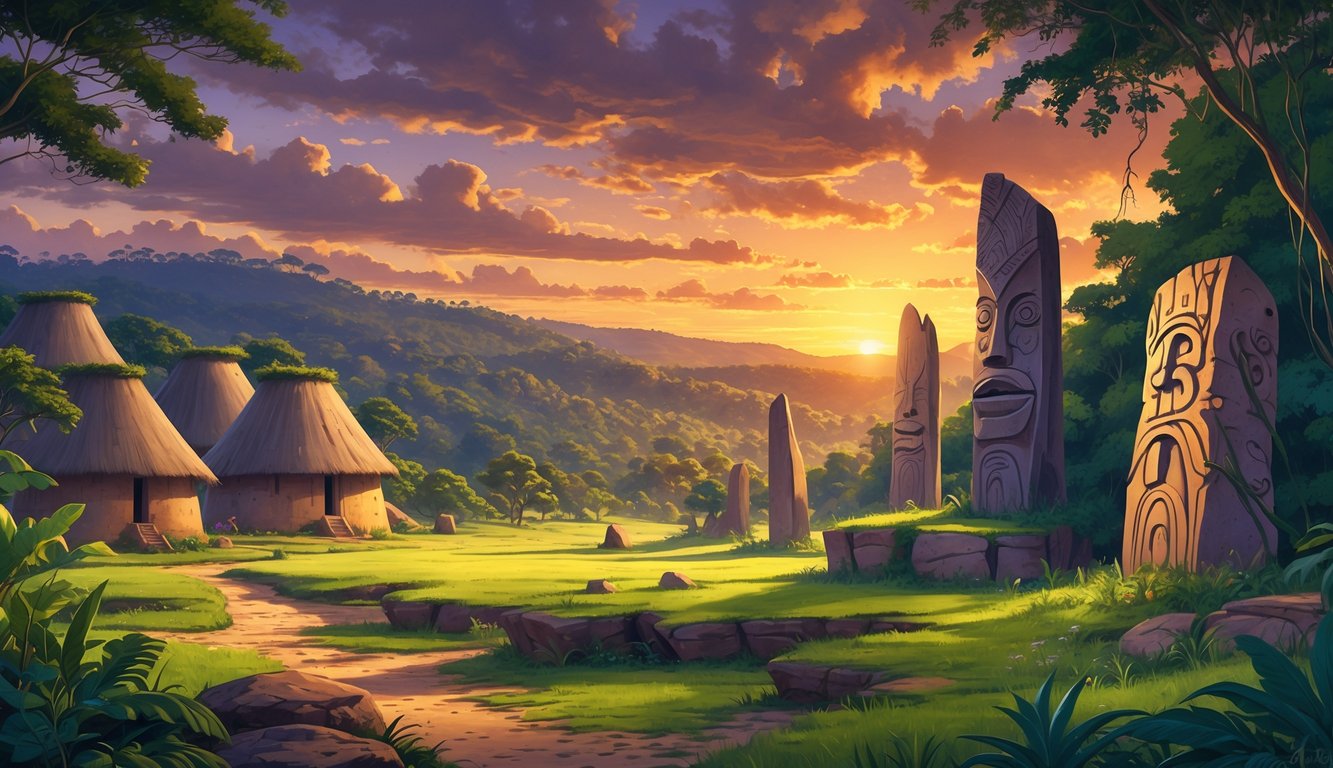
Togo holds many sites surrounded by stories and secrets. From its highest peak to the flowing Mono River, the land is full of tales that mix culture, nature, and history.
Mount Agou Folklore and Unexplained Events
Mount Agou is the tallest mountain in Togo, rising 986 meters above sea level. It is known for its lush forests, unique wildlife, and cooler climate compared to the hot lowlands.
Many locals visit to hike and enjoy the rich views. Stories about Mount Agou have been shared for generations.
Villagers tell of unexplained lights seen at night and sounds that come from deep in the woods. Some believe that spirits protect the mountain and only visit during certain times of year.
Below is a quick summary of local beliefs and events:
| Belief/Event | Description |
|---|---|
| Hidden Spirits | Thought to guard the forest |
| Strange Lights | Flashes seen after dark, still unexplained |
| Sacred Sites | Certain rocks or trees are places for rituals |
Many of these stories add to the deep respect people have for the mountain. Some visitors try to find clues about these mysteries.
The area is also home to birds and small animals that are not seen anywhere else in the country.
Mysteries of the Mono River
The Mono River flows from the Togolese highlands through national parks and into the Atlantic. Farmers, fishers, and travelers rely on it.
During the rainy season, the river floods and carves new paths through the land. These changes shape the surrounding environment.
One of the biggest mysteries of the Mono River is the sudden changes in wildlife patterns. Some fish and birds appear at unusual times, surprising scientists and local fishers.
These changes often relate to shifts in climate or rainfall. However, some patterns remain unexplained.
Villages along the Mono tell stories of lost towns that vanished after floods. On quiet nights, some claim to hear bells or distant voices near the riverbanks.
The Mono borders national parks known for rare animals and plants. This makes it a key part of Togo’s natural history.
For more about Togo’s landmarks and natural sites, visit this list of famous landmarks in Togo.
Unexplained Discoveries in Lomé and Beyond
Lomé, the capital of Togo, hides secrets beneath its busy streets. Some discoveries date back to the colonial period, while others are much older.
Lost Colonial Relics in Lomé
Many residents in Lomé find relics from the colonial era. After heavy rain or construction, items like old coins, rusty keys, and European porcelain sometimes appear.
A well-known example is the discovery of engraved metal plaques near the old railway station. Locals believe these plaques date to the early 1900s, during German rule.
Historians have tried to match these plaques to official records. So far, they have not found a clear connection.
Key facts:
- Artifacts often surface in former government quarters
- Most items show signs of rapid decay, likely from the city’s humid climate
- Many discoveries have no written record, making their history unclear
Researchers now catalog these relics to uncover missing pieces of Lomé’s past. For more on similar unsolved discoveries, check out these biggest historical mysteries in history.
Mysterious Underground Structures
Residents in Lomé and other parts of Togo sometimes find underground chambers while digging wells or building new structures. These spaces are usually made of clay or stone, with narrow tunnels connecting different rooms.
Some people think these could be old storage areas. Others suggest they might be escape routes or ancient homes.
There are few written records about these tunnels in Togo’s history. Their true purpose remains a mystery.
Notable details:
- Structures usually found in older city districts, especially near the coast
- Chambers show signs of intentional design, such as ventilation holes and sealed doors
- Archaeological teams struggle to date these constructions accurately
Similar puzzles attract worldwide attention, as seen in these unsolved historical mysteries.
Fascination with the Supernatural: Myths and Aliens

Togo’s history has many stories of the strange and unexplained. These tales mix old beliefs with modern questions, sparking curiosity.
Alien Encounters and Folk Beliefs
Stories of aliens are common in Western movies and books, but similar tales appear in West Africa, including Togo. People sometimes report lights in the sky or strange shadows at night.
Locals may call these lights “ghost fires” or “spirits,” blending new ideas about aliens with old traditions. Folk beliefs often explain the unknown through spirits, ancestors, or mysterious beings.
These stories offer insight into how people understand unusual events in the sky. Recently, some in Togo have started linking these sightings to visitors from outer space, much like UFO stories in other countries.
Researchers note that talk of aliens and supernatural events often overlaps with folk legends and myths. The mix of old and new beliefs keeps curiosity about the unknown alive in the region.
Supernatural Legends Influencing Culture
Supernatural legends play a special role in Togo’s culture. People still tell stories about forest spirits, magical animals, and hidden places at family gatherings and festivals.
These tales teach values and explain the world in ways that science does not always address. Spiritual leaders often claim to communicate with ancestors or forces beyond the normal world.
They may perform rituals or share advice, shaping views on health, luck, and mystery. Families sometimes keep special objects for protection, believing they can ward off evil spirits or bad luck.
Supernatural legends influence art, music, and storytelling. Songs and dances inspired by these myths appear at important ceremonies.
Even as people learn more about science, respect for these old stories and traditions remains strong. The unknown continues to shape how people in Togo see the world and their place in it.
Comparing Togo’s Mysteries to Global Legends
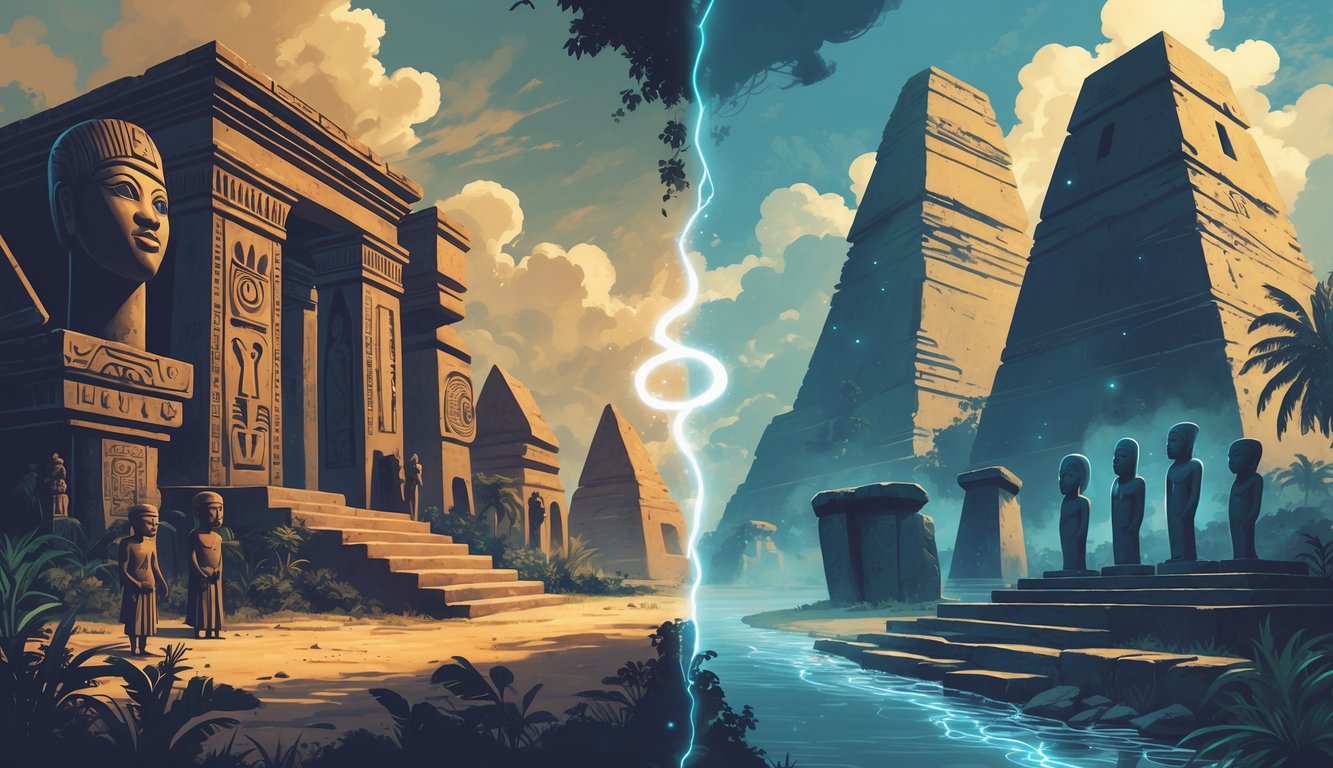
Some of Togo’s biggest mysteries feel familiar to those who study ancient civilizations and famous unsolved questions worldwide. Patterns, stories, and lost histories sometimes cross continents and connect cultures.
Similarities with Atlantis and the Minoan Civilization
Togo’s myths about lost cities and vanished peoples echo the legend of Atlantis. Like Atlantis, some Togolese legends describe advanced societies that disappeared suddenly.
The story of the Minoan civilization on Crete is similar. The Minoans were famous for art and trade, but historians still debate why their culture faded.
In Togo, the loss of certain sites and the fading memory of once-strong kingdoms also spark debate.
A comparison table:
| Topic | Togo Legends | Atlantis/Minoan Myths |
|---|---|---|
| Lost Cities | Yes | Yes |
| Sudden Disappearance | Sometimes mentioned | Central to stories |
| Advanced Societies | Recalled in oral stories | Described by ancient writers |
| Mysterious End | Unsolved | Still debated |
References to International Mysteries: Ark of the Covenant and Holy Grail
Stories from Togo sometimes mention powerful objects or hidden treasures, much like tales of the Ark of the Covenant and the Holy Grail. Local traditions speak of talismans or sacred relics said to hold great power.
The Ark of the Covenant, once kept in Jerusalem, has inspired searches and legends across continents. Some Togolese myths describe ancient objects rumored to be lost or hidden, similar to the Holy Grail in European stories.
People in both regions hope to find these treasures. Lists of commonly linked mysteries include:
- Ancient hidden objects with spiritual power
- Missing artifacts sparking debates
- Legends inspiring real-life searches
Togo’s oral traditions and global legends often share the idea that the past may still be hiding secrets.
The Role of Environmental Factors in Historical Mysteries
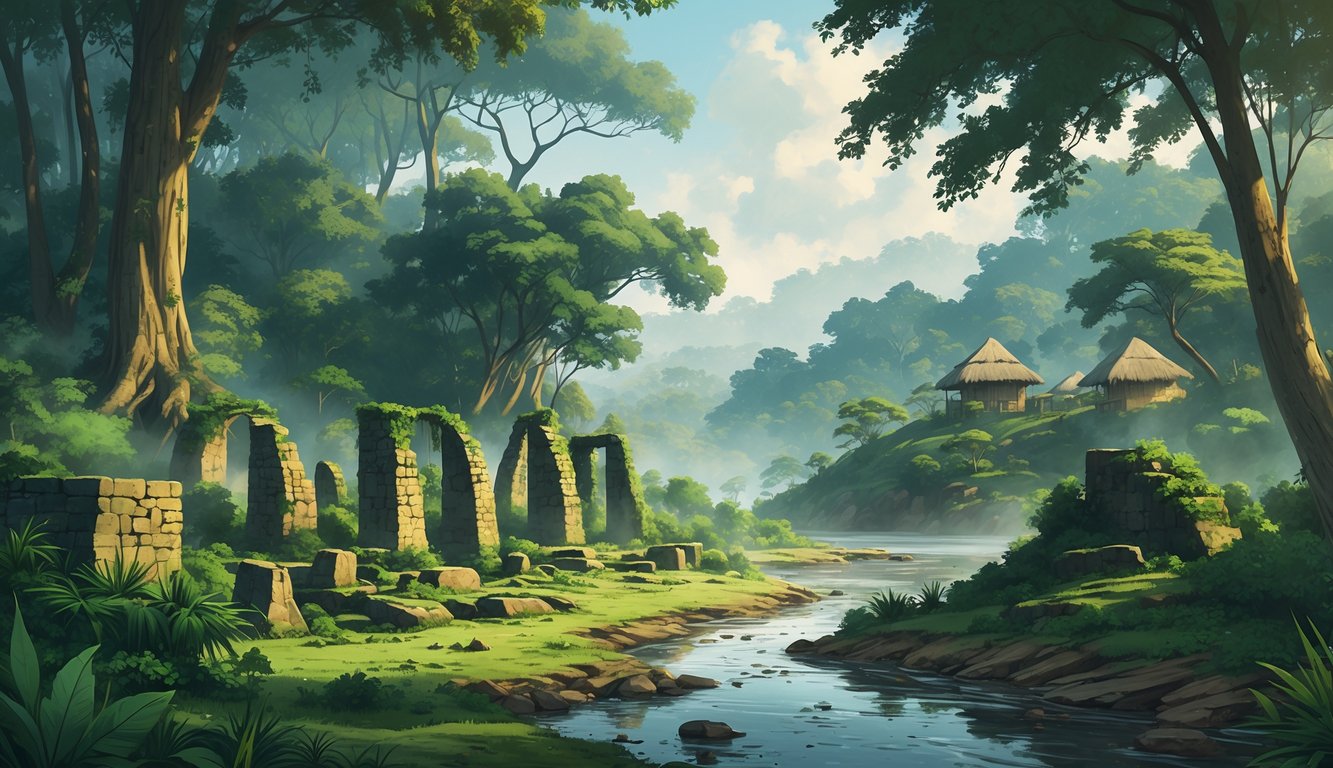
Environmental factors have shaped Togo’s story in many ways. Changes in climate and natural disasters have left lasting marks on ancient civilizations and wildlife.
The Influence of Climate on Ancient Civilizations
Togo’s climate has changed over time. Historical records and oral traditions suggest that drought or heavy rain changed how people lived and moved.
Farmers in ancient Togo depended on seasonal rains. When the rains failed, crops suffered and people left their villages.
This sometimes caused lost settlements and sudden shifts in culture. Some ruins and abandoned sites may trace back to extreme climate events.
Wildlife also changed as the climate shifted, influencing hunting, food supplies, and village locations. Clues about vanished communities often relate to how people coped with floods or dry spells.
Studying old pollen or animal bones helps researchers learn what kinds of plants and animals lived during different periods. Efforts to solve historical mysteries in Togo often focus on climate’s impact.
Effects of Natural Disasters
Natural disasters such as floods, droughts, and wildfires have shaped the mysteries of Togo’s past. Sudden events sometimes forced entire communities to move, leaving behind ruins and relics.
Flooding from major rivers has changed the land for centuries. Sometimes, people find village remains buried in clay or mud, showing how quickly people had to flee.
Damage to ancient structures often matches the pattern of large storms or flood events. Droughts brought a different kind of trouble.
When water sources dried up, wildlife moved and villages followed. Some legends speak of lost lakes or rivers that vanished, leaving behind myths and clues for historians.
Today, scientists use soil samples, river patterns, and local stories to understand how these natural events shaped the mysteries across Togo.
Tourism and the Allure of Historical Mysteries
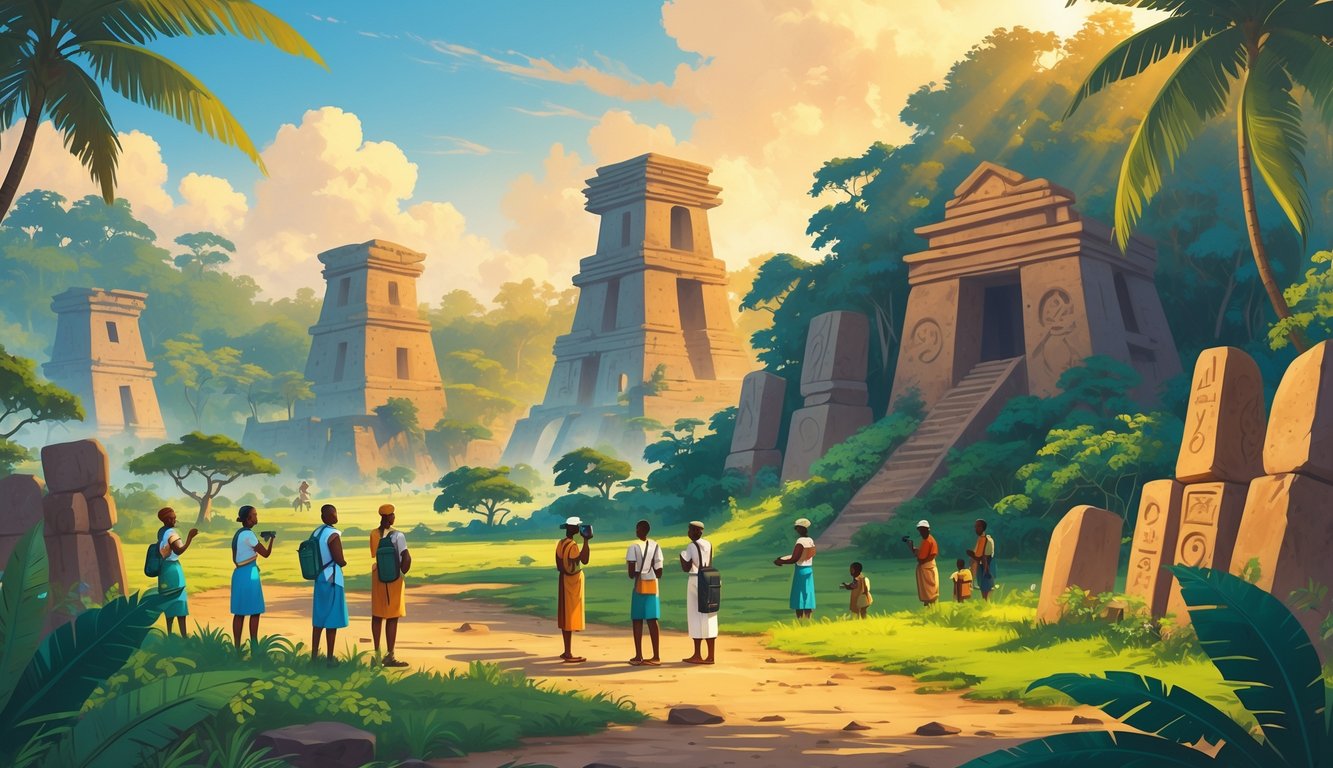
Togo’s legends and old ruins attract curious visitors. These sites connect tourists to stories from the past and help preserve local traditions.
Attracting Adventure Seekers
Tourism in Togo is growing as more people become interested in its mysterious history. Travelers visit places linked to ancient kingdoms, hidden shrines, and local myths.
Many tourists come to explore ruins left by early societies or search for clues about lost villages. Some plan trips around tales of unexplained artifacts and centuries-old traditions.
Guided tours take visitors to sacred forests, royal palaces, or remote national parks like Fazao-Malfakassa, where nature and legend meet. Tourists enjoy small-group walks, taking photos of carved stones, or watching storytellers share legends.
These experiences offer something different from typical holiday spots. For those seeking more than beaches, Togo’s lore promises a memorable journey.
Preserving Togo’s Enigmatic Heritage
Many sites that draw visitors today rely on strong community involvement and careful management to stay protected.
Local groups and guides explain the meaning behind mysterious locations, such as the old German outposts and sacred hills.
Preserving heritage means keeping stories alive while also protecting physical sites.
Conservationists work with villagers to repair ruins or mark paths for tourists.
They make sure people don’t harm ancient carvings or fragile artifacts.
Some parks, like Fazao-Malfakassa National Park, partner with cultural organizations to promote eco-tourism.
These groups also offer history lessons for school groups.
Villagers often take pride in sharing traditional dances and symbols with guests.
This helps younger people learn the history of Togo and join in preserving its mysteries for the future.