Montana is famous for its wide-open spaces and beautiful mountains. The state also holds many unsolved mysteries.
Strange disappearances and baffling murders have kept people guessing for years. Tales passed down for generations continue to fuel curiosity.
These puzzles include cold cases that remain unsolved after decades. The 1985 murder of Dexter Stefonek and the 1991 disappearance of Jody Fern Howard are among Montana’s most talked-about mysteries.
Stories of unusual crimes, legendary figures, and unexplained events capture the imagination of locals. Montana has a rich history full of unanswered questions and stories waiting to be discovered, as outlined in this overview of unsolved and notorious cases.
The Disappearance of Dorothy Arnold
Dorothy Arnold was a young heiress who vanished in 1910. Her mysterious disappearance drew attention from police and the public.
The case remains unsolved, even after years of searching.
Timeline of Events
Dorothy Arnold was last seen on December 12, 1910, in New York City. She left her family’s home that morning to shop for a dress.
Witnesses saw her buying chocolates and books in Manhattan. Dorothy never returned home, and her family began searching by contacting friends and hospitals.
A detailed series of events leading up to her disappearance includes:
- Morning: Dorothy leaves her home.
- Afternoon: Seen at several shops.
- Evening: Fails to return, family grows concerned.
Despite her family’s wealth and connections, no ransom notes or confirmed sightings appeared. Rumors spread, with some suggesting she left to start a new life, met with foul play, or suffered an accident.
For a complete account, see the tracing of her last movements.
Role of Law Enforcement
Law enforcement worked hard to locate Dorothy. Her family first hired private detectives, then contacted the New York Police Department.
Officers searched hospitals and morgues and looked into her acquaintances. Police interviewed friends, questioned possible witnesses, and followed up on reported leads.
They checked local areas in New York and reached out to other states, including regions connected to the case. Despite using many resources, police found no solid evidence.
The case became a high-profile mystery within law enforcement circles. It is remembered as one of the early 20th century’s most puzzling unsolved cases.
Ongoing Search and Leads
The case stayed in the news for years, with new leads appearing in magazines and newspapers. People speculated about Dorothy’s fate, and some claimed to have seen her in Montana or as far away as California.
Tips continued into the 1920s, but none led to Dorothy. The search inspired discussion about missing persons cases and shaped how cold cases were handled later on.
Dorothy’s fate is still unknown. Historians and crime writers continue to investigate possible links to Montana and beyond, hoping to finally answer what happened to Dorothy Arnold.
Unsolved Homicides: Montana’s Most Puzzling Murders
Montana has a number of unsolved murders that trouble local communities. Families still search for answers, and these cases remain open.
Missoula’s Coldest Cases
Missoula has seen unexplained disappearances and unsolved murders over the years. These cases frustrate police and families, as evidence is limited and witness accounts are scarce.
Investigators revisit files, hoping technology or new leads will reveal the person responsible. One example involves locals who vanished under mysterious circumstances, leading to rumors and speculation throughout Missoula County.
People who knew the victims describe how their sudden absence created fear and heartbreak. Despite ongoing efforts, many say Missoula’s unsolved murders remain among Montana’s most haunting cold cases.
Members of the community support the victims’ families, sometimes forming search parties or holding vigils. This dedication shows how much these cases affect everyone in the area.
Billings Tragedies
Billings was shaken in December 1924 by the Billings Ax Murders. The case involved brutal violence and quickly became headline news.
Police worked long hours, following leads and interviewing witnesses, but the crime was never solved. Newspapers called the suspect an “insane slayer,” and with limited technology and little physical proof, the trail went cold.
The incident remains one of the most talked-about unsolved crimes in Billings’ history. Stories of that night still get passed down, and many wonder if the truth will ever be revealed.
Deer Lodge Mysteries
Deer Lodge also has its share of mysteries. In rural Montana, investigators face tough conditions like harsh weather, small towns, and limited resources.
Some cold cases here involve missing persons with little explanation for their disappearance. Families from Deer Lodge sometimes use flyers or local events to keep attention on unsolved murders.
These efforts help keep cases visible. Police in Deer Lodge still get tips, and small towns tend to remember every detail of these cases.
Support groups often gather to honor memories and remind everyone that finding justice matters, even after many years.
Legend of the Mysterious Death Along the Missouri River
The Missouri River has been the site of some of Montana’s most puzzling stories. One haunting case is a mysterious death that left many questions for law enforcement and the public.
Historical Accounts
In the early 1900s, locals discovered a body along the banks of the Missouri River in Montana. Rumors spread quickly, and the cause of death was unclear.
No immediate evidence pointed to an accident or foul play. People in nearby towns shared theories and suspicions.
Some thought the death was connected to river piracy, while others spoke of old grudges. Reports at the time said the victim had no identification, making it hard to trace who they were or why they were there.
This case was documented in newspapers and later appeared in books about Montana’s mysteries. Over time, it became one of those unsolved cases that sparked the imagination of many.
Readers looking for more Montana legends can check out Montana Myths and Legends.
Role of the Sheriff and Law
The local sheriff investigated the scene along the Missouri River. His main challenge was a lack of evidence, as the area was remote and river currents often removed important clues.
Law enforcement collected what little information they could. They searched for personal items and interviewed people living nearby.
The sheriff also reached out to other counties, hoping to match missing person reports with the body. At the time, forensic methods were limited.
The sheriff relied on witness accounts and basic examination of the scene. Despite efforts, the case remained unsolved, showing the difficulties law officers faced in Montana’s early days.
Such cases are still discussed in local magazines that highlight unsolved Montana murders.
Enigmatic Events in Yellowstone National Park
Yellowstone National Park is known for its dramatic landscape and unusual natural features. The park has also seen puzzling disappearances and strange events.
Disappearances in the Park
People have vanished in Yellowstone under mysterious circumstances. Dan Campbell, for example, went missing on April 8, 1991.
Search teams looked for days but never found a trace of him. His case is just one of several baffling disappearances in Yellowstone.
Other park visitors may have gotten lost due to bad weather or dangerous terrain. Yellowstone’s size and wild landscape make search and rescue difficult.
Many believe harsh weather, such as unexpected hailstorms and freezing temperatures, plays a role.
List of possible reasons for disappearances:
- Poor weather (hail, snow, or cold)
- Getting lost or injured
- Wildlife encounters
- Limited cell service
These mysteries make people more careful about hiking or camping alone in the park.
Unusual Natural Phenomena
Yellowstone is home to more than 10,000 thermal features like geysers, hot springs, and bubbling mud pots. About three-quarters of all the geothermal features on Earth are found within the park.
These features are beautiful but can be dangerous. Some hot springs reach temperatures over 200°F, and geysers can erupt without warning.
Hailstorms hit the park several times a year, creating sudden, harsh conditions for campers and hikers. Unexplained natural events, such as ground rumbling or sudden steam vents, have left scientists with questions.
Visitors sometimes report hearing odd noises or seeing strange lights near geyser basins. This mix of danger and mystery keeps the legend of Yellowstone alive.
The Great Northern Pacific Railway Heist
The Great Northern Pacific Railway Heist stands out as one of Montana’s most famous crimes. Bold robbers targeted a major train line, leaving communities shaken and law enforcement scrambling for answers.
Theft Details and Investigation
The heist took place on the Great Northern Railway, a major route from Minnesota to the Pacific Northwest. The train, carrying cash and cargo, became a target for a group of outlaws who planned their attack carefully.
Kid Curry, a well-known member of Butch Cassidy’s gang, worked with partners including Ben Kilpatrick and “Deaf Charley” Hanks. Their robbery near Malta, Montana, caught authorities off guard.
Law enforcement arrived quickly but could not stop the outlaws from escaping. The thieves learned from earlier robberies and outsmarted police using advanced planning.
The investigation lasted months, with detectives following leads across several states. Some of the stolen money and key robbers were never found.
Learn more about the details of the Great Northern train robbery.
Impact on Surrounding Communities
The robbery deeply affected Montana towns along the railway. People living near the tracks became more cautious and sometimes afraid.
Train passengers and workers worried more about safety during their travels. The Northern Pacific Railway and other lines increased security by hiring more guards and working closely with local law enforcement.
Train companies began using new safety technology to protect future shipments. Many immigrants who worked on the railroads felt the impact, as the heist led to tighter rules and less trust from employers.
Railroad towns faced economic pressure, as people feared further violence and businesses suffered. The event helped shape local attitudes about crime and security for years.
For background on the railroad’s importance, visit the Northern Pacific Railway history.
Cattle Rancher Conundrums: Disappearances and Murders
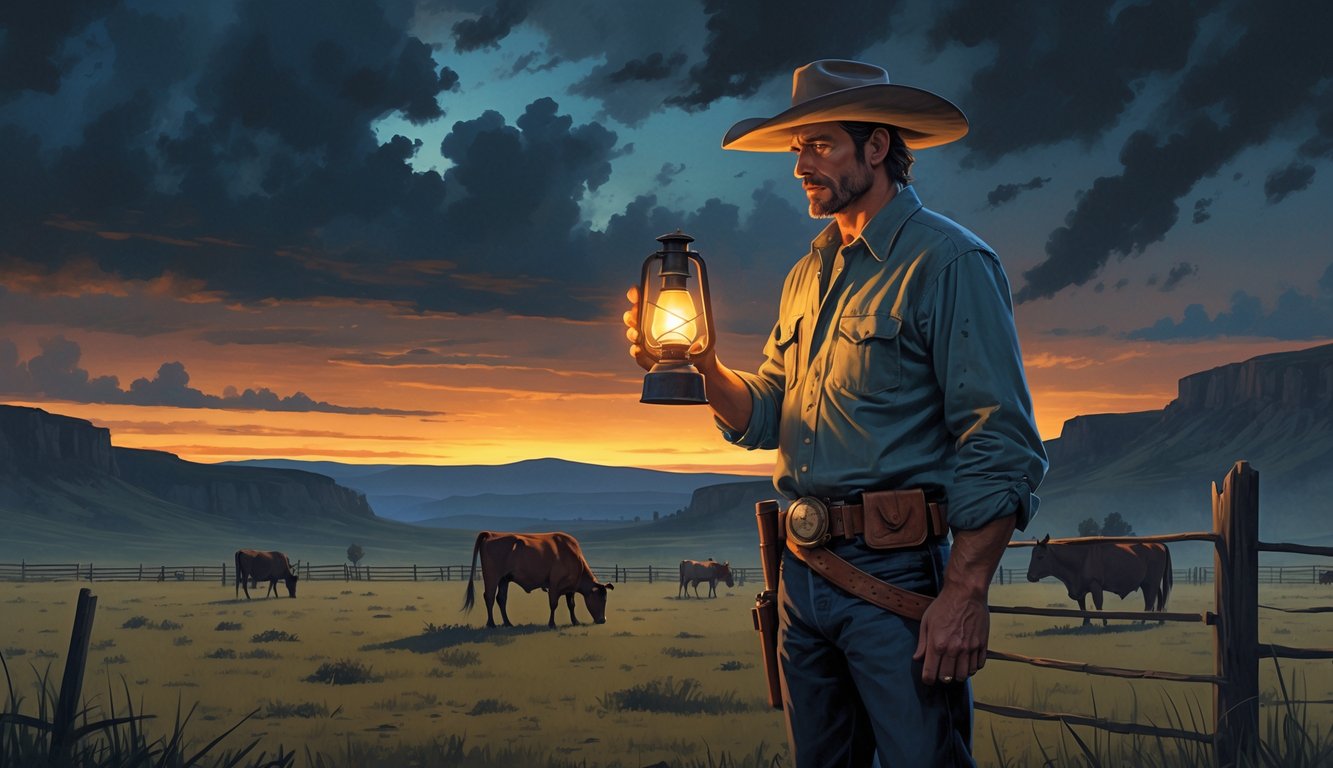
Montana’s open ranges have hosted dramatic mysteries involving cattle ranchers. Stories of rustlers, unsolved murders, and missing people are woven into the state’s history.
Notorious Cattle Rustling Cases
Cattle rustling has troubled Montana ranchers for more than a century. Ranchers like Tom Lyons faced both theft and violence.
At the famous L.C. Ranch, someone killed Lyons, and the case remains unsolved. This tragedy cast a lasting shadow over the ranch.
Rustling often led to confrontations where people went missing or died. Bold outlaws targeted large ranches and sometimes disappeared before anyone caught them.
Ranchers suffered property loss, but losing neighbors and friends hurt even more. Old reports and family stories keep the legacy of cattle rustling alive.
These cases changed lives and remain part of Montana’s history. Learn more about the Tom Lyons case at this editorial on a century-old unsolved murder.
Links to Unsolved Murders
Montana’s cattle ranchers have stood at the center of some of the state’s coldest cases. A wave of killings and disappearances linked to ranches left many questions.
Some ranchers were found murdered, while others vanished without a trace. Victims included both well-known ranchers and quiet locals.
These deaths led to sensational headlines, such as the Billings Ax Murders in 1924. Police offered theories, but answers never came.
Families still seek closure. Curious minds wonder if the secrets will ever come to light.
Mysterious Figures: The Case of the Helena Stranger
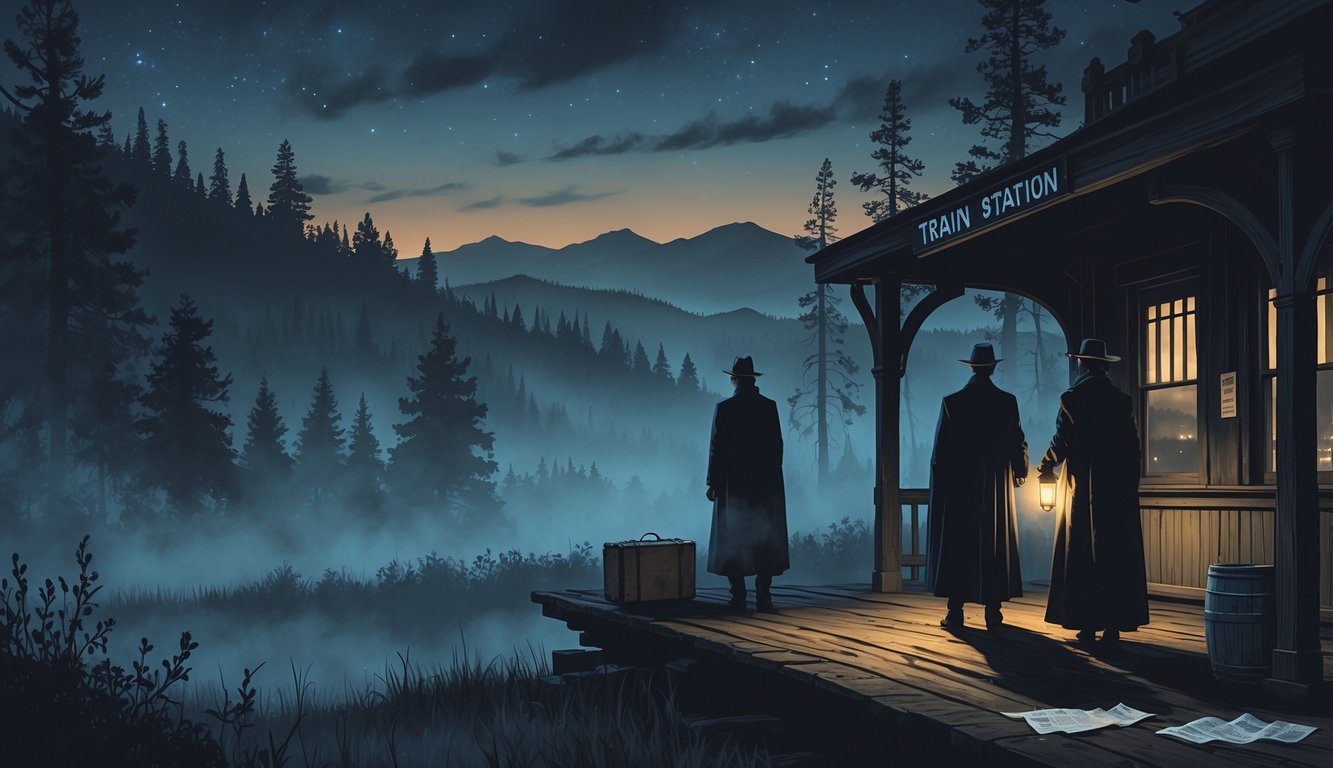
Helena has its share of unsolved cases. Few stories capture the imagination like the Helena Stranger.
This case remains a true crime mystery. Residents and visitors still have more questions than answers.
Description and Theories
In the late 1800s, Helena’s quiet streets filled with confusion after reports of a mysterious figure. People saw this person wandering at night, always in a long coat and hat.
No one ever saw the stranger’s face. No one confirmed the identity.
Locals spread rumors that the stranger committed thefts. Some believed he had connections to other Montana cold cases.
Others thought he was a drifter hiding from the law or a detective working undercover. Theories spread quickly.
Despite searches, the Helena Stranger always escaped. No evidence ever linked him directly to crimes.
The case remains a topic of speculation and debate. Today, true crime fans still try to solve the mystery.
Community Reactions
People in Helena felt both fear and anticipation. Town meetings became frequent, and neighbors formed patrols to protect their community.
Some stores closed early to help everyone feel safer. Parents warned children not to travel alone after sunset.
Stories about the stranger became popular folklore. The nickname “Helena Stranger” spread through the town.
Over time, the case inspired books, school projects, and newspaper features. Historians and amateur sleuths kept the legend alive.
Each year, new theories emerge. The Helena Stranger remains one of Montana’s biggest historical mysteries.
Native Stories and Cree Mysteries
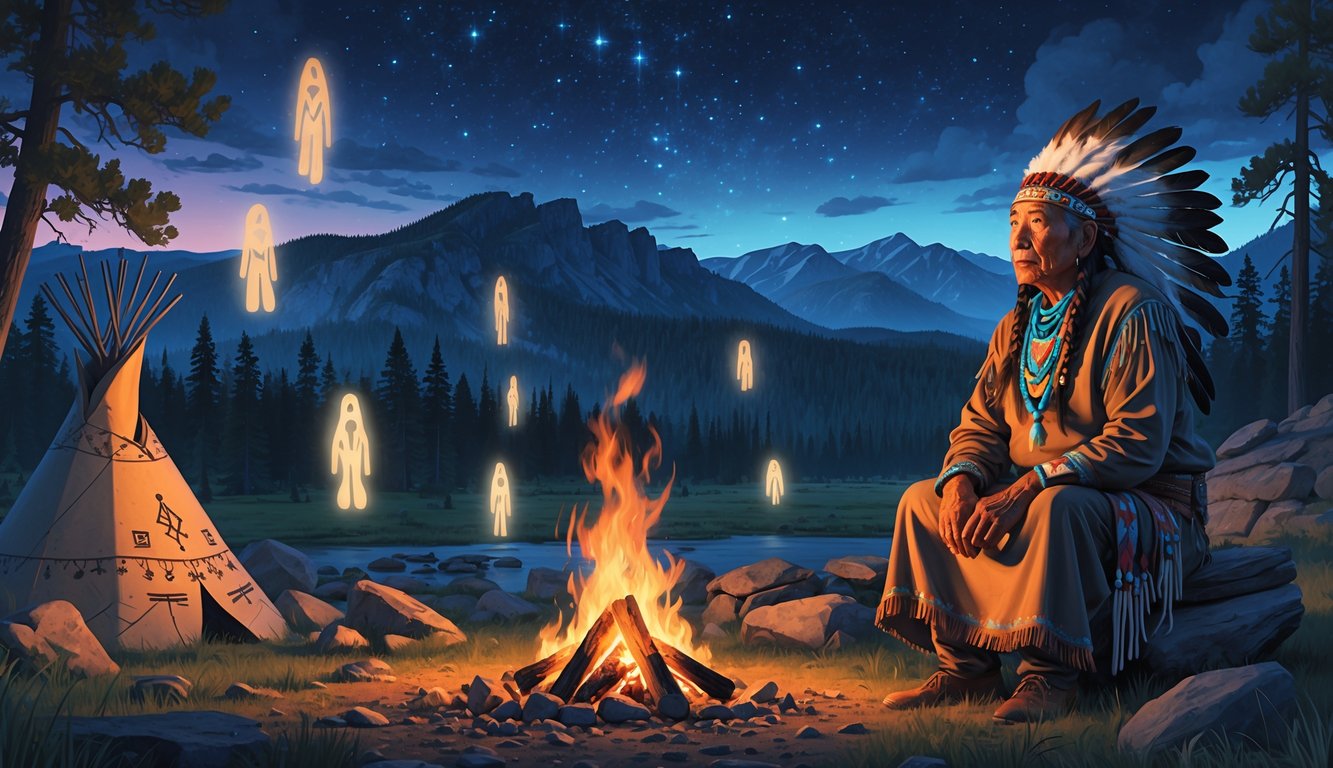
Montana’s history includes Native stories and unique mysteries. Cree legends, sudden disappearances, and early contacts with French traders add to the state’s puzzles.
Legendary Disappearances
Mysterious disappearances have long shaped Montana’s past. The Cree people told stories about travelers, hunters, and trappers who vanished along old routes and in dense forests.
In some areas, especially near the Crazy Mountains and riverbanks, legends describe people going missing under strange conditions. Tales include sightings of odd lights, shadowy figures, and warnings from elders to avoid certain places.
The stories remain serious enough that some families avoid certain trails or campgrounds today. Many believe natural causes explain the disappearances, but for the Cree and other tribes, these mysteries connect to their respect for the land and its spirits. More information on Montana mysteries can be found in Montana Myths and Legends: The True Stories behind History’s Mysteries.
French and Cree Historical Relations
The French and Cree had important contact in Montana’s early days. French traders traveled into the upper plains to exchange goods and learn local languages.
They formed trade partnerships and friendships with Cree families. French traders brought beads, tools, and blankets in exchange for furs and local knowledge.
Some Cree learned French words, while some French learned Native phrases. These interactions shaped Montana’s history and culture, as described in articles about Native American history in Montana.
Montana Magazines and the Spread of Mystery
Montana has a long history of print magazines that publish and discuss unsolved crimes. These publications shape local conversations and highlight mysterious events.
Influence on Public Opinion
Magazines play a big role in how Montanans view mystery and true crime. When a local murder or disappearance appears in print, it keeps the story alive.
Stories often reach people who do not follow news online. Writers revisit cold cases, sparking new interest and sometimes new tips for law enforcement.
Vivid storytelling and photos make mysteries feel personal. Some communities learn about their local history for the first time through these articles.
This leads to more conversations among neighbors. Readers often talk to family members about what they know.
Notable Publications Covering Mysteries
Several Montana magazines focus on the region’s mysterious history. Montana: The Magazine of Western History features articles about unsolved crimes and strange events.
This magazine is known for detailed stories and historical background. Readers learn how unsolved mysteries shaped local culture. Read more about this magazine’s coverage of Montana’s stories.
Distinctly Montana Magazine shares stories on unsolved murders and unusual happenings. These articles remind readers that some mysteries remain open.
Montana Magazine features stories about the people, places, and events that give context to local folklore and legend. Many times, the magazine highlights cases that never found a clear resolution. You can find more information about Montana Magazine through their coverage.
Lasting Impact of Montana’s Unsolved Cases
Unsolved and cold cases have shaped local culture and daily life in Montana communities. These mysteries affect victims’ families and guide the actions of law enforcement and local groups.
Community Awareness and Memorials
People in Montana honor victims through public events and memorials. Towns create tribute sites or hold annual walks to keep names and faces visible.
Community groups and local media highlight cold cases to remind others of those still missing or lost. Schools and civic organizations teach students about these events to build empathy.
Lists of unsolved murders appear online, sparking new conversations or tips. These actions show that the memory of victims still matters to many Montanans.
Families work with law enforcement to keep their cases in the news. Support from neighbors and online forums gives loved ones a place to share information and find help. Awareness campaigns and stories make sure these tragedies are not forgotten.
Ongoing Investigative Efforts
Law enforcement in Montana faces big challenges with cold cases. The state’s rugged wilderness and changing weather make investigations difficult.
Investigators sometimes lack evidence or resources. These obstacles make it hard to close cases.
Modern DNA testing and new technology help police and detectives reopen old files. They check for missed clues with these new tools.
Local police often work with state agencies and outside experts. These collaborative efforts have led to public tips or new search directions.
Many towns now share information about unsolved cases in public meetings. They also post updates online.
Law enforcement asks the public for help. They use social media and local news to spread information.